What a Mining Conveyor Idler Does on the Line
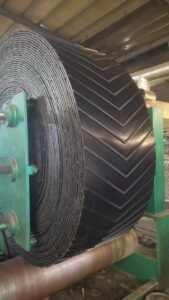
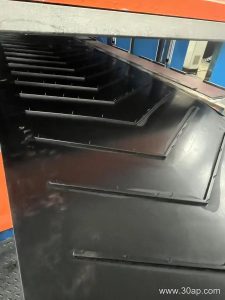
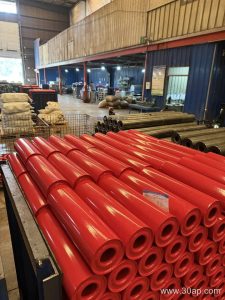
A mining conveyor idler is the rotating support that carries the conveyor belt and the material load along the length of a conveyor. In practice, when crews talk about the idler roller, they mean the same component: a steel shell fitted with bearings and a shaft, mounted in a frame so the belt can travel with low friction. On a heavy-duty mining conveyor belt moving ore, coal, or aggregate, these rollers are the parts that touch the belt most often, so their condition shapes power draw, belt life, and downtime.
The work is simple but demanding. Each station shares the load of the belt and the bulk material above it, guides the belt in line, and absorbs impact at transfer points. A well-matched idler keeps the belt tracking calmly; a worn or seized roller can rub through a cover, pull the belt sideways, or add drag along the whole system.
How the Roller Is Built
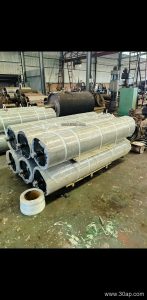
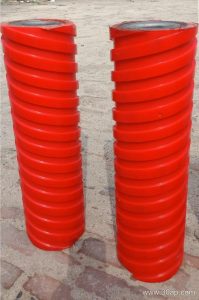
Most units combine a tubular shell, a through shaft, bearing housings at each end, and a sealing arrangement. The shell may be plain steel, nylon-coated, ceramic-covered, or fitted with rubber rings for cushioning. Bearing size is chosen with the load and speed in mind; common bearing numbers include 6204, 6205, 6305, 6306, 6308, and 6310, but no single bearing is tied to one shell diameter. Sealing matters as much as the bearing itself, because fine dust and washdown water are what usually end a roller’s service life.
Where These Rollers Are Used
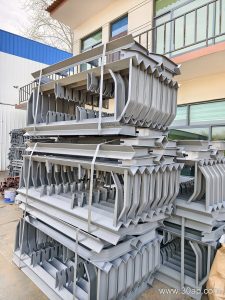
You will find them in quarry and limestone operations feeding a crusher, in iron ore and copper ore handling, in coal preparation plants, and in cement works moving clinker and raw meal. Power plant coal yards and port ship-loading lines use the same basic hardware on a larger scale. In all of these places the roller set works together with the conveyor belt, the conveyor pulley at the drive and tail, and the conveyor bracket that holds each station to the stringer.
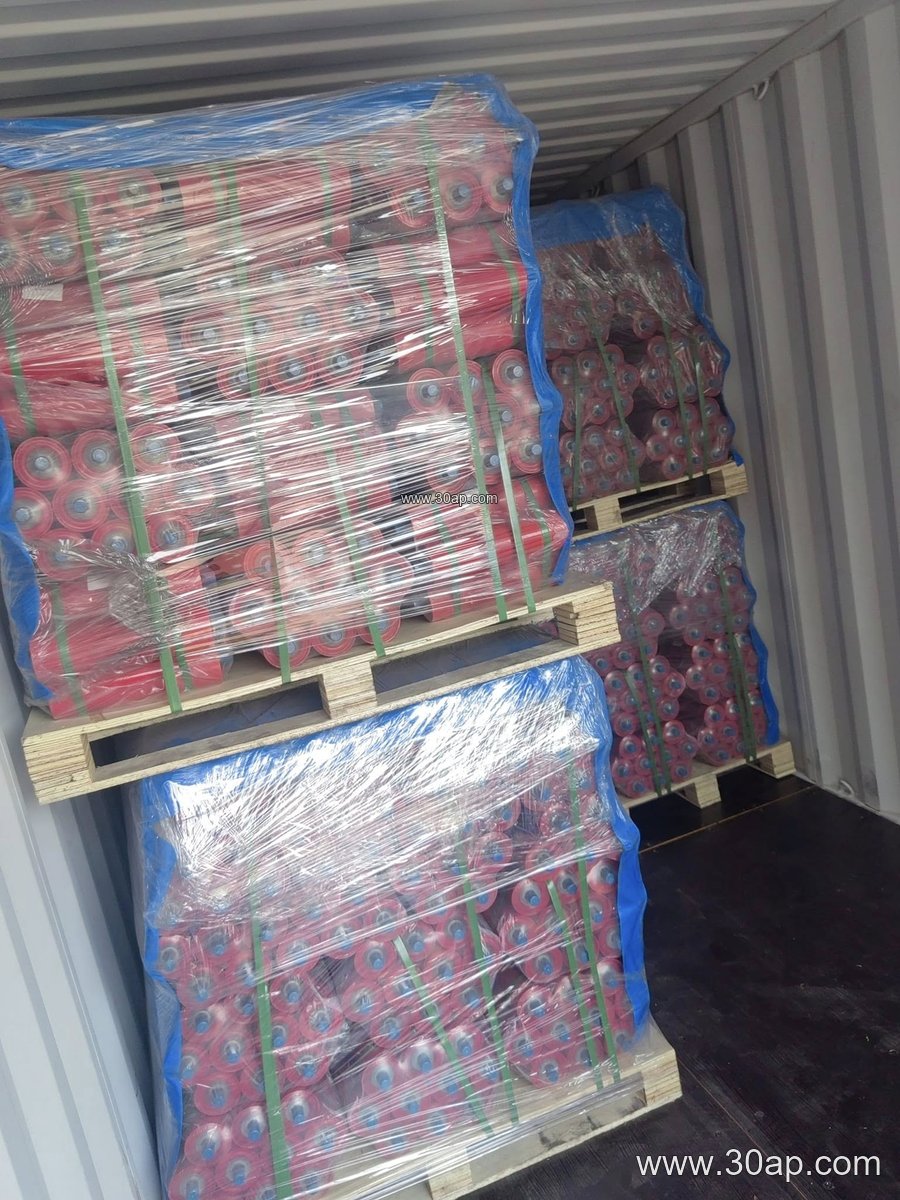
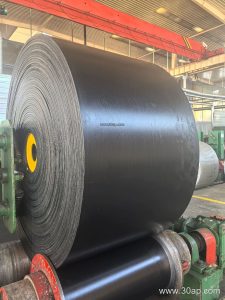
Downstream, the same approach serves a cement plant conveyor belt, a power plant conveyor belt, or a quarry conveyor belt handling abrasive rock. Where belts carry hot clinker or sinter, heat resistant conveyor belt grades are paired with rollers that can tolerate the temperature; where coal dust is present, flame retardant conveyor belt and anti-static conveyor belt constructions are common. The idler itself does not decide those belt properties, but it must not undermine them through poor sealing or excess friction.
Common Forms and Reference Dimensions
Troughing sets dominate the carrying side, usually in two- or three-roll arrangements, with trough angles of 20, 30, 35, or 45 degrees. Return side stations may be flat or V-shaped, while impact idlers with rubber rings sit under loading chutes. Self-aligning types help correct tracking on long flights. The table below gives typical reference values only; actual roll length and diameter follow belt width, trough angle, and frame design.
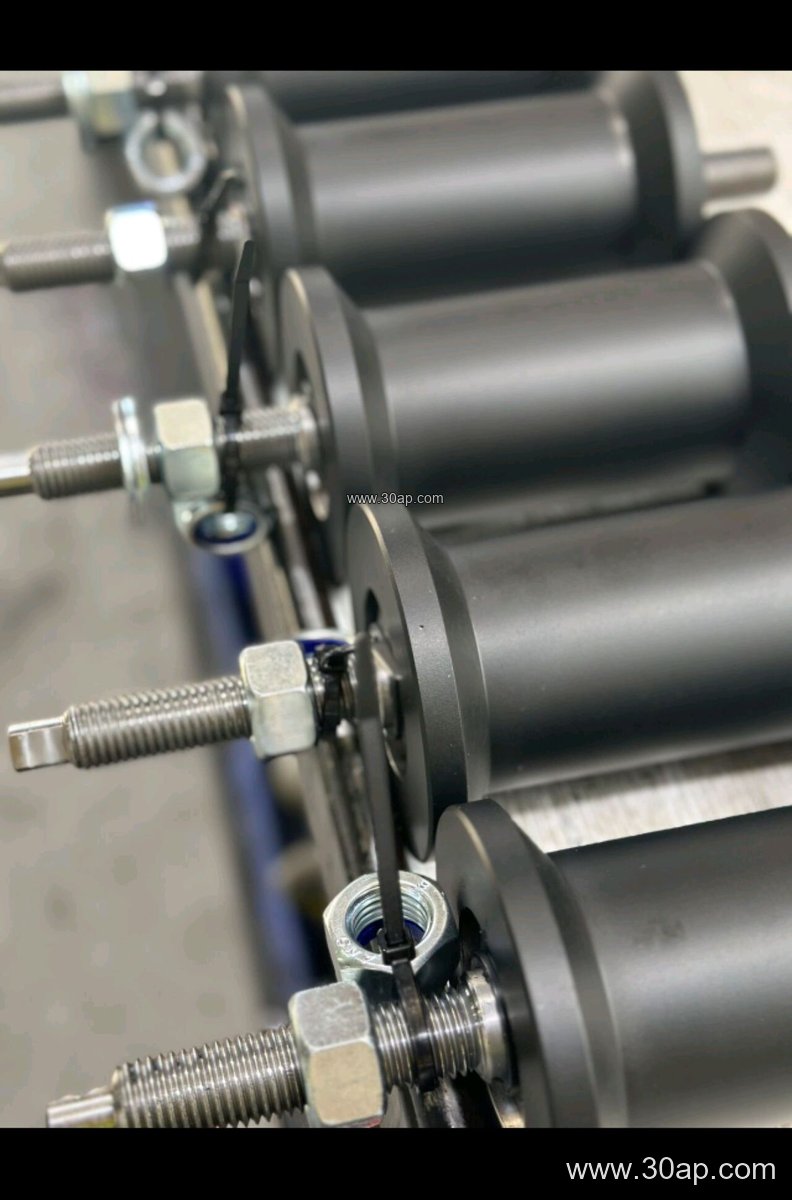
- Roll diameter options: Ø63, Ø76, Ø89, Ø102, Ø108, Ø127, Ø133, Ø159, Ø178, Ø194, Ø219 mm
- Belt width range commonly served: B400 to B2400
- Trough angle choices: 20, 30, 35, 45 degrees
- Typical three-roll center roll length by belt width: about 200 mm at B500, 250 mm at B650, 315 mm at B800, 380 mm at B1000, 465 mm at B1200, 530 mm at B1400, 600 mm at B1600, 670 mm at B1800, 750 mm at B2000
These figures are examples for orientation, not fixed pairings. Side rolls and center rolls often differ, and a wide belt does not dictate one shaft diameter by itself.
What Buyers Should Check
Start with the duty: tonnage, lump size, belt speed, and whether the line runs abrasive ore, wet coal, or hot material. Confirm the shell diameter and wall thickness suit the load, and ask how the seal keeps out dust and water. Check that the bearing selection matches the expected speed and radial load rather than copying a number from another line. For impact zones, specify cushioning rollers; for long return runs, consider V-type or self-aligning stations.
Buyers should also confirm mounting details, since the conveyor bracket and frame spacing determine whether a replacement drops in cleanly. Spare planning matters on a mine site: keep a small stock of the most-used stations so a failed roller does not stop a shift. Finally, review lubrication and inspection routines, because a roller that is checked for temperature, noise, and free rotation usually lasts far longer than one left alone.
Maintenance Notes That Pay Off
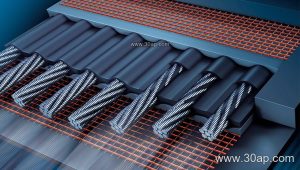
Walk the line regularly and listen for squealing or rumbling bearings. Check for belt misalignment near idler stations before blaming the belt itself. Replace rollers that no longer spin freely, and keep the area under transfer points clear so material does not build up against the frame. On abrasive duty, rotating rollers occasionally and replacing worn shells early protects the belt cover. When a line handles a steel cord conveyor belt or a multi-ply fabric core belt, the same care applies: the belt is expensive, and the idler is the cheap part that protects it.