Understanding the Conveyor Bracket’s Critical Role
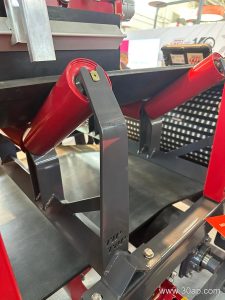
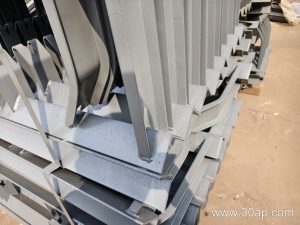
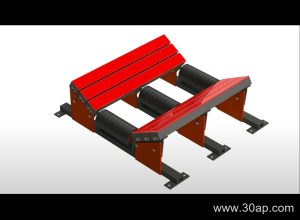
The conveyor bracket is the structural interface that secures rollers, idlers, and drive components to the conveyor frame. Without a precisely engineered bracket, even the finest belt or chain system suffers misalignment, vibration, and premature wear.
Key Selection Criteria for Industrial Buyers
- Load rating: Match the bracket’s static and dynamic capacity to your maximum belt tension and material weight.
- Material grade: Choose hot-dipped galvanized steel for corrosive environments, or stainless steel for food and chemical processing.
- Adjustability: Slotted or multi-position brackets allow quick trough angle and roller spacing changes.
Purchasing and Inspection Advice
Always verify hole patterns against your existing frame—metric or imperial mismatches cause costly rework. Inspect weld quality and surface finish; burrs or sharp edges can damage belts. For high-speed lines, request brackets with integrated rubber padding to dampen impact.
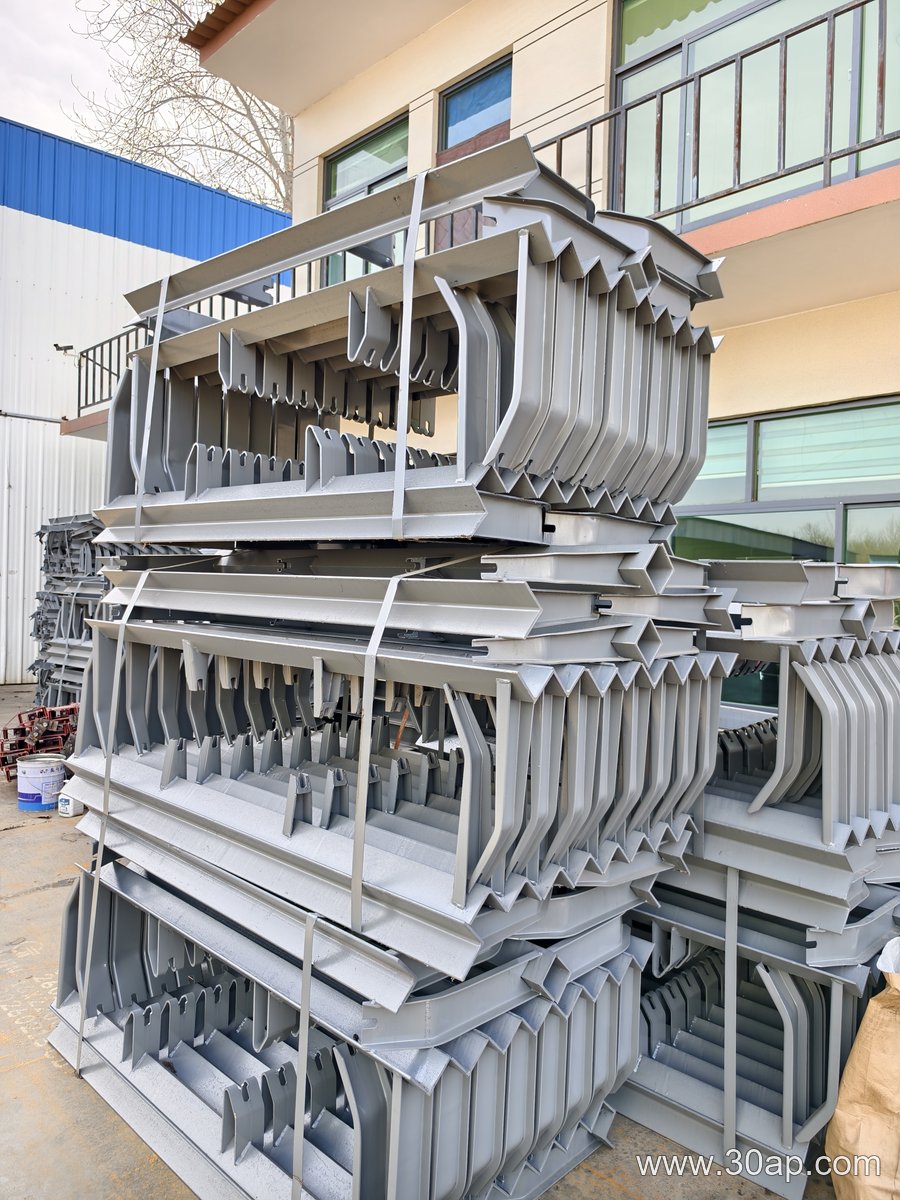
Order spare brackets for critical transfer points, and confirm that the bracket’s bolt torque specifications match your maintenance tools. A robust conveyor bracket reduces downtime and extends idler life by up to 40%.
Conveyor Belt Fundamentals for Modern Operations
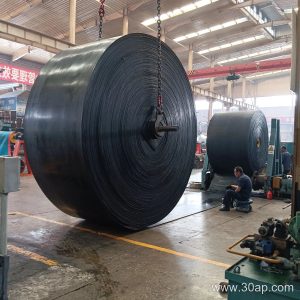
The conveyor belt remains the backbone of material handling across mining, logistics, and manufacturing. Selecting the correct belt directly impacts uptime, energy consumption, and total cost of ownership.
Key Selection Criteria
- Material type: Abrasive, oily, or hot loads require specialized covers (e.g., rubber, PVC, or steel cord).
- Tensile strength: Match carcass layers to load weight and belt speed to prevent stretching or breakage.
- Environment: For outdoor or chemical exposure, choose UV-resistant or anti-static compounds.
Purchasing and Maintenance Advice
Always request a load test report from suppliers. Inspect belt edges for fraying weekly, and align pulleys to avoid tracking issues. Consider modular belts for quick repairs in food-grade settings.
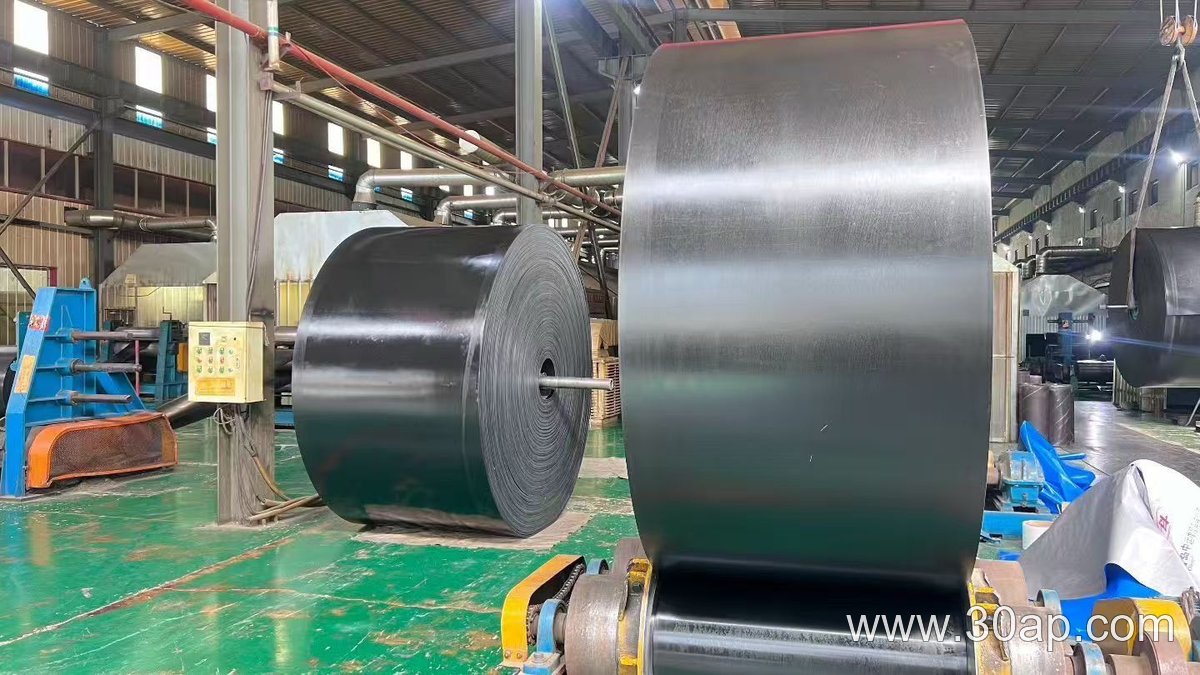
For long-term value, invest in a belt with a higher safety factor than your peak load—this reduces unexpected downtime and splice failures.
Why the Idler Roller Defines Conveyor Efficiency
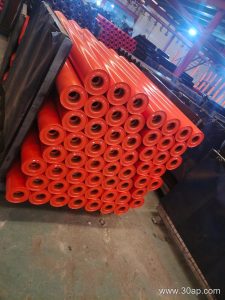
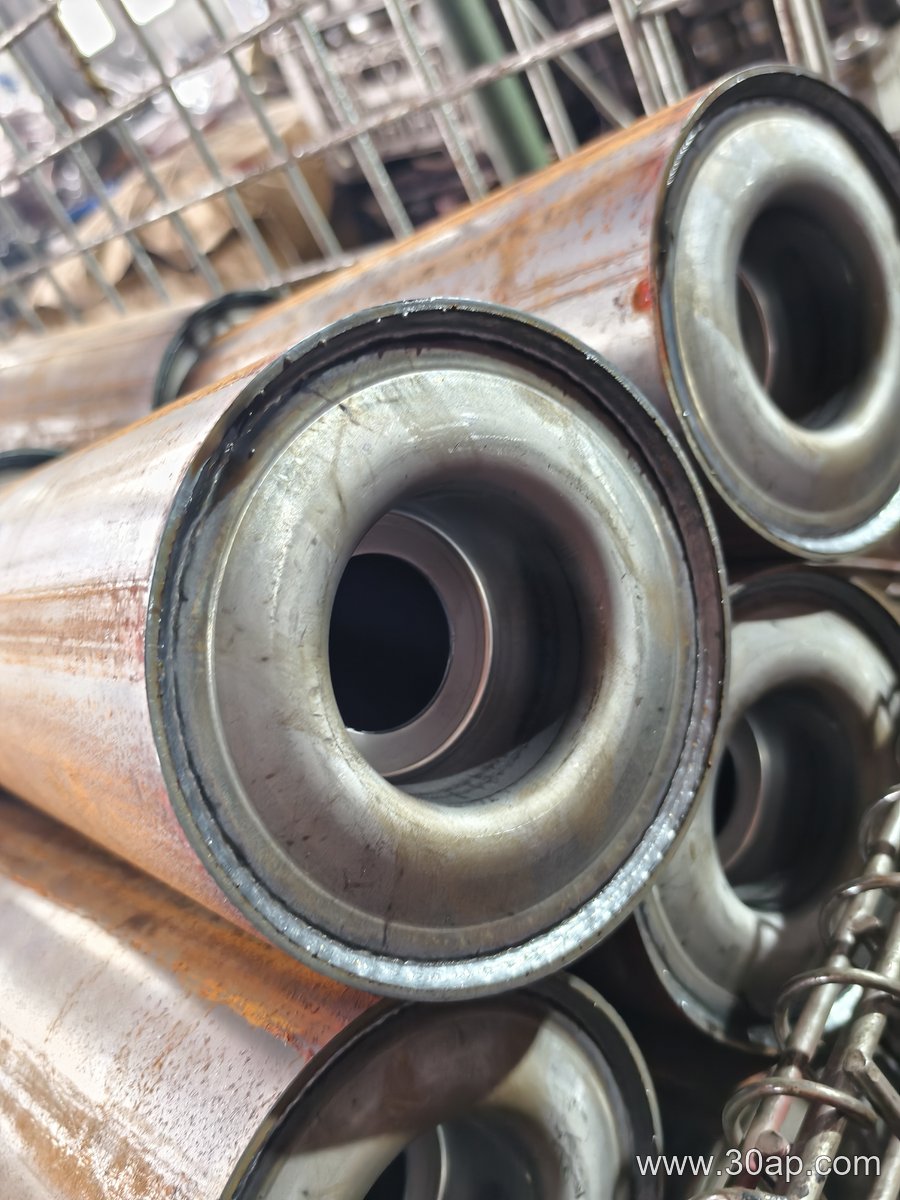
The idler roller is the unsung workhorse of any bulk material handling system. It supports the belt, shapes the load, and absorbs impact, yet one poorly chosen roller can cause belt misalignment, premature wear, and costly downtime. When sourcing idler rollers, focus on three core factors: shell diameter, bearing quality, and seal design.
Key Specifications to Evaluate
First, match the roller’s trough angle to your material’s repose angle. For abrasive or heavy ores, choose a thicker shell (e.g., 8–10 mm) with a rubber disc for impact zones. Second, inspect the bearing type—tapered or spherical roller bearings handle radial and axial loads better than ball bearings. Third, verify the seal system: labyrinth seals repel fine dust, while contact seals suit wet or sticky conditions.
Purchasing Advice for Long-Term Value
Do not prioritize price over lifecycle cost. Request actual load ratings (not just belt width) and test samples under your real throughput. Check that the roller’s runout tolerance is below 0.5 mm to avoid belt vibration. Finally, confirm the manufacturer offers interchangeable cartridges or end caps—this simplifies maintenance and reduces spare parts inventory.
- Specify roller diameter based on belt speed and load density; 89 mm or 108 mm are common for medium duty.
- For corrosive environments, specify stainless steel or epoxy-coated shells.
- Always order 2–3% extra rollers as spares, but verify the same supplier can deliver consistent quality across batches.
Why the Conveyor Pulley Dictates System Uptime
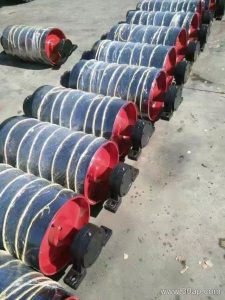
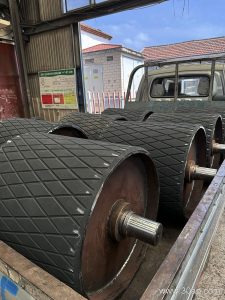
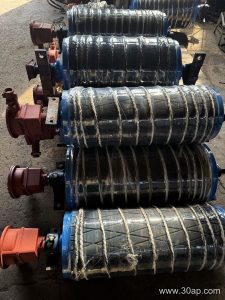
The conveyor pulley is not a passive roller; it is the load-bearing driver and tension regulator of the entire belt line. A poorly specified pulley causes belt mistracking, premature splice failure, and excessive energy consumption. For industrial buyers, matching pulley diameter, face width, and shaft rating to belt tension and material density is the first step toward a maintenance-free operation.
Key Engineering Parameters to Verify
Before ordering, confirm the following with your supplier:
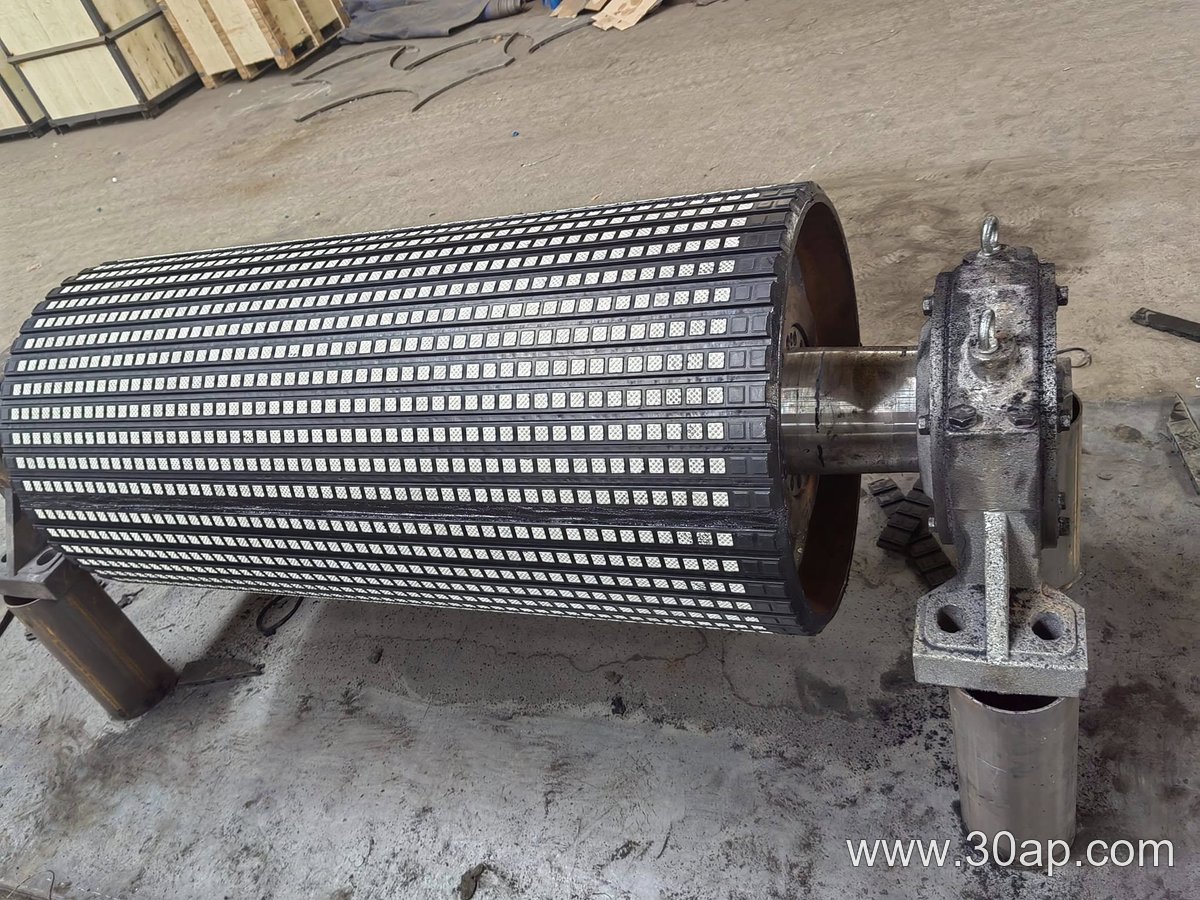
- Lagging type: Ceramic for high-grip, rubber for abrasion resistance, or plain steel for low-friction return applications.
- Shaft deflection limit: Keep it below 0.5 degrees to prevent bearing fatigue and pulley crown wear.
- Shell thickness: Choose 10–16 mm for standard duty; increase to 20+ mm for heavy impact or high-tension conveyors.
Purchasing Advice for Long-Term Value
Do not buy on price alone. Request a finite element analysis (FEA) report for pulleys over 800 mm diameter. Verify that the hub-to-shaft connection uses a keyless locking assembly for easier replacement. Also, ask for a dual-direction balancing grade (G6.3) if your belt speed exceeds 3 m/s, as imbalance accelerates bearing wear. Finally, always specify a crown profile of 1–2 mm on the head pulley to aid self-centering of the belt, reducing edge damage.
Invest in a spare drive pulley with pre-drilled bolt holes to cut downtime during emergency changeouts. Properly selected, the conveyor pulley becomes a silent, low-cost asset rather than a recurring failure point.