What the Belt Does in a Sand Making Circuit
A Sand Making Plant Conveyor Belt moves crushed stone, manufactured sand, and return material between the jaw or cone crusher, the sand maker, the vibrating screen, and the stockpile. In a sand and aggregate line the belt is a continuous link, so a stop on one section quickly backs up the whole circuit. The duty is usually abrasive, often dusty, and sometimes wet, which is why the cover compound and carcass choice matter more than the headline price.
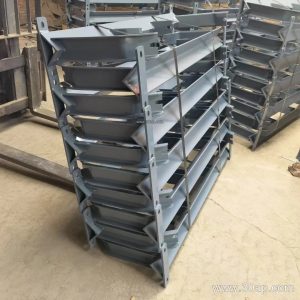
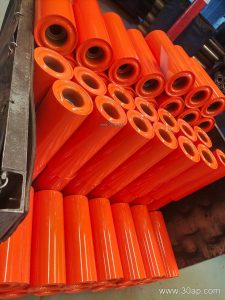
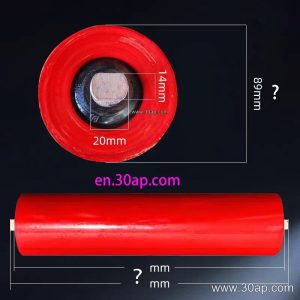
This belt is a heavy industrial product rather than a simple rubber strip. It combines a load-carrying carcass, top and bottom covers, and spliced ends, and it runs on a frame fitted with idler rollers, a drive pulley, a tail pulley, and bend pulleys. Each of those parts has its own job, and they are selected together rather than swapped for one another.
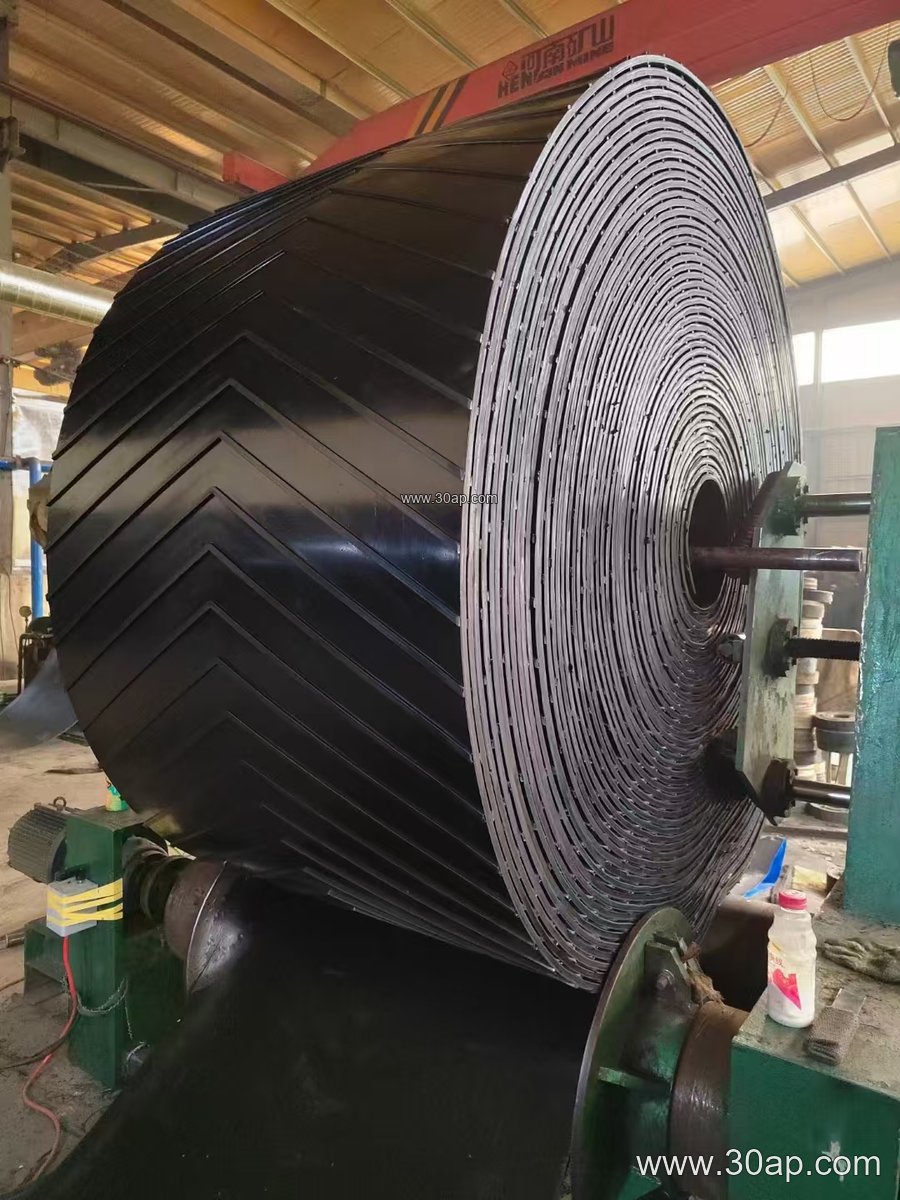
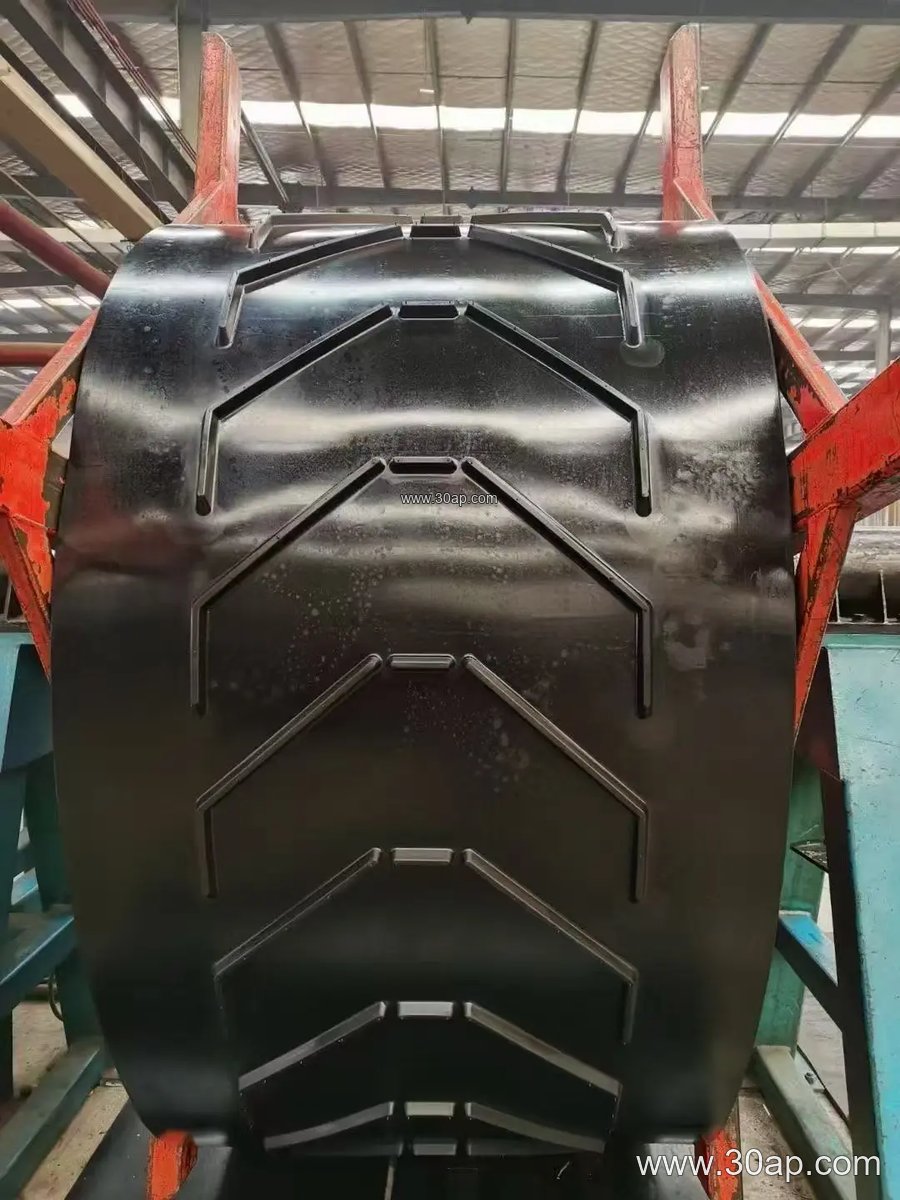
Construction and Common Specifications
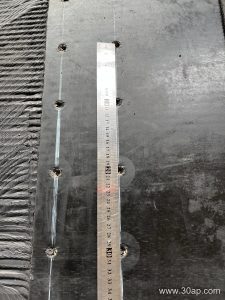
Most sand plant belts use a fabric core, typically EP or NN canvas, with multiple plies. A steel cord carcass is used when the center distance is long or the tonnage is high. Cover thickness is normally described as top plus bottom, for example 4+2 mm or 6+2 mm, and the right figure depends on lump size and drop height.
| Item | Typical Range | Notes |
|---|---|---|
| Belt width | B500, B650, B800, B1000, B1200, B1400, B1600 | Set by throughput and maximum lump size |
| Fabric strength | EP200, EP315, EP400, EP500, EP630, EP800, EP1000 | Matches tension and incline |
| Steel cord grade | ST1000, ST1250, ST1600, ST2000 | For long, high-capacity lines |
| Cover thickness | 3+1.5, 4+2, 5+2, 6+2, 8+3 mm | Thicker top cover for impact points |
| Ply count | 2 to 6 plies | Higher ply count raises stiffness |
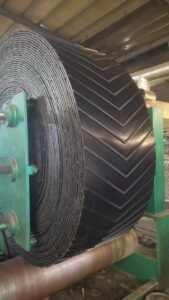
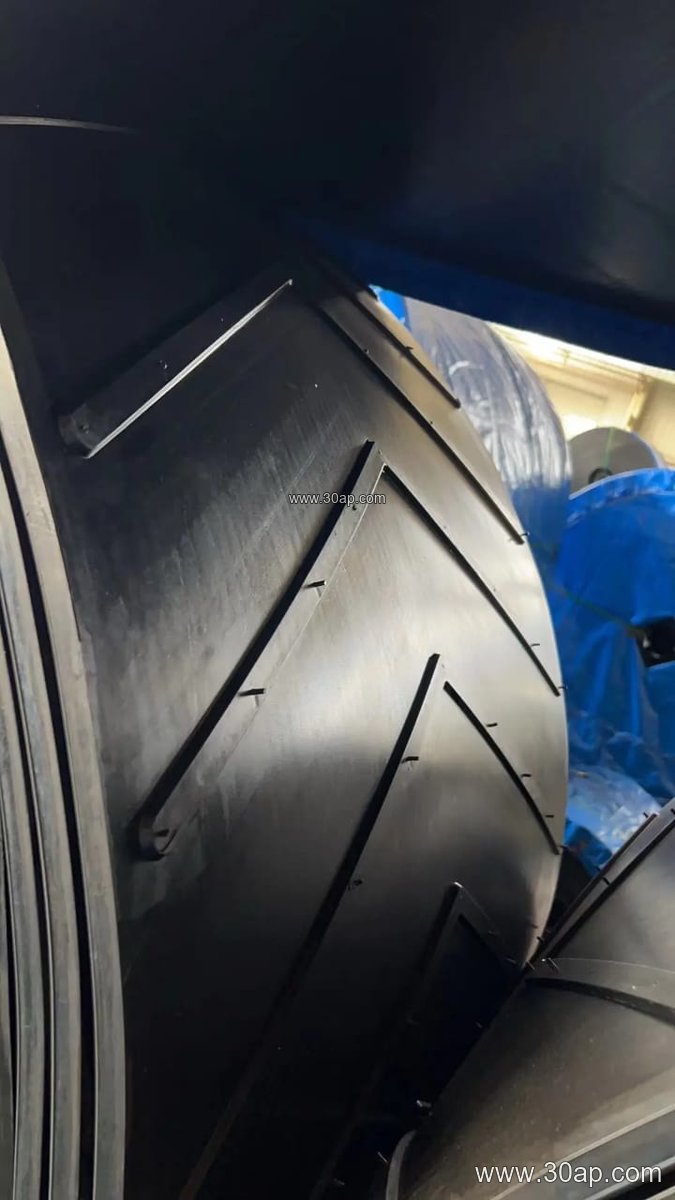
Surface forms include plain, chevron or herringbone for inclined sections, and corrugated sidewall with cleats for steep lifts where material would otherwise slide back. A skirted belt keeps material on the center of the line at transfer points. Heat resistant and oil resistant covers are available where the process calls for them, and flame retardant grades are common in coal handling and enclosed structures.
Where It Is Used
Beyond sand and gravel plants, the same style of belt appears in quarry conveying, cement plants, power plant coal yards, steel plants, and port loading systems. A crusher conveyor belt and a rock conveyor belt are close relatives in duty, while an ore conveyor belt in an iron ore or copper ore circuit may need a tougher cover. Underground mining and coal mining conveyors add fire safety requirements that a plain sand plant belt does not carry.
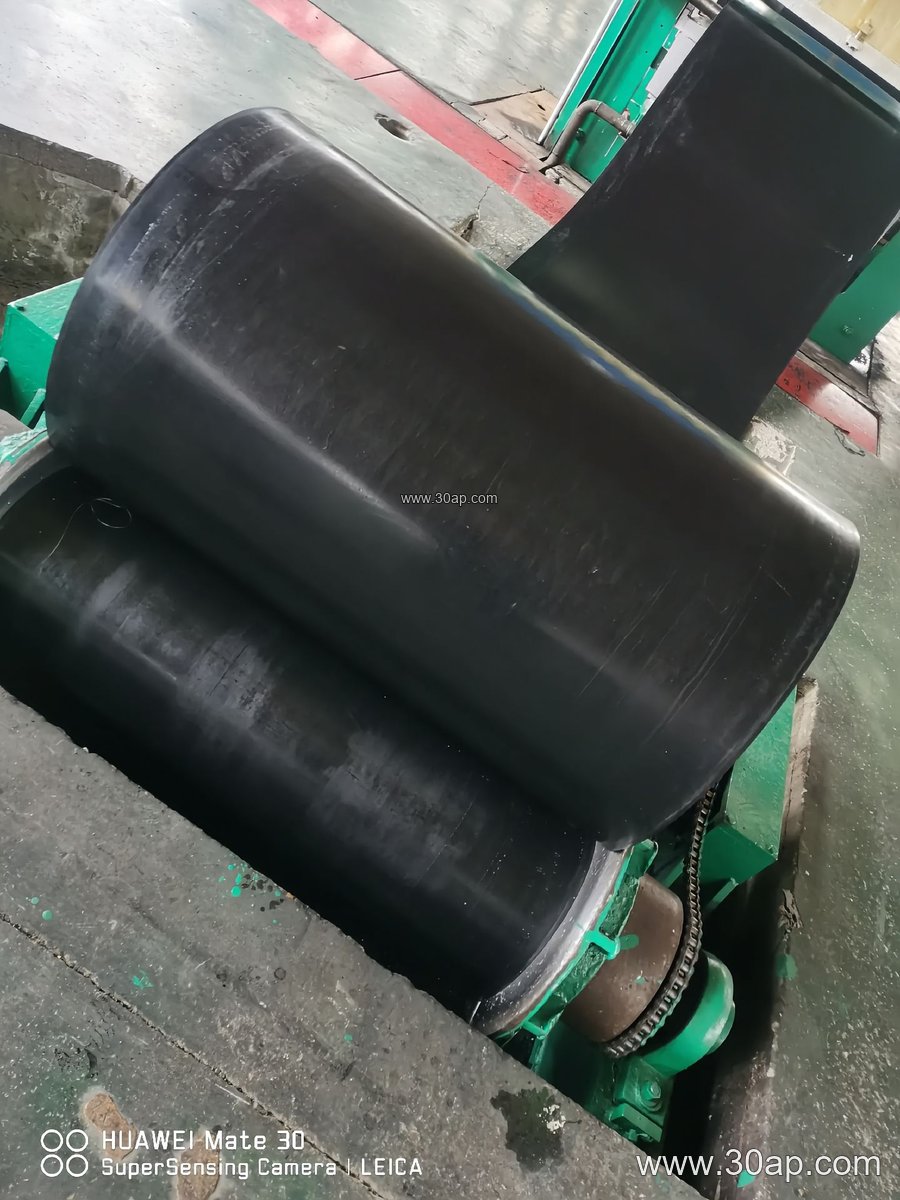
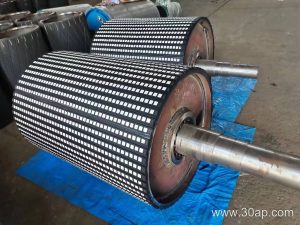
For a sand making plant, the most common failure points are the feed point under the sand maker, the discharge at the screen, and any inclined section. Impact idlers under the loading zone and a properly sized skirt rubber reduce spillage and edge damage. Keeping the conveyor pulley lagging in good condition improves grip, and checking conveyor brackets for looseness prevents frame vibration from working into the splice.
Buyer Checklist
- Confirm the actual belt width and center distance, not just the crusher capacity.
- State the maximum lump size and drop height so the cover grade can be chosen.
- Describe the material: dry, wet, dusty, oily, or hot, and whether it is sharp-edged.
- Ask for the splice method and whether an endless belt is preferred for a fixed installation.
- Check pulley diameters against the carcass flexibility recommended by the belt maker.
- Keep a spare length and a repair kit on site, since sand plant stops are costly.
For buyers comparing offers, the useful questions are about carcass grade, cover thickness, and splice quality rather than one number alone. A belt rated EP630 at 1000 mm width may suit one line, while a wider 1200 mm belt at a lower grade can serve another; there is no single correct pairing of width and pulley size. Request the manufacturer’s tension and minimum pulley data for the exact construction, and match it to the drive, tail, and bend pulleys on the frame.
Routine checks of belt tracking, cover wear, edge condition, and idler roller rotation will extend service life more than any single upgrade. When replacement is due, record the old belt’s width, ply count, cover thickness, and splice type so the next Sand Making Plant Conveyor Belt can be ordered without guesswork.