What the 800mm Width Means in Practice
An 800mm conveyor belt sits in the middle of the common belt width range, between narrower 650mm belts and wider 1000mm or 1200mm belts. It is a frequent choice for primary and secondary haulage in mines, quarries, cement plants, power stations, and sand and gravel yards where the duty is steady but not extreme. The width affects how much material the belt can carry, the size of the lumps it can accept, and the size of the pulleys and idler rollers that support it. It does not, by itself, dictate a single pulley diameter or shaft size; those are set by the conveyor designer based on tension, load, and space.
Construction and Common Specifications
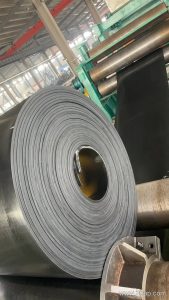
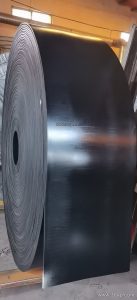
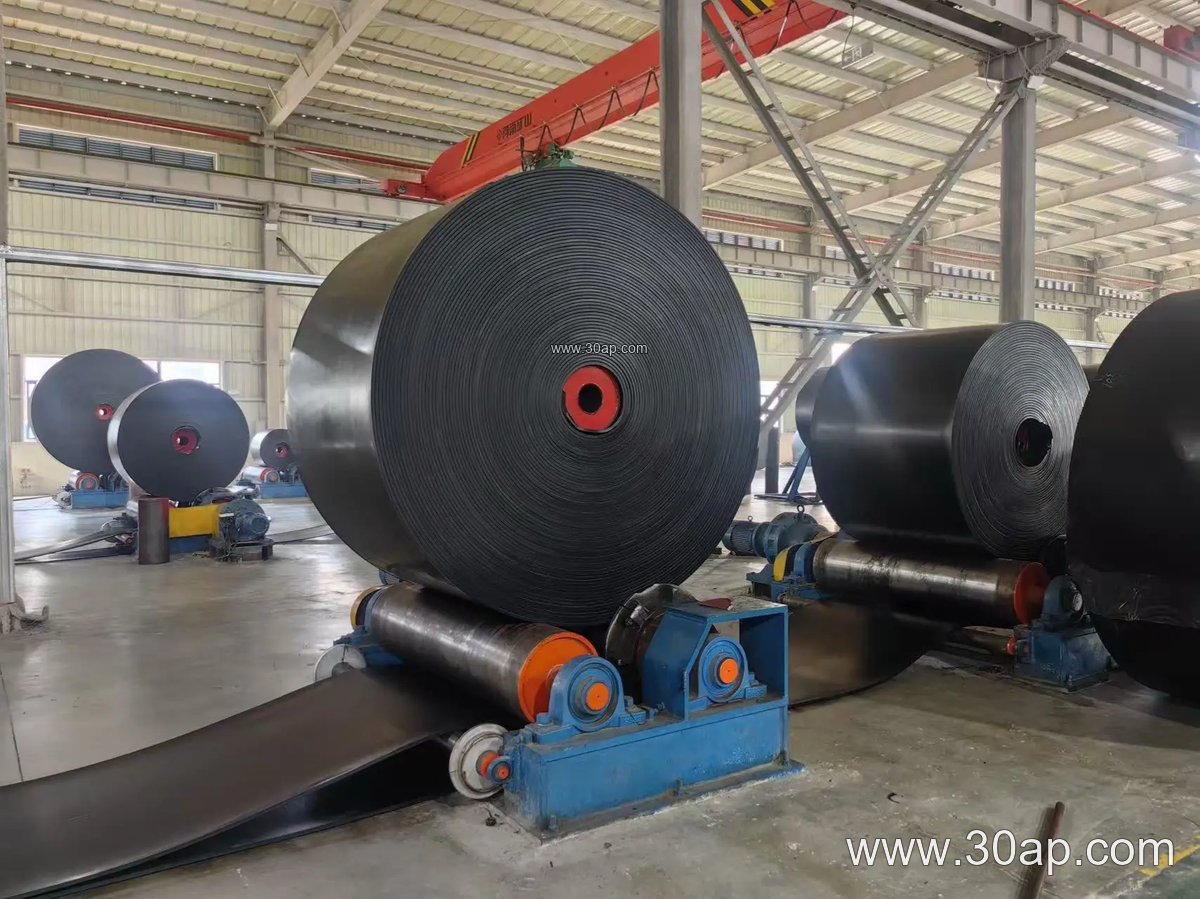
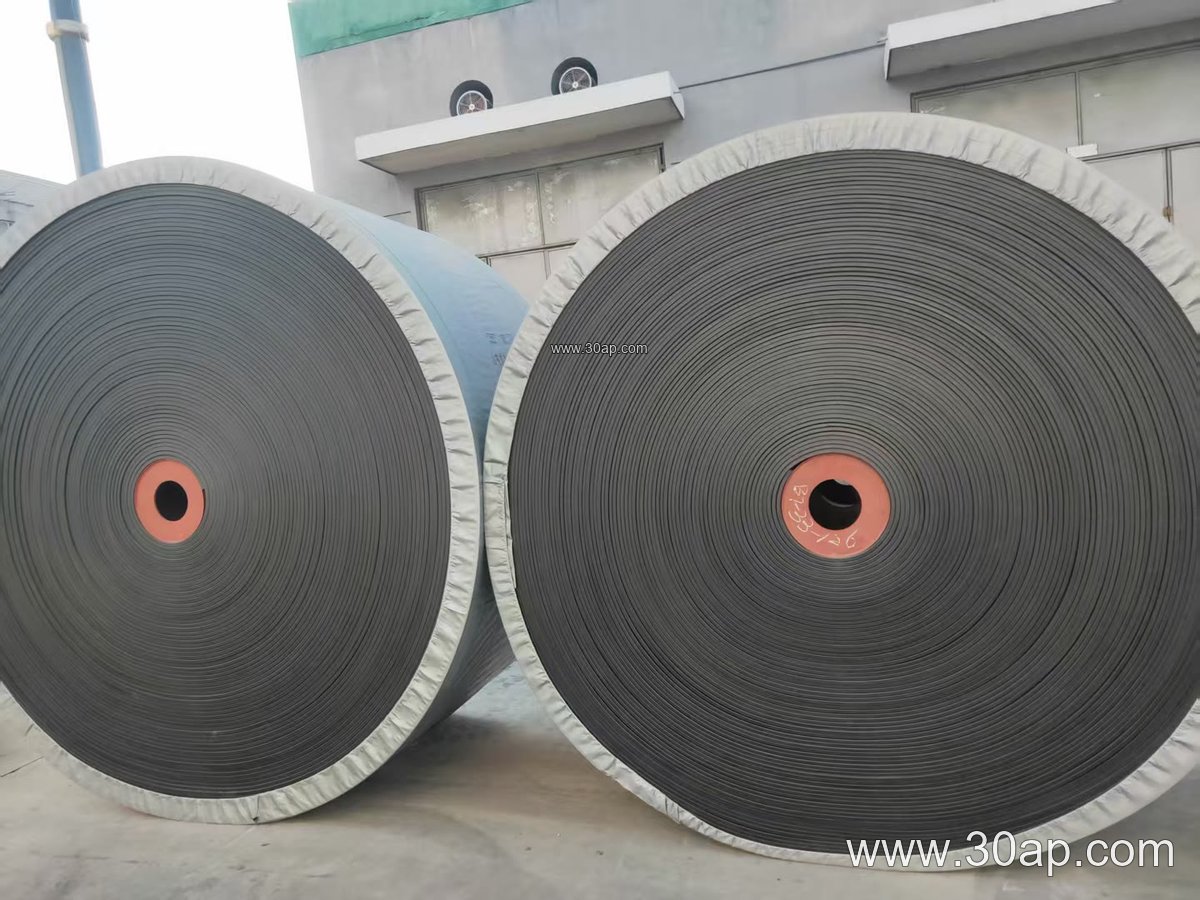
An 800mm belt is built around a carcass that carries the tension and a rubber cover that protects the carcass from the material. The carcass may be fabric or steel cord. Fabric cores are common in this width because they handle moderate tensions and are easier to splice on site. Steel cord belts are used when the conveyor is long or the tonnage is high. Cover thickness and compound quality determine how well the belt resists abrasion, heat, oil, or flame. Buyers often see cover combinations such as 4+2 mm, 5+2 mm, or 6+2 mm, and carcass constructions from 2 to 6 plies, depending on the design.
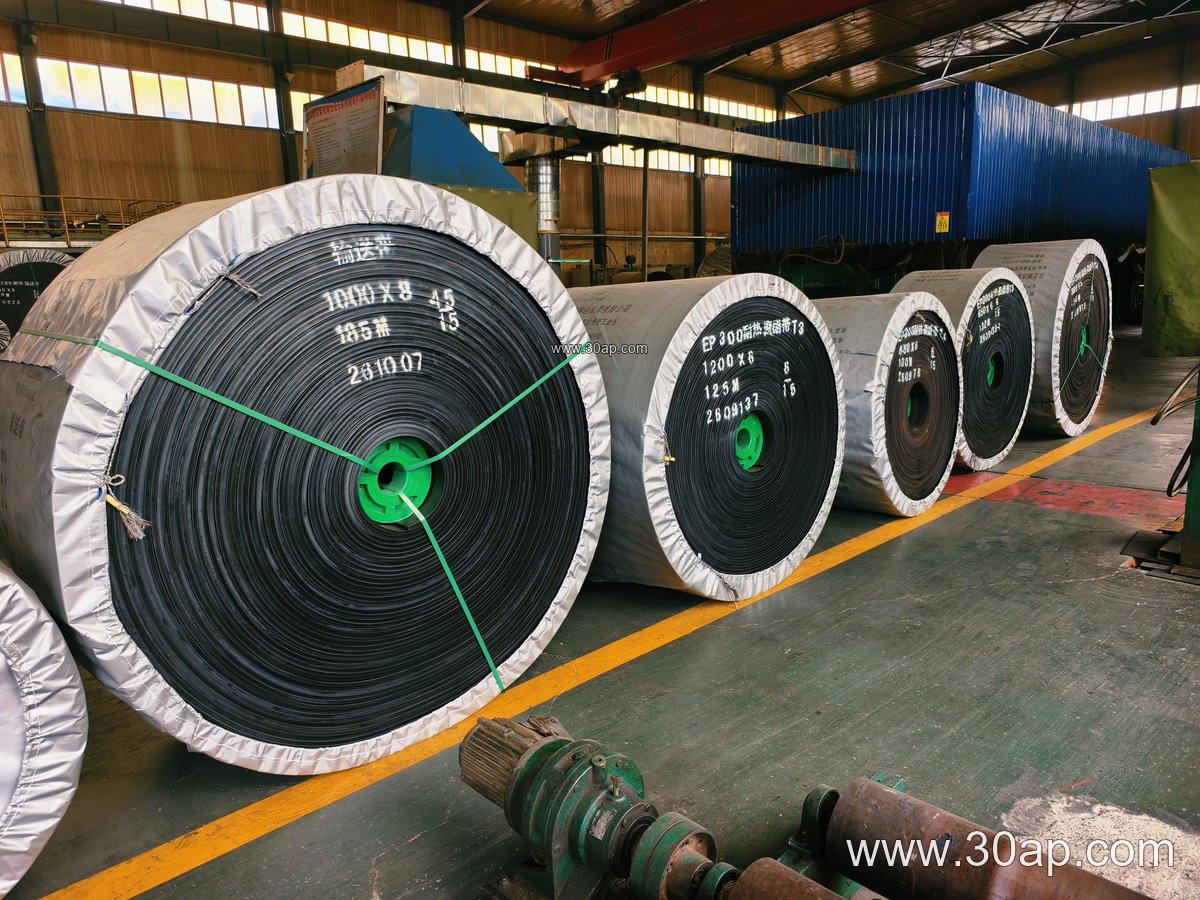
The table below shows typical reference values for an 800mm belt. These are common ranges, not fixed rules, and actual supply will vary by manufacturer and application.
| Parameter | Common Reference |
|---|---|
| Belt width | 800 mm (B800) |
| Carcass type | EP fabric, NN fabric, steel cord, PVC/PVG solid woven |
| Fabric strength grades | EP200, EP315, EP400, EP500, EP630, EP800 |
| Number of plies | 2 to 6 (fabric core) |
| Top cover thickness | 3 mm to 8 mm |
| Bottom cover thickness | 1.5 mm to 3 mm |
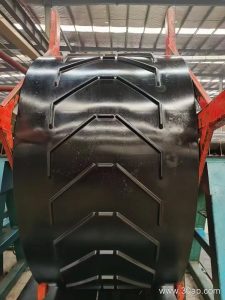
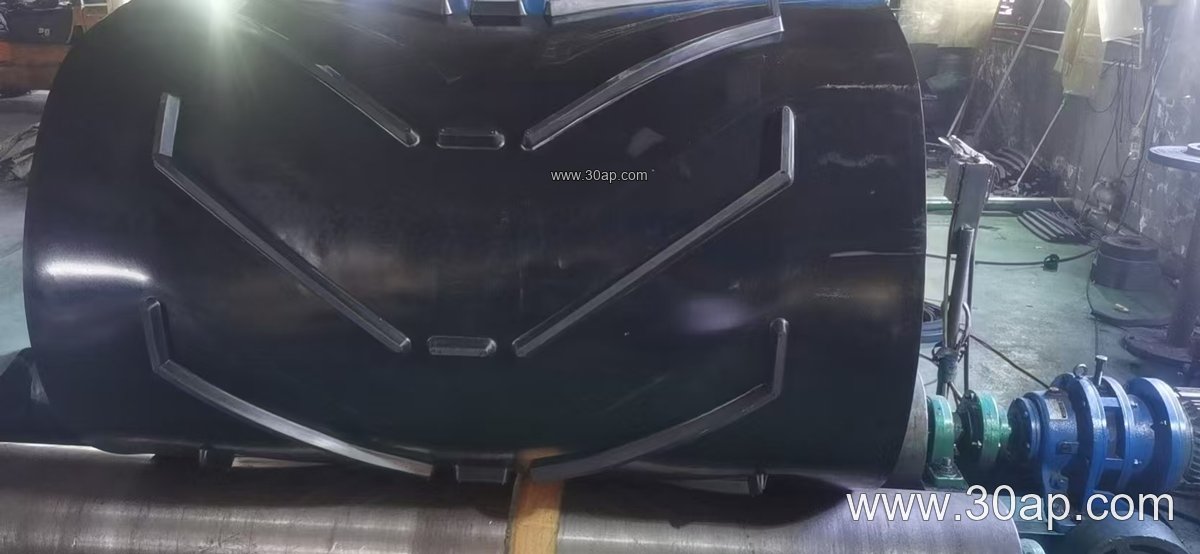
| Surface options | Smooth, chevron, corrugated sidewall, skirted |
For abrasive rock and ore, an abrasion resistant conveyor belt with a thicker cover is often specified. In coal mining, a flame retardant conveyor belt or fire resistant conveyor belt is typical, and anti-static properties are usually required underground. Cement plants and power plants may need heat resistant conveyor belt grades for clinker or ash. Food and recycling lines may use a food grade or oil resistant conveyor belt. The 800mm width is available in these constructions, but the exact grade should be matched to the duty.
Where 800mm Belts Are Used
This width appears in many bulk material handling circuits:
- Mining and coal – underground mining conveyor belt and coal mining conveyor belt systems often use 800mm fabric or PVG belts for gate roads and secondary haulage.
- Quarry and aggregate – quarry conveyor belt and crusher conveyor belt lines use 800mm belts to move crushed stone and sand.
- Cement and power – cement plant conveyor belt and power plant conveyor belt systems handle limestone, clinker, and ash.
- Ports and bulk terminals – ship loading and stockyard conveyors may use this width for medium-capacity lines.
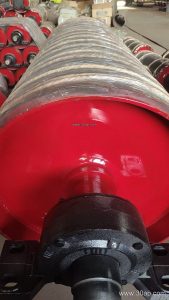
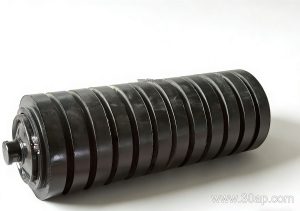
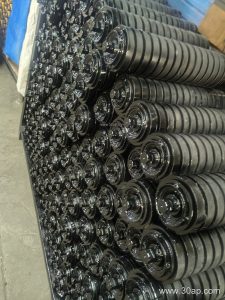
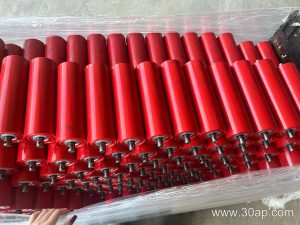
In these settings, the belt runs over idler rollers and around conveyor pulleys. Drive pulleys, tail pulleys, and bend pulleys each do a different job, and they are not interchangeable. The belt also sits on conveyor brackets that hold the idlers in alignment. A well-matched support system reduces wear and keeps the belt tracking straight.
Buyer Checklist for an 800mm Belt
Before ordering, confirm the following:
- Material and duty – what is carried, lump size, temperature, oil or chemical exposure, and whether flame resistance is needed.
- Tension and strength – the required working tension will point to an EP200, EP315, EP400, or higher grade, or to a steel cord construction if tensions are high.
- Cover thickness – match top and bottom cover to abrasion, impact, and pulley contact. A 4+2 mm cover is common; heavier covers suit abrasive rock.
- Surface form – smooth for general use, chevron for inclined sections, corrugated sidewall or skirted for steep inclines and contained loads.
- Splicing – decide between mechanical and vulcanized splicing based on belt type and site conditions.
- Pulley and idler compatibility – the 800mm width does not fix a pulley diameter or shaft size. Confirm these with the conveyor designer.
For a reliable quote, provide the belt width, carcass type and grade, cover thickness, and any special properties such as heat, oil, or flame resistance. An 800mm conveyor belt is a versatile component, but its performance depends on matching the construction to the actual load and environment.