What an Adjustable Conveyor Bracket Does
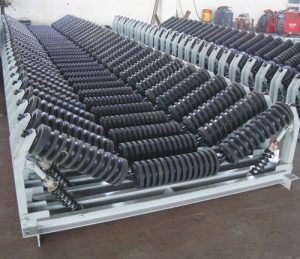
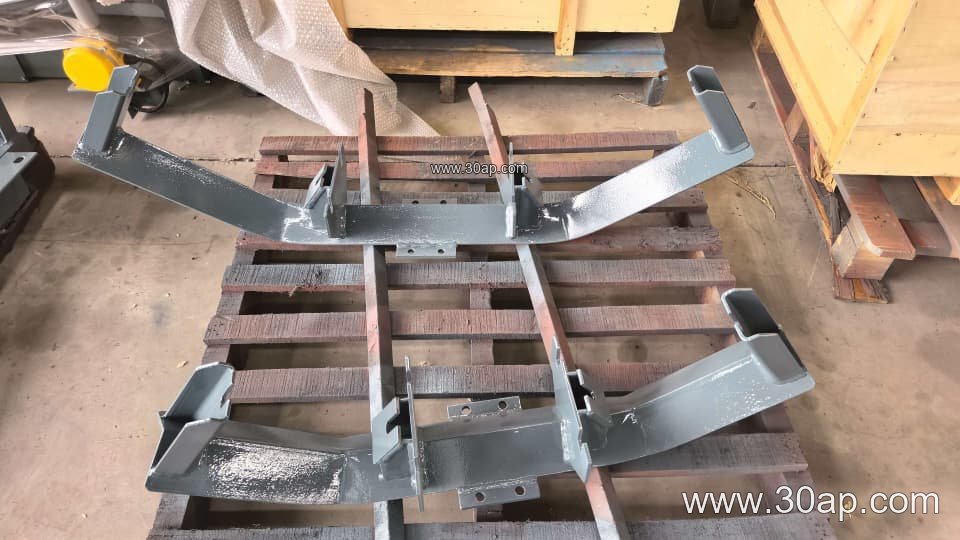
An adjustable conveyor bracket is the support component that holds idler rollers at a chosen trough angle along a belt conveyor. Instead of welding a fixed frame at one angle, this bracket lets maintenance teams change the trough profile to suit the material being carried. On a quarry conveyor belt line, for example, a wider trough may reduce spillage on coarse rock, while a flatter setting may help with a loaded belt that tracks poorly. The bracket is a structural part, not a rotating part, so its job is to keep the idler roller in the right position under load.
Construction and Materials
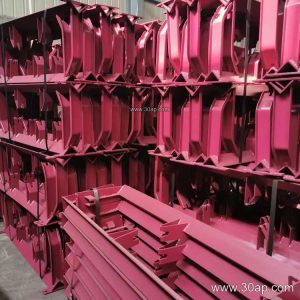
Most units are fabricated from angle steel, channel steel, or bent steel plate. The frame usually has slotted or multi-hole mounting positions so the side rollers can be set at different angles. Common adjustable ranges cover 20, 30, 35, and 45 degrees, and a small forward tilt of about 1.5 to 2 degrees is sometimes built in to help belt tracking. Bolt holes and crossbeam length vary with belt width and trough angle, so they are determined by design rather than fixed numbers.
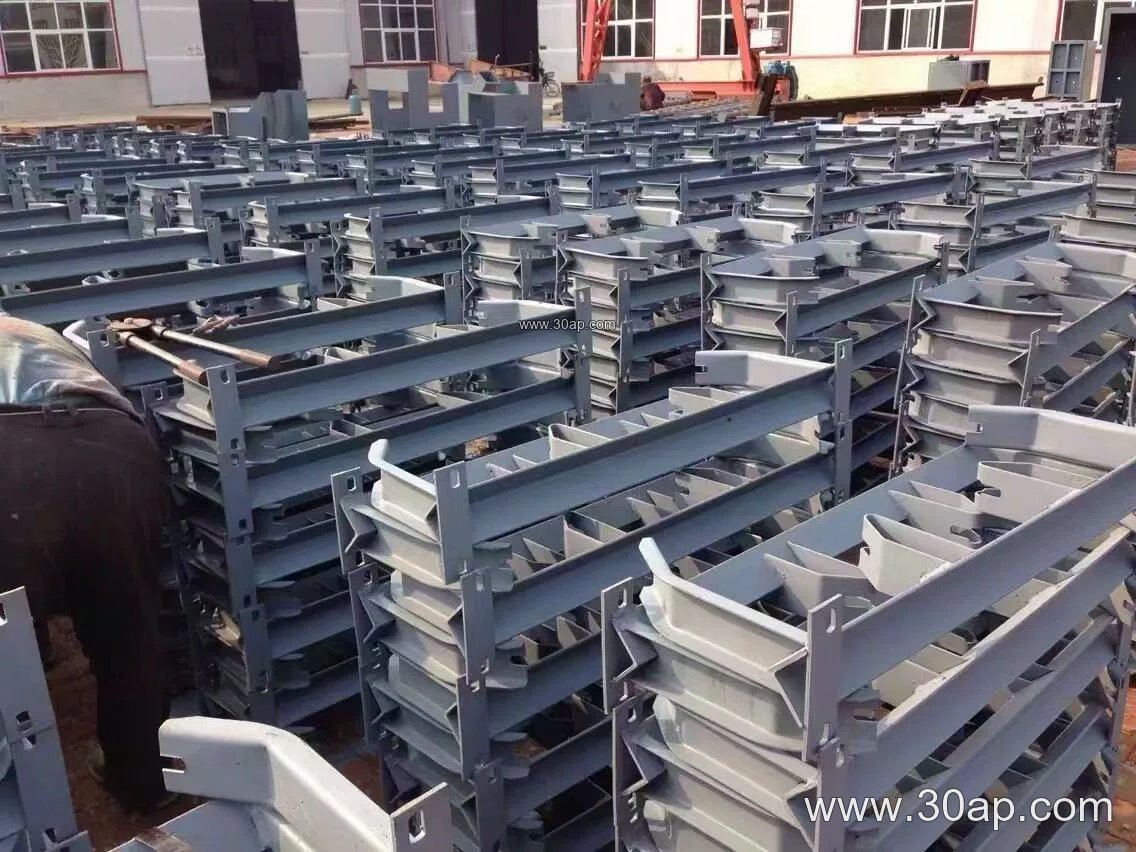
- Fabricated frame in angle or channel steel
- Slotted or multi-position roller seats
- Adjustable trough angle settings
- Optional forward tilt for tracking
Where It Fits on the Conveyor
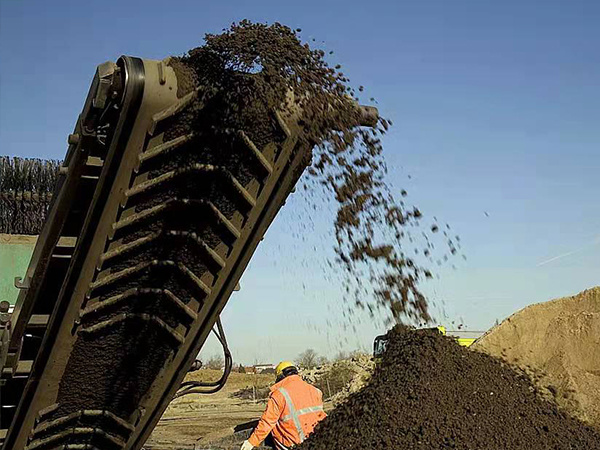
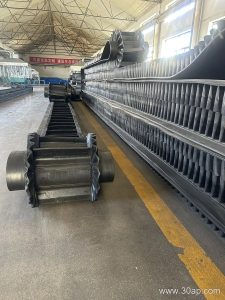
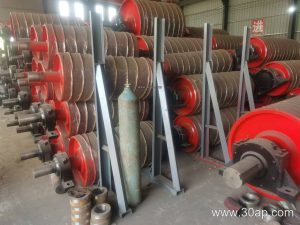
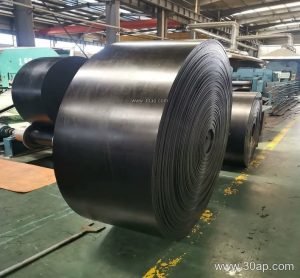
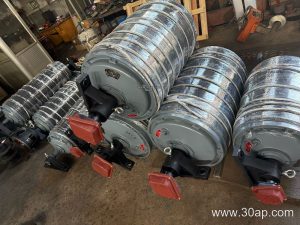
The bracket normally sits on the carrying side, supporting the troughing idlers that shape the belt. It is common in crushing and screening plants, cement plants, and power plant coal handling, where the same conveyor may run different materials over its life. It also appears in sand and gravel lines and in load-out areas of a port. On the return side, a fixed or V-type bracket is more usual, so the adjustable unit is mainly a carrying-side component. It works together with the conveyor belt, idler roller, and conveyor pulley, but it does not replace any of them.
Adjustable Versus Fixed Brackets
A fixed bracket locks the idlers at one angle for the life of the installation. An adjustable conveyor bracket costs a little more but allows the trough to be tuned after commissioning. This matters when a belt is upgraded, when material size changes, or when a new transfer point causes off-centre loading. For a heavy-duty mining conveyor belt carrying large lump ore, a steeper trough is often preferred, while a flatter profile may suit a wide, fast-running belt. Adjustment should be made with the belt stopped and the frame re-torqued afterwards.
Typical Reference Combinations
The values below are common reference points, not universal rules. Belt width, trough angle, and roller diameter are selected together with the conveyor design.
| Belt Width | Trough Angle | Roller Diameter |
|---|---|---|
| B650 | 30 degrees | Ø89 |
| B800 | 35 degrees | Ø108 |
| B1000 | 35 degrees | Ø108 |
| B1200 | 45 degrees | Ø133 |
| B1400 | 45 degrees | Ø159 |
Wider belts such as B1600 or B1800 usually call for heavier frames and larger rollers, but the exact match is set by the conveyor designer. A bracket sized for a 650mm belt should not be used on a 1200mm belt.
Buyer Checklist
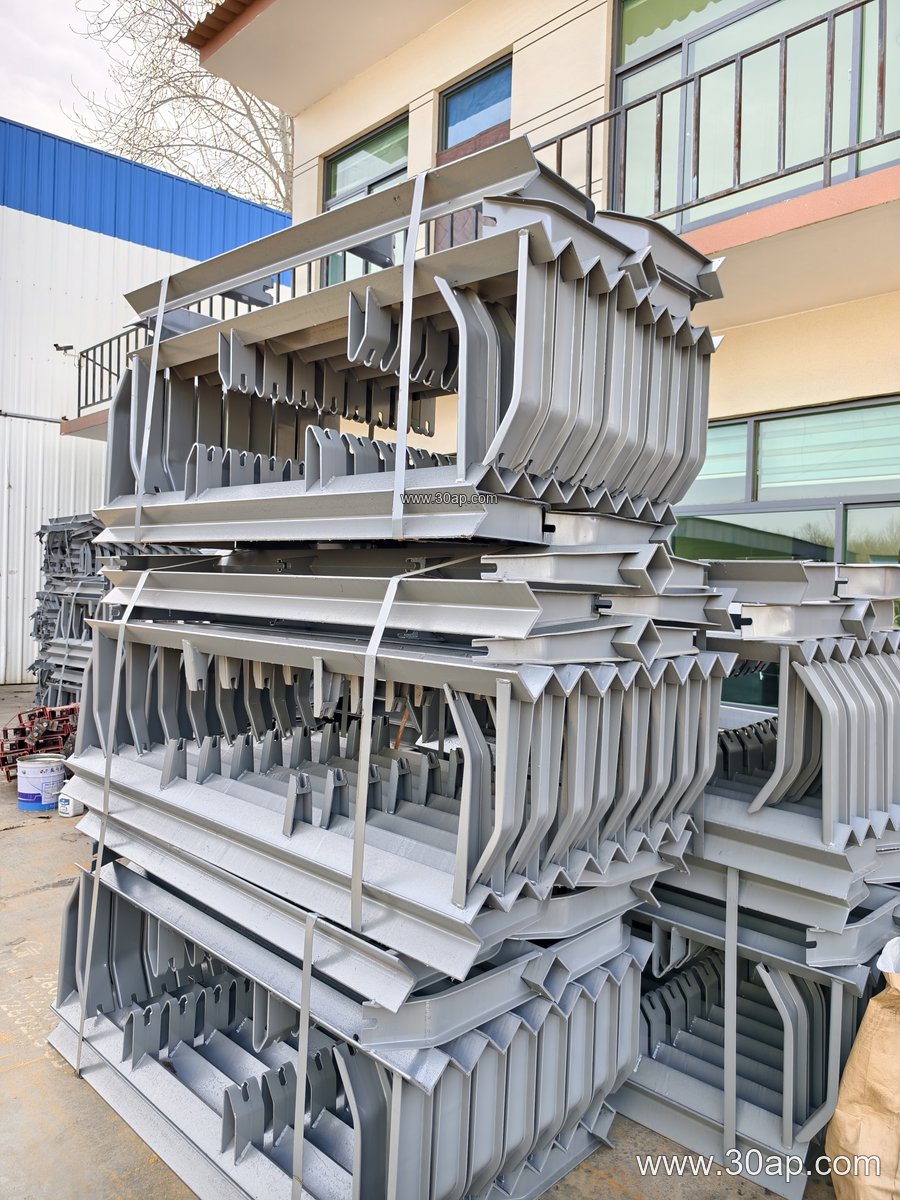
- Confirm belt width and the required trough angle range.
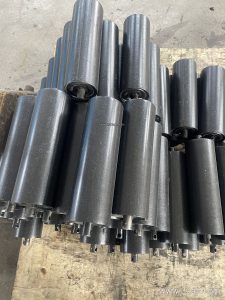
- Match the roller seat to the idler roller diameter.
- Check mounting hole spacing against the existing conveyor stringer.
- Confirm steel thickness and finish for the site environment.
- Ask whether forward tilt is needed for belt tracking.
- Plan for re-torque and inspection after the first weeks of running.
For abrasive duty such as iron ore or quarry rock, an abrasion resistant conveyor belt reduces wear on the belt itself, but the bracket still needs a robust frame to hold alignment. In coal mining, a flame retardant conveyor belt is often specified, and the bracket should be checked for clearances around the idlers. Buyers comparing suppliers should ask for drawings that show the adjustment range and hole pattern, since these details decide whether the part fits an existing conveyor.
Maintenance is simple: inspect for bent frames, loose bolts, and seized adjustment slots, and clean out packed material that can stop the bracket from moving. A well-chosen adjustable conveyor bracket keeps the trough correct as operating conditions change, supporting the belt, the idler roller, and the overall conveyor pulley alignment.