What a Coal Mine Belt Conveyor Pulley Does
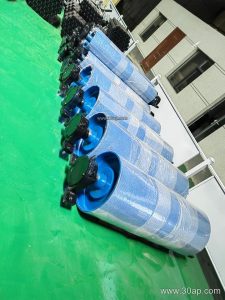
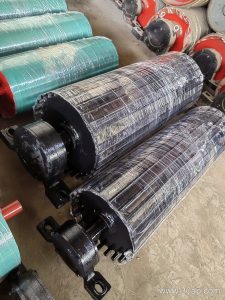
In a coal mine, a belt conveyor pulley is the cylindrical component that drives, tensions, or redirects the conveyor belt. It is not a single item but a family of pulleys, each with a defined role. The drive pulley, often called the head pulley, transmits power to the belt. The tail pulley sits at the loading end and helps maintain belt tension. Bend pulleys change the belt path without driving it, and take-up pulleys keep tension steady as the belt stretches. These names are not interchangeable—each position has its own load profile and design priorities.
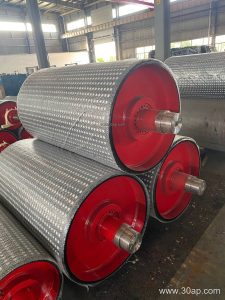
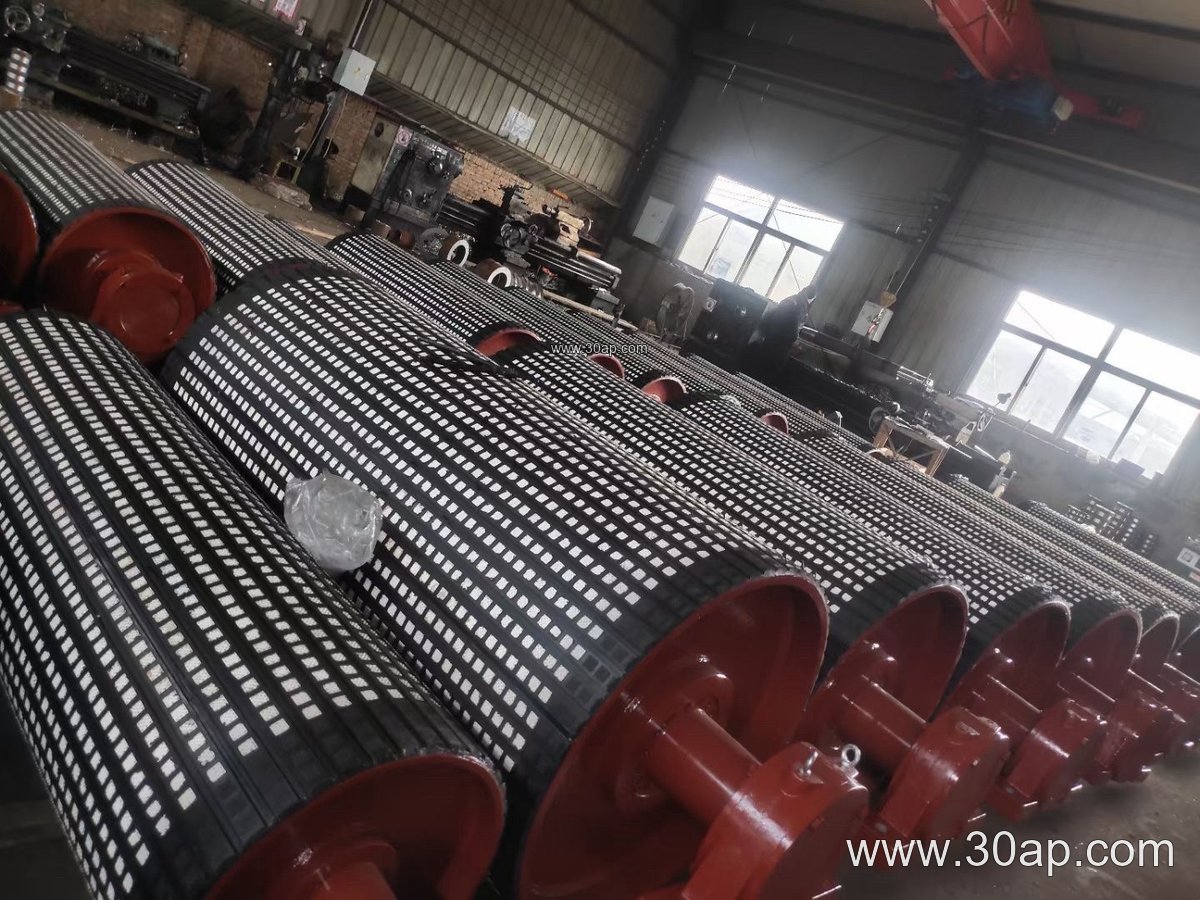
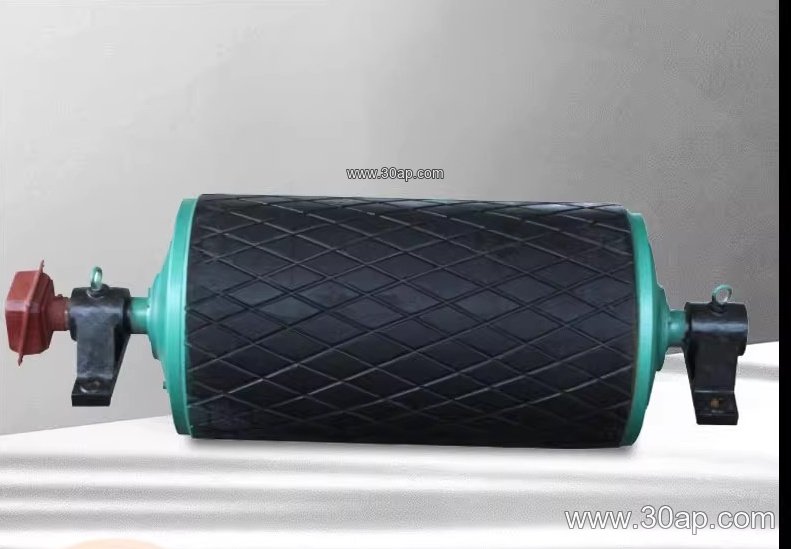
Because coal handling is abrasive and often dusty, the pulley must be robust. A typical coal mine belt conveyor pulley consists of a cylindrical shell, a shaft, end discs, and a hub connection. The shell is usually made from rolled steel, and the shaft is sized by torque and radial load, not by belt width alone. Common shaft diameters range from Ø50 to Ø200 mm, but the final value depends on the conveyor’s power and tension. The pulley surface may be plain, or it may be covered with rubber, ceramic, or diamond-pattern lagging to improve grip and reduce belt slip.
Construction Details That Matter Underground
Underground coal mining conveyors face tight spaces, high humidity, and the risk of fines buildup. A well-built pulley uses sealed bearings and a sturdy hub to keep dust out. The shell thickness and end-disc welding are critical for fatigue life. For heavier loads, a steel cord conveyor belt may be used, and the drive pulley must handle higher tension without shell deformation. In contrast, a fabric core conveyor belt such as an EP conveyor belt or NN conveyor belt may demand less absolute tension but still requires reliable lagging to avoid slip.
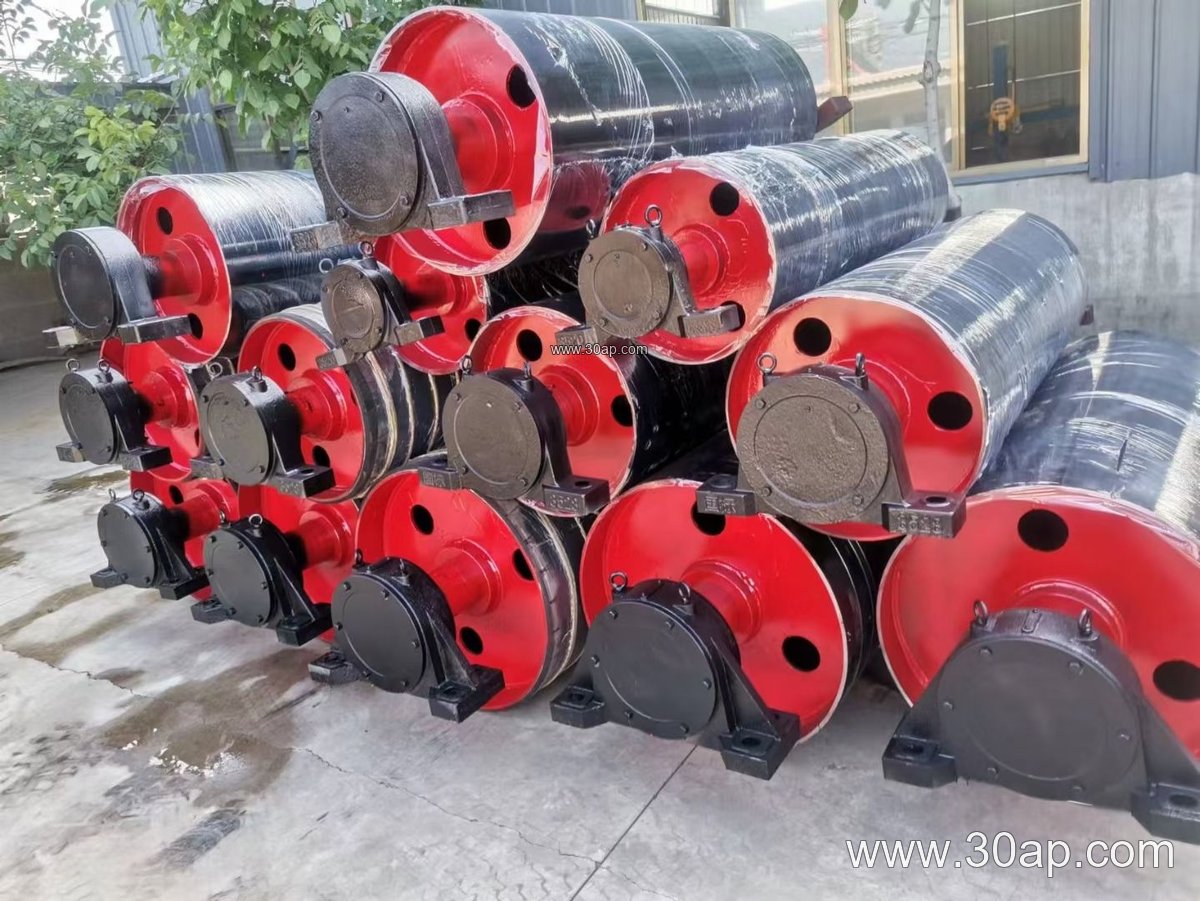
Lagging choices are often tied to the application. Diamond groove lagging helps shed water and fines, which is useful in a wash plant or a coal preparation plant. Plain rubber lagging is common for general service. Ceramic lagging offers high abrasion resistance where the belt is heavily loaded and slip is a concern. Common lagging thicknesses are 8, 10, 12, 15, and 20 mm. The pulley face width is normally wider than the belt—for example, a B800 belt often pairs with a pulley face around 950 mm, and a B1200 belt with a face around 1400 mm. These are reference relationships, not fixed rules.
Where These Pulleys Are Used
Coal mines are the primary setting, but the same pulley designs appear in related bulk material handling. In a coal-fired power plant, the coal handling conveyor uses drive and bend pulleys to move fuel from stockpile to bunker. In a cement plant, raw material and clinker conveyors rely on similar pulleys, often with abrasion resistant lagging. A quarry or aggregate line may use a heavy-duty mining conveyor pulley with a thicker shell. The product stays a coal mine belt conveyor pulley, but its service conditions vary with the site.
For underground coal mining, flame retardant conveyor belts and anti-static belts are common, and the pulley must be compatible with those belt properties. In a coal preparation plant, water and fines are present, so drainage-friendly lagging and sealed bearings are preferred. The pulley also works with conveyor idler rollers and conveyor brackets to keep the belt aligned and supported. A misaligned pulley can cause belt edge damage, so proper installation and regular inspection are essential.
How to Match a Pulley to the Conveyor
Buyers should start with the belt width and the required tension. A common mistake is to assume that one belt width only matches one pulley diameter. In practice, a B1000 belt might run on a Ø800 drive pulley in one conveyor and a Ø1000 pulley in another, depending on power and belt type. The shaft diameter must be calculated from the actual torque and bending load. Typical shaft sizes include Ø80, Ø100, Ø120, and Ø140 mm, but these are examples, not prescriptions.
When selecting a coal mine belt conveyor pulley, consider the following:
- Position: drive, tail, bend, or take-up. Each has different load and slip requirements.
- Lagging: plain, rubber, diamond, or ceramic. Match to wet, abrasive, or high-traction needs.
- Bearing type: sealed for dusty or wet conditions.
- Shell and shaft: sized for the conveyor’s design tension and torque.
- Belt compatibility: ensure the pulley face width and lagging suit the conveyor belt, whether it is a steel cord conveyor belt or a multi-ply fabric core conveyor belt.
For a new project, provide the belt width, belt type, motor power, and desired pulley position to the supplier. A pulley that is too small in diameter can cause excessive belt flex and reduce belt life, while an oversized pulley may add unnecessary cost and space. The goal is a balanced design that fits the conveyor’s profile and the mine’s operating conditions.
Maintenance and Replacement Notes
Inspect lagging for wear, cuts, and glazing. Worn lagging reduces grip and can lead to belt slip, especially in wet coal. Check bearing seals for leakage and listen for unusual noise. When replacing a pulley, verify the shaft diameter and keyway dimensions match the new unit. Keep a spare drive pulley or bend pulley on hand for critical conveyors to reduce downtime. For harsh environments, ceramic lagging may extend service life, but it should be specified based on actual abrasion levels rather than as a default.
Whether the site is a coal mine, a power plant, or a cement works, the coal mine belt conveyor pulley remains a key link between the drive system and the conveyor belt. Selecting the right subtype, surface, and dimensions pays off in reliable transport and lower maintenance.