What a Heavy-Duty Conveyor Belt Is
A heavy-duty conveyor belt is a reinforced rubber belt engineered to carry dense, sharp, and abrasive bulk materials over long distances and through demanding cycles. Unlike a light general-purpose belt, this class of belt combines a strong tensile carcass with thick covers so that it can resist cutting, impact, and flex fatigue in mines, quarries, cement works, power stations, and port terminals. Buyers often meet it under the equivalent name heavy-duty rubber conveyor belt, and both terms describe the same product family.
Construction and Reinforcement
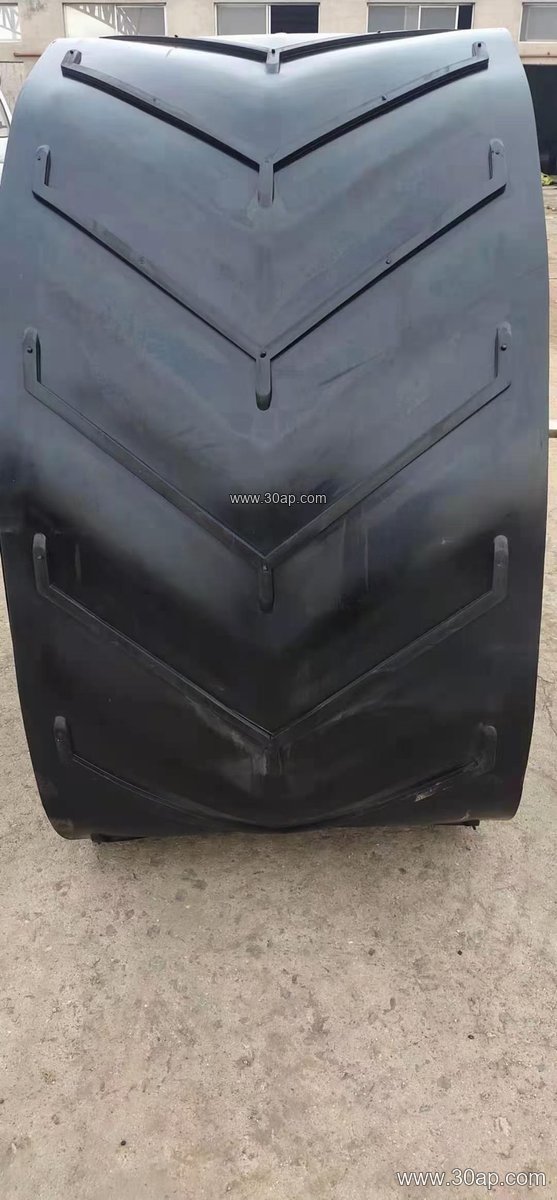
The carcass provides strength and dimensional stability. Common options include multi-ply fabric cores such as EP (polyester-nylon) and NN (nylon-nylon) constructions, and steel cord designs for very high tension and long center distances. Cover compounds are selected for the duty: abrasion resistant grades for crushed rock, heat resistant grades for clinker and sinter, flame retardant grades for coal, and oil resistant grades where lubricants or oily feedstock are present.
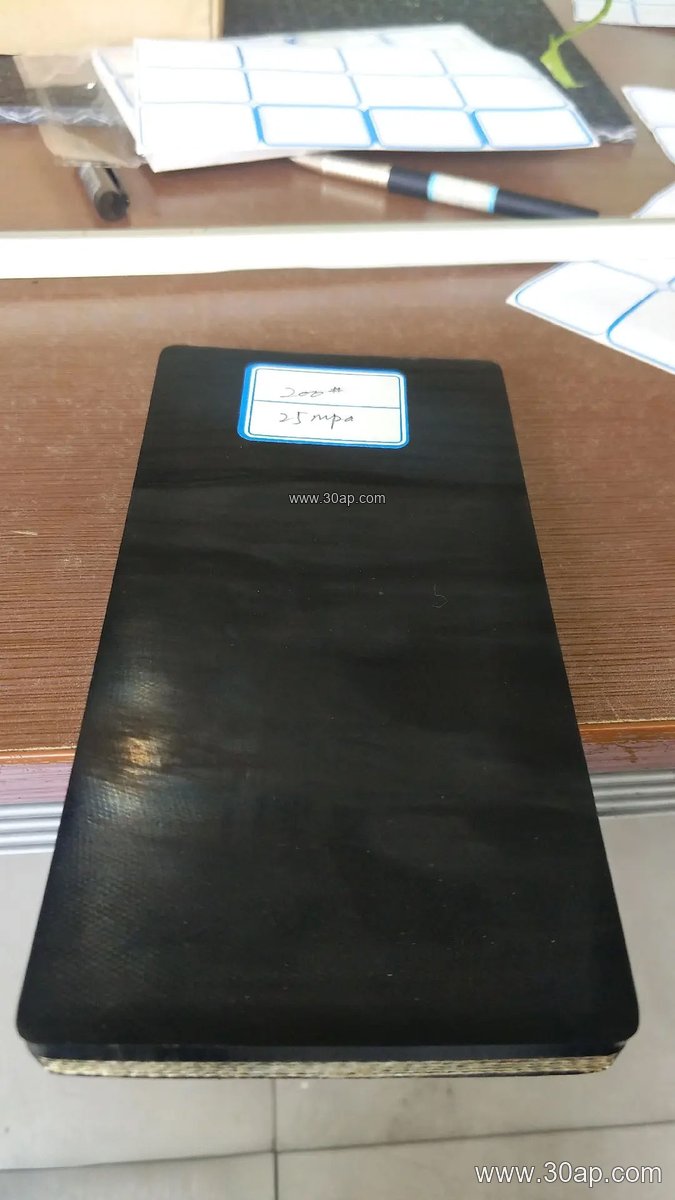
Typical reference values, which vary by manufacturer and should be confirmed per project, are shown below.
| Parameter | Common Reference Range |
|---|---|
| Fabric core types | EP200, EP315, EP400, EP500, EP630, EP800, EP1000, EP1250 |
| Steel cord grades | ST1000, ST1250, ST1600, ST2000 |
| Belt width | B650, B800, B1000, B1200, B1400, B1600, B1800 |
| Cover thickness | 4+2 mm, 5+2 mm, 6+2 mm, 8+3 mm |
| Carcass plies | 2 to 6 plies, depending on tension |
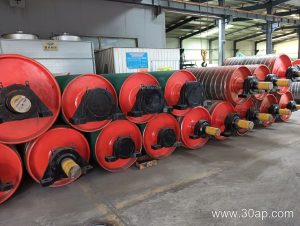
These figures are reference data, not universal specifications, and a single belt width does not dictate one pulley diameter. Drive, tail, and bend pulleys each serve different roles and are sized by the conveyor designer.
Where It Works
Heavy-duty belts appear across a wide spread of industries. In mining and coal preparation, flame retardant and anti-static grades are usual. In cement plants, heat resistant belts handle clinker while abrasion resistant covers move limestone and raw meal. Power plants rely on them for coal and ash, and quarries and aggregate plants use them for crushed stone and sand. Ports and ship loading systems apply wide, high-tension belts for fast transfer of ore and bulk cargo.
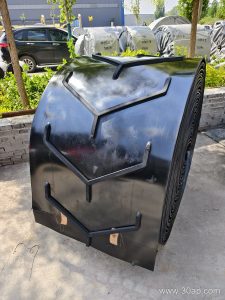
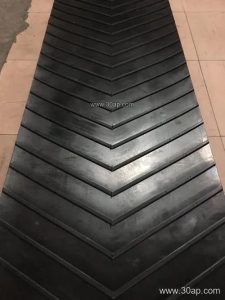
Surface forms are chosen to suit the path. Chevron and patterned belts improve grip on inclines, corrugated sidewall and skirted belts contain material on steep or confined routes, and pipe belts enclose the load for dust control and curved alignment. Each is a distinct subtype serving a specific need, not a substitute for the standard heavy-duty belt.
Matching Belts to the Conveyor
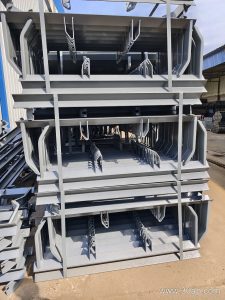
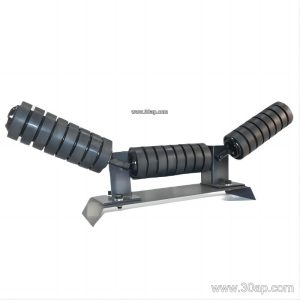
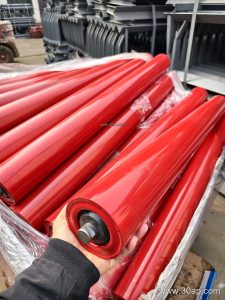
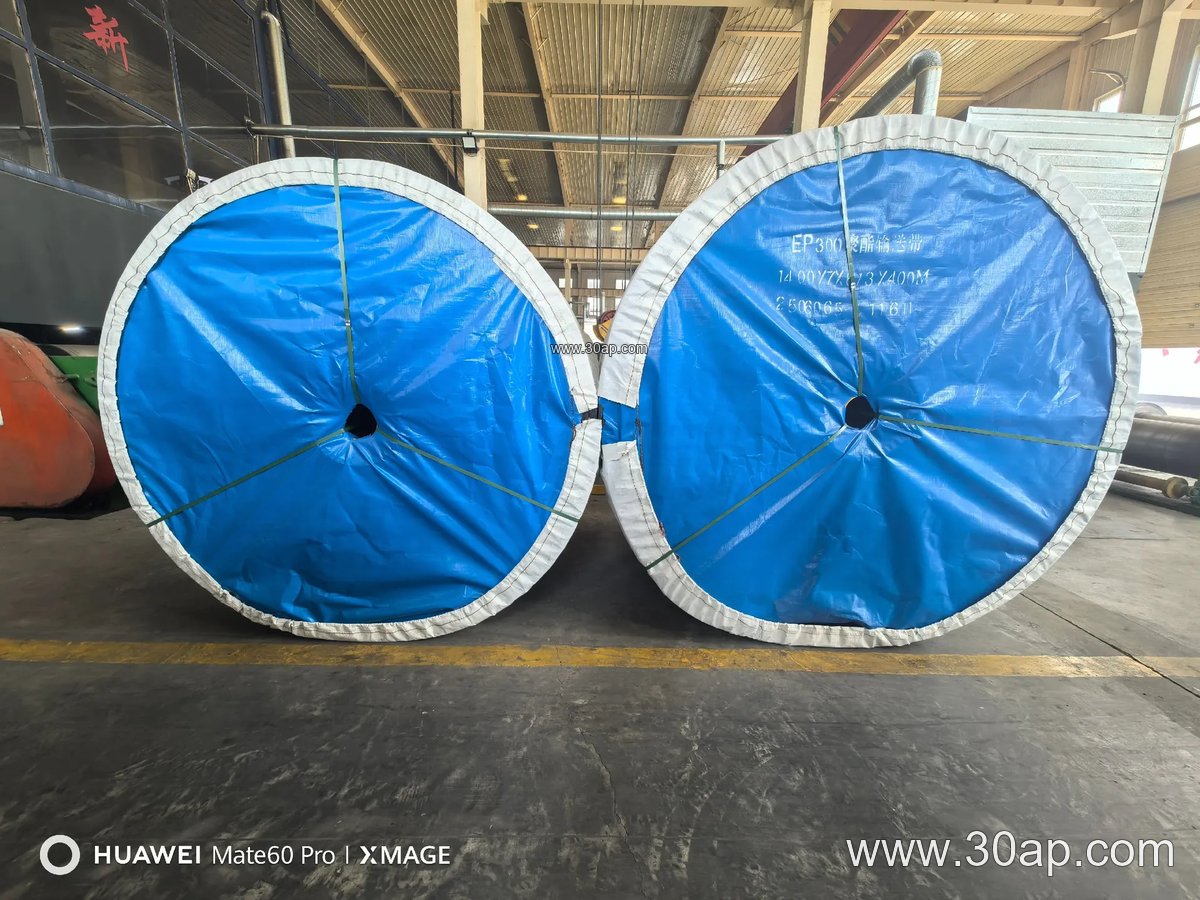
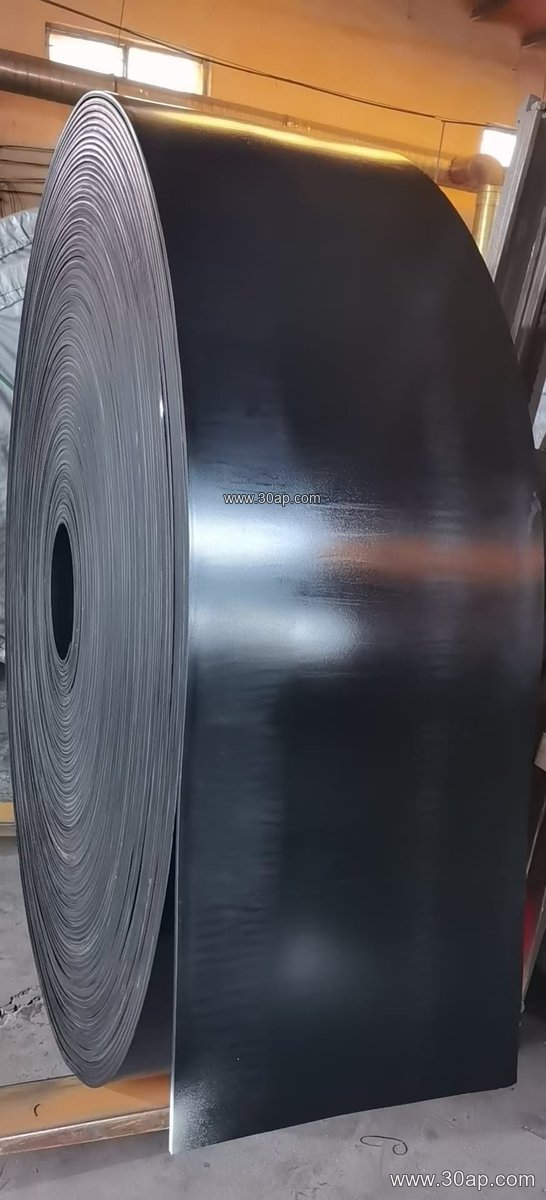
Selection starts with the material: lump size, temperature, moisture, and abrasiveness. Then come the duty cycle, incline, and required tension. A steel cord belt may suit a long overland run, while a multi-ply EP or NN belt often fits shorter or more flexible layouts. The belt works with conveyor pulleys, idler rollers, and conveyor brackets, so alignment and component condition directly affect belt life.
Some practical points for buyers:
- Confirm cover grade against the actual cargo, not just the industry.
- Check tensile grade against the calculated operating tension with a safety margin.
- Review splice method and whether an endless belt is preferred.
- Ask for the manufacturer’s data sheet for each proposed construction.
Care and Longevity
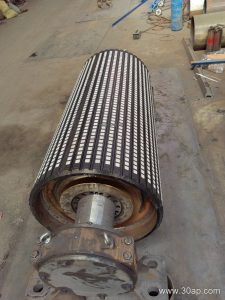
Inspect covers for cuts and embedded material, keep idler rollers turning freely, and check pulley lagging for wear. Misalignment and spillage shorten belt life more than most operators expect. Store spare belts away from heat and sunlight, and follow the maker’s recommendations for tensioning and splicing.
For more on compatible components, see sdbrbelt.com/conveyor-belt and sdbrbelt.com/idler-roller, and for the belt family itself visit sdbrbelt.com/heavy-duty-conveyor-belt. A well-matched heavy-duty conveyor belt, supported by sound rollers and pulleys, keeps bulk material moving through the toughest plants.