What a Conveyor Bracket Is and Why Its Price Varies
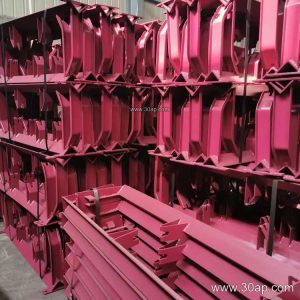
A conveyor bracket is the steel support that holds the idlers in position along a conveyor frame. It is a fabricated part, usually made from angle steel, channel steel, or folded steel plate, and it sits between the conveyor structure and the idler roller. Because it carries the belt load and keeps the idlers aligned, the conveyor bracket price depends heavily on how much steel it contains, how it is formed, and how many mounting holes and adjustment features it needs.
Buyers often compare bracket quotes without comparing what is actually included. Two brackets that look similar online can differ in plate thickness, weld preparation, hole spacing, and surface treatment. Understanding those differences is the fastest way to judge whether a quoted conveyor bracket price is realistic for the job.
Common Bracket Types and How They Affect Cost
Different positions on a conveyor call for different brackets, and each type has its own material and fabrication profile.
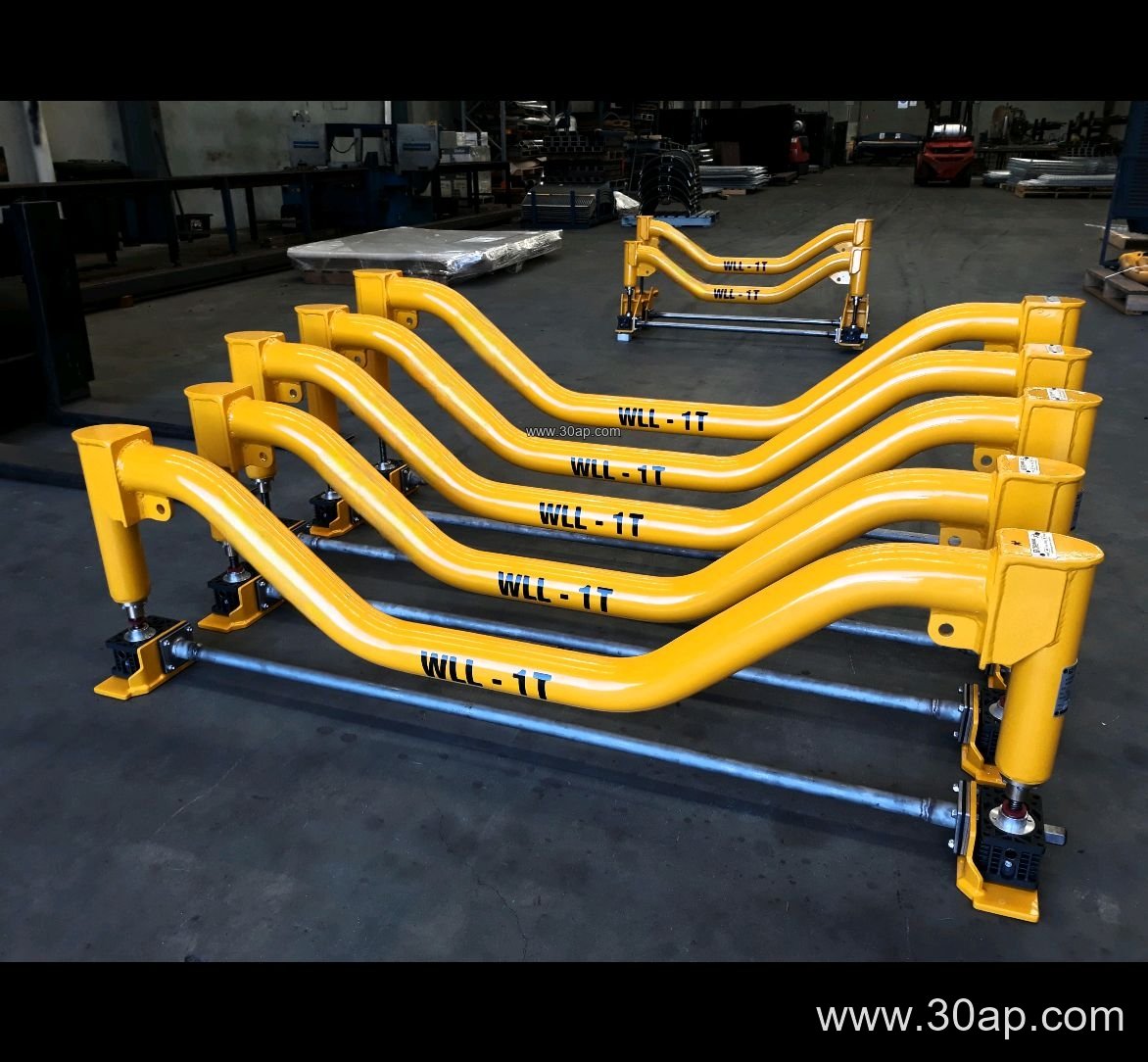
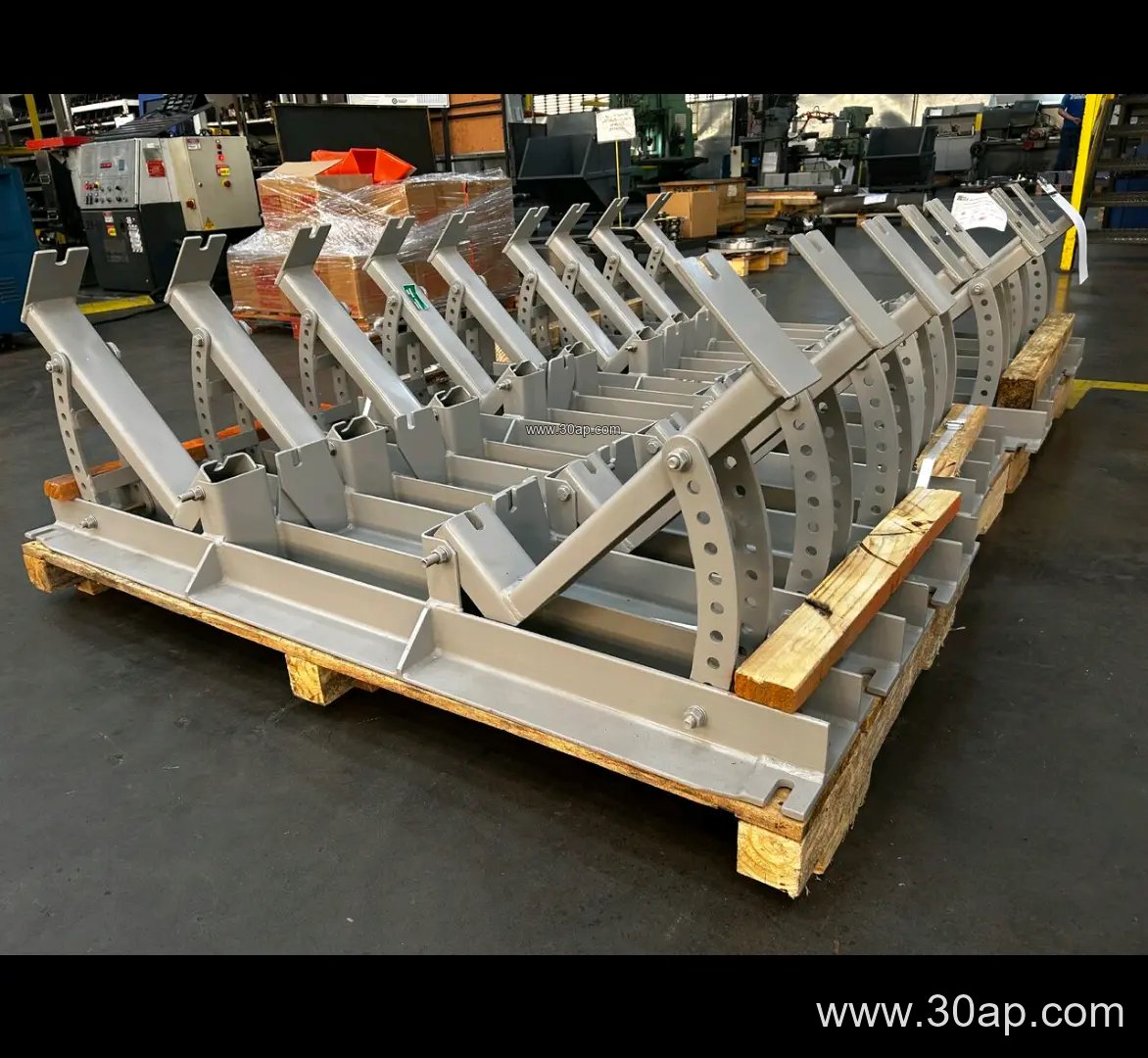
- Troughing brackets and upper trough brackets support the carrying side of the belt, usually at a defined trough angle.
- Transition brackets sit near the head or tail and help the belt move between flat and troughed profiles.
- Return brackets and V-return brackets support the belt on its way back.
- Impact brackets are built heavier for loading points where material falls onto the belt.
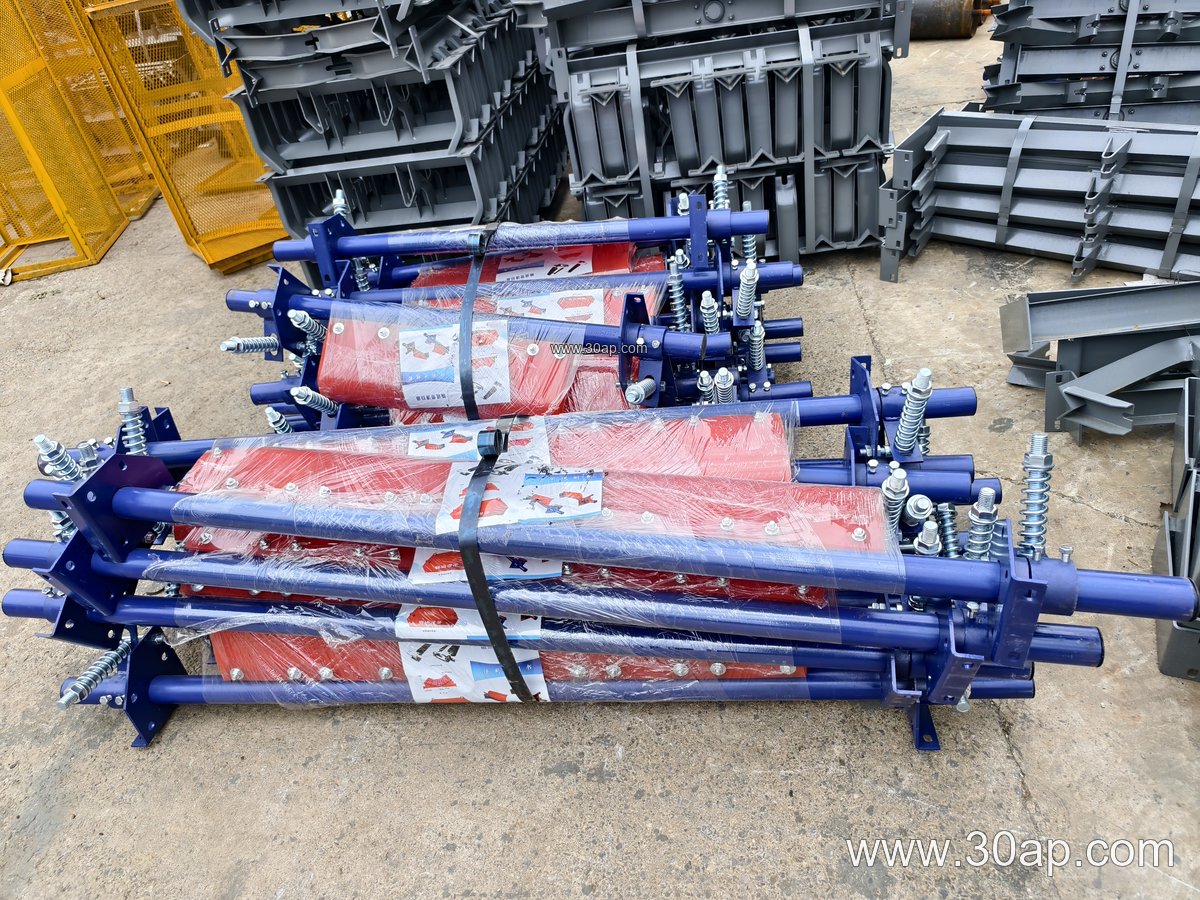
- Self-aligning and forward-leaning brackets add features that correct belt tracking.
- Hanging brackets and adjustable brackets suit structures where alignment must be tuned on site.
Generally, the more bends, holes, and moving parts a bracket has, the higher its cost. A simple fixed upper bracket is usually less expensive than an adjustable self-aligning version of the same belt width.
Materials, Dimensions, and Reference Values
The bracket must match the belt width, trough angle, and idler diameter used on the conveyor. Common belt widths for brackets include B500, B650, B800, B1000, B1200, B1400, B1600, B1800, B2000, B2200. Trough angles are often 20, 30, 35, or 45 degrees, and adjustable brackets can be set between these angles. Idler diameters in common use include Ø89, Ø108, Ø133, Ø159, and Ø194.
| Reference item | Typical range | Note |
|---|---|---|
| Belt width | B500 to B2200 | Match to conveyor design |
| Trough angle | 20, 30, 35, 45 degrees | Adjustable versions vary |
| Idler diameter | Ø89, Ø108, Ø133, Ø159, Ø194 | Depends on load and speed |
| Forward lean | about 1.5 to 2 degrees | Tracking feature |
| Material | Angle, channel, folded plate | By design |
These are reference values, not fixed combinations. A B800 bracket may work with several trough angles and idler diameters depending on the conveyor design. Mounting hole spacing and beam length change with belt width and trough angle, so they should be confirmed from the drawing rather than assumed.
Where Brackets Are Used
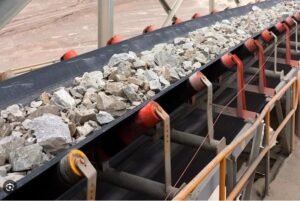
In a quarry or sand and gravel line, brackets hold troughing idlers under a crusher conveyor belt carrying coarse rock. In a cement plant, they support idlers beneath a heat resistant conveyor belt moving clinker and raw material. In a coal handling system at a power plant, flame retardant conveyor belts run over brackets that must stay aligned through long shifts. The same part appears in iron ore terminals, steel plants, and fertilizer warehouses, always as the link between the frame and the roller.
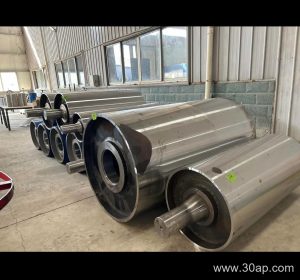
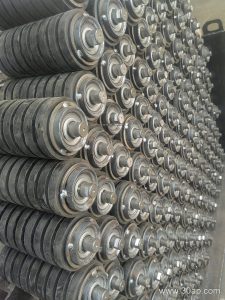
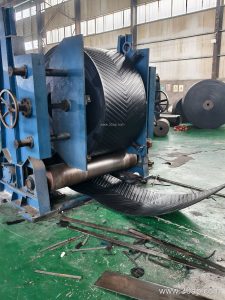
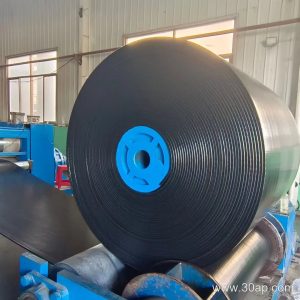
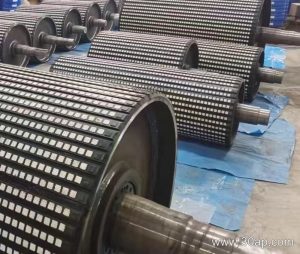
Because the bracket works together with the conveyor belt, idler roller, and conveyor pulley, a mismatch at this small part can cause belt misalignment and uneven wear. That is why price should never be judged alone.
What Drives the Quoted Price
Several factors shape a fair conveyor bracket price. Steel grade and thickness are the largest contributors. Forming method matters too: a folded plate bracket with clean bends may cost more than a simple welded angle frame but can offer better consistency. Hole punching, drilling, and jig-based welding add labor. Hot-dip galvanizing or painting adds surface protection cost, which is worthwhile in wet or corrosive settings.
Order quantity also changes the unit price. A run of standard brackets for a B1000 conveyor is usually cheaper per piece than a small batch of custom adjustable brackets. Buyers should ask for the drawing, material specification, and surface treatment in writing so quotes can be compared fairly.
Buying Tips
- Confirm belt width, trough angle, and idler diameter before requesting a price.
- Ask whether the bracket is fixed or adjustable, and how much adjustment is provided.
- Check plate thickness and steel type rather than judging by appearance.
- Request mounting hole spacing from the drawing, not from a catalog photo.
- Consider the environment: dusty, wet, or corrosive sites may justify better coating.
A well-chosen bracket protects the idlers and the belt, and a clear understanding of what the conveyor bracket price includes helps buyers avoid both cheap parts that fail early and overpriced parts that add no value.