What Makes an Anti-Static Conveyor Belt Different
An anti-static conveyor belt is a rubber or fabric-reinforced belt designed to dissipate static electricity rather than allowing it to accumulate on the belt surface. In mining, coal preparation, cement plants, power stations, and aggregate yards, moving dry bulk materials can generate significant electrostatic charge. If that charge builds up on a standard belt, it can create sparks, interfere with sensors, or attract dust in ways that raise fire and explosion risks. The anti-static conveyor belt addresses this by incorporating conductive compounds or carbon black in the cover rubber and, in some constructions, conductive fibers in the carcass. The result is a controlled path for static to bleed away through the conveyor frame and grounding points.
Construction and Common Configurations
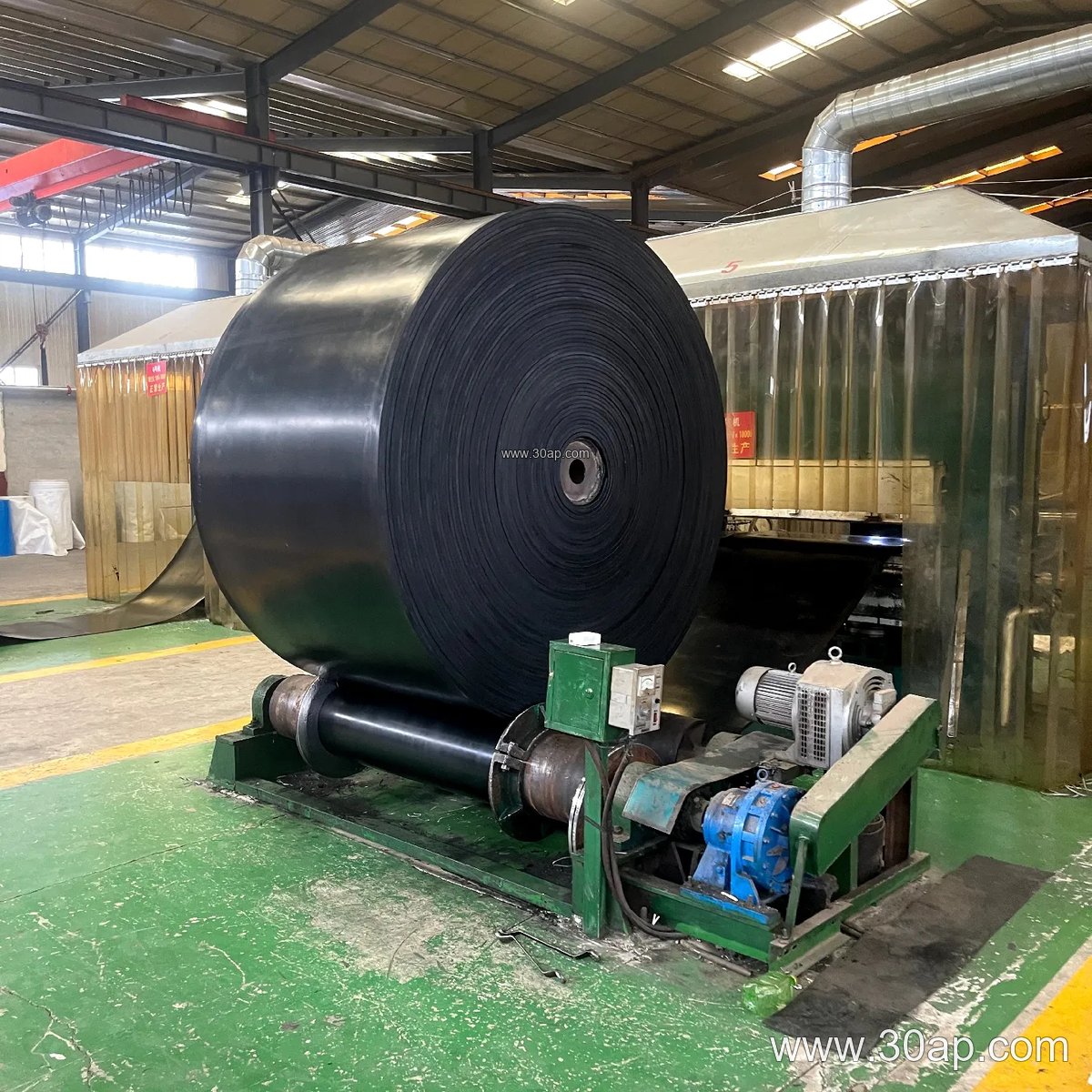
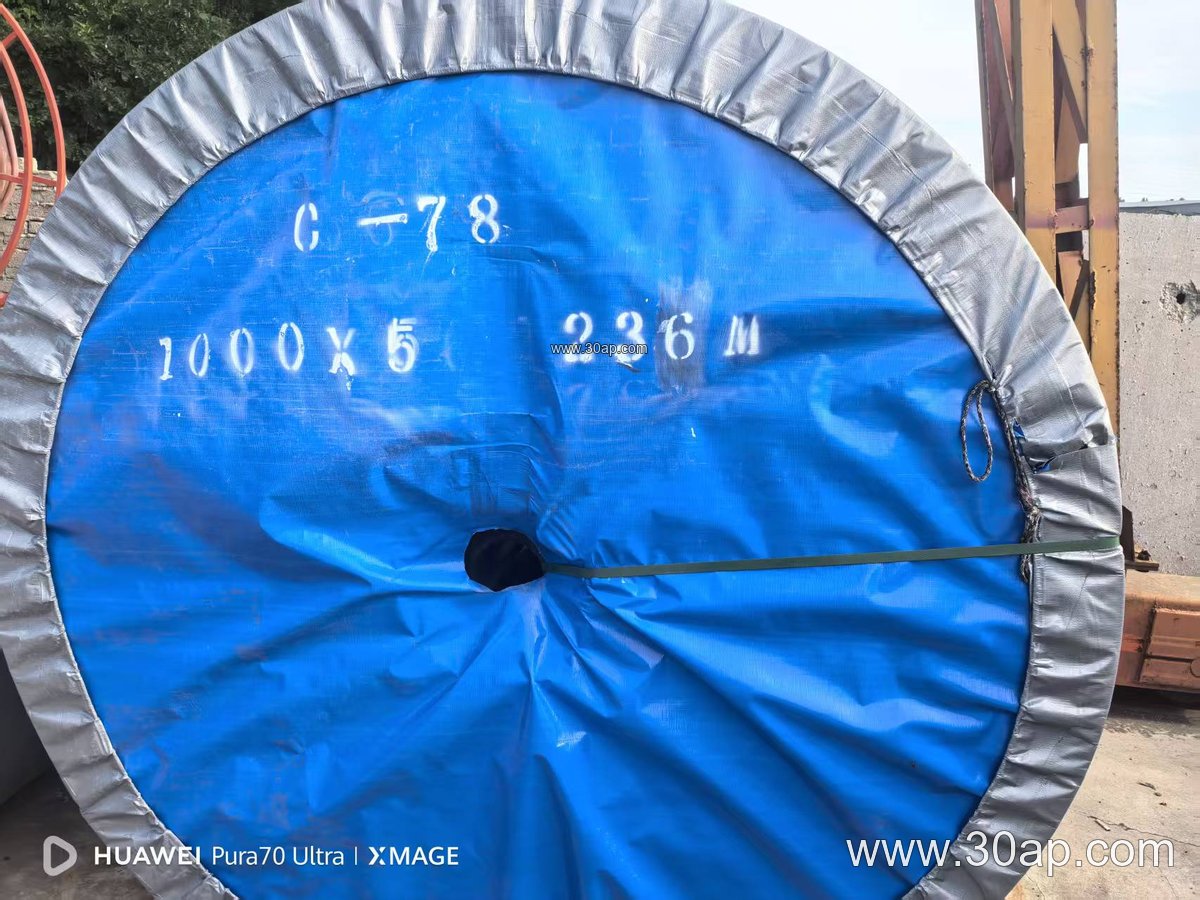
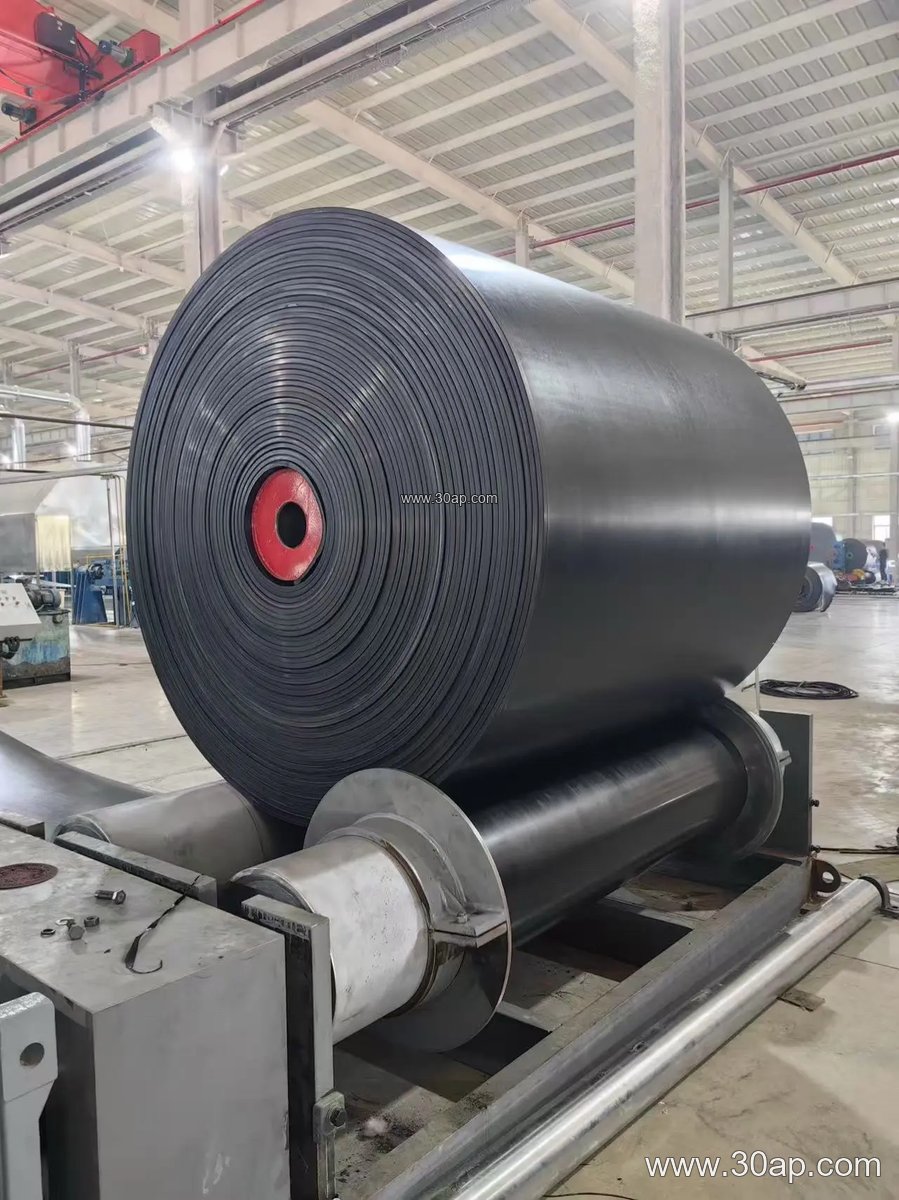
Most anti-static belts follow the same layered build as other fabric-core or steel-cord belts, but with a conductive cover compound and sometimes an additional conductive layer beneath the top cover. The carcass may be EP (polyester-cotton) or NN (nylon-nylon) fabric, and heavy-duty versions can use steel cord reinforcement for long overland conveyors. Buyers often see these belts specified alongside flame retardant and fire resistant grades for underground coal mining and tunnel work, where static control and flame safety go hand in hand. A typical specification might pair an EP carcass with a 4+2 mm cover and a surface resistance range that the belt manufacturer confirms through testing.
Typical reference data for anti-static belt selection
The values below are common reference points, not fixed universal rules. Actual construction depends on the conveyor design, material lump size, and the belt supplier’s data sheet.
| Property | Common reference range |
|---|---|
| Belt width | B500, B650, B800, B1000, B1200, B1400, B1600, B1800, B2000 |
| Fabric strength grades | EP200, EP315, EP400, EP500, EP630, EP800, EP1000, EP1250 |
| Cover thickness | 3+1.5 mm, 4+2 mm, 5+2 mm, 6+2 mm, 8+3 mm |
| Carcass plies | 2 to 6 layers, depending on tension rating |
| Surface resistance | Confirmed by the manufacturer’s test report for the specific compound |
Widths such as 800mm, 1000mm, and 1200mm are frequent in cement and aggregate plants, while wider belts like 1400mm or 1600mm appear in high-capacity power plant and port systems. A 1200mm wide anti-static belt is often paired with a matching conveyor pulley and idler roller set, but the pulley diameter is selected from the belt’s minimum bend radius and the conveyor’s tension, never from belt width alone.
Where Anti-Static Belts Are Used
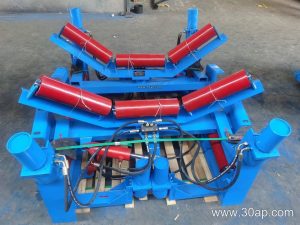
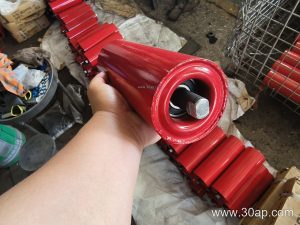
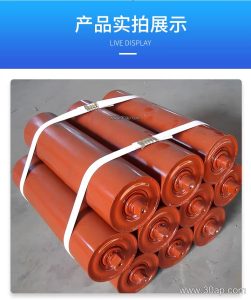
Static control matters most where dry, dusty materials move fast. In coal mining conveyor systems, both underground and surface, an anti-static conveyor belt is often required alongside flame retardant conveyor belt construction. Cement plants handling clinker dust, power plants moving coal and limestone, and quarry conveyor lines processing crushed stone all benefit from controlled static dissipation. The same applies to grain terminals, fertilizer handling, and recycling plants where fine particles and low humidity combine. In these settings, the belt works with conveyor idler rollers, conveyor pulleys, and conveyor brackets to keep the whole system grounded and reliable.
Selection and Buyer Checklist
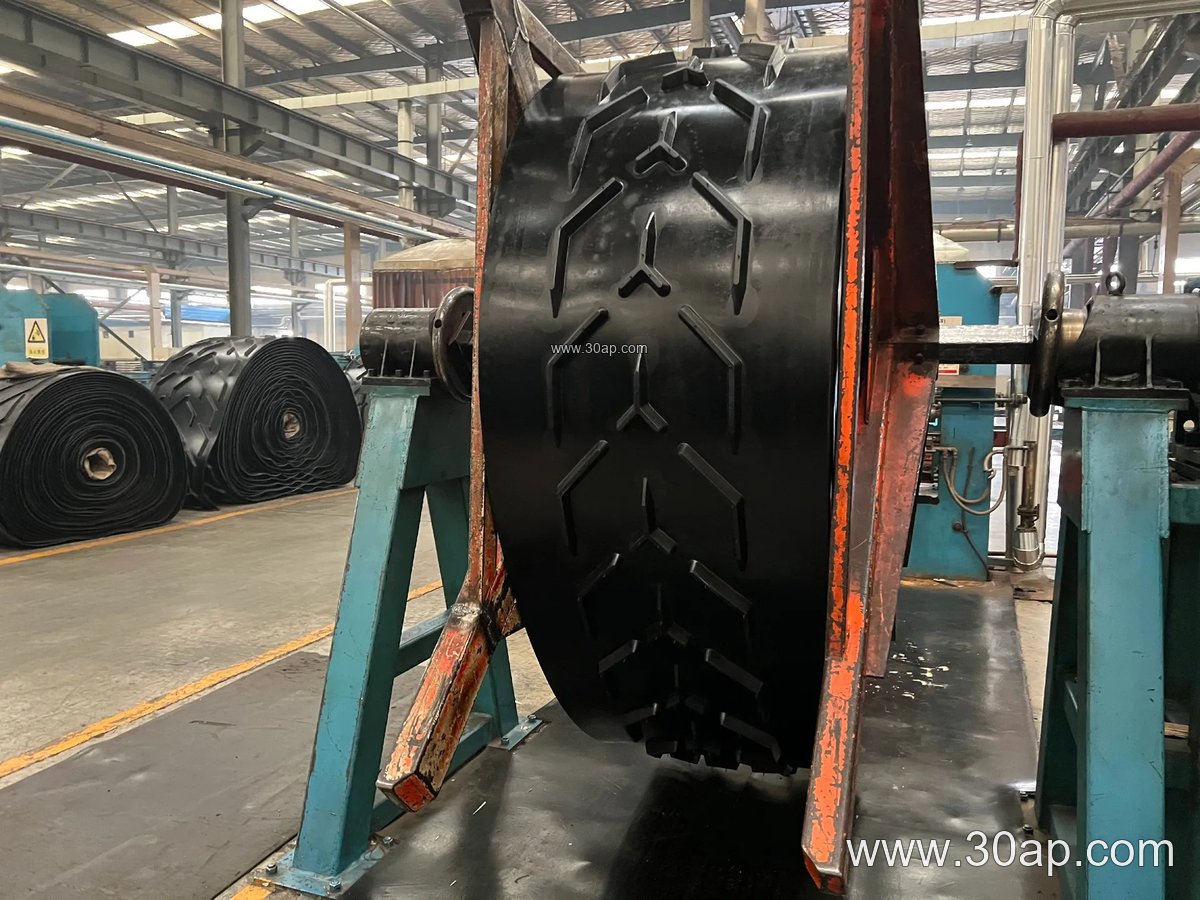
Choosing an anti-static belt starts with the material being conveyed. Abrasive rock calls for a high abrasion resistant cover, while oily or chemical-laden loads may need oil resistant or chemical resistant grades. In cold climates, a cold resistant compound helps prevent cracking that could interrupt the conductive network. For long-distance haulage, a high strength conveyor belt with steel cord or multi-ply fabric core may be necessary to meet tension demands. Buyers should confirm the surface resistance test method and the belt’s grounding path with the supplier, because anti-static performance depends on proper installation and maintenance. A damaged cover or worn edge can compromise dissipation, so regular inspection of the belt and its contact with the conveyor structure is essential.
Finally, note that anti-static construction is not a substitute for flame retardant or fire resistant grades. In underground coal mining, the belt must often meet both requirements. Matching the anti-static conveyor belt to the conveyor’s drive, tail, and bend pulleys, as well as the idler roller spacing and bracket layout, ensures stable tracking and long service life. For more technical guidance on belt, idler roller, and conveyor pulley selection, visit conveyor belt and idler roller resources.