What a Mining Sealed Idler Does on the Line
A mining sealed idler is a conveyor idler roller built with a protected bearing housing, so grit, fines and washdown water stay away from the rotating parts. On a quarry conveyor belt or an ore conveyor belt, dust is not a nuisance; it is the main reason a standard idler roller seizes early. The seal package is therefore the heart of this component, not an accessory.
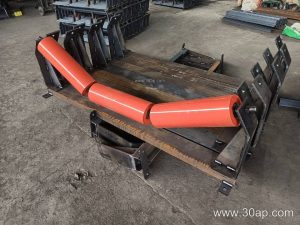
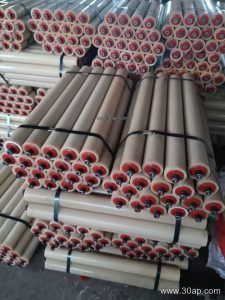
The idler itself is a simple part: a steel tube shell, a shaft, bearing housings at each end, and a sealing arrangement that usually combines a labyrinth path with a lip seal and grease. The tube spins while the shaft stays fixed in a conveyor bracket. When the seal works, the bearing runs cool and the shell turns freely under load. When it fails, the shell drags, the belt wears, and power consumption climbs.
How the Sealing Arrangement Is Built
Most designs use a multi-stage labyrinth: rotating and stationary metal rings form a long, narrow path that throws particles outward before they reach the bearing. A contact lip seal sits behind it, and a grease cavity holds a reserve that flushes fine dust away from the rolling elements. Some versions add a protective end cap or a sacrificial wear ring.
Because the seal adds length and cost, buyers should match the sealing class to the site. A clean, covered gallery may only need a good standard seal. A crusher discharge, a wash plant or a tunnel portal usually justifies the fully sealed version.
Shell and shaft details that matter
- Shell wall thickness affects resistance to impact from lump ore and rock.
- Shaft diameter is set by the load and the bracket, not by belt width alone.
- Bearing size is selected from load and speed; common sizes include 6205, 6305, 6306 and 6308, and no single bearing is tied to one roller diameter.
- Roller diameter choices in the field commonly range from about Ø89 to Ø159 mm, with larger diameters used where belt speed and load are high.
Where Sealed Idlers Fit in the Plant
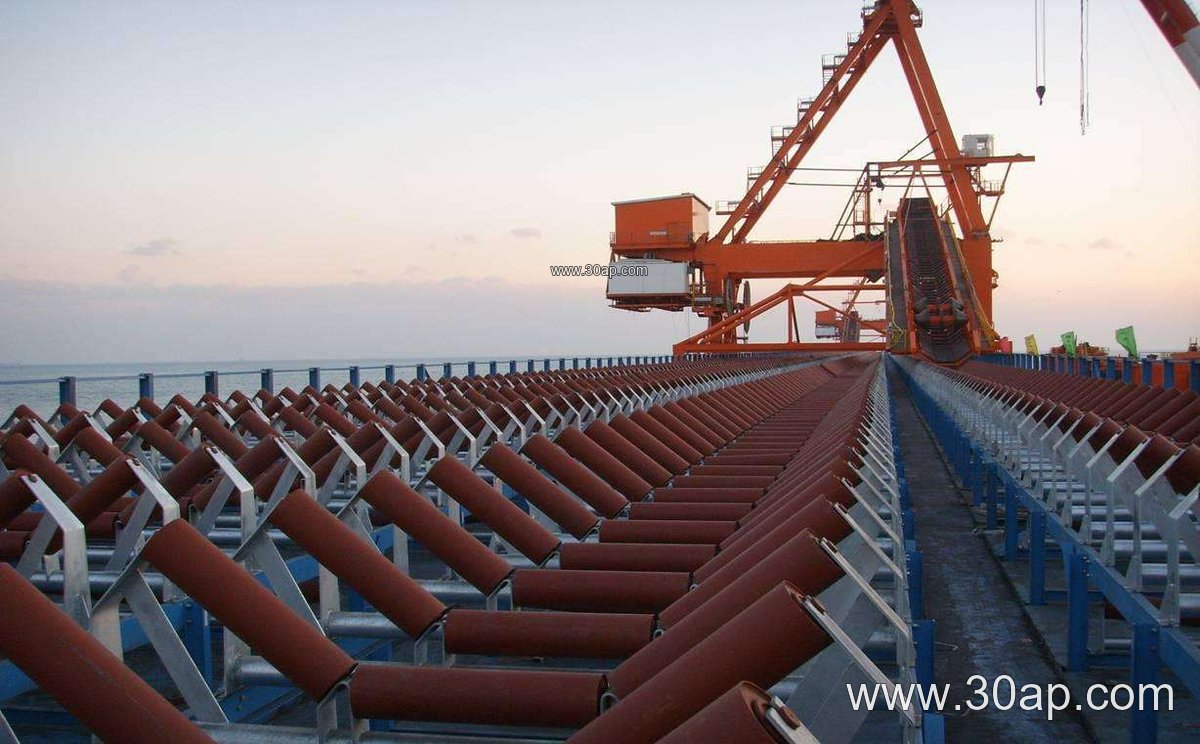
These rollers appear along the carrying and return runs of a bulk material conveyor belt in limestone quarries, iron ore and copper ore concentrators, coal preparation plants, cement plants and power station coal yards. They are common on the return side, where fines cling to the belt and drop directly onto the roller face, and on the carrying side near transfer points where spillage is heavy.
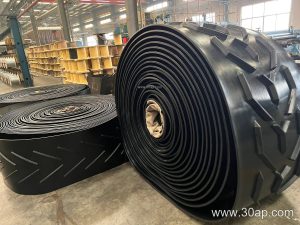
They are also a practical choice for a chevron conveyor belt or a corrugated sidewall conveyor belt line, because cleats and sidewalls shed material that lands on the idlers below. On an underground mining conveyor belt, flame retardant conveyor belt and anti-static conveyor belt specifications often come with sealed rollers as part of the same fire-safety package.
Selection Notes for Buyers
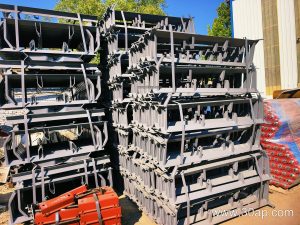
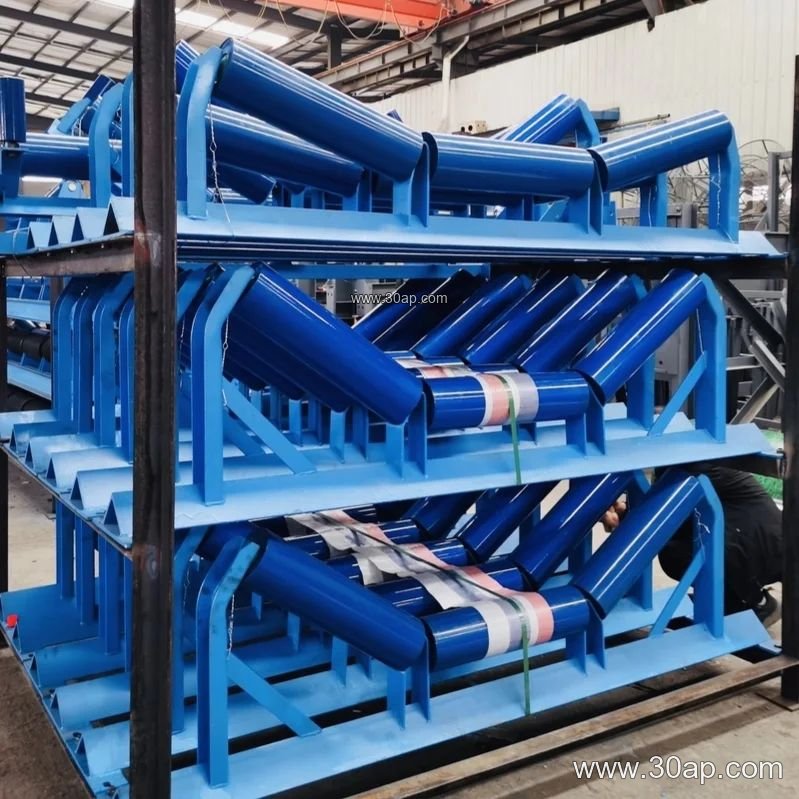
Start with the belt width and the trough configuration. Three-roll troughing sets are the norm for B650 to B1400 lines, while wider belts such as B1600, B1800 and B2000 need matching roller lengths and heavier frames. Common roller lengths for three-roll troughing sets are roughly 250 mm at B650, 315 mm at B800, 380 mm at B1000, 465 mm at B1200 and 600 mm at B1600. These are typical examples only; side rollers and centre rollers can differ, and the final length follows the design.
Reference data for planning
| Item | Common range |
|---|---|
| Roller diameter | Ø63, Ø76, Ø89, Ø102, Ø108, Ø127, Ø133, Ø159, Ø178, Ø194, Ø219 mm |
| Belt width | B400 to B2400 |
| Trough angle | 20, 30, 35, 45 degrees |
| Roller surface | Steel tube, nylon, ceramic, rubber ring |
| Bearing | 6204, 6205, 6305, 6306, 6308, 6310 |
Ask for the seal type, grease specification and end-cap material, because these decide service life more than the tube does. Confirm the bracket spacing and shaft end shape against the existing conveyor bracket before ordering. A sealed roller with the wrong shaft end is scrap metal.
Maintenance and Field Checks
Walk the line and listen. A sealed idler that has lost its grease usually squeals before it locks. Check for a hot shell after shutdown, and look for material packed around the end caps; packed fines can push a lip seal open. Replace rollers in matched sets where the belt tracks badly, and keep spares of the most common diameters on site.
For more on matching rollers with rubber conveyor belt, EP conveyor belt or steel cord conveyor belt installations, review the full conveyor component range at beltconveyoridler.com and confirm dimensions with the conveyor designer.