What a V-Type Idler Does on a Conveyor
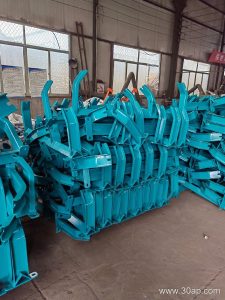
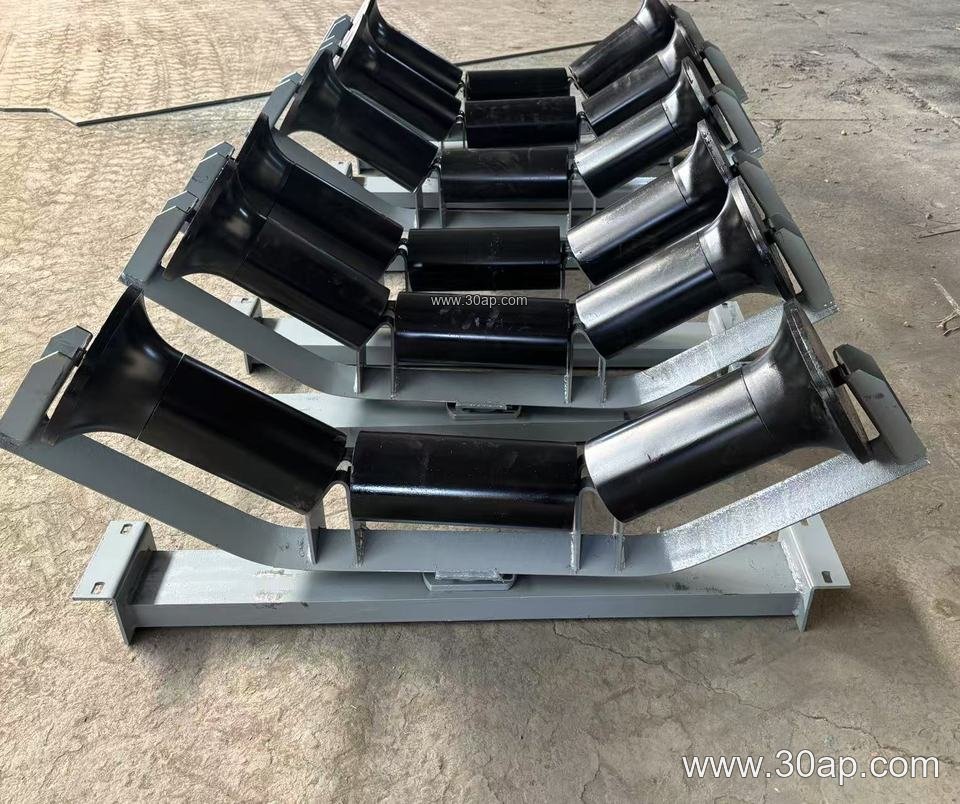
A V-type idler is a return-side roller assembly that supports the empty lower strand of a conveyor belt with two rollers set in a shallow V. Unlike a flat return roller that contacts the belt across a single horizontal line, the V shape cradles the belt and gently encourages it to center itself. This makes the V-type idler a practical choice wherever belt wander and material carryback are everyday concerns, from a limestone quarry to a coal handling plant.
The assembly is often called a V-return idler or V-shaped return roller. It belongs to the return idler family, and it should not be confused with a troughing idler on the carrying side or with a bend pulley at the drive end. Each has its own job, and swapping one for another changes how the belt tracks and how the conveyor pulley is loaded.
How the Assembly Is Built
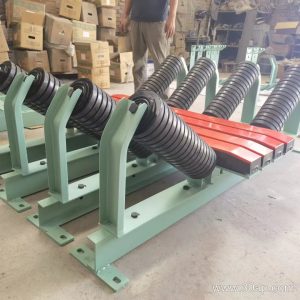
Most V-type idlers use two short rollers mounted on a common frame at an angle, typically between 10 and 20 degrees from horizontal, though the exact geometry is set by the conveyor designer. The rollers themselves follow the same construction logic as other idler rollers: a steel tube shell, bearing housings at each end, a shaft, and a sealing arrangement to keep dust and water out. Shell options include plain steel, nylon, ceramic, and rubber rings; rubber-covered rolls are sometimes chosen where buildup or impact is a concern.
Common roller diameters for this duty include Ø89, Ø102, Ø108, Ø127, and Ø133 mm, with larger sizes such as Ø159 or Ø178 mm used on heavy-duty mining conveyor belts. Bearings are usually 6204, 6205, 6305, 6306, or 6308 depending on load and roll diameter, and no single bearing is tied to one roll size. Roll length is matched to belt width and frame design, so a B800 belt and a B1400 belt will use different roll lengths even when the roller diameter is the same.
Where It Fits in the Conveyor Line
The V-type idler sits under the returning belt, usually spaced at intervals along the return strand. In a quarry conveyor or an aggregate conveyor belt line, it helps shed loose material that has clung to the belt after the discharge point. The angled rolls create a slight trough that keeps fines toward the center, reducing spillage along the walkway. In a cement plant or a power plant coal conveyor, the same effect limits dust accumulation under the structure.
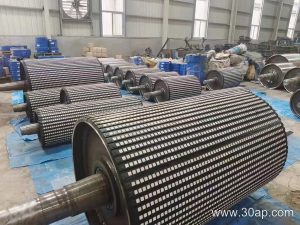
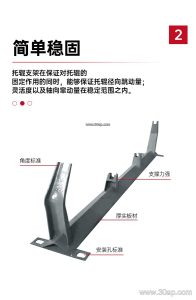
It is often used together with a conveyor bracket that allows height adjustment, and it works alongside the conveyor pulley at the tail and the drive pulley at the head. On long overland runs carrying bulk material conveyor belt loads, V-return idlers are frequently spaced more closely near the loading zone and farther apart on clean, straight sections.
Selection Points for Buyers
Buyers should confirm belt width, return strand load, and ambient conditions before choosing a V-type idler. A 500mm conveyor belt and a 2000mm conveyor belt need very different frame widths, and the roll length should be confirmed against the actual belt width rather than assumed. The table below shows typical reference ranges; final values come from the conveyor design.
| Parameter | Common Reference Range |
|---|---|
| Roll diameter | Ø89, Ø102, Ø108, Ø127, Ø133, Ø159 mm |
| Belt width | B500 to B2400, with B800, B1000, B1200, B1400 and B1600 common |
| V angle | Usually 10 to 20 degrees, set by design |
| Bearing | 6204, 6205, 6305, 6306, 6308 |
| Roll surface | Steel tube, nylon, ceramic, rubber ring |
For abrasive ore duties such as iron ore or copper ore, a wear-resistant shell and effective seals matter more than a low purchase price. In cold climates, check that the bearing grease suits low temperatures; in hot clinker or sinter service, consider heat-resistant seals and clearances.
Installation and Maintenance Notes
Align the V-type idler square to the belt centerline, and check that both rolls turn freely by hand after installation. A dragging roll will wear the belt edge and can cause tracking problems that look like pulley misalignment. Grease according to the bearing type and operating environment, and inspect seals during scheduled shutdowns. On a coal mining conveyor belt or an underground mining conveyor belt, flame retardant conveyor belt and fire resistant conveyor belt specifications often come with stricter inspection routines, and the idler should be included in those checks.
Keep spare rollers and complete V assemblies on hand for critical lines. Replacing a worn return idler early is far cheaper than repairing a damaged belt or a scored conveyor pulley. For more on matching rollers to belt widths, visit conveyoridlerpro.com and review the return idler options before ordering.