Understanding Conveyor Idler Price
Conveyor idler price is a key consideration for anyone maintaining or specifying a bulk material handling system. The idler roller, often simply called an idler, is the rotating component that supports the conveyor belt along its path. While the price per unit may seem straightforward, it reflects a combination of materials, construction quality, and design features that directly affect longevity and performance. For operators in quarrying, cement production, or power plant coal handling, getting the right balance between initial cost and service life is essential.
How an Idler Is Built and Why It Matters for Price
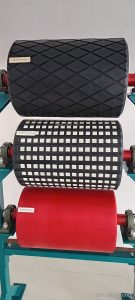
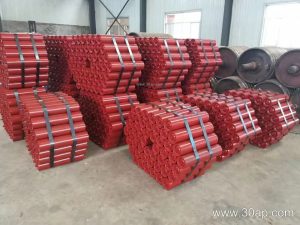
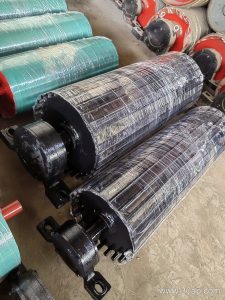
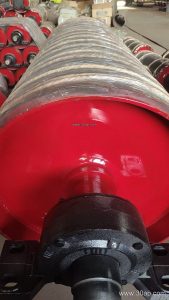
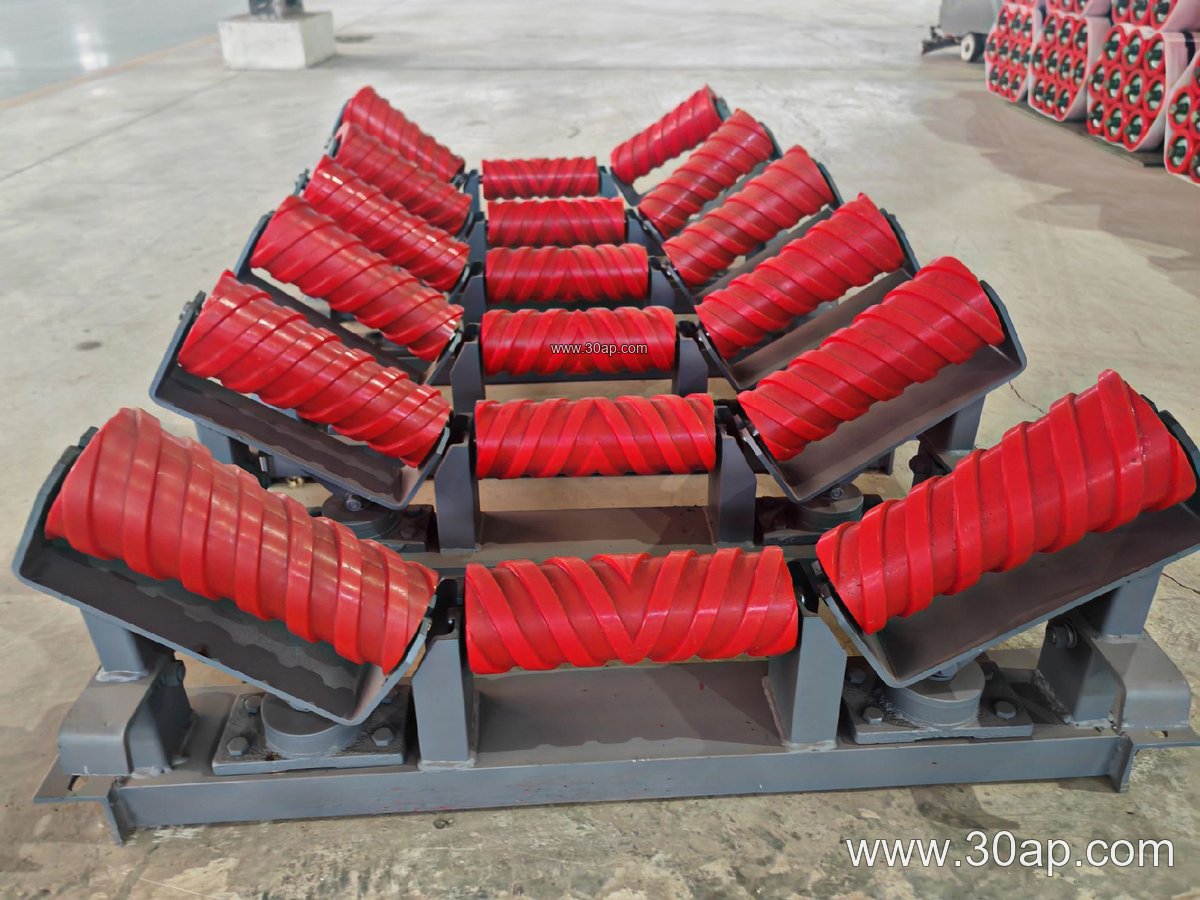
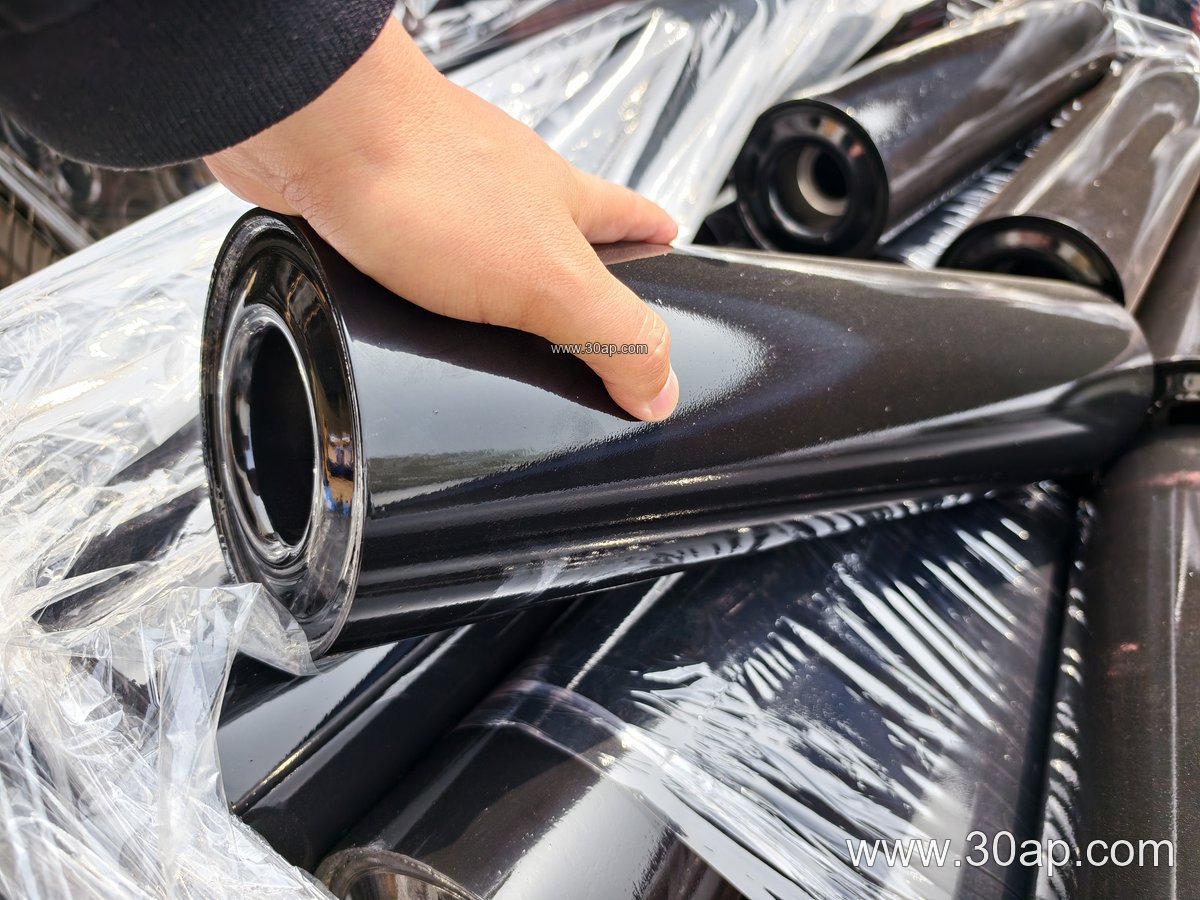
An idler roller typically consists of a steel tube shell, bearing housings, seals, and a shaft. The shell may be plain steel, nylon-coated, or fitted with rubber rings for impact absorption. Bearings such as 6204, 6205, 6305, or 6308 are common, and the choice depends on load and speed rather than a fixed rule per diameter. Sealing quality is a major price factor: a well-sealed bearing keeps dust and moisture out, which is critical in abrasive environments like a limestone mine or a sand and gravel plant. The roller surface also influences cost—ceramic or rubber-covered rollers generally carry a higher price than standard steel tubes.
Common Idler Types and Their Price Drivers
Different positions on the conveyor call for different idler designs. Troughing idlers, available in two-roll or three-roll arrangements, support the loaded belt and are the most common. Return idlers, including flat and V-type, carry the empty belt. Impact idlers with rubber rings are placed at transfer points to cushion falling material. Self-aligning idlers help keep the belt centered. Each type has its own price range based on complexity and material content. For example, a three-roll troughing idler set will cost more than a single return roller of similar diameter because it includes more components. A buyer should specify the idler type and duty rather than assume one price fits all positions.
Where Conveyor Idlers Are Used
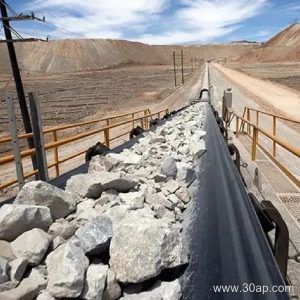
Idlers are found wherever a conveyor belt runs. In a coal mining operation, flame retardant and anti-static properties may be required for underground sections, which can affect the specification and price of the idler assembly. In a cement plant, heat resistant idlers may be needed near clinker cooler discharges. Port facilities handling iron ore or copper ore demand heavy-duty idlers with robust seals to withstand dust and continuous operation. The environment often dictates the idler construction, and therefore the price. For instance, a quarry conveyor handling sharp rock may benefit from impact idlers at the load zone, while the rest of the line uses standard troughing idlers. Matching idler type to the actual service condition is more economical than over-specifying everywhere.
Key Specifications That Influence Price
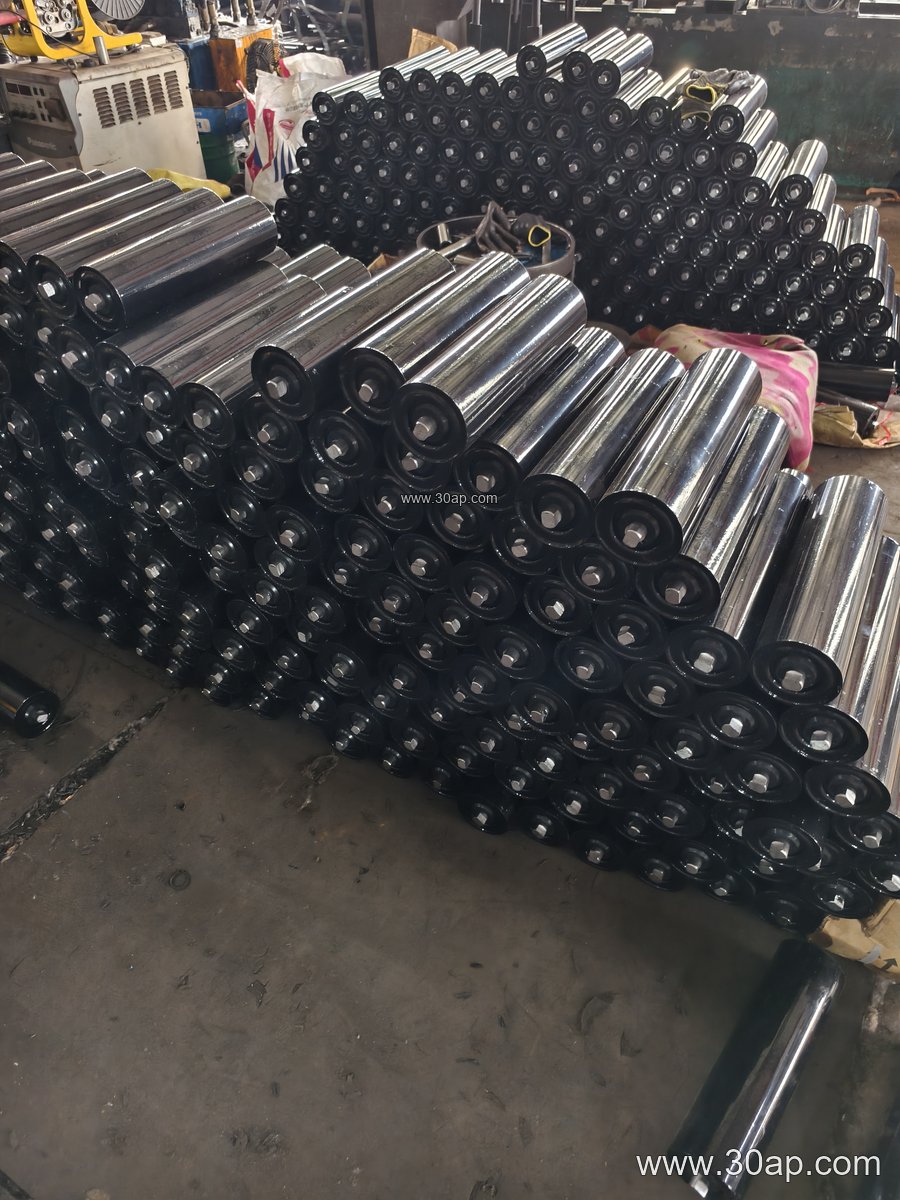
When requesting a conveyor idler price, several parameters should be clear. Roller diameter (such as Ø89, Ø102, Ø108, Ø127, Ø133, Ø159, Ø178) and belt width (B500, B650, B800, B1000, B1200, B1400, B1600, B1800) are basic starting points. However, roller length varies with belt width, trough angle, and idler arrangement. For example, a three-roll troughing set for B1000 might use a center roller of about 380 mm and side rollers of a different length; these are design-specific and not universal. Trough angles of 20, 30, 35, or 45 degrees also affect the roller lengths and the overall price. Bearing size and seal type are often selected based on load and speed, not simply matched to roller diameter. A buyer should provide the belt width, idler type, trough angle, and expected load to get an accurate quotation.
Reference Data for Common Idler Configurations
The following table shows typical examples of roller lengths for three-roll troughing idlers. These are common references, not fixed combinations.
| Belt Width | Typical Center Roller Length (mm) |
|---|---|
| B500 | 200 |
| B650 | 250 |
| B800 | 315 |
| B1000 | 380 |
| B1200 | 465 |
| B1400 | 530 |
| B1600 | 600 |
| B1800 | 670 |
Side roller lengths may differ from the center roller, and the actual length should be confirmed with the conveyor design. Similarly, bearing selection is not dictated by belt width alone; factors like load, speed, and environment determine the appropriate bearing size.
What Buyers Should Consider Beyond the Unit Price
The cheapest idler is rarely the most economical over time. In a busy aggregate plant or a coal-fired power station, downtime for idler replacement can cost far more than the price difference between a standard and a premium idler. Look for features that extend service life: effective labyrinth seals, quality bearings, and proper shaft retention. For abrasive materials, consider idlers with thicker shells or wear-resistant coatings. If the conveyor carries hot materials, heat-resistant idlers may be necessary. Also, remember that the conveyor belt itself interacts with the idlers; a poorly specified idler can cause belt tracking issues or premature belt wear. The idler price should be evaluated alongside the cost of the conveyor belt and the overall maintenance strategy.
In summary, conveyor idler price depends on type, size, bearing and seal quality, and the environment of use. Providing clear specifications—belt width, idler type, trough angle, and duty—will help suppliers offer accurate and comparable quotes. Whether the application is a sand and gravel line, a fertilizer plant, or a tunnel excavation project, selecting the right idler for the job is a matter of matching construction to conditions, not simply choosing the lowest price.