What an Underground Conveyor Belt Is
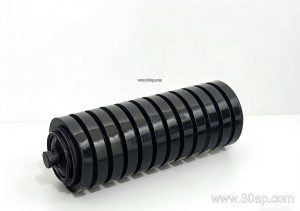
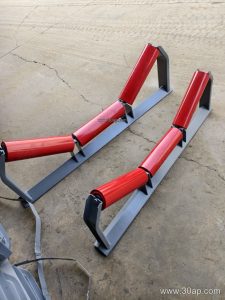
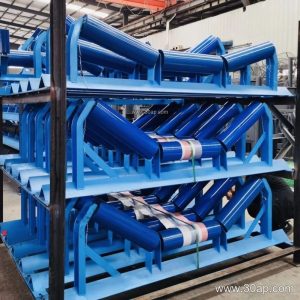
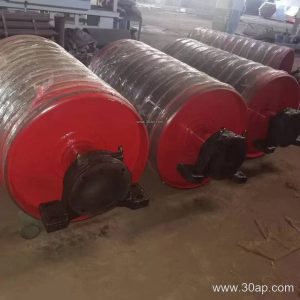
An underground conveyor belt is the load-carrying element of a belt conveyor installed in tunnels, mine roadways, and enclosed transport galleries. It runs in a continuous loop over a drive pulley, a tail pulley, and bend pulleys, supported by idler rollers mounted on conveyor brackets. The belt is both the carrying surface and the traction member, so its construction has to suit confined spaces, limited maintenance access, and the specific material being moved.
In practice, the term covers several belt constructions rather than one product. A fabric-core belt, a steel cord belt, and a solid-woven PVC or PVG belt can all serve underground duties, but they behave differently under load and should not be treated as interchangeable.
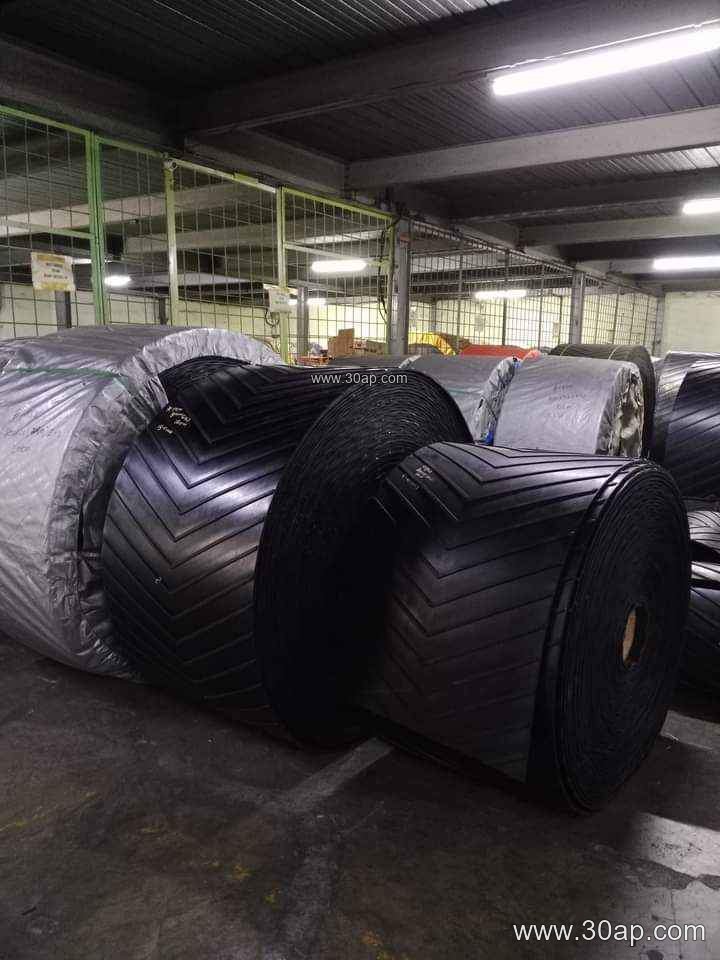
Construction and Common Constructions
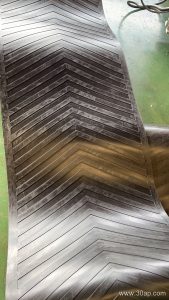
Most underground belts combine a tension-bearing carcass with rubber or PVC covers. The carcass carries the pull; the covers protect it from abrasion, moisture, and impact. Common carcass options include:
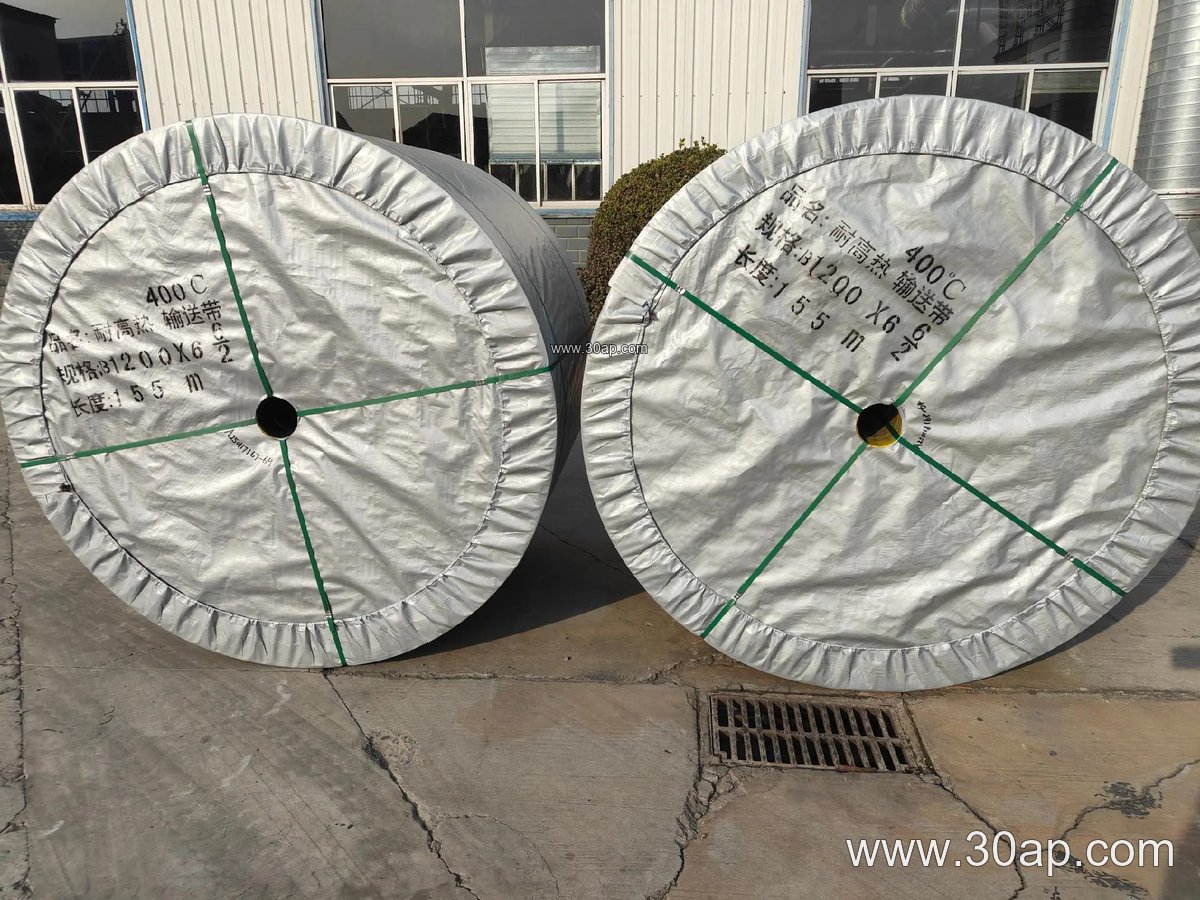
- EP conveyor belt — polyester-polyamide fabric plies, widely used for general underground haulage.
- NN conveyor belt — nylon-nylon fabric plies with high elongation and good fatigue resistance.
- Steel cord conveyor belt — steel wires embedded in rubber for long runs and high tension.
- PVG conveyor belt — solid-woven carcass with PVC covers, often chosen where flame resistance is a priority.
Cover compounds may be abrasion resistant, flame retardant, anti-static, oil resistant, or heat resistant. For coal roadways, a flame retardant and anti-static combination is frequently specified. A multi-ply fabric core construction remains common where flexibility around small pulleys matters.
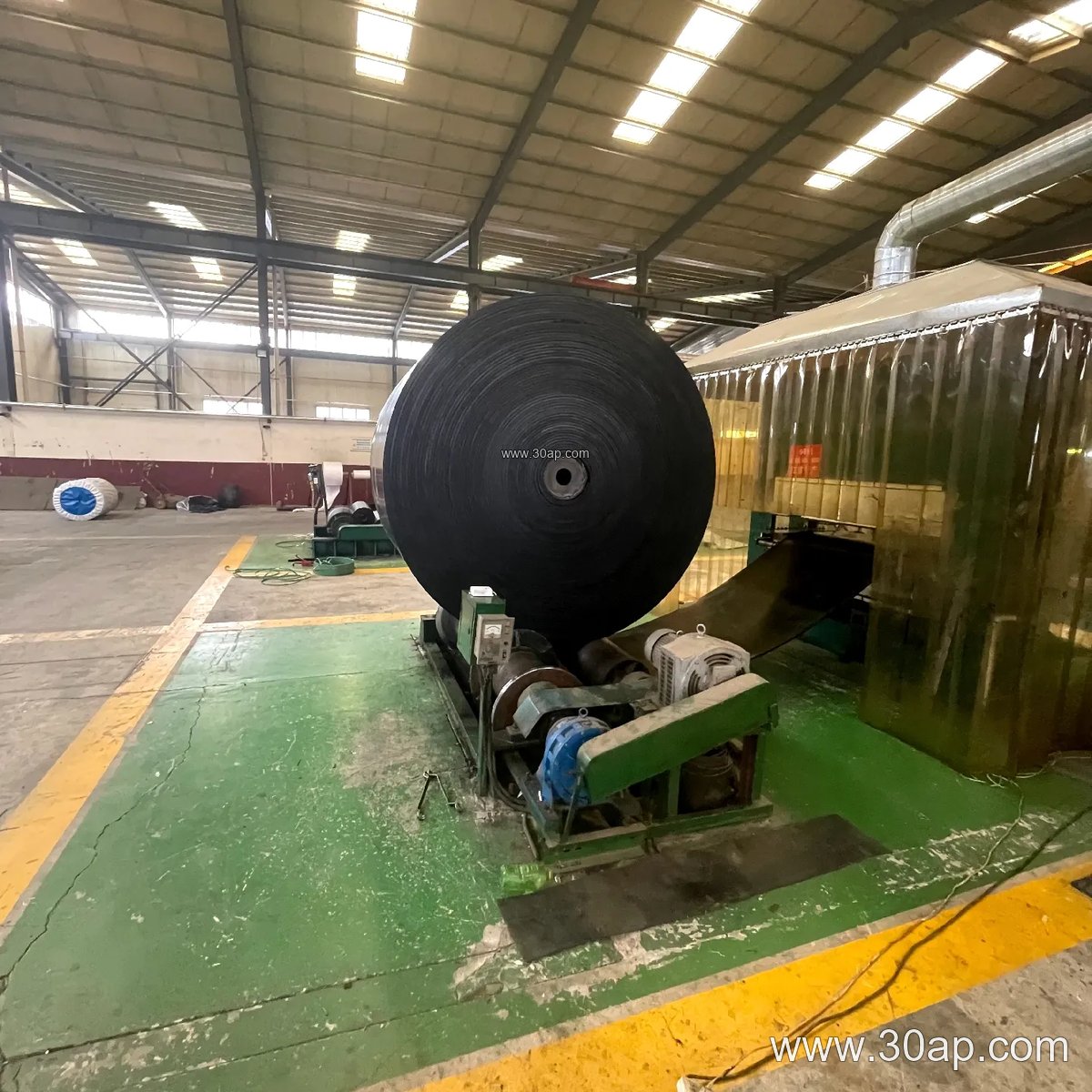
Reference Dimensions and Strength Grades
The values below are typical reference data. Actual selection depends on the conveyor design, and suppliers differ.
| Parameter | Common Reference Values |
|---|---|
| Belt width | B500, B650, B800, B1000, B1200, B1400, B1600, B1800, B2000 |
| EP strength grades | EP200, EP315, EP400, EP500, EP630, EP800, EP1000, EP1250, EP1600, EP2000 |
| Cover thickness | 3+1.5, 4+2, 5+2, 6+2, 8+3 mm |
| Fabric plies | 2 to 6 layers, depending on duty |
Width and pulley diameter are separate design decisions. A wider belt does not automatically dictate one pulley size, and shaft diameter should come from the conveyor designer’s load calculation, not from belt width alone.
Where It Is Used
Underground installations appear in coal mining, metal mines, tunnel excavation, and underground limestone or gypsum operations. A coal mining conveyor belt typically handles lump coal and fines in a dusty, humid atmosphere, while an ore conveyor belt in an iron ore or copper ore mine faces sharp, heavy lumps. In cement and aggregate work, the same belt family may feed crushers or transfer material between shafts.
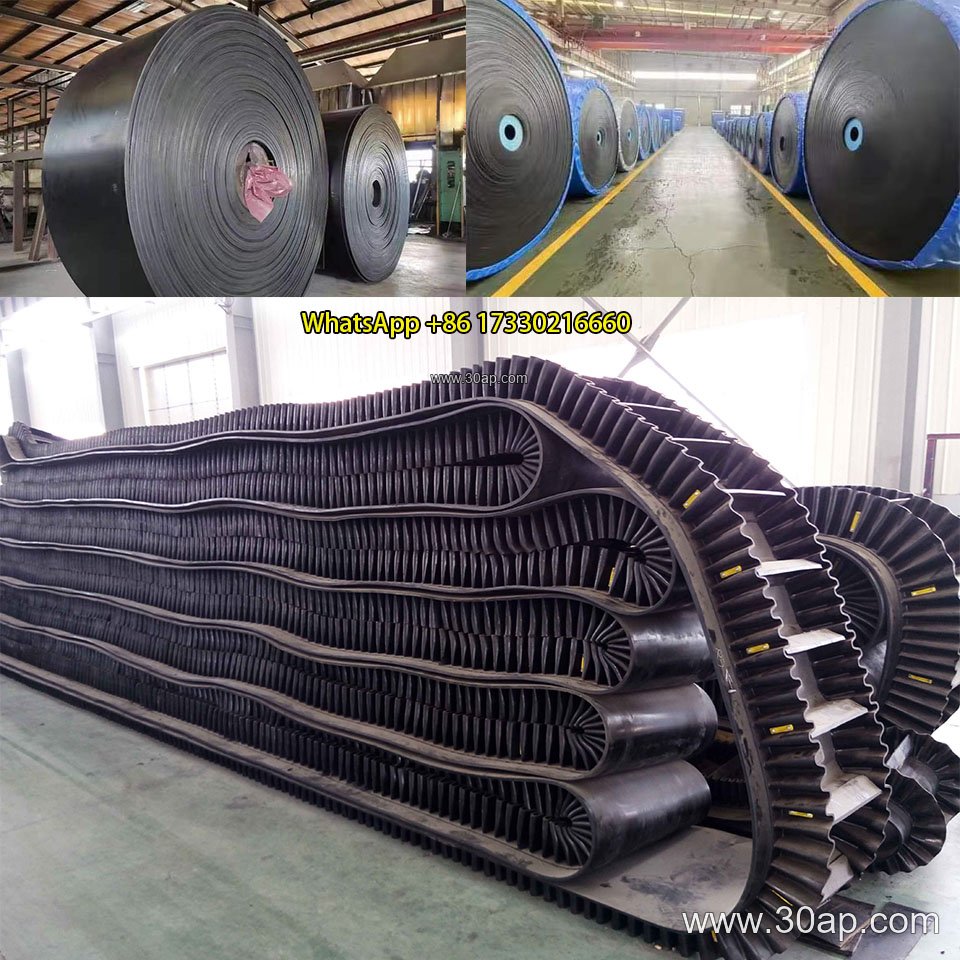
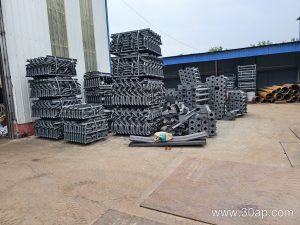
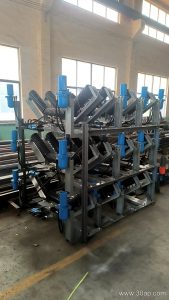
Related equipment matters here: idler rollers set the belt profile, conveyor pulleys transmit and redirect tension, and conveyor brackets keep the whole line aligned. A poorly matched idler or a worn bend pulley shortens belt life faster than most operators expect.
Buyer Checklist
- Confirm the material, lump size, and expected impact at the loading point.
- Match the carcass type to run length and tension rather than habit.
- Check flame retardant and anti-static requirements for the specific roadway.
- Review cover thickness against abrasion and moisture conditions.
- Verify pulley and idler compatibility with the selected belt construction.
For underground work, keep spare belt sections, idler rollers, and pulley lagging on site where access is difficult. A belt that suits the surface plant may not suit a damp, confined roadway, so the specification should follow the actual duty. For more on matching belts to pulleys and rollers, see the selection notes at www.beltconveyorparts.com, where underground conveyor belt options and related components are described.