What an Endless Conveyor Belt Is
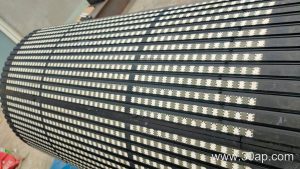
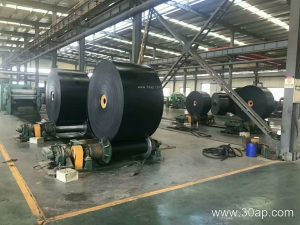
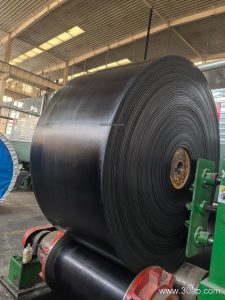
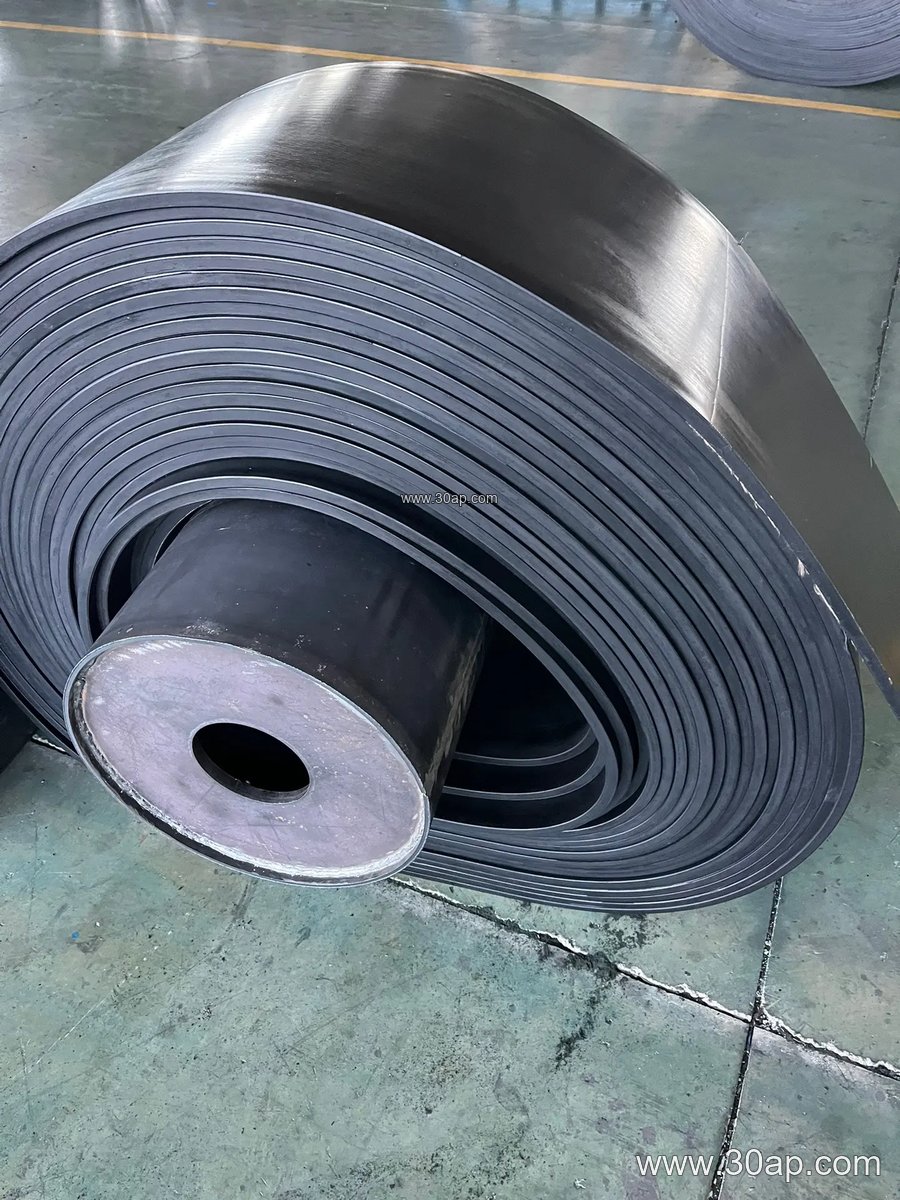
An endless conveyor belt is a belt that has been joined into a continuous loop before it is installed on the conveyor frame. Instead of being threaded onto the conveyor as an open length and fastened on site with mechanical clips, the belt arrives as a closed ring, usually with a vulcanized splice. The result is a smooth, joint-free carrying surface that runs over the drive pulley, tail pulley and bend pulleys without the regular bump of a mechanical fastener.
Because the splice is made under controlled conditions, an endless belt is often chosen where belt tracking, surface finish and splice reliability matter more than the convenience of on-site installation. It is still a fabric or steel reinforced belt underneath, so the same questions about tension, load and environment apply.
How the Loop Is Built
Most endless belts start as a length of fabric core or steel cord belt that is cut to the correct developed length. The ends are stepped, cleaned and joined by hot vulcanization so the carcass layers and cover rubber bond across the splice. The finished ring is then trimmed to width and checked for squareness.
The carcass may be an EP conveyor belt with polyester and nylon fabric, an NN conveyor belt with nylon warp and weft, or a steel cord conveyor belt for very high tension and long center distances. Cover grade is selected separately, for example abrasion resistant, heat resistant or flame retardant, depending on the duty.
Typical reference data
The figures below are common reference values only. Actual construction is confirmed by the belt designer, and different manufacturers offer different combinations.
- Fabric types: EP, NN, multi-ply fabric core
- Fabric strength grades: EP200, EP400, EP630, EP800, EP1000, EP1250, EP1600
- Steel cord grades: ST1000, ST1600, ST2000, ST2500
- Belt widths: B500, B650, B800, B1000, B1200, B1400, B1600, B1800, B2000
- Cover thickness examples: 4+2 mm, 5+2 mm, 6+2 mm, 8+3 mm
- Carcass plies: usually 2 to 6 layers in fabric belts
Where Endless Belts Are Used
Continuous loops are common on conveyors that are difficult to re-splice in place. In a coal mining conveyor or underground coal mining conveyor, a flame retardant conveyor belt and anti-static conveyor belt grade is normally required, and an endless loop reduces the number of joints exposed to dust and water. Cement plant conveyors handling clinker often use a heat resistant conveyor belt in endless form where the head and tail sections are fixed.
Power plant coal handling, quarry conveyor lines, aggregate conveyor belts and iron ore conveyor belts also use endless loops when the belt path includes curves or when a clean surface is important. Port and ship loading conveyors may use a pipe conveyor belt formed into a tube, and the endless version keeps the overlap zone consistent around the circuit.
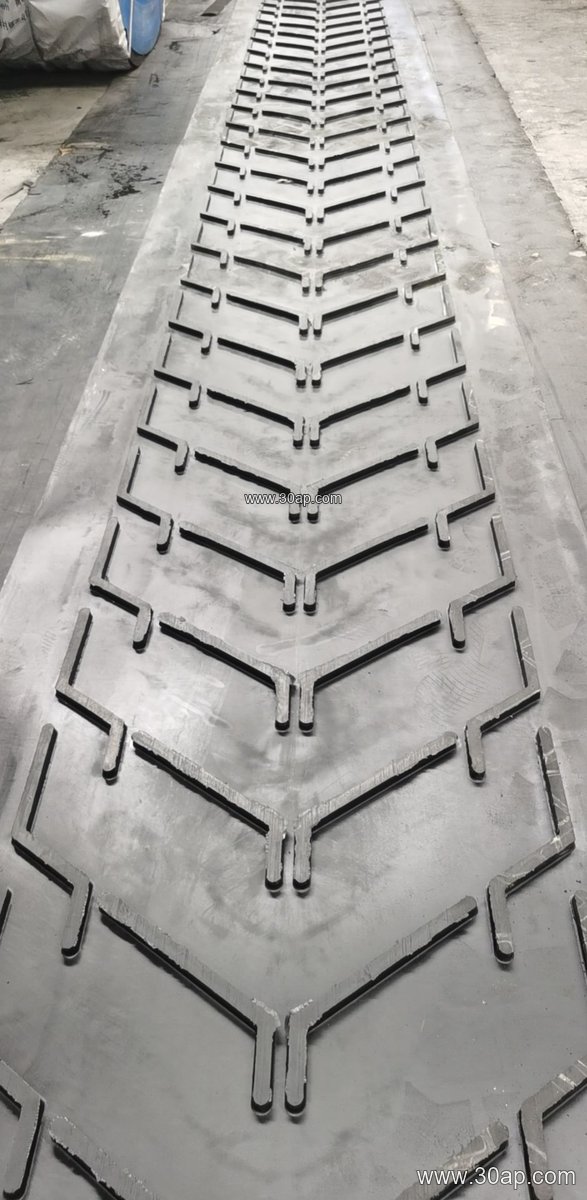
Other duties that favor a closed loop include food grade conveyor belts on sanitary lines, oil resistant conveyor belts near lubricated drives, and cold resistant conveyor belts in open yards during winter. In each case the belt type still follows the material and the environment, not the fact that it is endless.
Pulleys, Idlers and the Rest of the Circuit
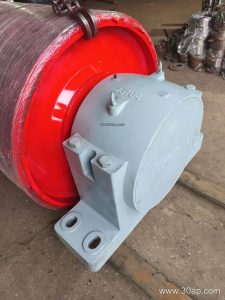
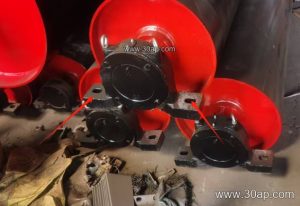
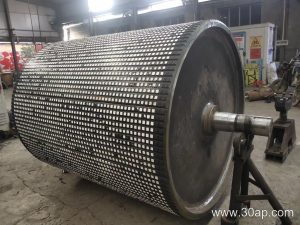
An endless belt does not work alone. The drive pulley transmits motion, the tail pulley returns the belt, and bend pulleys guide it through take-up and discharge zones. These are separate components with separate duties and they are not interchangeable. A conveyor pulley must be matched to the belt tension and width by the conveyor designer, not chosen from belt width alone.
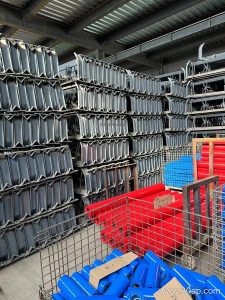
Carrying and return idler rollers support the belt and control sag. A conveyor bracket holds the idlers and pulleys in alignment, and small tracking errors show up quickly on a long endless belt. On a troughed line, the belt width and trough angle determine the load profile; a 1200mm wide conveyor belt and a 650mm belt need different idler sets and different pulley face widths.
Buyer Checklist
- Confirm the developed length and the exact pulley centers, because an endless belt cannot be shortened on site.
- State the material, lump size, temperature and any oil or chemical exposure so the cover grade is correct.
- Give the required tension grade, such as EP1000 or ST2000, rather than only the belt width.
- Describe the splice method expected and whether the loop must be vulcanized.
- Check that drive pulley, tail pulley and bend pulleys are sized for the same belt tension and width.
- Ask for the belt weight and handling plan, since a large endless loop is heavy and needs lifting points.
For general reference on matching belts to frames, idlers and pulleys, see the technical notes at conveyoraccessories.com. A well specified endless loop, whether a heavy-duty mining conveyor belt or a light food grade belt, reduces downtime and keeps the line running smoothly.