What the ST3150 Conveyor Belt Is
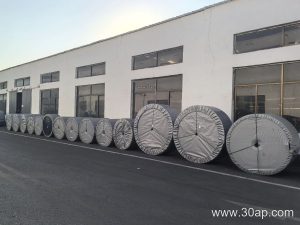
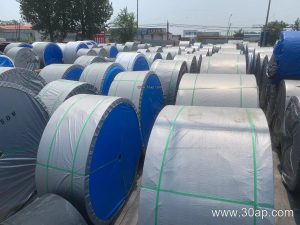
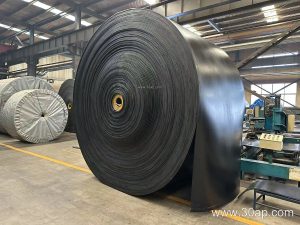
The ST3150 Conveyor Belt is a high-strength steel cord conveyor belt designed for some of the most demanding bulk material handling duties. The “ST” designation refers to steel cord construction, and 3150 indicates a nominal breaking strength of 3150 N/mm, placing it among the strongest belt classes available. This belt is typically chosen when a single flight must carry large tonnages over long distances with limited transfer points, such as in open-pit mines, coal preparation plants, cement works, and large port loading systems.
As a Steel Cord Conveyor Belt, it relies on parallel steel wires embedded in rubber rather than fabric plies. This construction gives the ST3150 Conveyor Belt excellent longitudinal strength, low elongation under load, and strong resistance to impact and tearing. It is not a replacement for fabric-core belts in every situation, but where high tension and long center distances dominate, steel cord belts are often the practical choice.
Construction and Key Components
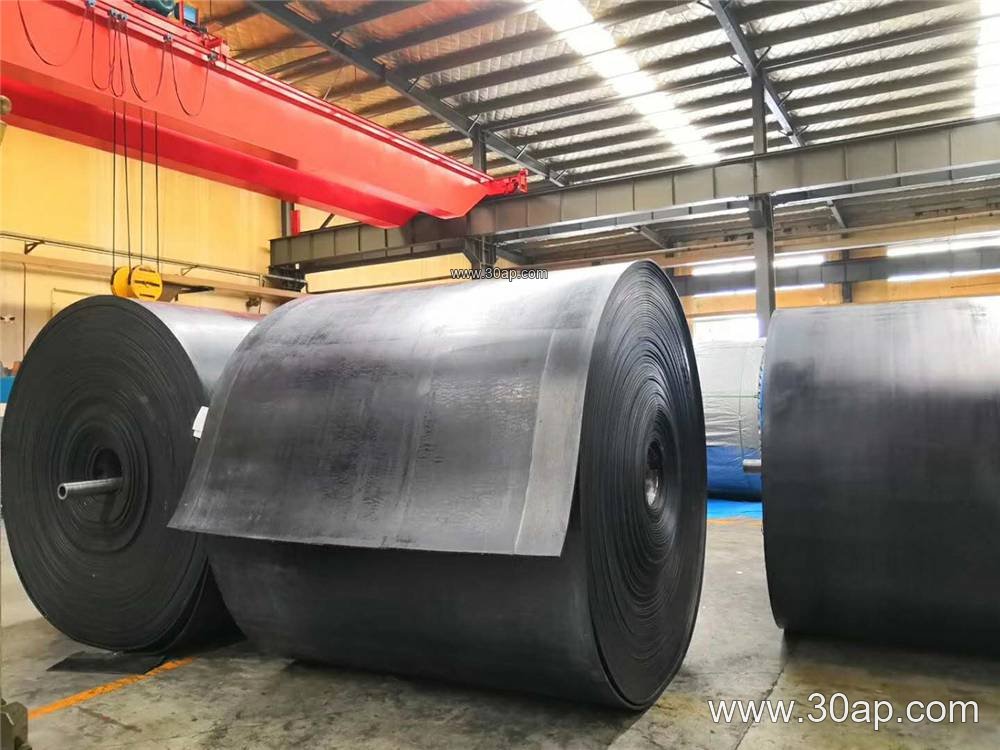
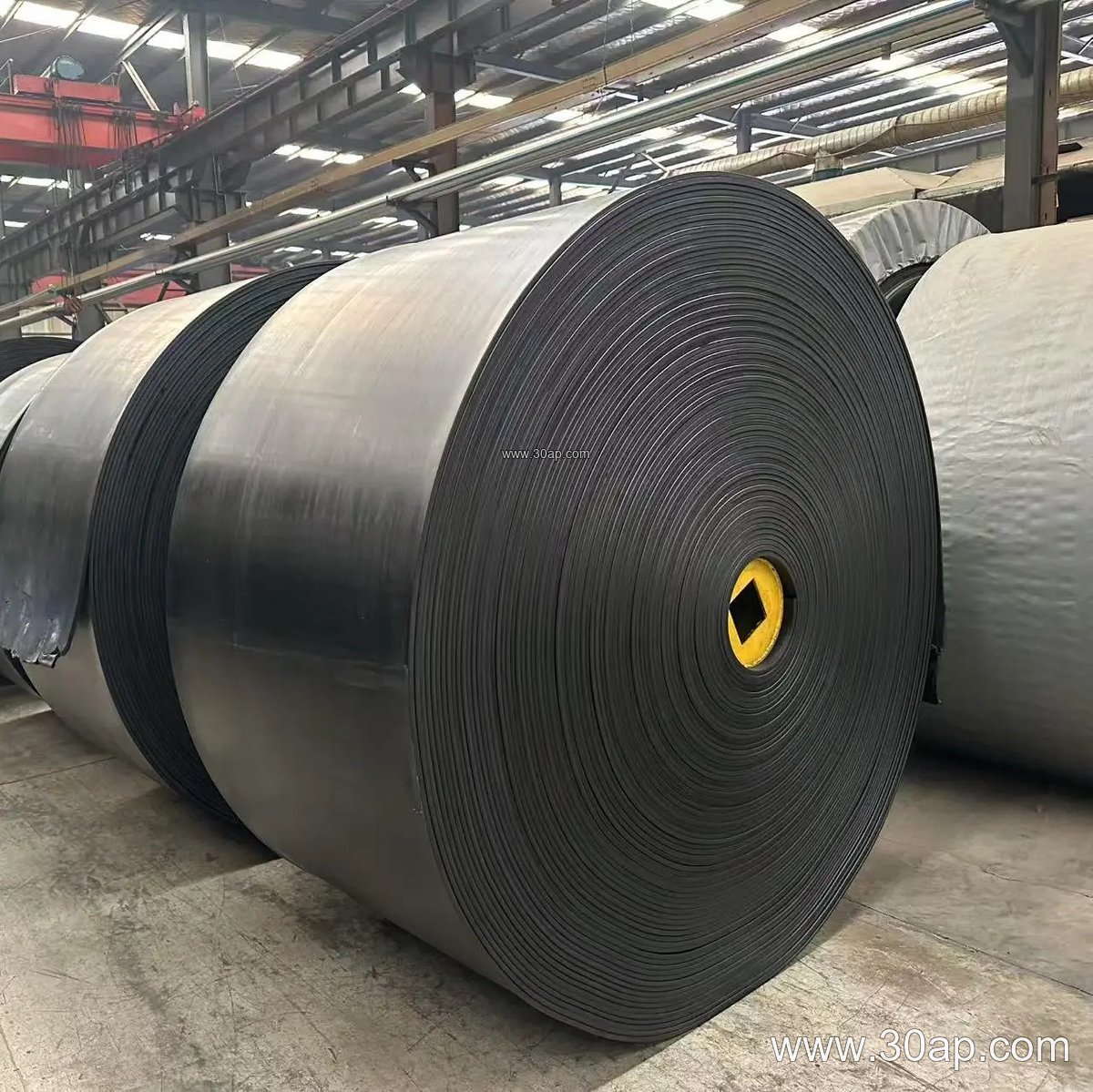
The belt body consists of a core of high-tensile steel cords, arranged in a single plane and bonded to top and bottom cover rubber. The cords carry the tension, while the covers protect the carcass from abrasion, moisture, and material impact. Cover compounds can be selected for different service conditions, including abrasion resistant, heat resistant, flame retardant, and oil resistant grades. The belt edges are usually protected with special rubber to reduce cord exposure and edge damage.
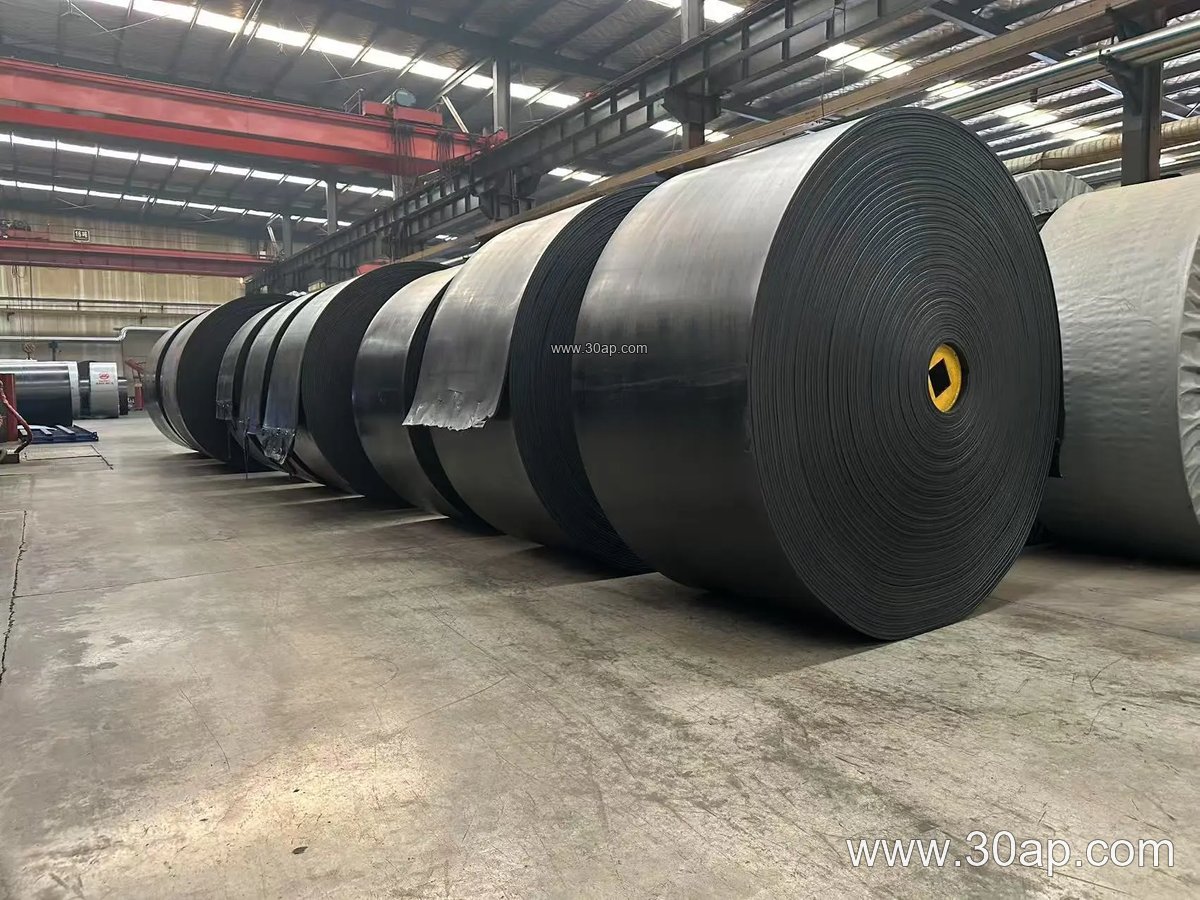
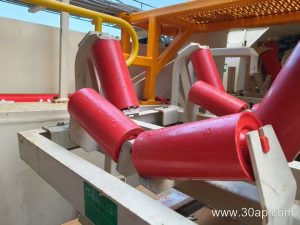
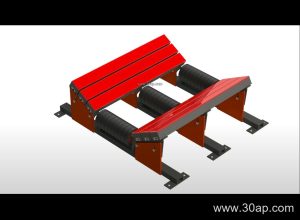
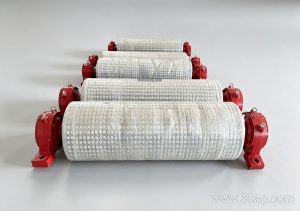
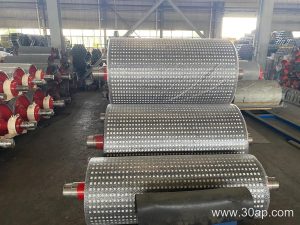
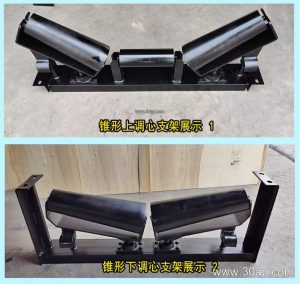
In a complete conveyor system, the ST3150 Conveyor Belt works together with conveyor pulleys, idler rollers, and conveyor brackets. Drive and tail pulleys are not interchangeable, and bend pulleys serve a different function from either. The belt’s high modulus means that pulley diameters and take-up arrangements should be matched to the belt design, not chosen by belt width alone.
Typical Applications
This belt class is common in mining and heavy industry. It can be found in iron ore, copper ore, and gold mining operations, as well as in coal mining conveyor systems where flame retardant and anti-static properties are required. Cement plants use it for clinker and limestone transport, power plants for coal handling, and quarries for crushed rock. Port conveyor belts and ship loading systems also use high-strength steel cord belts for long booms and high lift profiles.
Other belt types may suit specific needs: EP Conveyor Belt and NN Conveyor Belt for medium-duty fabric-core duties, Chevron Conveyor Belt for inclined transport, Corrugated Sidewall Conveyor Belt for steep angles, and Pipe Conveyor Belt for enclosed handling. These are alternatives for different duties, not substitutes for the ST3150 where its strength class is required.
Specifications and Reference Data
Steel cord belt grades are usually named by their nominal strength. Common grades in this family include ST1000, ST1250, ST1600, ST2000, ST2500, and ST3150 Conveyor Belt. Belt width is selected according to the conveyor design and material size; typical widths range from 800 mm to 2000 mm or more. Cover thickness might be 6+2 mm, 8+3 mm, or other combinations depending on impact and abrasion conditions. The table below shows reference values for orientation, not fixed supply commitments.
| Parameter | Reference Example |
|---|---|
| Belt type | Steel cord, ST3150 |
| Nominal strength | 3150 N/mm |
| Common widths | 1000 mm, 1200 mm, 1400 mm, 1600 mm, 1800 mm, 2000 mm |
| Cover thickness | 6+2 mm, 8+3 mm (typical options) |
| Cover grades | Abrasion resistant, heat resistant, flame retardant, oil resistant |
These values are indicative only. Actual belt design, cover grade, and cord pitch should be confirmed with the belt manufacturer for each conveyor.
Selection and Use Notes
When specifying an ST3150 Conveyor Belt, consider the maximum operating tension, pulley diameters, take-up travel, and the environment. High abrasion conditions call for thicker covers or high abrasion resistant compounds. In coal mines, flame retardant and anti-static properties are often mandatory. Heat resistant covers are needed near clinker or sinter. Cold resistant grades help in freezing climates. The belt should be stored and installed without sharp bends, and splicing should follow the belt maker’s procedure.
For any conveyor project, matching the belt to the pulley and idler layout is as important as the belt grade itself. A high-strength belt does not correct an undersized pulley or poor loading chute design. Buyers should request a belt datasheet, confirm the strength class and cover grade, and check that the selected width and cover thickness suit the actual duty. For related components such as idler roller, conveyor pulley, and conveyor bracket, separate selection guides apply.