What a Disc Idler Does on a Conveyor
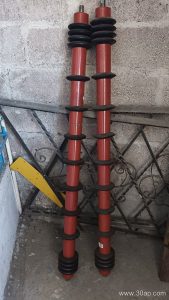
A disc idler is an idler roller built with a series of discs, usually rubber or polymer, mounted along a steel shaft or tube instead of a continuous cylindrical shell. On a belt conveyor, this disc idler supports the conveyor belt and helps absorb impact and keep sticky or lumpy material from building up on the roller surface. In a quarry, a limestone mine, a cement plant, or a power plant coal yard, the disc idler is often found where the belt receives material from a chute or crusher, because the flexible discs cushion the load and shed fines.
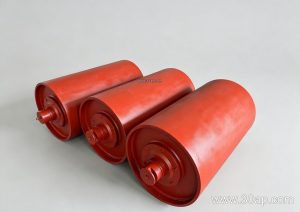
The disc idler is sometimes called a disc-type idler roller. It is a distinct idler type, not a substitute name for a drive pulley, tail pulley, or bend pulley; those are conveyor pulleys with different duties. If a plant needs to compare, a disc idler belongs to the idler roller family, while a drive pulley transmits power to the belt.
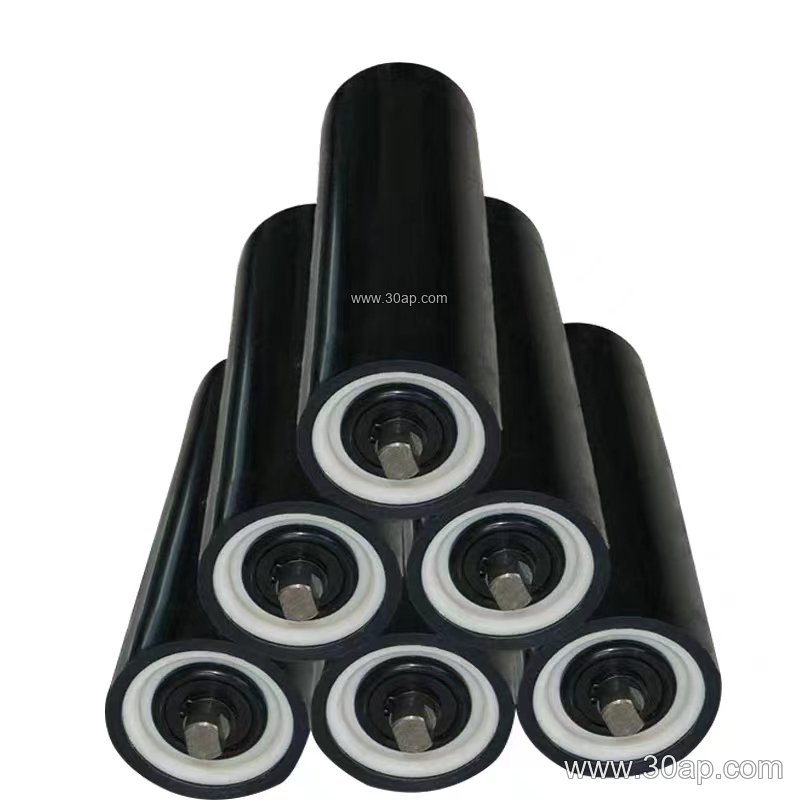
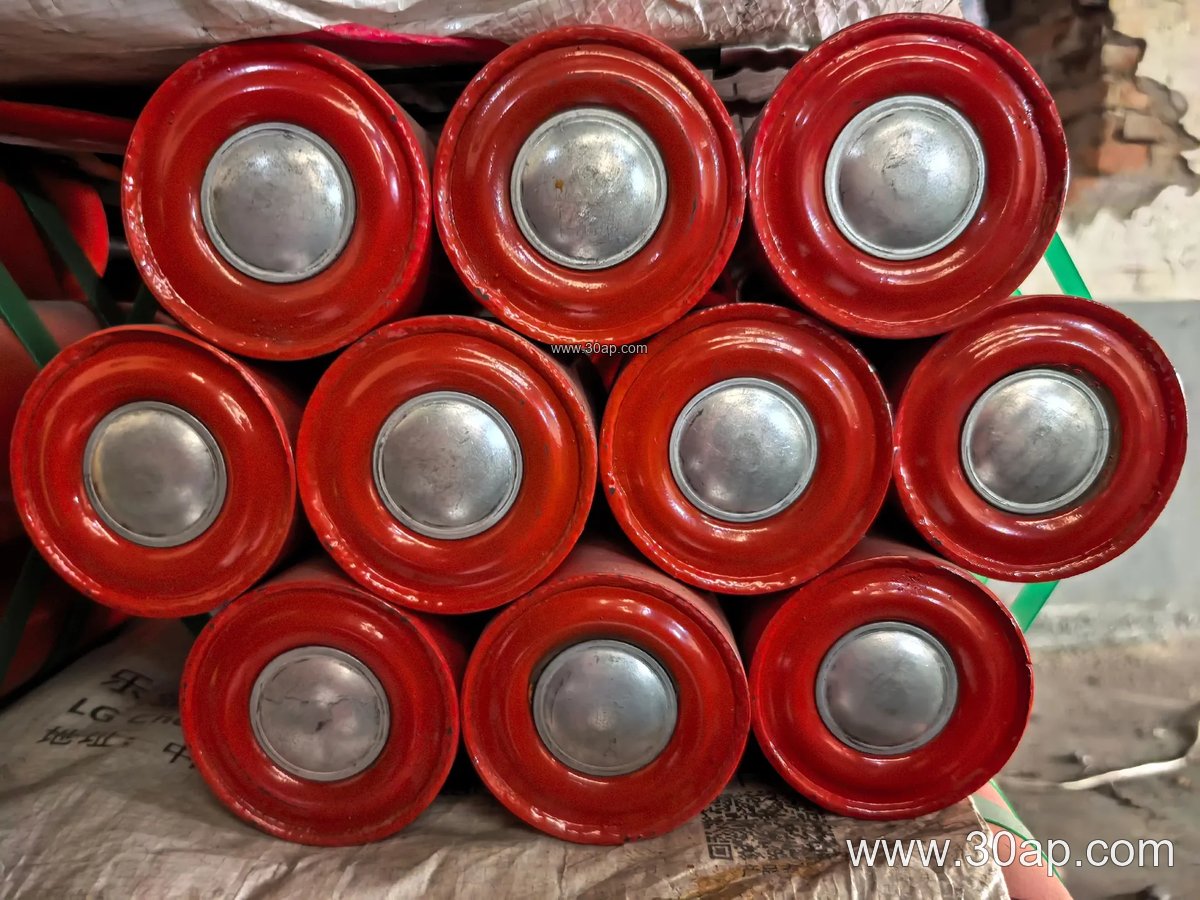
How the Disc Idler Is Built
Most disc idlers combine a steel shaft, sealed bearing housings, and a set of discs pressed or molded onto the shaft. The discs are spaced to create gaps that let debris fall away, which is useful in dusty or wet service. Common roller diameters for idlers include Ø89, Ø108, Ø127, Ø133, and Ø159 mm, and bearing sizes such as 6204, 6205, 6305, 6308, and 6310 are used depending on load and design. A disc idler is usually selected by belt width, load, and the position in the conveyor line, not by a single fixed rule.
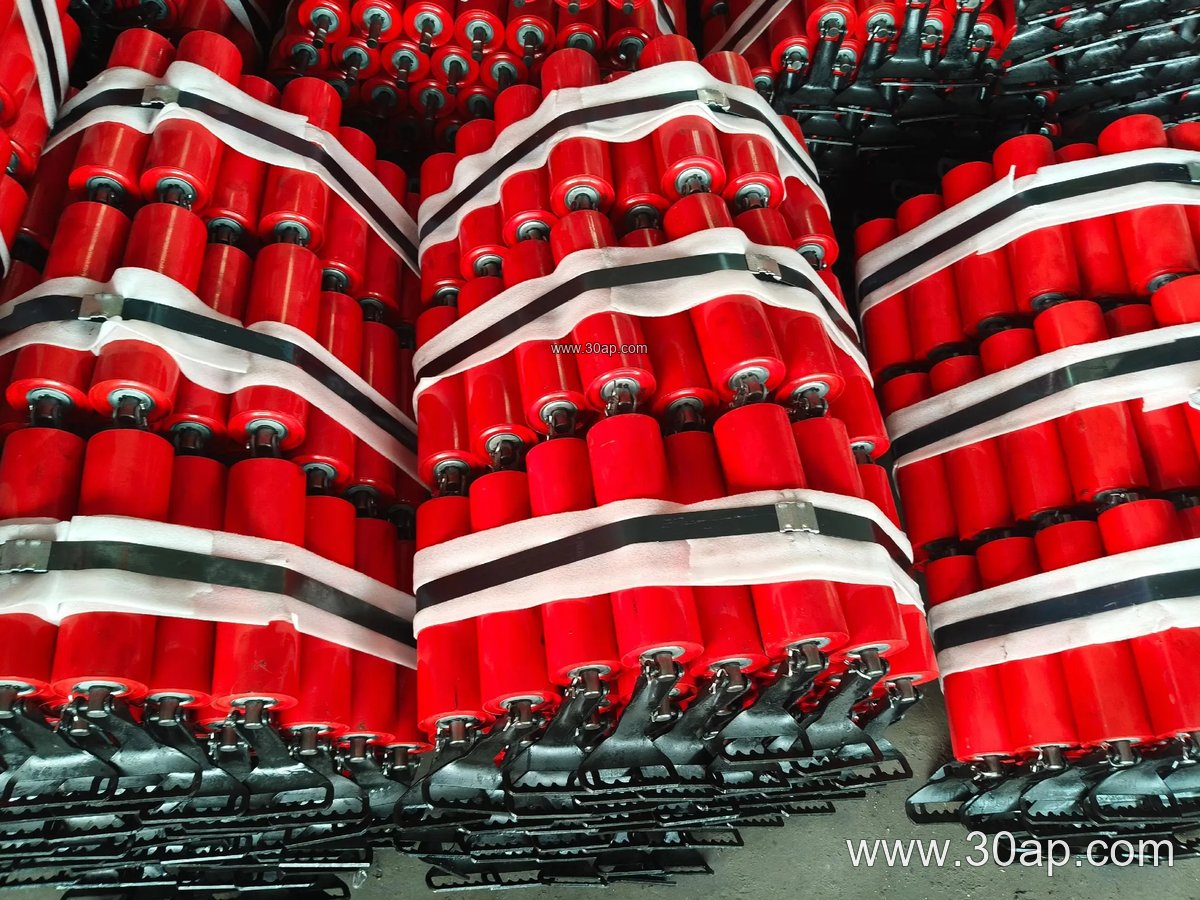
Common reference dimensions
| Parameter | Typical reference |
|---|---|
| Belt width | B500, B650, B800, B1000, B1200, B1400 mm |
| Idler diameter | Ø76, Ø89, Ø108, Ø127, Ø133, Ø159 mm |
| Disc material | Rubber, wear-resistant polymer |
| Bearing | 6204, 6205, 6305, 6306, 6308 |
| Mounting | Conveyor bracket, frame, or idler set |
These values are reference data, not a universal supply promise. The disc count, disc hardness, shaft diameter, and bearing class should be confirmed against the actual conveyor design.
Where Disc Idlers Fit in a Conveyor Line
Disc idlers are often installed at transfer points, under crusher discharge, and in sections where a heavy-duty mining conveyor belt carries wet or sticky ore. In a copper ore or iron ore operation, the disc profile can reduce material wrap on the roller, helping the belt run cleaner. In a cement plant, a disc idler may be used on clinker or limestone belts where dust and fines are present. In a coal mining conveyor belt system, flame retardant conveyor belt and fire resistant conveyor belt requirements usually govern the belt, while the idler must be matched to the load and environment.
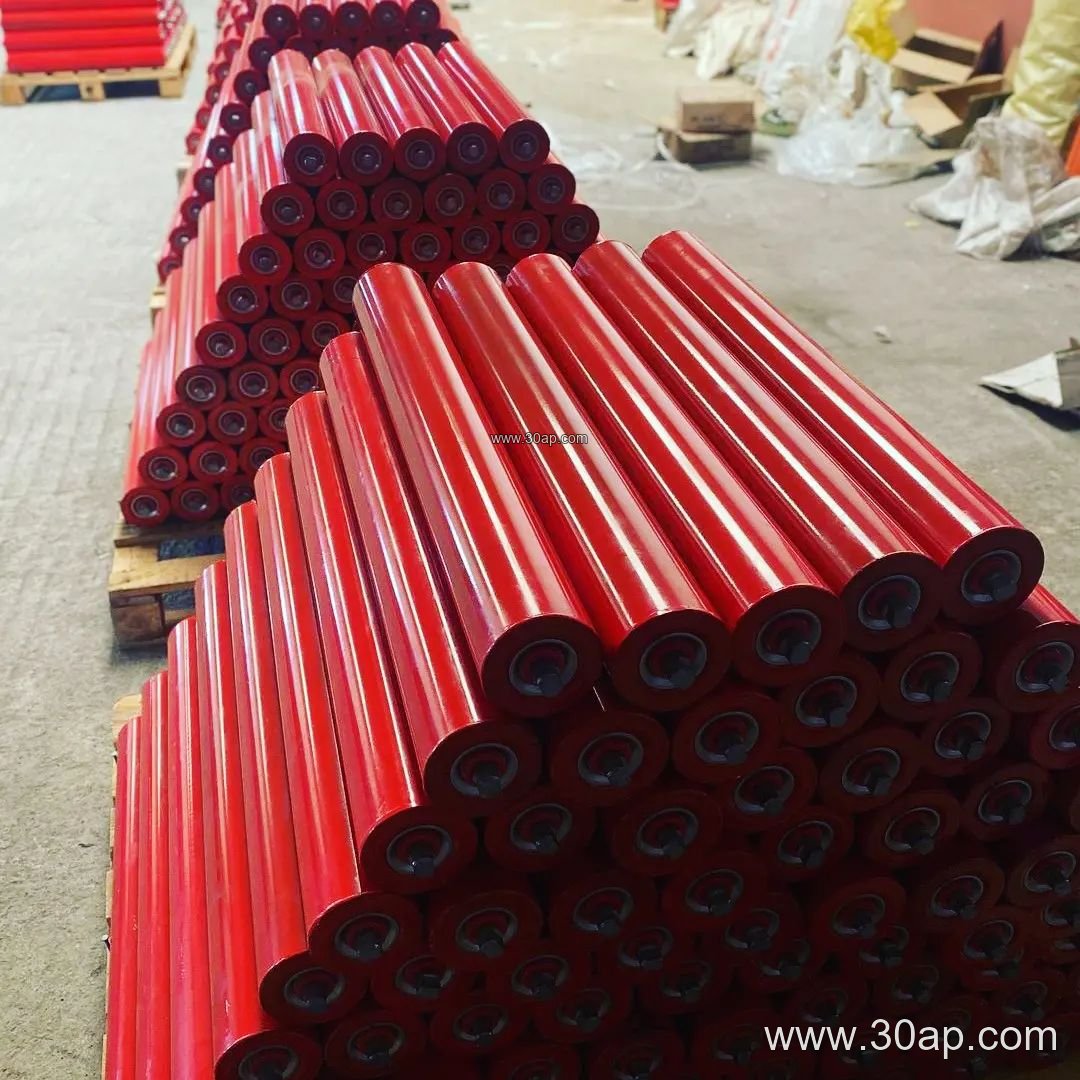
Disc idlers are not a replacement for troughing idlers, return idlers, or transition idlers. A three-roll troughing set with 20, 30, 35, or 45 degree trough angle still does the main carrying work on most lines. A disc idler is better understood as a specialized idler roller for impact, buildup, or cleaning-sensitive positions. It can be paired with a conveyor bracket and standard frame, and it should be aligned with the belt centerline and the adjacent idler set.
Selection and Maintenance Notes for Buyers
- Confirm the belt width and the idler position before choosing a disc idler; a B800 belt and a B1400 belt do not share the same roller length or bracket spacing.
- Check the belt construction. An EP conveyor belt, NN conveyor belt, steel cord conveyor belt, or multi-ply fabric core conveyor belt may call for different impact protection at the load point.
- Match the idler to the environment. Heat resistant conveyor belt, oil resistant conveyor belt, abrasion resistant conveyor belt, and cold resistant conveyor belt installations each place different demands on the roller surface and bearings.
- Inspect disc wear, bearing play, and shaft seal condition during scheduled shutdowns. Replace damaged discs before they cut or mistrack the belt.
- Keep spare disc idlers and conveyor brackets consistent with the installed frame so replacements fit without field modification.
For a quarry conveyor belt or an aggregate conveyor belt line, a disc idler can be a practical choice at the loading zone. For a long overland steel cord conveyor belt, the same product may serve only a small section. Buyers should ask for the disc pattern, disc material, bearing type, shaft size, and mounting dimensions, and should treat catalog sizes as a starting point for engineering review. The right disc idler is the one that fits the belt, the load, and the maintenance plan, not simply the one with the largest diameter.