What a PVC Mining Conveyor Belt Is
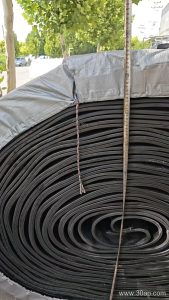
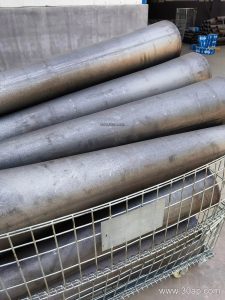
A PVC Mining Conveyor Belt is a solid-woven or fabric-reinforced belt whose covers and carcass are based on polyvinyl chloride rather than rubber. In everyday plant language it is often shortened to PVC conveyor belt, and the same product may also be called a PVC solid woven belt or PVG belt when the construction includes a PVC/nitrile blend cover for higher friction and fire resistance. It is a distinct product family from rubber-covered fabric belts, and it should not be confused with heavy steel cord or multi-ply rubber designs.
The belt is common in underground coal mining, tunnel excavation, and other enclosed conveying routes where flame spread, static build-up, and dust are constant concerns. It also appears in cement plants, power plants, and quarry operations handling moderately abrasive bulk material.
Construction and Materials
Most belts of this family use a solid woven carcass, often with a single-ply or multi-ply weave, impregnated and coated with PVC compound. The cover can be pure PVC or a PVC/nitrile rubber blend, which improves grip and oil resistance. Typical cover thicknesses follow the common industrial range, such as 3+1.5 mm, 4+2 mm, 5+2 mm, or 6+2 mm, with the first figure being the top cover and the second the bottom cover. Carcass strength is graded by design, and manufacturers may quote figures such as 680 N/mm, 800 N/mm, or 1000 N/mm for particular constructions; these are reference values only.
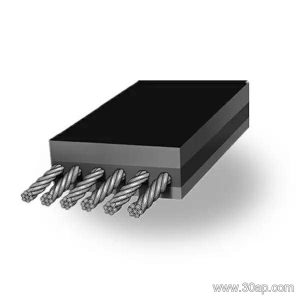
Because the body is thermoplastic, the belt can be spliced by hot vulcanizing or by mechanical fasteners, and it resists moisture better than many rubber constructions. It is also naturally anti-static when formulated correctly and can be made flame retardant for underground service. For comparison, an EP Conveyor Belt or NN Conveyor Belt uses rubber covers over EP or nylon fabric, while a Steel Cord Conveyor Belt relies on steel tension members for very long, high-tension routes.
Where It Fits in the Plant
Underground coal mining is the classic application, where the belt runs on idler rollers between a drive pulley and a tail pulley, with bend pulleys guiding the return strand. The same belt suits:
- Coal preparation plants and coal handling systems
- Underground mining and tunnel conveyors
- Cement plants and clinker handling
- Power plant coal yards and ash routes
- Quarries, sand and gravel plants, and aggregate yards
- Crusher discharge and screening feed lines
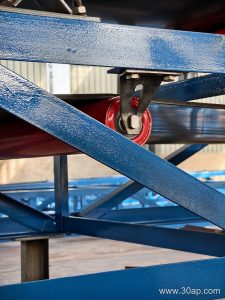
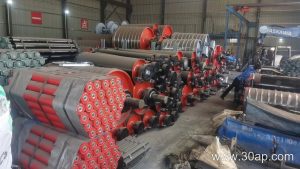
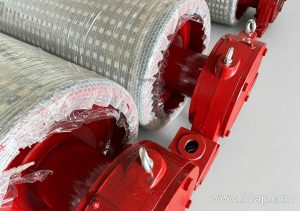
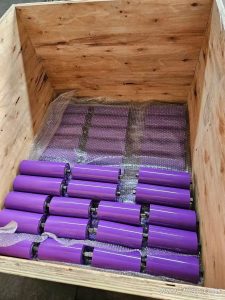
On these routes, conveyor pulleys, conveyor brackets, and idler roller sets must be matched to the belt width and tension so the belt tracks straight and wears evenly.
Common Widths and Strength Grades
Belt width is selected from the conveyor design, not the other way around. Common widths in this family include B500, B650, B800, B1000, B1200, B1400, B1600, B1800, and B2000. Strength grades vary by maker and by carcass construction. A short reference table for planning discussions:
| Parameter | Typical Reference Range |
|---|---|
| Belt width | B500 to B2000 (common) |
| Cover thickness | 3+1.5 mm to 8+3 mm |
| Carcass | Solid woven, 1 to 4 plies by design |
| Strength grade | Often 680 to 1250 N/mm, confirm with supplier |
| Surface form | Smooth, chevron, or with sidewalls |
Width and pulley diameter should be matched by the conveyor designer. No single belt width fixes one pulley diameter or one shaft size.
Surface Forms and Related Variants
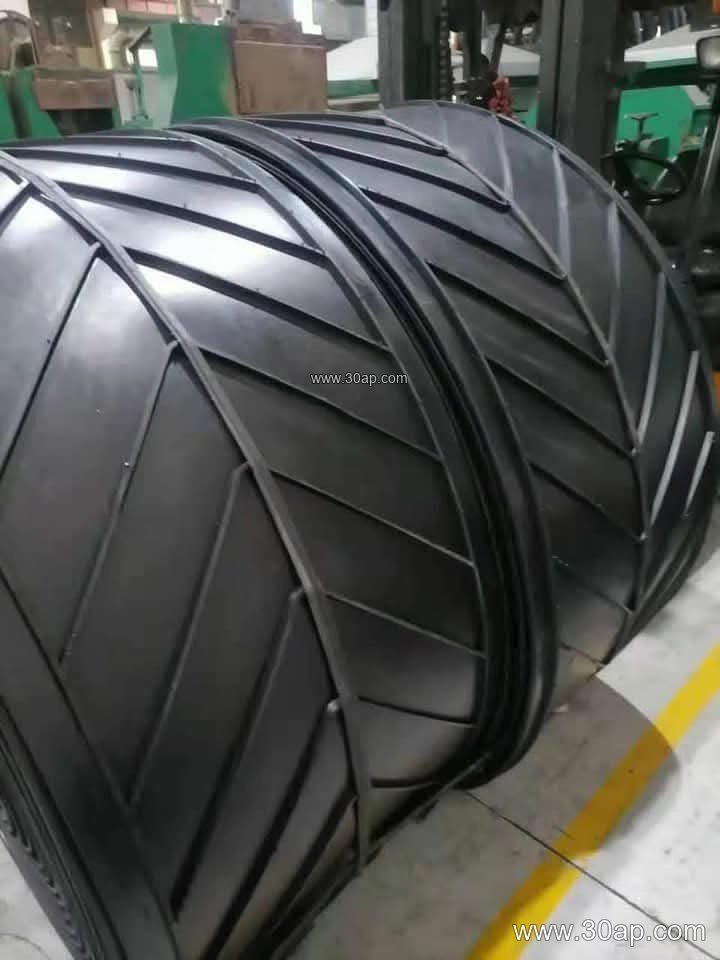
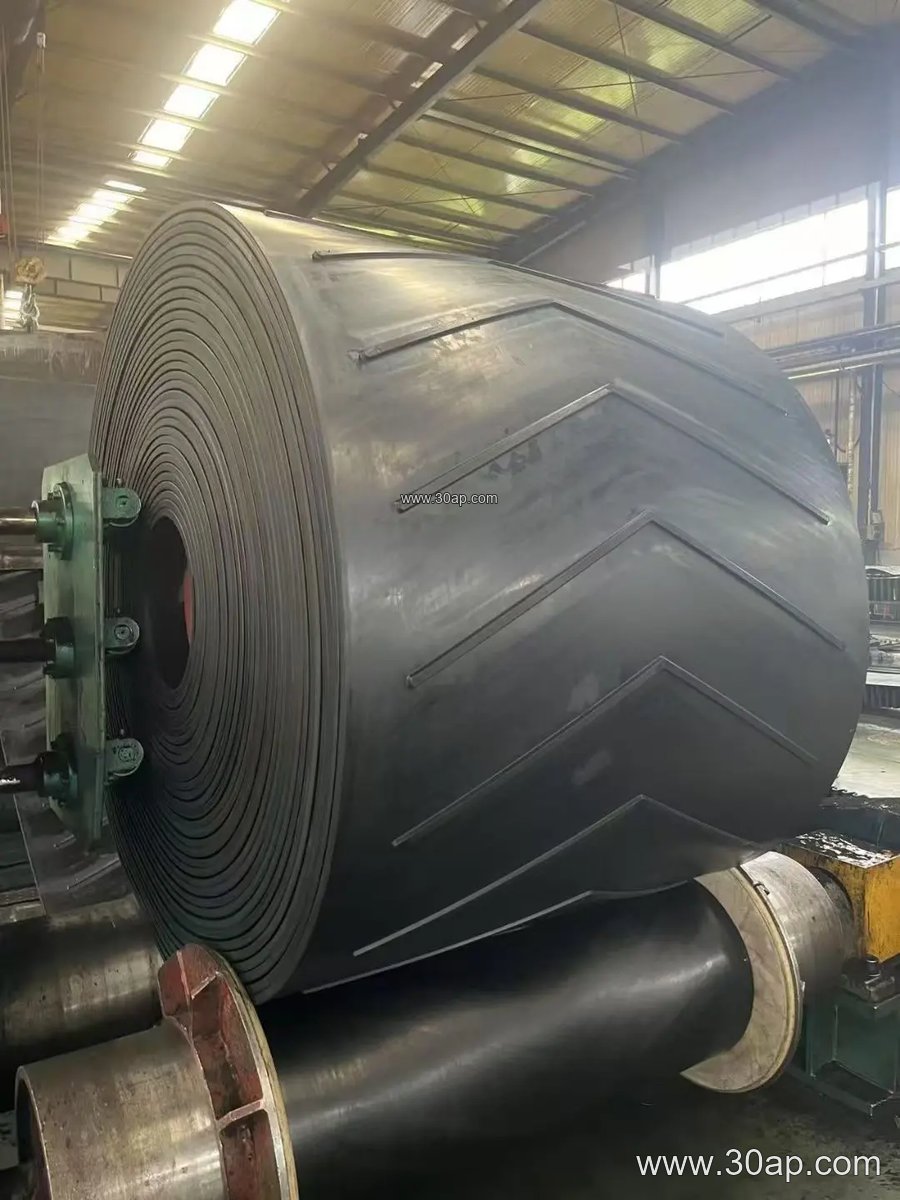
For inclined haulage, a Chevron Conveyor Belt profile helps hold material on the slope. Where material must be contained on steep or space-limited routes, a Corrugated Sidewall Conveyor Belt with cross cleats is a separate construction. A Skirted Conveyor Belt and a Pipe Conveyor Belt serve different containment needs and are not replacements for the standard flat PVC mining belt.
Heat Resistant Conveyor Belt grades, Oil Resistant Conveyor Belt covers, and Abrasion Resistant Conveyor Belt compounds address specific conditions. In coal service, a Flame Retardant Conveyor Belt and Anti-Static Conveyor Belt specification is usually required, and the same applies to Fire Resistant Conveyor Belt grades for underground work.
Buyer Checklist
- Confirm the material, lump size, moisture, and temperature at the transfer point.
- State the required flame retardancy and anti-static performance for the site.
- Give the belt width, center distance, incline, and expected tonnage so the supplier can propose a strength grade.
- Check cover thickness against abrasion and impact, especially at crusher discharge.
- Confirm splice method and whether mechanical fasteners or vulcanized joints are preferred.
- Review idler roller spacing, pulley lagging, and bracket condition before fitting a new belt.
For general material handling outside hazardous zones, a rubber belt such as an EP or NN fabric belt may be more economical. In enclosed coal or tunnel service, however, the PVC Mining Conveyor Belt remains a practical choice when flame spread and static control are priorities.