What a PVC Conveyor Belt Is
A PVC conveyor belt is a light to medium-duty belt whose cover and carcass are built around polyvinyl chloride. In bulk handling it is often chosen for its balance of flexibility, abrasion resistance and cost, and it appears in mining, quarry, cement, power plant and sand and gravel operations where belts run on idler rollers and conveyor pulleys. The same product is also called a polyvinyl chloride conveyor belt, and that equivalent name appears on many data sheets.
How the Belt Is Built
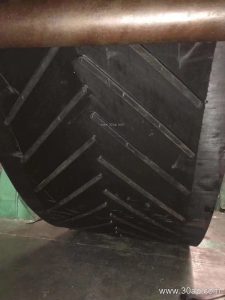
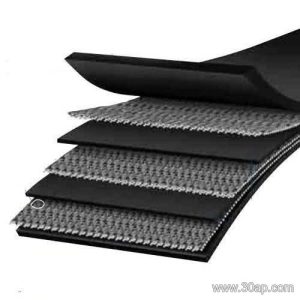
The carcass usually consists of fabric plies, often two to six layers, bonded with PVC. The cover compound is formulated for the duty: a standard abrasion resistant conveyor belt cover for stone and aggregate, a flame retardant conveyor belt grade for underground coal mining conveyors, or an oil resistant conveyor belt cover where lubricants and fuels are present. Surface forms such as chevron conveyor belt profiles or corrugated sidewall conveyor belt edges are available when the conveyor must handle inclines or contain material.
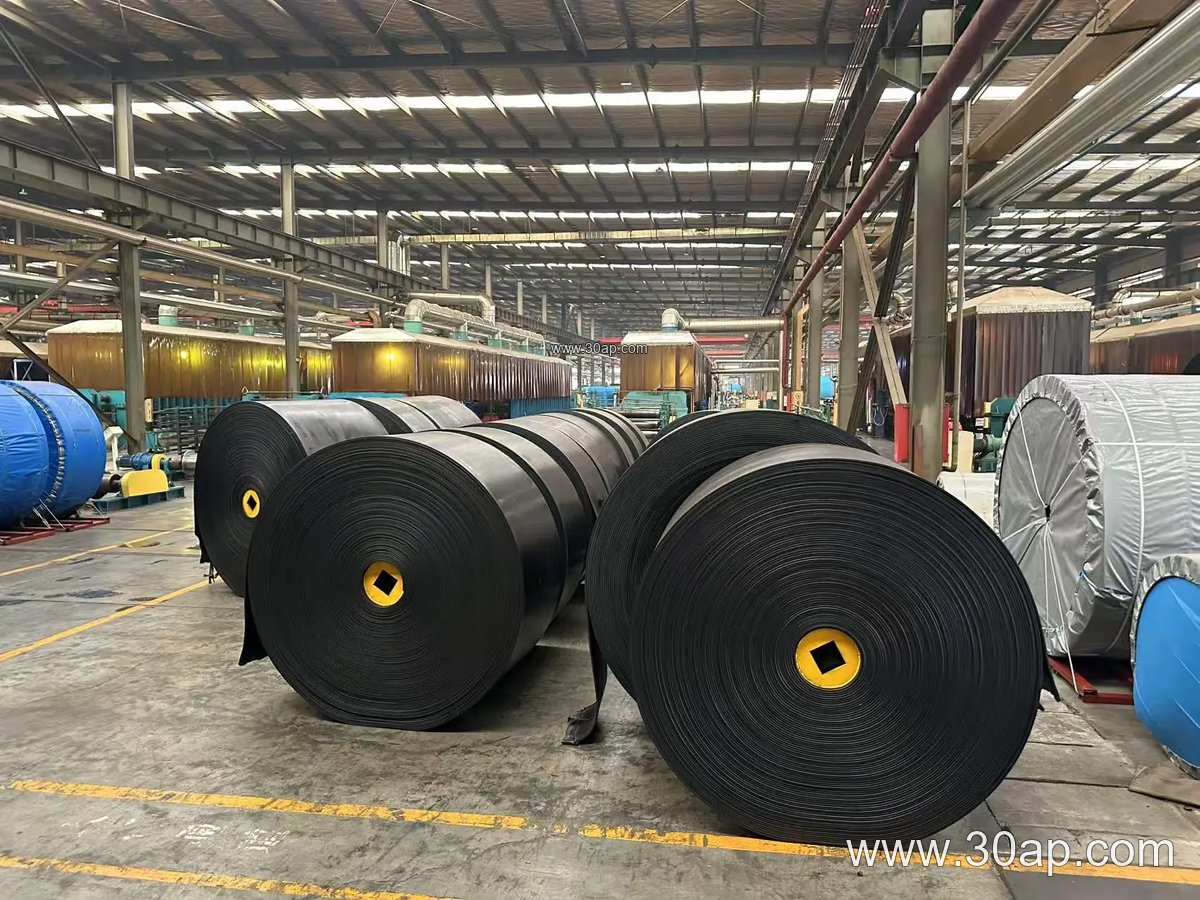
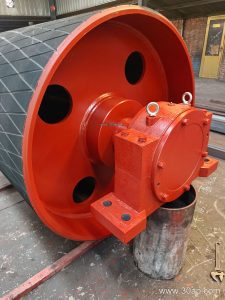
Because the belt is relatively light, it can be spliced into an endless conveyor belt on site. Tension is carried by the fabric core, so the belt must be matched to the conveyor pulley and idler roller layout, not selected by width alone.
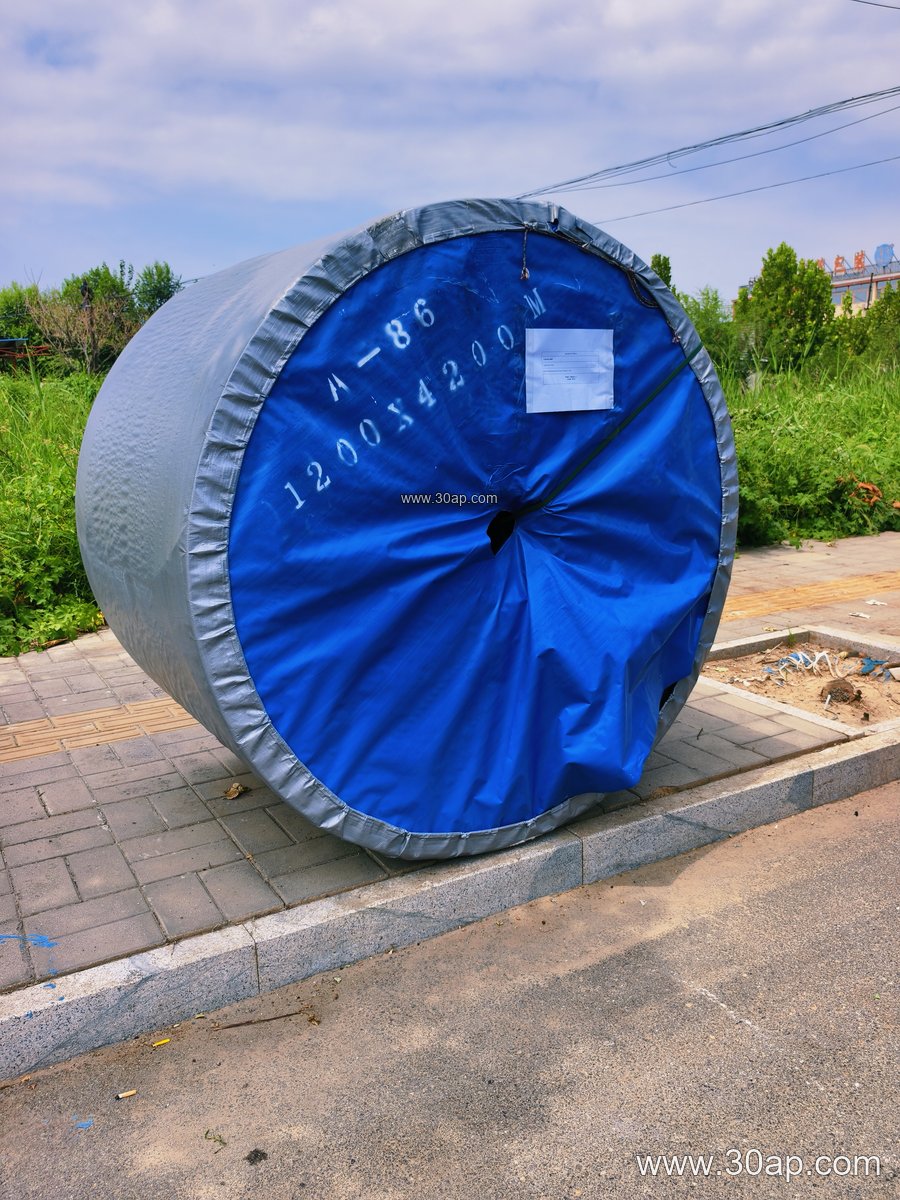
Where It Fits in the Plant
Typical duties include crusher conveyor belt feeds, quarry conveyor belt runs, cement plant conveyor belt transfers and power plant conveyor belt lines handling coal or limestone. In a sand making plant conveyor belt, a PVC belt can serve as a secondary or tertiary transfer belt where abrasion is moderate and the material is not hot. In recycling conveyor belt systems it handles mixed dry waste. For heavier primary crushing or long overland hauls, an EP conveyor belt, NN conveyor belt, steel cord conveyor belt or multi-ply fabric core conveyor belt is usually compared at the selection stage; a PVC mining conveyor belt is not a direct substitute for those high-tension designs.
Common Reference Dimensions
Belt widths are stated as B500, B650, B800, B1000, B1200, B1400, B1600, B1800 and B2000, and wider or extra-wide belts can be engineered. Cover thickness is often written as 3+1.5, 4+2, 5+2, 6+2 or 8+3 mm. The table below lists common reference values; actual supply depends on the manufacturer and the conveyor design.
Reference Data for PVC Belts
| Item | Common Reference |
|---|---|
| Belt width | B500, B650, B800, B1000, B1200, B1400, B1600, B1800, B2000 |
| Fabric plies | 2 to 6 |
| Cover thickness | 3+1.5, 4+2, 5+2, 6+2, 8+3 mm |
| Surface forms | plain, chevron, corrugated sidewall, skirted |
| Duty grades | abrasion resistant, flame retardant, oil resistant, anti-static |
The table is a starting point, not a fixed match. A B800 belt does not dictate one pulley diameter, and shaft size must be calculated from the conveyor load and pulley design.
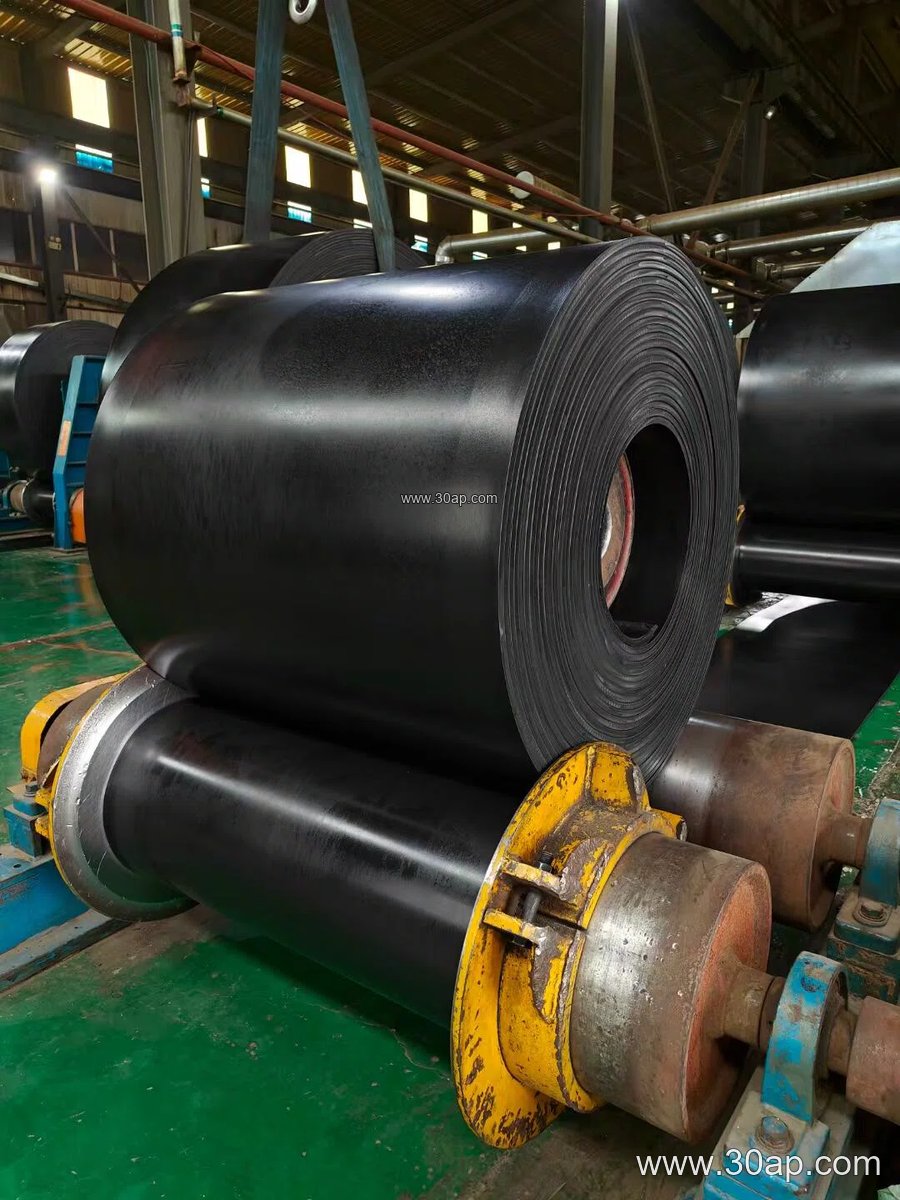
Buyer Checklist
- Confirm the material, lump size and temperature; hot clinker or sinter needs a heat resistant conveyor belt rather than a standard PVC cover.
- Check whether the conveyor runs underground; underground coal mining conveyor belt rules usually call for flame retardant and anti-static properties.
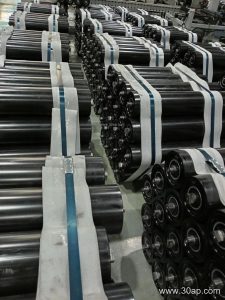
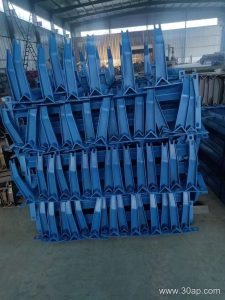
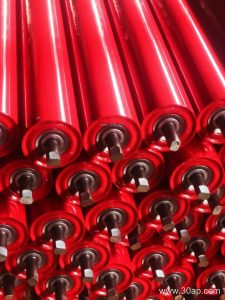
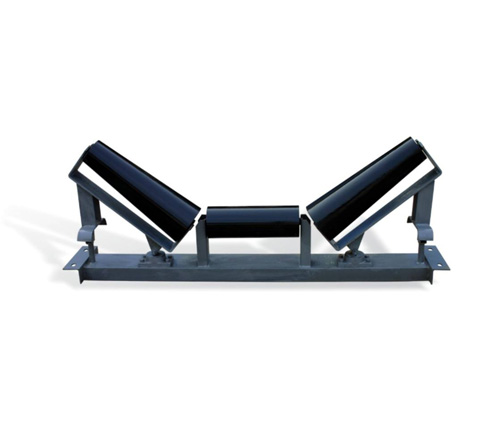
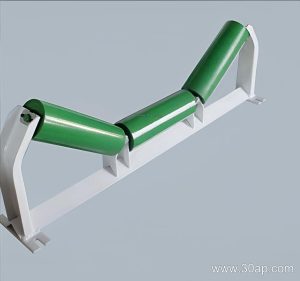
- Measure the existing conveyor pulley, idler roller and conveyor bracket positions so the new belt fits the frame.
- Decide on splicing: endless conveyor belt supply reduces downtime but requires access for installation.
- For very abrasive ore or long lifts, compare EP1000, EP1250 or steel cord ST1000 classes before committing to a PVC belt.
Installation and Care
Store belts away from direct sunlight and sharp edges. During installation, check that the belt tracks centrally on the tail pulley and that every idler roller turns freely. Keep the belt cleaner and the pulley lagging in good condition; a misaligned belt wears its edges quickly. Inspect covers for cuts and exposed fabric, and repair small damage before it reaches the carcass. In cement and aggregate plants, clean spillage from the conveyor bracket area so material does not build up against the belt return side.
When the duty moves toward heavy rock, iron ore or copper ore, recheck the belt class. A heavy-duty mining conveyor belt, high abrasion resistant conveyor belt or high strength conveyor belt may be the better long-term choice, while the PVC belt remains a sensible option for medium loads, moderate abrasion and layouts where light weight and easy splicing matter.