What a Carrying Trough Idler Does on the Line
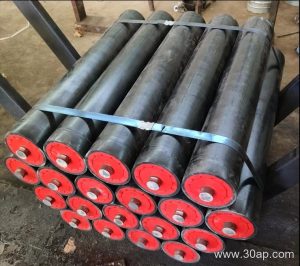
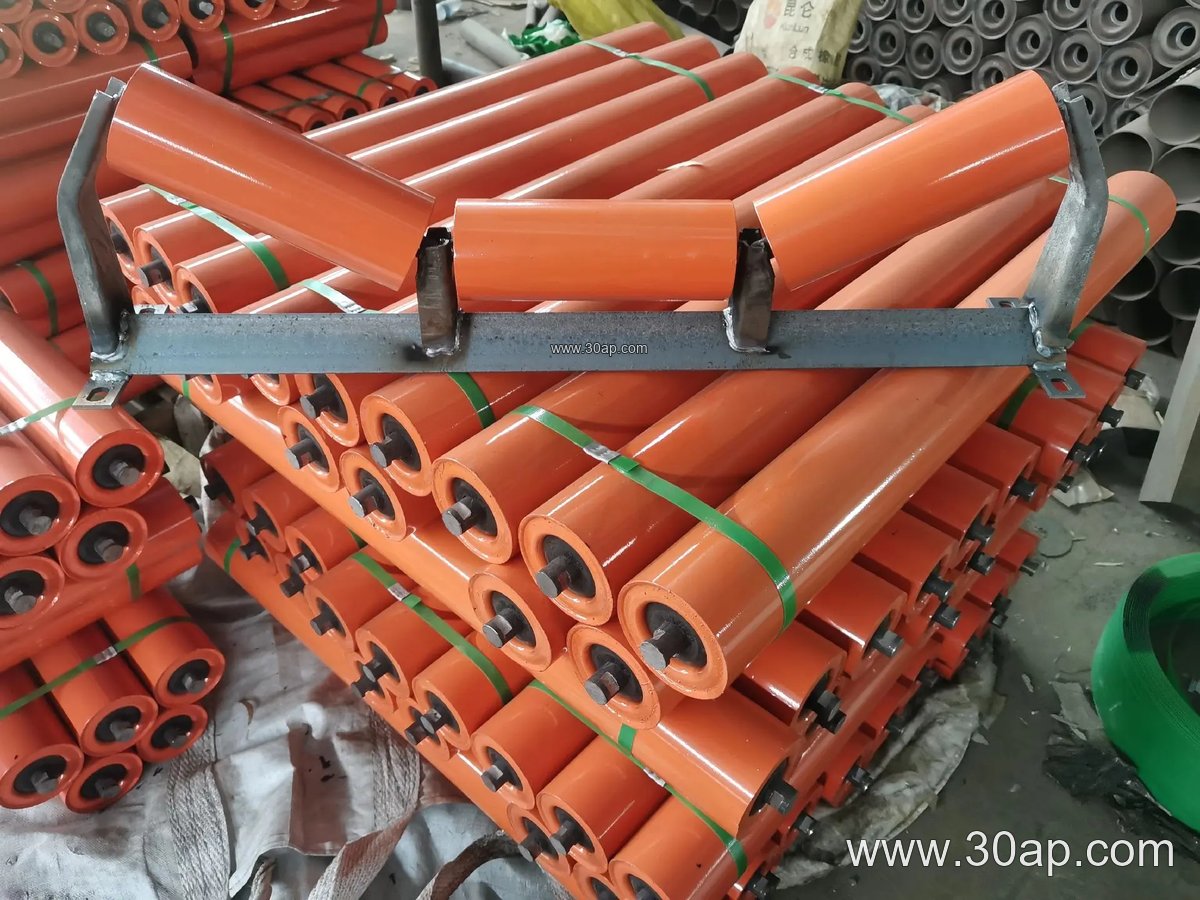
A carrying trough idler is the roller set that supports the loaded side of a conveyor belt and shapes it into a trough. The three rolls of a typical set sit at an angle to each other, so loose material settles toward the center instead of spilling over the edges. This is the working position where most of the belt load is carried, which makes the trough idler one of the most heavily used components on a bulk handling conveyor.
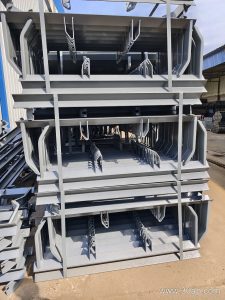
On a quarry conveyor belt or an aggregate conveyor belt moving crushed stone, the trough angle keeps the load centered through curves and slight misalignment. In a coal mining conveyor belt or a power plant coal conveyor belt, the same carrying trough idler set helps contain fines and reduces spillage along the transfer points. The roller assembly is usually bolted into a conveyor bracket fixed to the stringer, so replacing a worn roll does not require removing the whole frame.
How the Roller Set Is Built
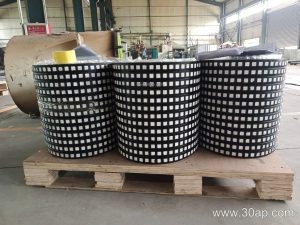
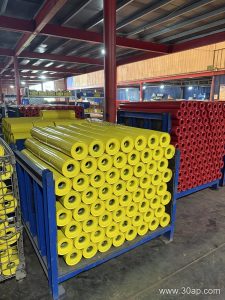
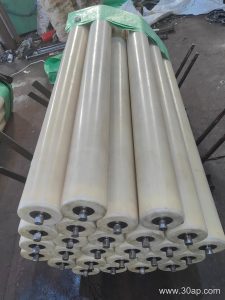
Each roll in a carrying trough idler generally has a steel tube shell, a shaft, bearing housings at both ends, and a sealing arrangement. Common roller diameters include Ø89, Ø102, Ø108, Ø127, Ø133 and Ø159, with larger sizes such as Ø178 or Ø194 used where belt width and load demand it. The shell can be plain steel, nylon coated, ceramic covered, or fitted with rubber rings when impact and noise need attention.
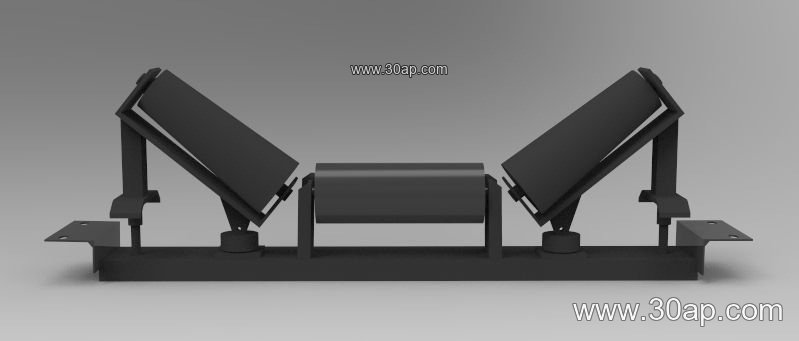
Bearings are usually selected from standard deep groove ball bearing sizes such as 6204, 6205, 6305, 6306, 6308 and 6310. The bearing choice is not tied to one roller diameter; it depends on load, speed and seal design. A good seal keeps dust out and grease in, which matters in cement plants, limestone mines and iron ore operations where fine abrasive material is everywhere.
Trough Angles, Roll Lengths and Belt Width
The trough angle affects how deep the belt sits and how much material it can hold. Common angles are 20 degrees, 30 degrees, 35 degrees and 45 degrees. A 35 degree trough is widely used for general bulk material, while 45 degrees may suit a narrower belt handling a free-flowing load. The roll length changes with belt width, trough angle and the number of rolls in the set.
For a three-roll carrying trough idler, common roll lengths are roughly 200 mm for B500, 250 mm for B650, 315 mm for B800, 380 mm for B1000, 465 mm for B1200, 530 mm for B1400, 600 mm for B1600, 670 mm for B1800 and 750 mm for B2000. These are examples, not fixed matches, and the side rolls can differ from the center roll. A 1200mm wide conveyor belt, for instance, may use a different roll length than a 1400mm or 1500mm wide conveyor belt depending on the frame design.
Where the Trough Idler Fits in Different Industries
In a sand and gravel plant, carrying trough idlers sit under the belt between the crusher and the screening deck, where dust and small stones are constant. In a cement plant, they support clinker and raw meal along enclosed galleries, and the seal quality directly affects how long the roller lasts. In a steel plant or sinter plant, heat and abrasive sinter fines put extra pressure on the roller shell and bearing area.
Trough idlers are also common on pipe conveyor belt systems and corrugated sidewall conveyor belt lines, where the belt must stay stable while holding a deep load. On a chevron conveyor belt running up an incline, the trough set still controls the belt profile, even though the cleats handle the grip. A skirted conveyor belt may need a slightly different roller spacing so the skirt rubber does not rub against the rolls.
Buyer Checklist Before Ordering
- Confirm belt width and trough angle, since these drive the roll length and frame geometry.
- Check the roller diameter and bearing size against the actual load and belt speed.
- Match the shell material to the environment: rubber rings for impact, ceramic for severe abrasion, plain steel for general duty.
- Ask about seal type and lubrication, especially for coal mining conveyor belt and underground mining conveyor belt service.
- Verify the bracket hole spacing and mounting dimensions before shipment.
- Consider spare rolls and complete trough sets for planned maintenance stops.
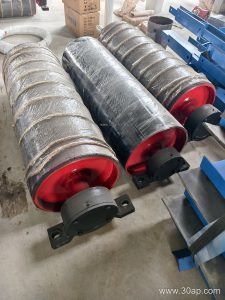
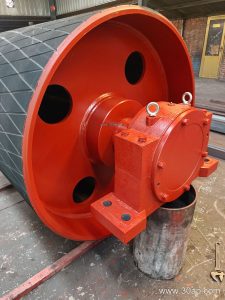
Matching the carrying trough idler to the belt and the material is more important than choosing the largest size available. A well selected trough set keeps the belt tracking, protects the conveyor pulley and reduces downtime on any bulk handling line.