What a 1800mm Conveyor Belt Is
A 1800mm conveyor belt is a wide heavy-duty belt designed for high-capacity bulk material handling. The 1800mm figure refers to the belt width, a key dimension that determines the volume of material the system can transport. These belts are common in mining, coal preparation, cement plants, power stations, and large quarry or aggregate operations where throughput requirements are high. A 1800mm wide conveyor belt is often specified when standard widths such as 1200mm or 1400mm cannot deliver the required tons per hour without excessive belt speed or multiple parallel lines.
At this width, the belt must handle significant tension and load. It is typically manufactured with a fabric core or steel cord reinforcement. Common constructions include EP conveyor belt (polyester-cotton), NN conveyor belt (nylon-nylon), and steel cord conveyor belt for very long or high-tension conveyors. The cover rubber compound is selected to resist abrasion, heat, oil, or flames depending on the application. For example, a mining conveyor belt in a coal mine may require flame retardant and anti-static properties, while a cement plant might prioritize heat resistance and abrasion resistance.
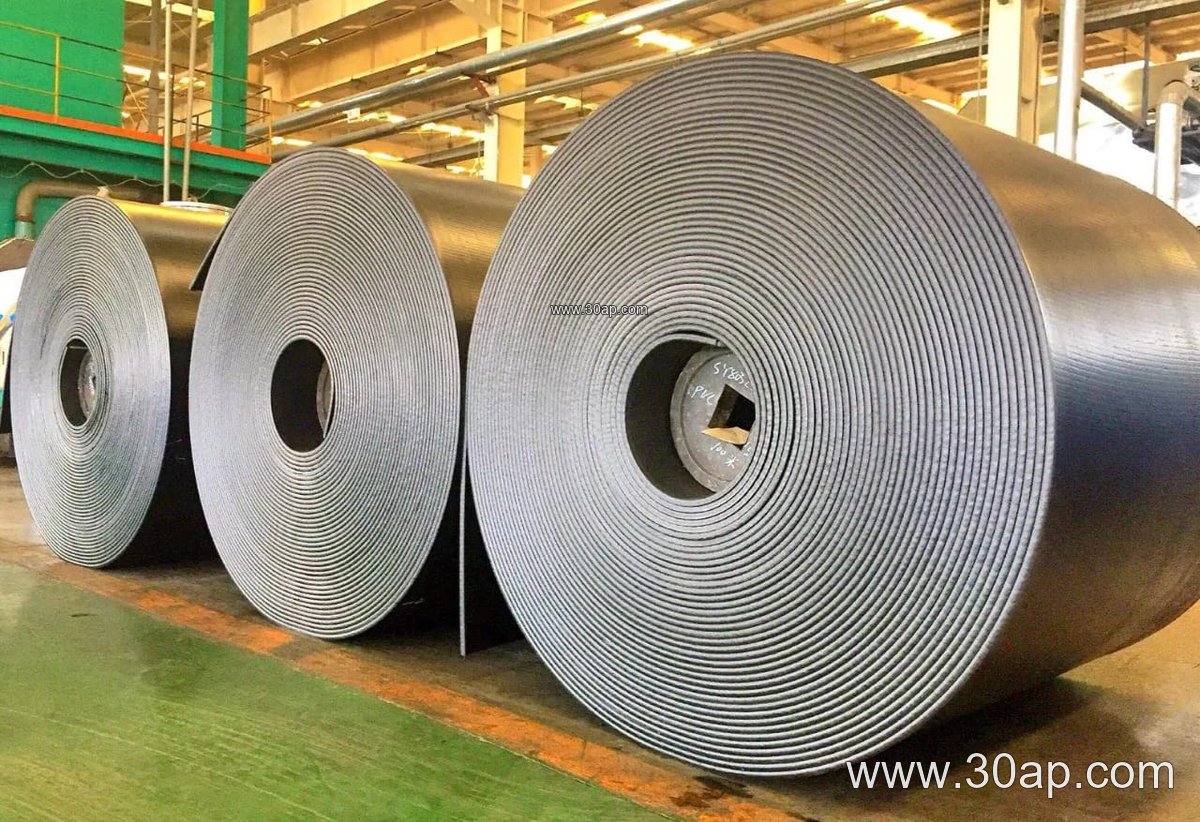
Construction and Key Components
The 1800mm conveyor belt is built around a carcass that provides strength and dimensional stability. Fabric core belts use multiple plies of EP or NN fabric, often 2 to 6 layers, embedded in rubber. Steel cord belts use parallel steel wires for maximum tensile strength. The top and bottom covers protect the carcass from impact, abrasion, and environmental attack. Typical cover thicknesses for heavy-duty belts range from 4+2 mm to 8+3 mm, with thicker covers for high-impact or abrasive materials.
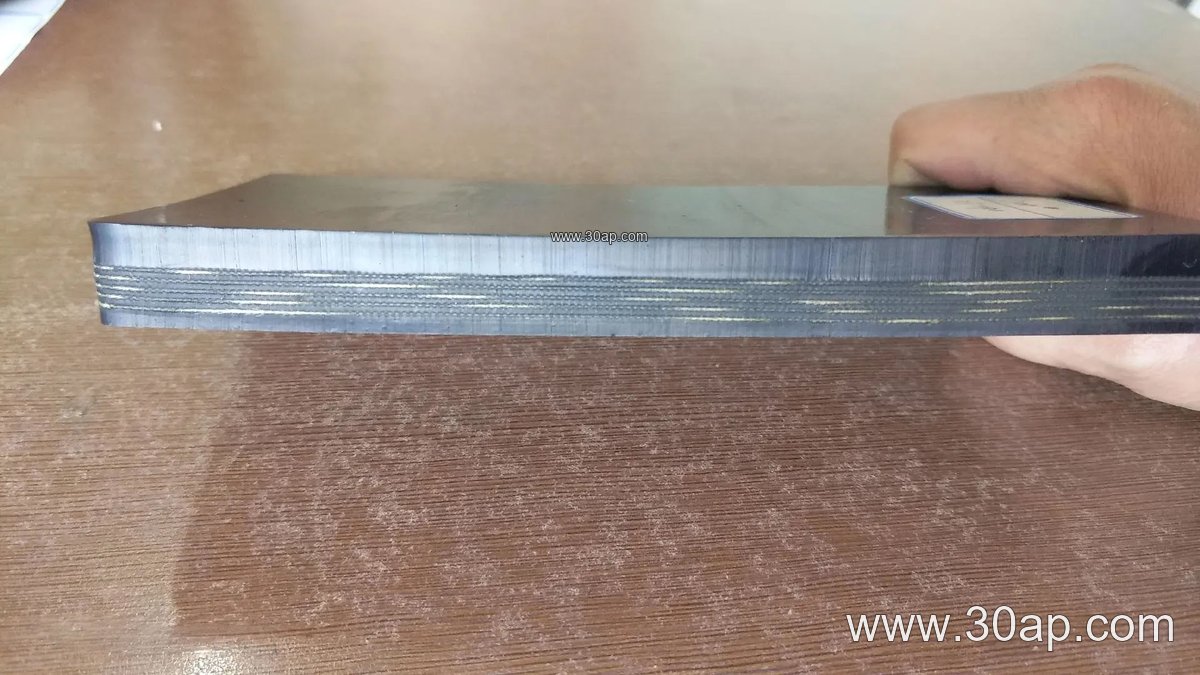
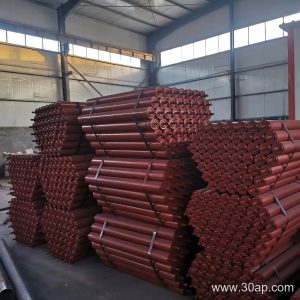
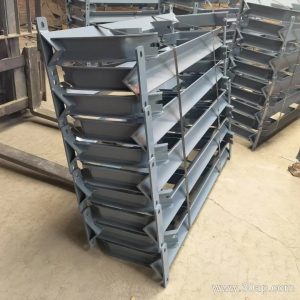
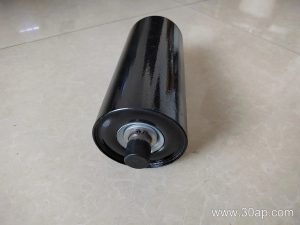
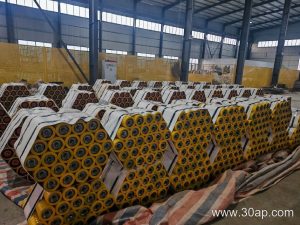
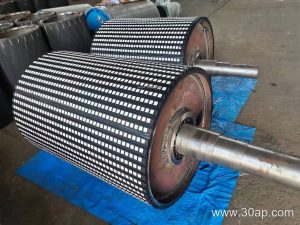
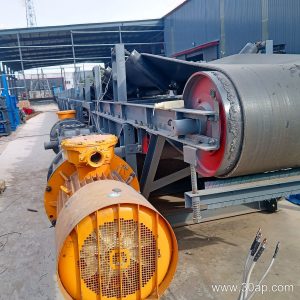
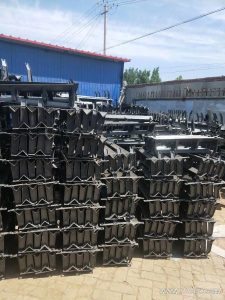
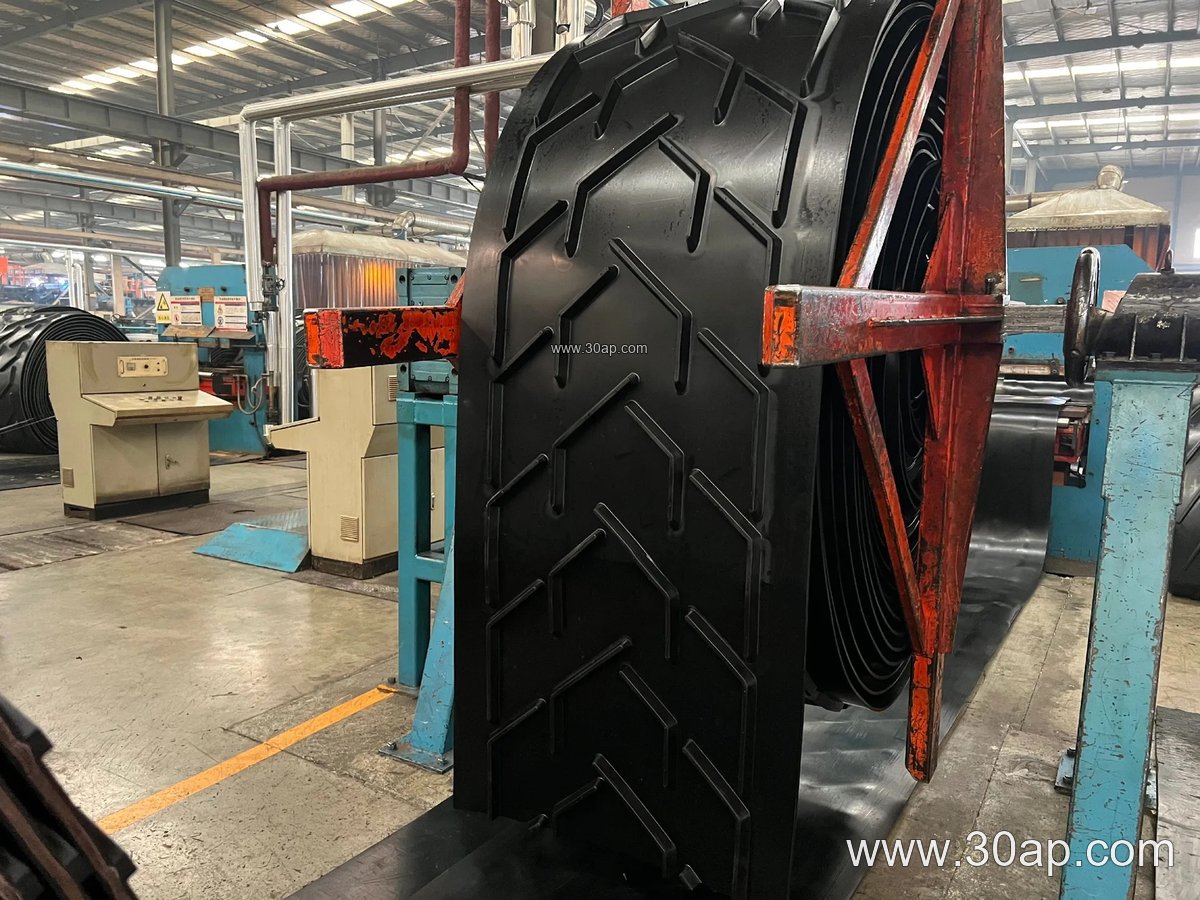
Edge construction is critical at this width to prevent fraying and belt tracking problems. The belt may have cut edges or molded edges, and some designs include a chevron conveyor belt pattern or corrugated sidewall for inclined conveying. A skirted conveyor belt can contain material on the wide surface, while a pipe conveyor belt is a different subtype not typically available in 1800mm width. The belt works together with conveyor pulleys, idler rollers, and conveyor brackets to form a complete system. The drive pulley, tail pulley, and bend pulleys are not interchangeable and must be selected based on the belt tension and load.
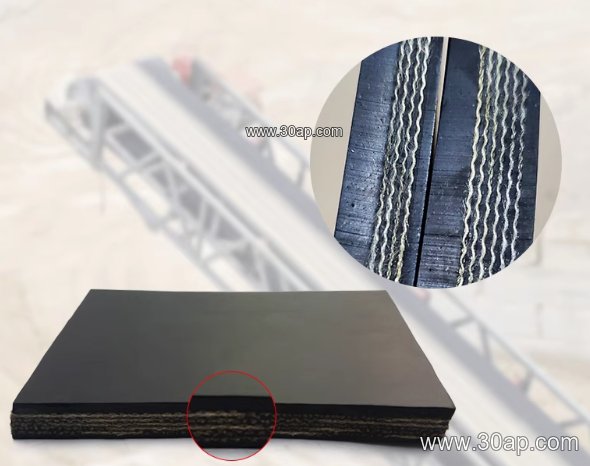
Common Specifications and Reference Data
When specifying a 1800mm conveyor belt, buyers should consider tensile strength, number of plies, cover thickness, and rubber grade. The table below lists typical reference values; actual requirements depend on the conveyor design and operating conditions.
| Parameter | Common Range or Example |
|---|---|
| Belt width | 1800mm (also written B1800) |
| Fabric core type | EP or NN, 2 to 6 plies |
| EP strength grades | EP200, EP315, EP400, EP500, EP630, EP800, EP1000, EP1250, EP1600, EP2000 |
| Steel cord strength grades | ST1000, ST1250, ST1600, ST2000, ST2500, ST3150 |
| Cover thickness (top+bottom) | 4+2 mm, 5+2 mm, 6+2 mm, 8+3 mm |
| Special properties | Abrasion resistant, heat resistant, oil resistant, flame retardant, anti-static, cold resistant |
These values are for reference only. A 1800mm belt does not have a fixed shaft diameter or pulley size; those are determined by the conveyor engineer based on belt tension, pulley face width, and load. For instance, an EP1000 1800mm conveyor belt may run on different pulley diameters than an EP1250 1800mm belt or a steel cord ST2000 belt. Always confirm the belt specification with the conveyor design.
Applications in Industry
The 1800mm conveyor belt is widely used in sectors that move large volumes of bulk material. In the mining industry, it transports ore, coal, and waste rock. Underground mining conveyor belts and coal mining conveyor belts often require flame retardant and anti-static properties. In cement plants, heat resistant conveyor belts handle clinker and raw meal. Power plants use these belts for coal handling, while quarries and aggregate operations rely on abrasion resistant conveyor belts for crushed stone and sand. Ports and ship loading facilities use wide belts for fast loading and unloading.
Other applications include steel plants, recycling facilities, and construction sites. In all these cases, the belt must be matched with reliable conveyor pulleys, idler rollers, and conveyor brackets to ensure smooth operation and long service life. A 1800mm wide conveyor belt can also be supplied as an endless conveyor belt for specific conveyor layouts, reducing splice time and improving reliability.
Buyer Checklist
- Confirm the required belt width and whether 1800mm is the exact face width or a nominal size.
- Specify the carcass type and strength grade based on maximum belt tension and safety factor.
- Select cover rubber grade and thickness according to material abrasiveness, temperature, and oil content.
- Consider special features such as chevron pattern, sidewalls, or flame retardant properties for the working environment.
- Verify compatibility with existing conveyor pulleys, idler rollers, and brackets, especially at the belt edges.
- Ask for the manufacturer’s recommended storage, splicing, and maintenance procedures.
For more information on 1800mm conveyor belts and related components, visit our website at www.example.com/conveyor-belt or www.example.com/1800mm-conveyor-belt. Our team can help you select the right belt for your mining, cement, or power plant application.