Understanding Conveyor Belt Construction
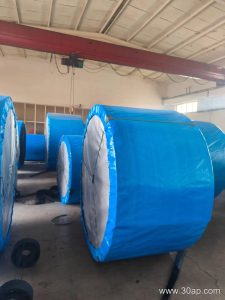
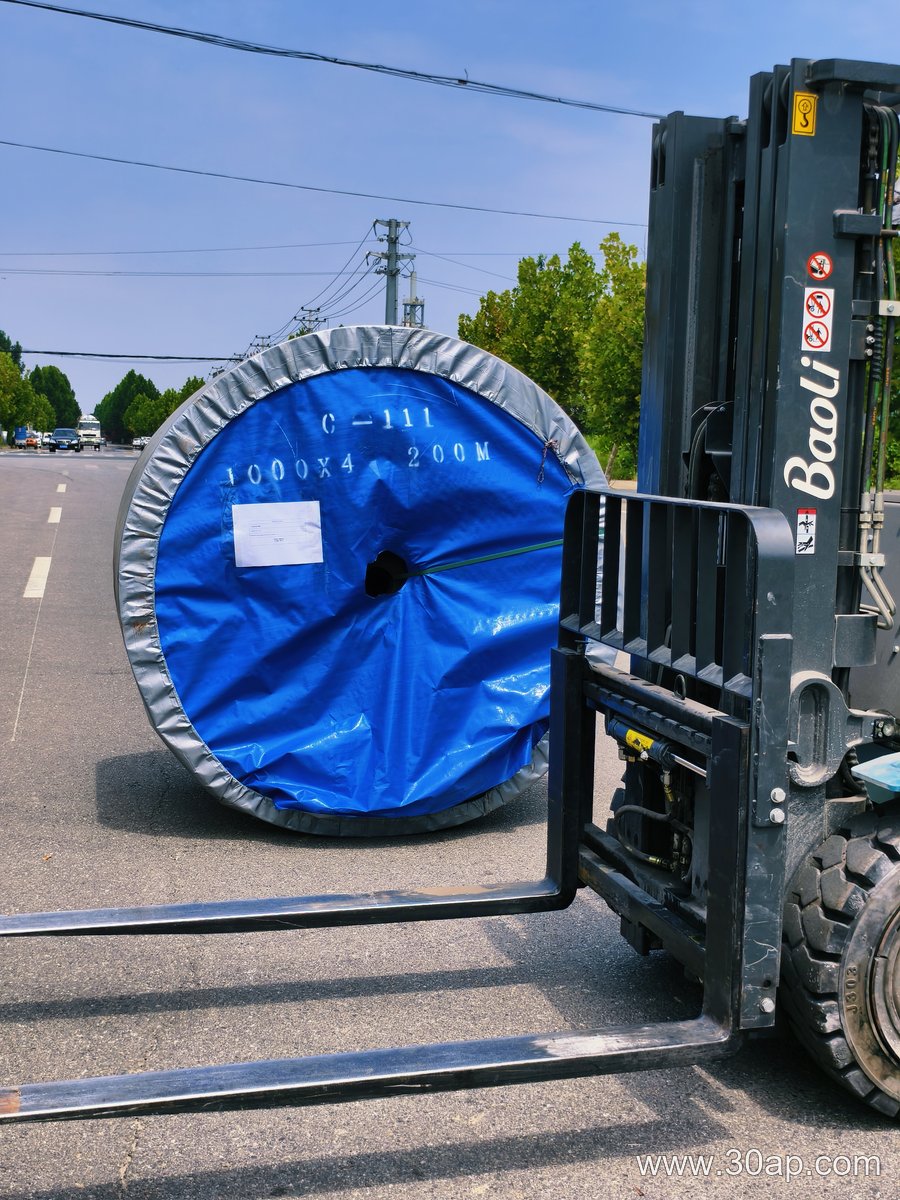
The conveyor belt is the load-bearing heart of any bulk handling system. Its core layers—carcass and cover—determine tensile strength and wear resistance. For abrasive materials, choose a rubber cover with high shore hardness. For food-grade lines, opt for PU or PVC belts that meet hygiene standards.
Key Purchasing Criteria
- Load profile: Calculate peak tension per meter to avoid over- or under-specifying.
- Operating temperature: Use heat-resistant compounds above 80°C; cold-resistant belts below -30°C.
- Belt width and speed: Match these to your product flow and transfer points.
- Cleat or sidewall needs: For inclined conveying, add cleats or corrugated sidewalls.
Practical Advice for Buyers
Always request a flex test report and splicing kit from the supplier. Inspect the belt surface for pinholes or uneven edge cuts. Consider total cost of ownership—a higher-grade belt often lasts twice as long, reducing downtime. Finally, specify a belt with a low-friction underside if your conveyor uses slider beds, as this improves energy efficiency.
Understanding the Role of the Idler Roller in Conveyor Systems
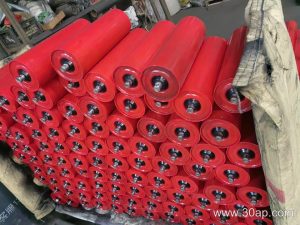
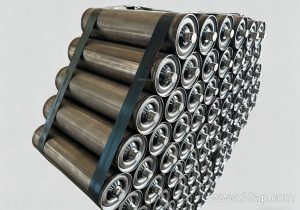
The idler roller is the backbone of any belt conveyor, providing support, reducing friction, and maintaining belt alignment. Choosing the wrong idler roller leads to premature belt wear, increased downtime, and higher energy costs. This article focuses on the critical factors for industrial buyers.
Key Selection Criteria for Idler Rollers
When specifying an idler roller, evaluate the following:
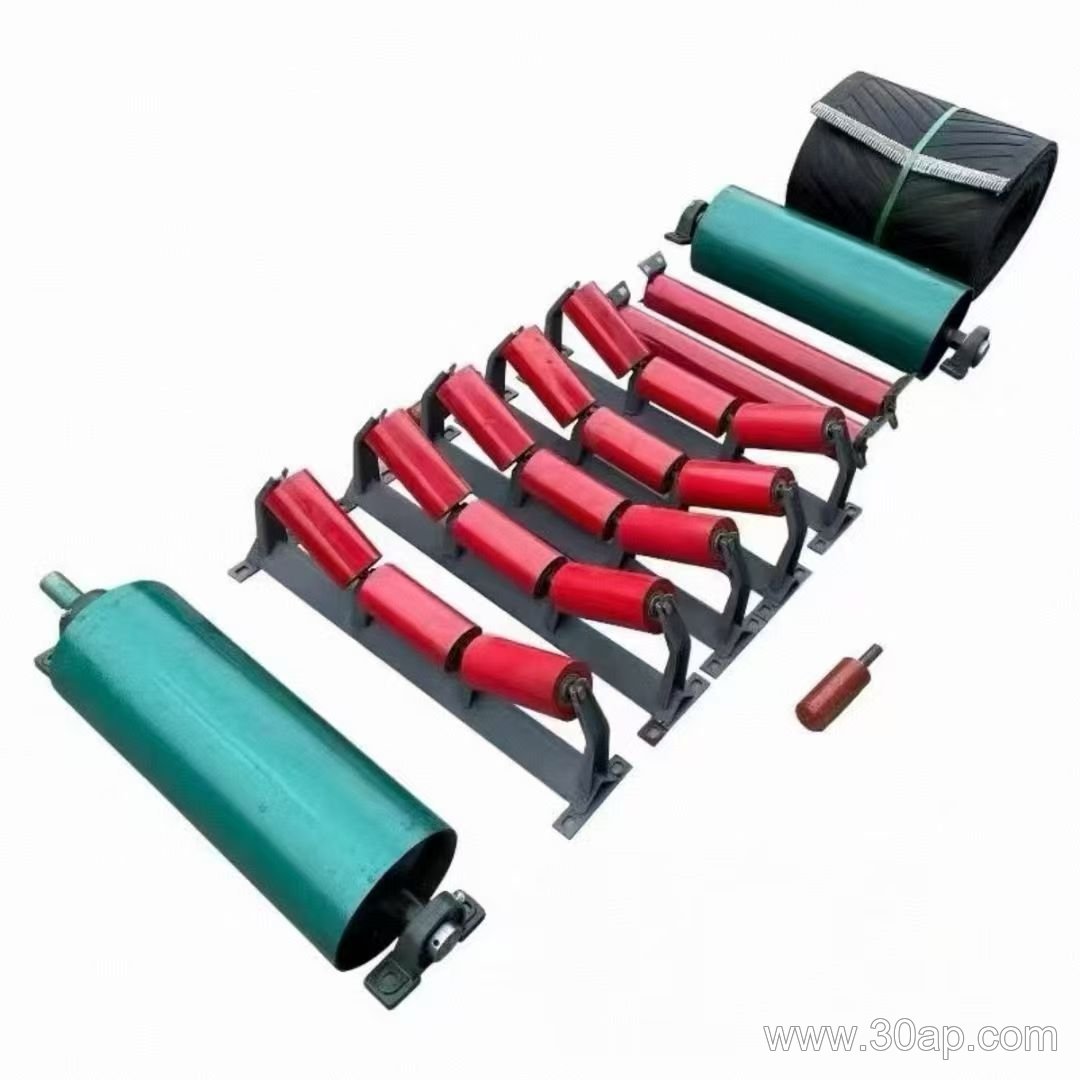
- Load capacity: Match the roller’s dynamic rating to your material weight and belt speed.
- Roller diameter: Larger diameters reduce belt sag and improve impact resistance, but require more space.
- Sealing system: For dusty or wet environments, choose labyrinth or contact seals to protect bearings.
- Frame type: Troughed, flat, or impact idlers depend on your conveyor’s profile and material characteristics.
Purchasing and Maintenance Advice
Always verify the idler roller’s shell thickness and bearing quality—steel shells with C3 clearance bearings are standard for heavy duty. Request a sample for a trial run, and check that the roller’s shaft ends fit your existing frames. For long-term value, invest in rollers with a minimum of 30,000 hours of rated life. Finally, establish a rotation schedule to even out wear and inspect idler roller alignment quarterly to prevent belt drift.
Why the Conveyor Pulley Demands Priority in System Design
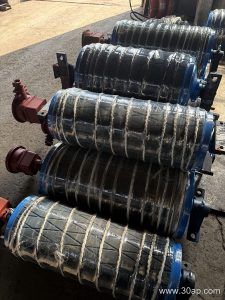
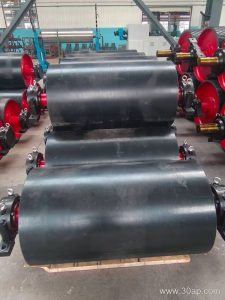
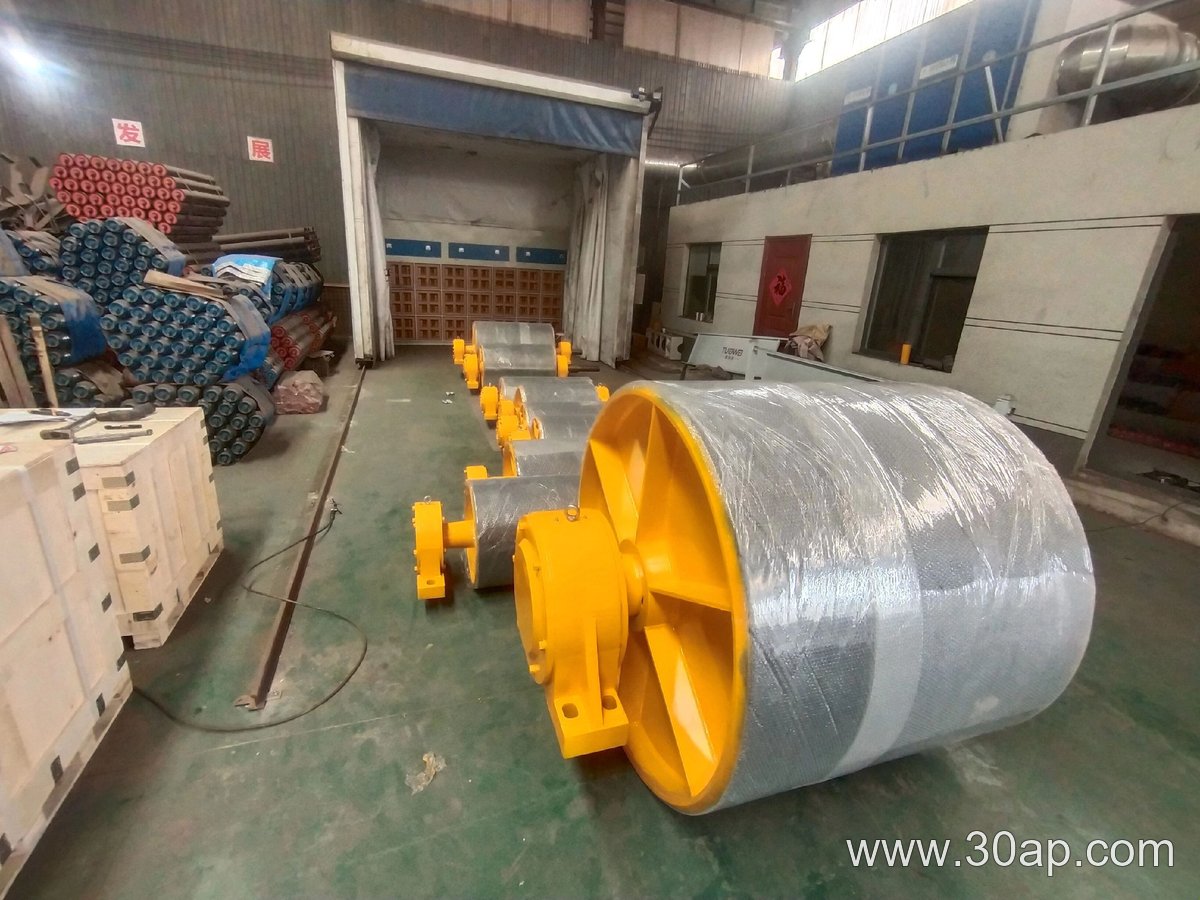
The conveyor pulley is not a passive roller; it is the driving and tensioning heart of any belt conveyor. Its geometry, lagging, and shaft integrity directly determine belt tracking, slip resistance, and operational uptime. A poorly specified pulley can cause premature belt wear, bearing failure, and costly downtime.
Critical Factors When Buying a Conveyor Pulley
- Diameter and face width: Match to belt width, load, and wrap angle to avoid excessive flexing or edge stress.
- Shaft and hub design: Verify keyway stress, fatigue life, and fit for your motor and gearbox torque.
- Lagging material: Choose ceramic for high-grip, high-heat zones; rubber for general service; and grooved lagging for wet or dusty conditions.
- Crown profile: A 0.5–1% crown assists self-centering, but flat-faced pulleys are needed for reversing or high-tension applications.
Purchasing and Inspection Advice
Always request a full dimensional drawing and material certificate before ordering. Inspect the pulley for weld quality, concentricity, and dynamic balancing if operating above 5 m/s. For replacements, measure the existing shaft diameter, hub length, and bolt pattern precisely—never assume compatibility. Finally, consider a snub or bend pulley for fine-tuning tension, and consult your belt manufacturer for the correct minimum pulley diameter to extend belt life.
Why Conveyor Brackets Demand Precision Engineering
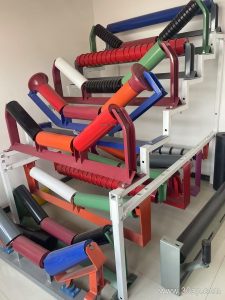
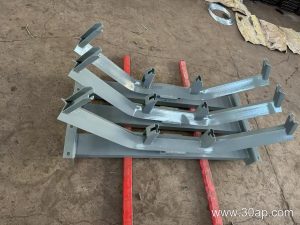
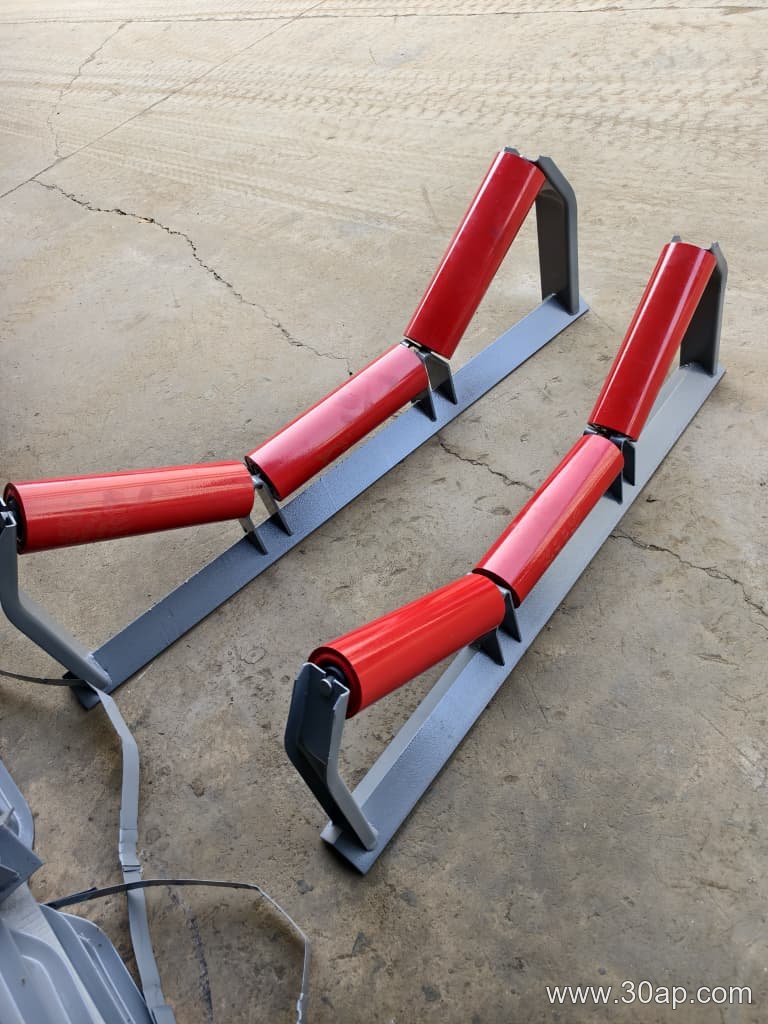
The conveyor bracket is the unsung hero of material handling, transferring dynamic loads from rollers to the frame. A poorly chosen bracket induces misalignment, vibration, and premature bearing failure. For high-tonnage operations, forged steel brackets with reinforced gussets outperform stamped alternatives.
Critical Selection Criteria
- Material grade: Choose hot-dip galvanized for corrosive environments, stainless for food-grade lines, or powder-coated mild steel for indoor dry goods.
- Mounting geometry: Verify slot spacing matches your existing stringer holes; universal slotted brackets ease retrofit alignment.
- Load rating: Calculate peak impact force—never select by static weight alone when lumps drop onto the belt.
Purchasing Advice
Request dimensional drawings and tensile test certificates before bulk ordering. For custom angles (15°, 30°, 45°), confirm weld integrity via ultrasonic inspection. Keep spare brackets for the most stressed return-side positions—downtime costs more than the part.