What a Conveyor Idler Bracket Does
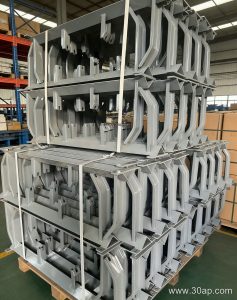
The conveyor idler bracket is the structural interface between the idler roller and the conveyor frame. It holds each roller at the correct height, angle and spacing so the conveyor belt keeps its trough shape and tracks smoothly along the line. In a typical troughing set, the bracket supports two or three rollers, while return-side brackets carry the belt on its way back. Without a properly aligned bracket, even a good roller will wear unevenly and the belt may drift, spill material or develop edge damage.
Because the bracket carries the weight of the belt and the bulk material, it is usually made from angle steel, channel steel or folded steel plate. The exact material thickness and finish depend on the load and the environment, and buyers should confirm these details with the supplier rather than assume a single standard.
Common Bracket Types and Where They Sit
The bracket family is broad, and each subtype has a distinct position on the conveyor:
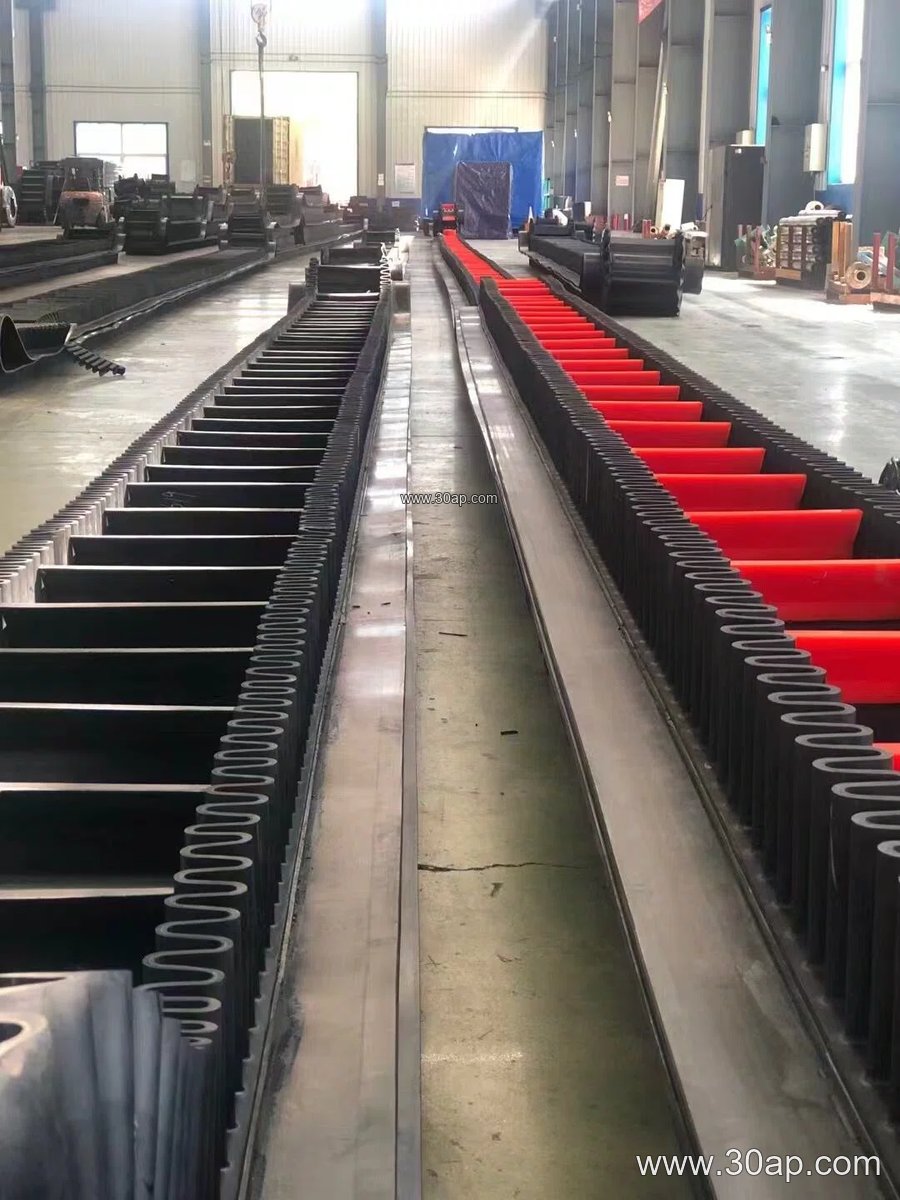
- Troughing brackets and upper trough brackets support the carrying side rollers.
- Transition brackets ease the belt from flat to troughed profile near pulleys.
- Return brackets and flat return brackets carry the belt on the return run.
- V-return brackets support the belt in a V shape to improve tracking.
- Impact brackets sit under loading points and carry impact rollers.
- Self-aligning brackets help correct belt misalignment.
- Forward-leaning brackets tilt rollers slightly to guide the belt.
- Suspended brackets hang the idler set from the frame structure.
- Adjustable brackets allow the trough angle to be changed on site.
Each of these is still a conveyor idler bracket. They differ in geometry and duty, not in basic function. A drive pulley, tail pulley or bend pulley is a completely different component and should not be confused with any bracket subtype.
How Trough Angle and Roller Diameter Are Chosen
The trough angle affects how much material the belt can carry and how the belt behaves at speed. Common angles include 20, 30, 35 and 45 degrees. Adjustable brackets let maintenance teams move between these angles when the material or throughput changes. Forward-leaning designs are often set at about 1.5 to 2 degrees to assist tracking.
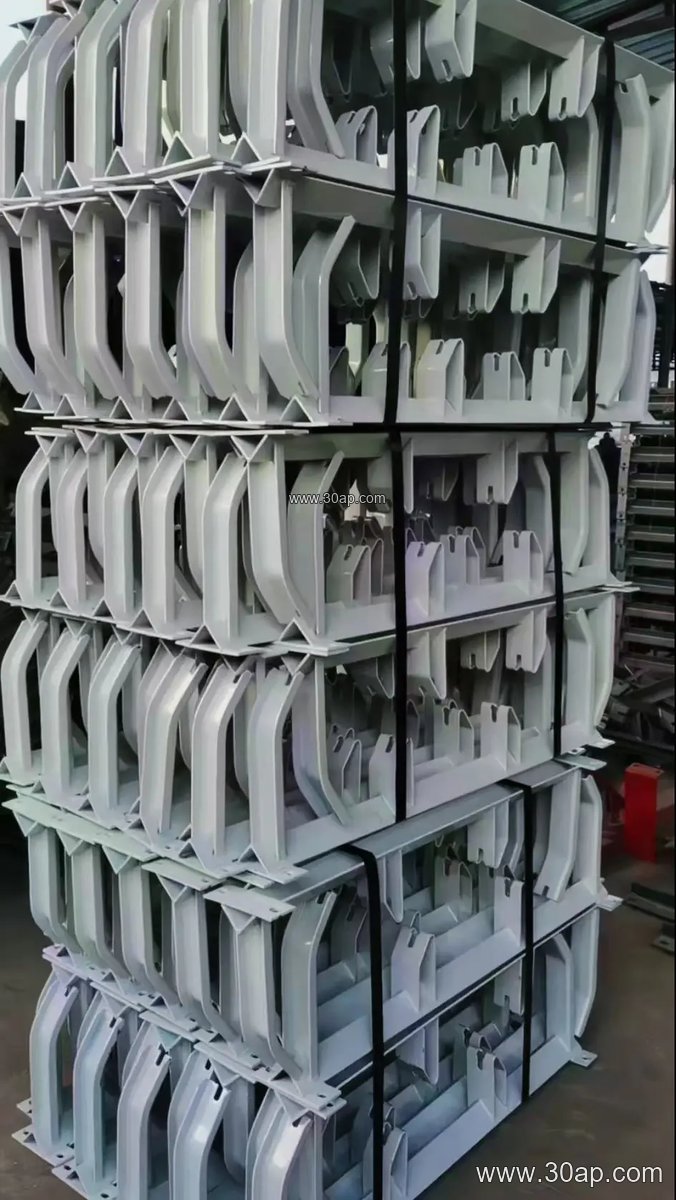
Roller diameter should match the belt width and the load. Typical roller diameters include Ø89, Ø108, Ø133, Ø159 and Ø194. A wider belt such as B1200 or B1400 usually needs a larger roller and a stronger bracket than a narrower B650 or B800 line, but there is no fixed one-to-one rule. The table below shows reference combinations only; actual selection follows the conveyor design.
| Belt Width | Typical Trough Angle | Reference Roller Diameter | Bracket Note |
|---|---|---|---|
| B500 | 20–30 degrees | Ø89 | Light duty, fixed bracket |
| B650 | 30 degrees | Ø89 or Ø108 | Fixed or adjustable |
| B800 | 35 degrees | Ø108 | Common quarry and sand line size |
| B1000 | 35 degrees | Ø108 or Ø133 | Heavier troughing set |
| B1200 | 35–45 degrees | Ø133 | Mining and cement duty |
| B1400 | 45 degrees | Ø133 or Ø159 | Reinforced frame recommended |
| B1600–B2000 | 35–45 degrees | Ø159 or Ø194 | Heavy-duty designs |
Installation hole spacing and crossbeam length change with belt width and trough angle. These dimensions should be taken from the conveyor drawing, not assumed from the belt width alone.
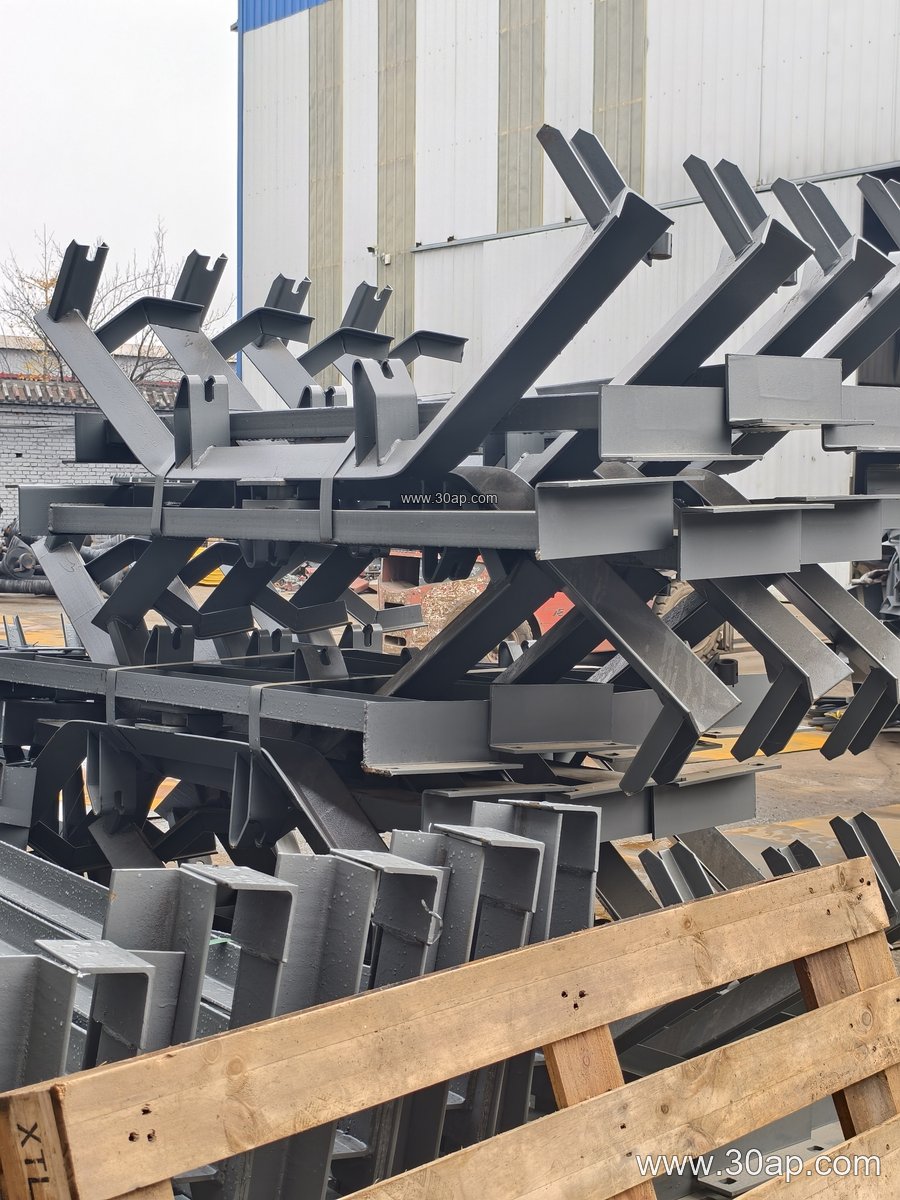
Where These Brackets Are Used
Idler brackets appear wherever a belt conveyor moves bulk material. In a coal preparation plant or a power station coal yard, they support long carrying runs and return runs under dusty, sometimes wet conditions. In a limestone quarry or a crushing and screening line, impact brackets and sturdy troughing brackets handle falling rock at transfer points. Cement plants use them on clinker and raw meal lines, while port and ship loading conveyors rely on well-aligned brackets to keep the belt steady at high capacity. The surrounding belt may be an EP conveyor belt, a steel cord conveyor belt or a flame retardant conveyor belt, but the bracket’s job stays the same: hold the roller in place and keep the belt supported.
What Buyers Should Check
Before ordering, confirm the belt width, trough angle, roller diameter and mounting dimensions. Ask whether the bracket is fixed or adjustable, and check the steel grade and surface treatment for the site environment. For corrosive or wet locations, a suitable coating matters as much as the steel thickness. Buyers should also confirm that the bracket matches the idler roller end fittings and the frame hole pattern.
For related conveyor components such as the conveyor belt, idler roller and conveyor pulley, visit xinrui-industry.com to compare options and confirm compatibility with your bracket design.
Installation and Maintenance Notes
Correct installation keeps the bracket working as intended. Align brackets along the frame, tighten fasteners to the specified torque, and check that all rollers in a set sit at the same height. During routine inspection, look for bent brackets, worn mounting holes and loose bolts. Replacing a damaged bracket early prevents uneven roller wear and reduces the risk of belt tracking problems. In dusty plants, cleaning material build-up around the bracket also helps maintain proper roller contact.