What a Self-Cleaning Idler Does on a Conveyor
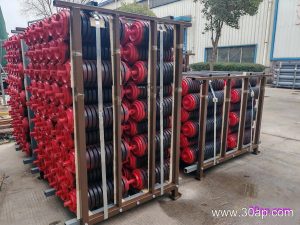
A self-cleaning idler is a carrying or return roller designed so that material which would normally cling to the shell is thrown off or shed before it builds up. On belts moving damp sand, coal dust, cement powder or sticky ore, ordinary rollers gradually collect a crust. That crust changes the roll diameter, causes belt tracking problems and can damage the conveyor belt. The self-cleaning idler roller addresses the problem at the source rather than relying on manual scraping.
These rollers are used in many bulk handling circuits, from a quarry conveyor line to a power plant coal yard. Wherever fines and moisture meet, a self-cleaning idler earns its place in the stringer.
How the Self-Cleaning Design Works
The cleaning action usually comes from one of two approaches, and some designs combine both.
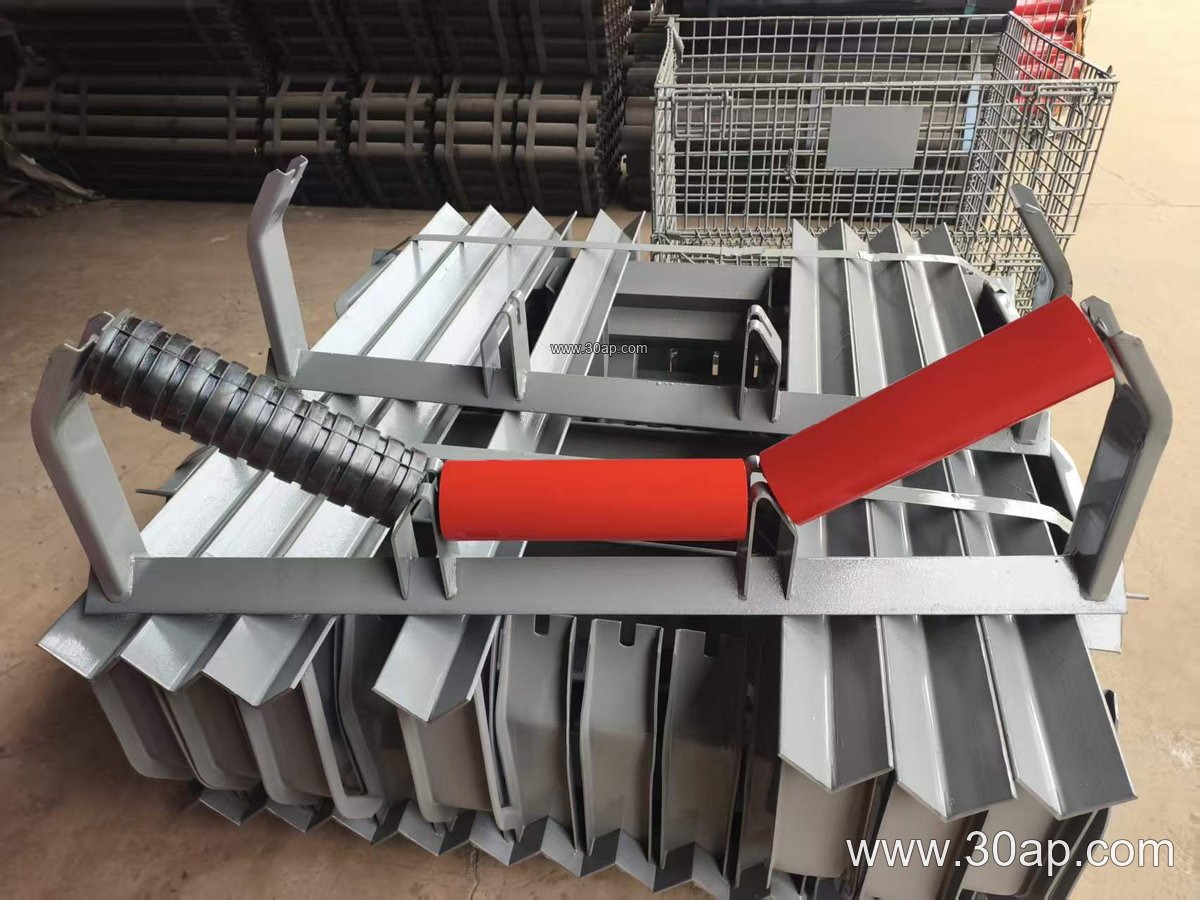
- Spiral or helical shell: a raised helix wraps around the roller body. As the idler turns, the spiral pushes loose material sideways toward the belt edge instead of letting it pack into a ring.
- Segmented or finned surface: raised ribs or discs interrupt the surface so sticky fines cannot form a continuous sleeve.
- Open or self-shedding end arrangements: gaps and shaped end caps let material fall away rather than accumulate against the bearing housing.
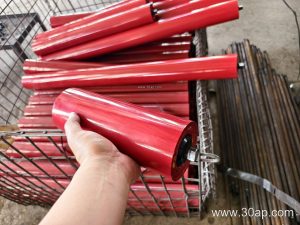
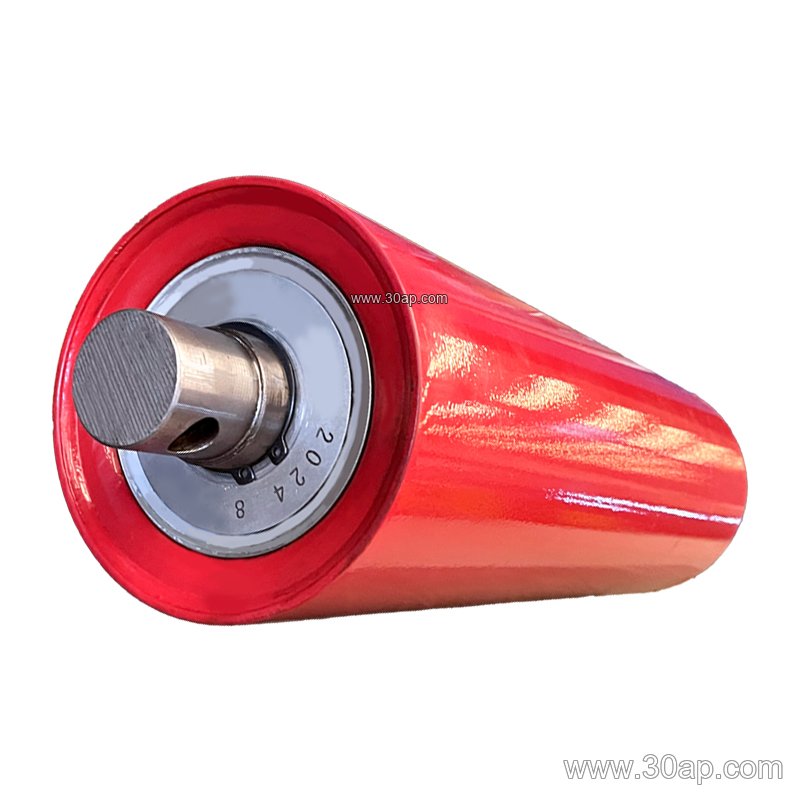
The shell is normally steel tube, and the spiral version is often called a spiral idler or helical self-cleaning roller. Bearing selection follows normal practice, with 6204, 6205, 6305, 6306, 6308 and 6310 among the common sizes. Sealing matters as much as the shell shape, because grit that reaches the bearing ends the service life regardless of how well the surface sheds material.
Where Self-Cleaning Idlers Fit in the Conveyor
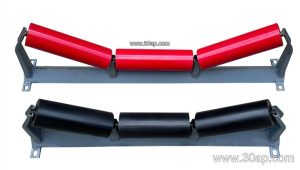
Most installations use them on the return strand, where loose material dropped from the belt would otherwise stick to a plain flat return roller. A V-type return arrangement with self-cleaning rollers is common on wider belts because it also helps centre the belt. On the carrying side, self-cleaning rollers are less common because they must support the full load, but they appear on lines handling damp, non-abrasive material.
Typical duty locations include:
- Wet or sticky ore transfer points in an iron ore or copper ore circuit
- Coal handling in a wash plant or power station, where fine coal and water mix
- Cement plant clinker and raw meal lines
- Sand and aggregate conveyors after washing or in humid weather
- Fertiliser and grain handling where dust clings to steel surfaces
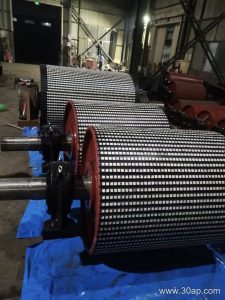
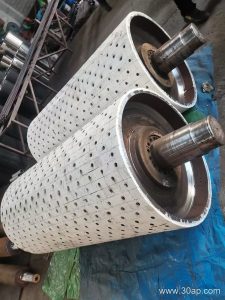
They work alongside the conveyor pulley at the head and tail, the conveyor bracket and frame, and the belt itself. A self-cleaning idler does not replace good belt cleaning at the discharge; a primary scraper still removes most of the carryback.
Common Sizes and Configurations
Roller diameter and belt width are chosen together with the load and the frame design, not from a single fixed rule. The table below shows reference values that appear regularly in catalogue ranges. They are examples, not a supply promise, and the roller length for a three-roll troughing set depends on belt width, trough angle and roll arrangement.
| Parameter | Common reference values |
|---|---|
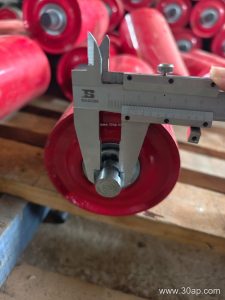
| Roller diameter | Ø63, Ø76, Ø89, Ø102, Ø108, Ø127, Ø133, Ø159, Ø178, Ø194, Ø219 mm |
| Belt width | B400, B500, B650, B800, B1000, B1200, B1400, B1600, B1800, B2000, B2200, B2400 |
| Trough angle | 20°, 30°, 35°, 45° |
| Roll surface | Steel tube, nylon, ceramic, rubber ring |
| Bearing | 6204, 6205, 6305, 6306, 6308, 6310 |
| Roller length, three-roll troughing (example) | B500 about 200 mm, B650 about 250 mm, B800 about 315 mm, B1000 about 380 mm, B1200 about 465 mm, B1400 about 530 mm, B1600 about 600 mm, B1800 about 670 mm, B2000 about 750 mm |
On a 1200mm wide conveyor belt, for instance, a return self-cleaning roller might be specified around Ø133 mm with a 465 mm roll length, but the final figure should come from the conveyor designer. Side rollers in a troughing set can be shorter than the centre roll.
Selection and Maintenance Notes for Buyers
Start with the material. A sticky, high-moisture load needs a spiral shell; a dry but dusty load may only need a well-sealed roller. Check the belt speed, because very high speeds can throw material from the spiral before it is guided off the edge. Confirm the shaft and bearing housing match the existing conveyor bracket and frame, and ask for the balancing class if the roller runs at speed.
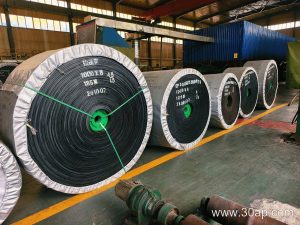
Consider the belt itself. A heavy-duty mining conveyor belt with a thick cover tolerates minor build-up better than a thin fabric core belt, but neither should be asked to run over a crusted roller. If the line handles hot material, a heat resistant conveyor belt may be paired with rollers rated for the same temperature. Abrasion resistant conveyor belt grades are common in quarry and crusher duty, and flame retardant conveyor belt grades are usual in underground coal mining. In all these cases the self-cleaning idler is a support component, not a substitute for the correct belt specification.
During service, check for a worn spiral edge, damaged end caps and any wobble that suggests a failing bearing. Replace rollers in matched sets where tracking depends on uniform diameter. Keep the area under the return strand clear so shed material does not pile up and contact the belt.