Built for the Toughest Bulk Handling Jobs
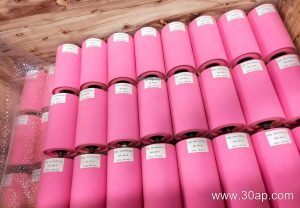
When a conveyor line moves hundreds of tonnes per hour of abrasive rock, coal, or ore, every component must earn its place. The high-capacity trough idler is the workhorse of the carrying side, shaped to cradle the belt and keep material centered even under extreme load. Unlike standard idlers that may suffice on light-duty lines, this heavy-duty troughing roller is engineered with thicker walls, larger bearings, and reinforced seals to survive continuous impact and grit in quarries, coal preparation plants, and iron ore terminals.
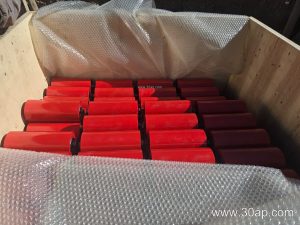
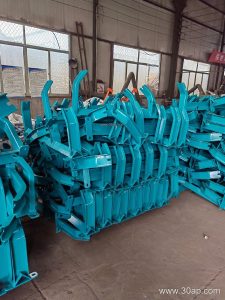
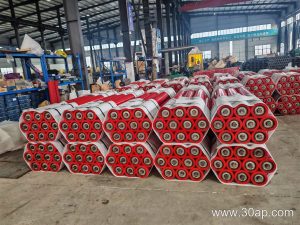
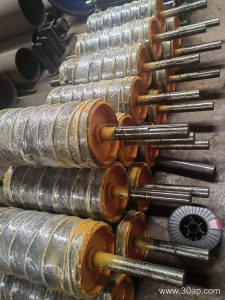
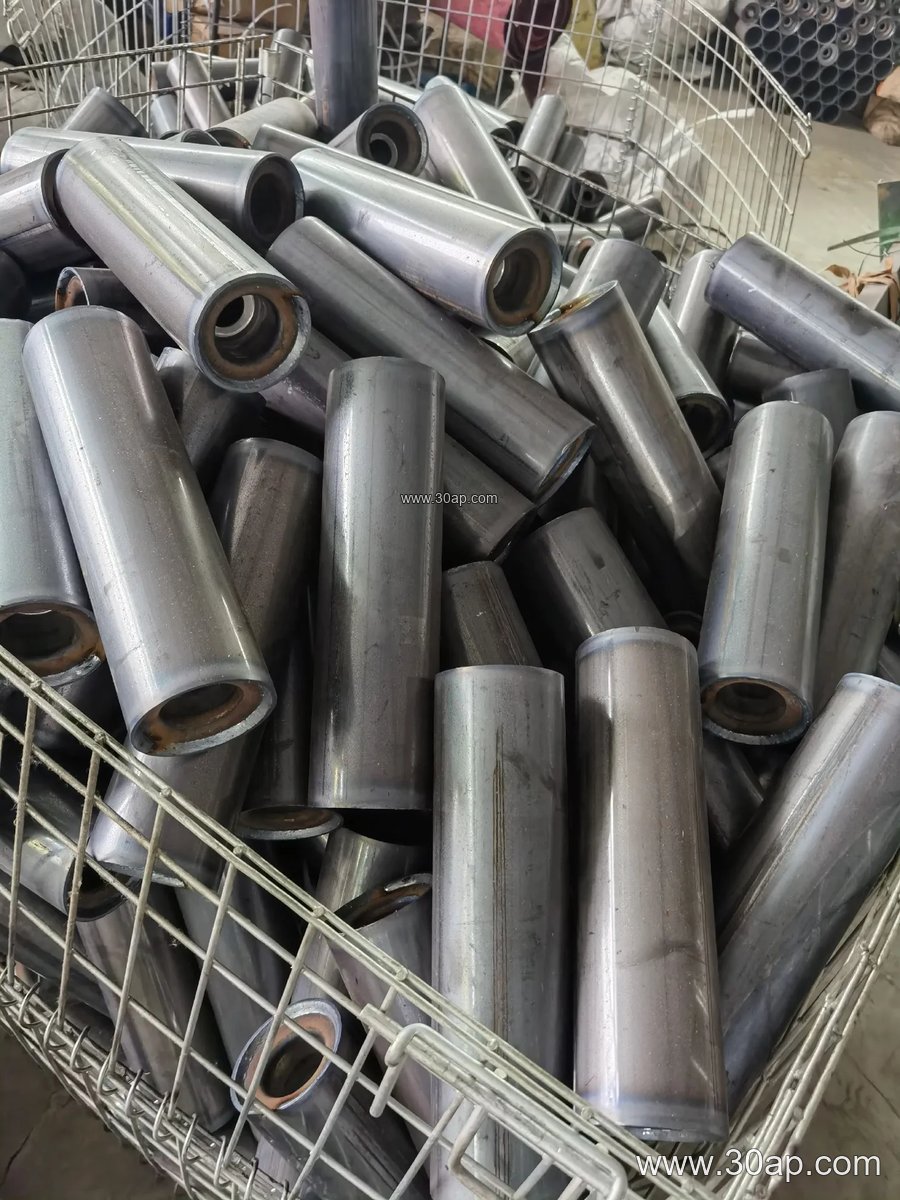
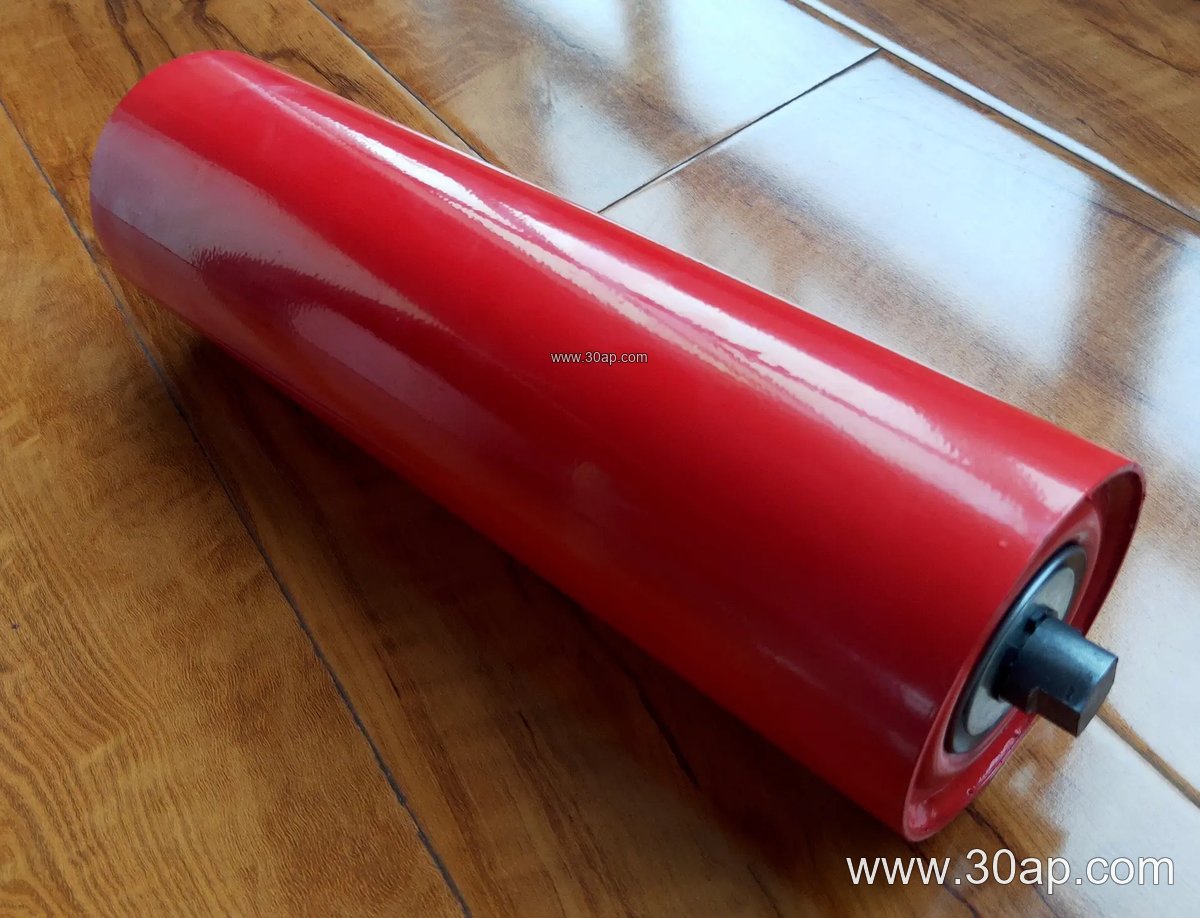
At its core, the high-capacity trough idler is a set of three rolls arranged in a trough shape, usually at a 35-degree or 45-degree trough angle for maximum material containment. The rolls rotate on deep-groove ball bearings, often 6305 or 6308 size in larger diameters, housed in a sealed cartridge that keeps dust and water out. The shell is typically made from seamless steel tube, machined for concentricity, and may be fitted with rubber discs or ceramic tiles when sticky or highly abrasive materials are present. This troughing idler assembly is mounted on a sturdy conveyor bracket that maintains alignment and absorbs vibration.
Where High-Capacity Trough Idlers Make the Difference
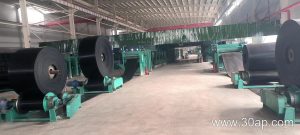
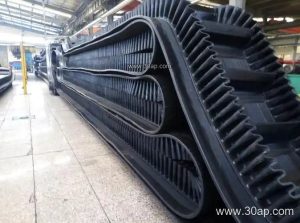
You will find these idlers in primary crushing circuits and transfer points where the belt receives lumpy feed directly from a crusher. In a copper mine, for example, a high-capacity trough idler set supports a 1200mm wide conveyor belt carrying coarse ore at high speed. The same design is common in cement plants handling clinker and limestone, and in power plant coal yards where reliability directly affects fuel supply. Because they handle high belt tensions and heavy material loads, they are often paired with abrasion resistant conveyor belt or a heavy-duty mining conveyor belt to extend the whole system’s service life.
While a high-capacity trough idler focuses on the carrying side, other components play supporting roles. A bend pulley or a tail pulley redirects the belt, and return idlers support the empty strand. These are not interchangeable with trough idlers, but they must be matched in quality to avoid bottlenecks. In dusty cement or coal applications, a flame retardant conveyor belt may be specified alongside these idlers for safety, and an EP conveyor belt is frequently chosen for its balance of strength and cost.
Key Construction Details That Matter to Buyers
Not all trough idlers are created equal. A true high-capacity unit typically uses a thicker roller shell, often 4.5mm to 6mm wall thickness for larger diameters, compared to 3mm on standard models. The shaft is machined from round bar and may be stepped to locate the bearings precisely. Bearing selection is critical: common sizes include 6205, 6306, and 6310, with larger idler diameters using bigger bearings to handle radial loads. Seals are equally important—a multi-labyrinth seal with grease retention is standard for high-capacity service, protecting against fine dust ingress in mining and quarry environments.
Roll diameters for high-capacity trough idlers commonly range from 127mm to 219mm, with 152mm and 178mm being popular for heavy-duty conveyors. The idler length depends on belt width and trough angle; for a three-roll trough set, a 1200mm belt might use rolls around 465mm long, while a 1800mm belt calls for roughly 670mm rolls. These are typical examples, not fixed rules—the final dimensions are determined by the conveyor designer. Trough angles of 35 degrees and 45 degrees are most effective for high capacity, and the first idler after the tail pulley is often a transition idler with a shallower angle to avoid stressing the belt edge.
Selection and Maintenance Tips
When specifying a high-capacity trough idler, start with the actual load and belt speed. A conveyor moving 3000 tonnes per hour of iron ore on a 1400mm belt will demand a different idler than a 500mm belt in a small aggregate plant. Consider the material’s abrasiveness and stickiness—rubber disc rolls help with impact and reduce buildup, while ceramic-covered rolls last longer in high-wear zones. Always match the idler’s load rating to the belt tension and the weight of the material. Remember that the conveyor pulley at the drive end and the trough idlers must be compatible in terms of belt tracking; misalignment here causes edge damage and premature failure.
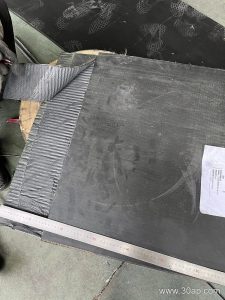
Maintenance is straightforward but important. Inspect idlers for seized bearings, worn shells, or missing end caps. A squealing idler is a warning sign—replace it before it damages the belt. Keep the area around the conveyor clean to prevent material buildup on the idler surface, which can cause belt misalignment. In coal mining conveyor belt systems, regular inspection also reduces fire risk from friction. Using quality components like a fabric core conveyor belt or steel cord conveyor belt alongside high-capacity trough idlers ensures a smoother, longer-lasting operation.
- Check bearing play and seal condition every 500 operating hours.
- Rotate idler rolls by hand during maintenance shutdowns to detect roughness.
- Ensure trough angle matches the belt’s natural troughing ability to avoid edge stress.
- For high-impact loading points, consider impact idlers or rubber-disc trough idlers as a supplement.
Whether you run a quarry conveyor belt line, a coal mining conveyor belt system, or a port ship loading conveyor belt, the high-capacity trough idler is a small component with a large impact on uptime. Choose wisely, and your conveyor will reward you with steady, efficient material flow.