What a Construction Industry Conveyor Belt Does
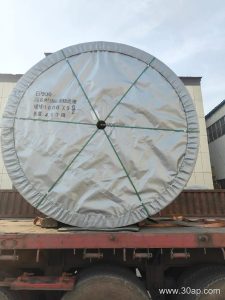
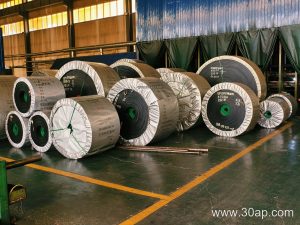
A construction industry conveyor belt is the moving surface that carries sand, gravel, crushed stone, cement, recycled concrete, and other bulk materials between processing stages on a construction or quarry site. It is the wear part that touches the load, so its structure decides how long the line runs before a splice, a rip, or a surface failure forces a stop. Contractors, aggregate producers, and concrete plants usually choose a heavy-duty belt from the fabric-core or steel-cord families, then match the cover compound and the reinforcement to the duty.
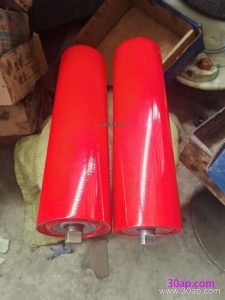
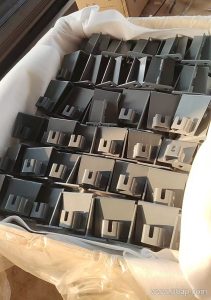
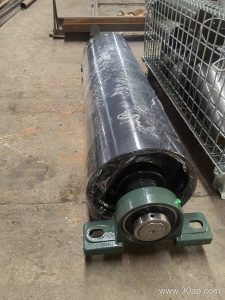
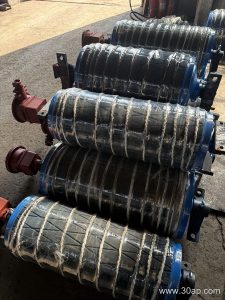
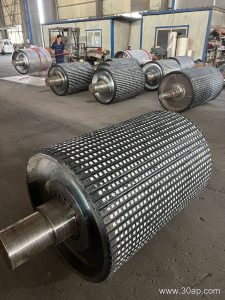
The belt works with a conveyor pulley at the drive and tail positions, idler rollers supporting the carrying strand, and a conveyor bracket holding the frame together. Belt, pulley, and idler are separate items with separate specifications; a drive pulley, a tail pulley, and a bend pulley are not interchangeable, and none of them should be selected from belt width alone.
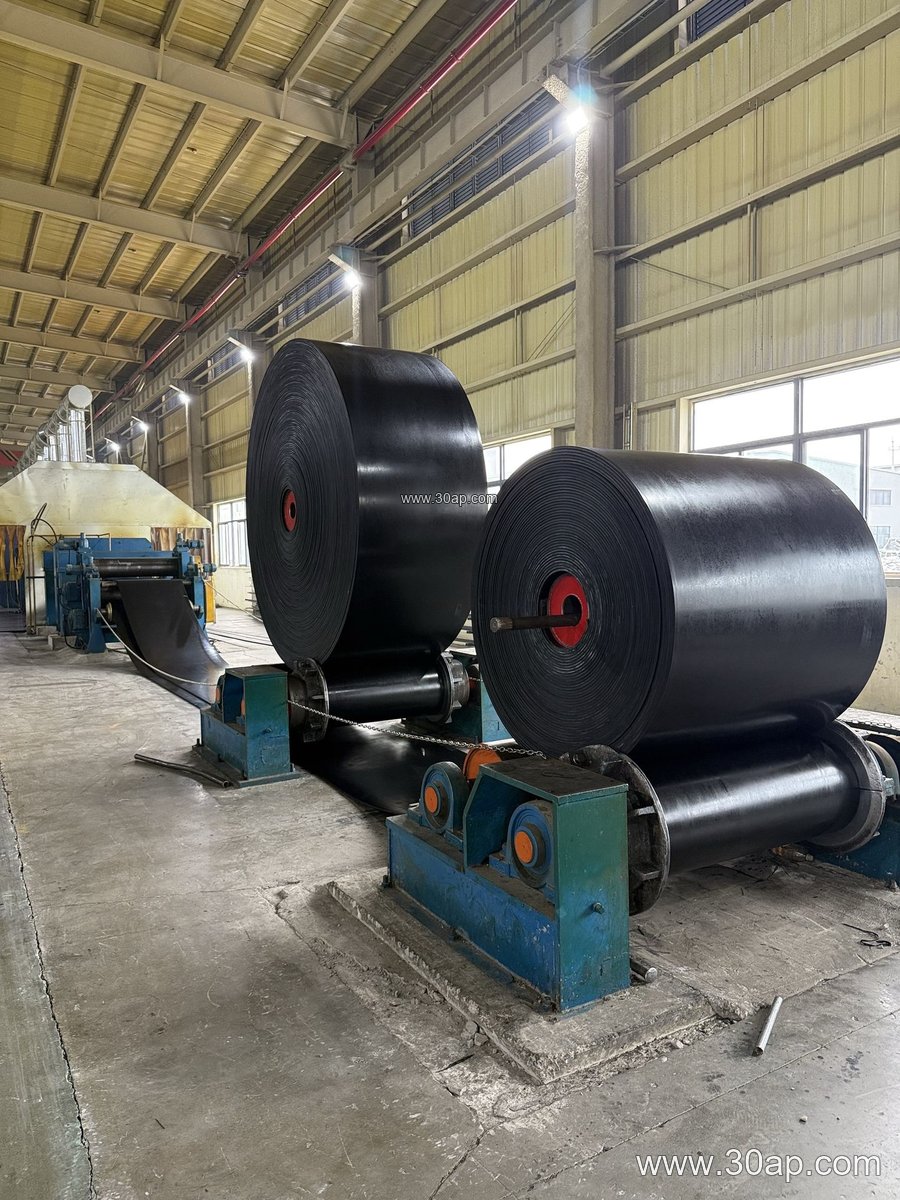
How the Belt Is Built
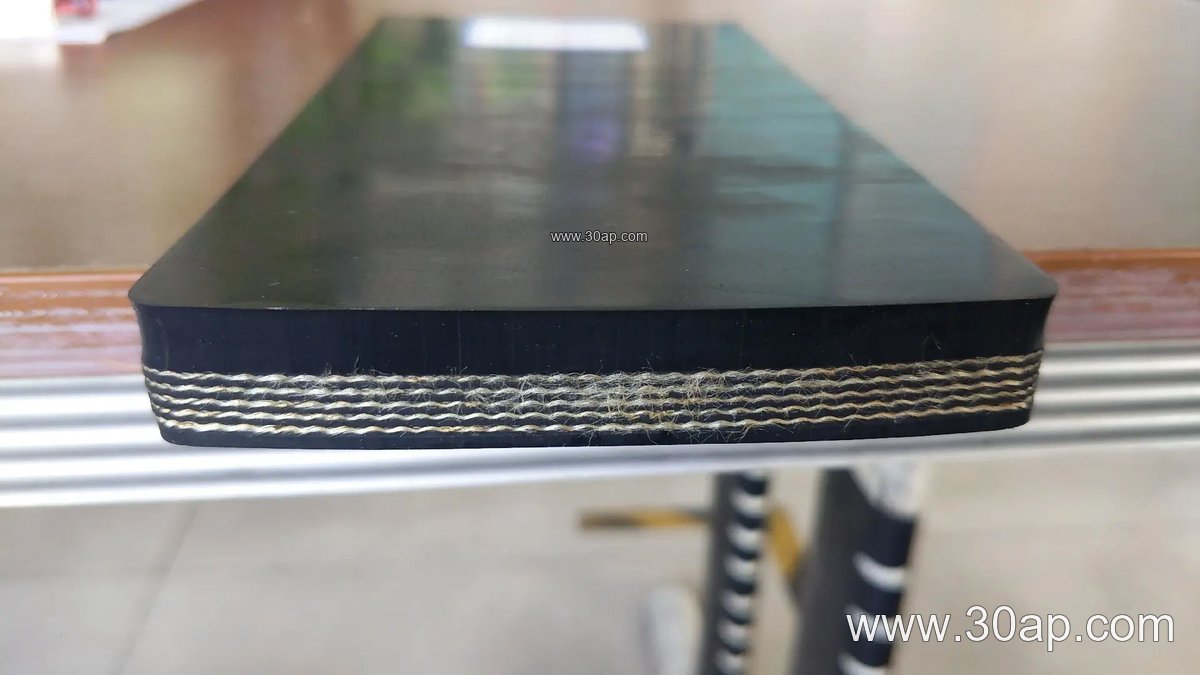
Most construction belts are rubber covered and reinforced with either fabric plies or steel cords. In a fabric core belt, the carcass is made of EP (polyester-nylon) or NN (nylon-nylon) plies. A multi-ply fabric core conveyor belt typically uses two to six plies, and the number of plies plus the cover thickness sets the working tension and impact resistance. A steel cord conveyor belt uses parallel brass-plated cords for long overland runs and very high tensions.
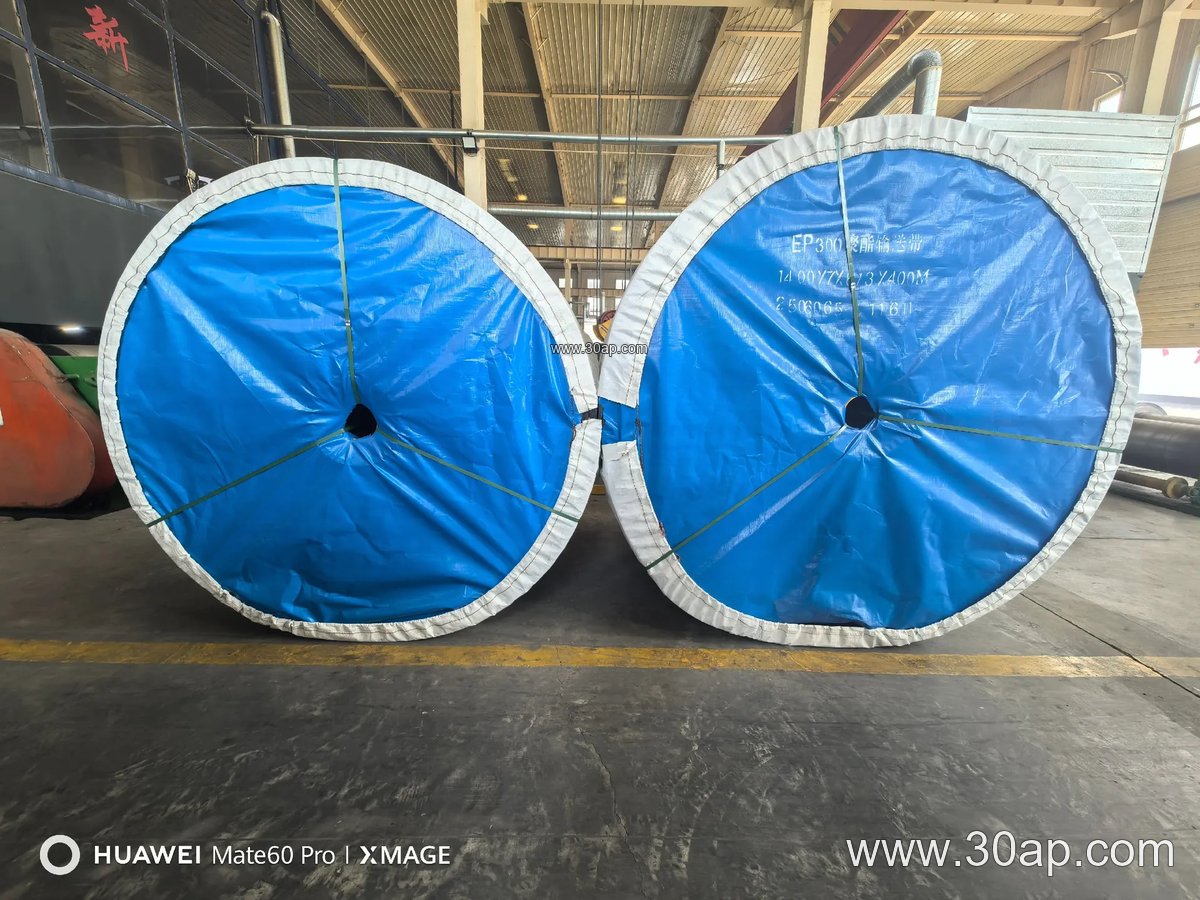
- Carcass: EP or NN fabric, or steel cord, carrying the tension.
- Top cover: the surface in contact with stone, cement, or recycled material.
- Bottom cover: the pulley side, usually thinner than the top cover.
- Edges: cut or molded, protected against fraying.
Cover thickness is often written as a pair, such as 4+2 mm or 6+2 mm, meaning top cover plus bottom cover. Common constructions run from 3+1.5 mm upward, with thicker covers used where stone is coarse and drop heights are high.
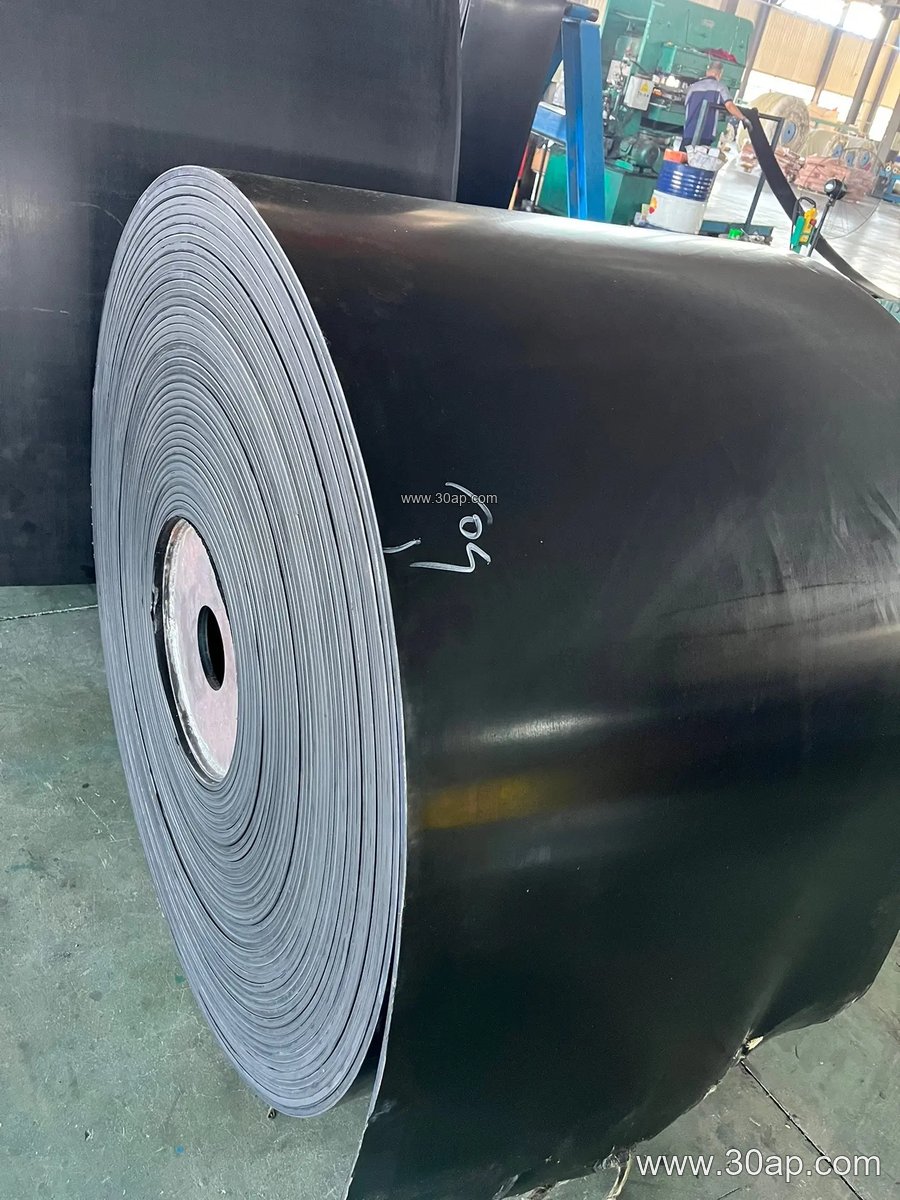
Common Types on Construction Sites
Selection starts with the material and the environment. The table below lists families that are frequently specified; actual availability and values vary by manufacturer.
| Family | Typical use on site | Common reference values |
|---|---|---|
| EP conveyor belt | General aggregate and sand conveying | EP200 to EP1600; widths 500–2000 mm |
| NN conveyor belt | Medium-duty stone and cement lines | NN100 to NN400 |
| Steel cord conveyor belt | Long hauls, high tonnage | ST1000 to ST3150 |
| Chevron conveyor belt | Inclined ramps and stockpile feeders | Patterned top cover |
| Corrugated sidewall belt | Steep inclines with cleats | Sidewall plus base belt |
| Abrasion resistant belt | Crushed rock, quarry feed | Thick top cover, 6+2 or 8+3 mm |
| Heat resistant belt | Cement clinker, asphalt plant | Compound matched to temperature |
| Flame retardant belt | Coal handling, enclosed galleries | PVG or PVC constructions |
A rubber conveyor belt with a plain surface suits horizontal runs. Where the incline is steep, a chevron or corrugated sidewall design keeps material from sliding back. In tunnels and coal yards, a flame retardant or anti-static belt is often required by the site’s safety plan.
Where It Fits in the Plant
Construction material handling covers more than one industry. The same belt family appears in a quarry conveyor line feeding a crusher, in a cement plant moving clinker and limestone, in a power plant handling coal, and in a sand and gravel yard loading trucks. Recycling plants use a heavy-duty belt to carry demolition rubble, and port terminals use wide belts for ship loading. A belt rated for iron ore or copper ore duty is built differently from one moving fine sand, so the duty class matters more than the site name.
Widths from 500 mm to 2000 mm cover most construction duties, with 800 mm, 1000 mm, and 1200 mm being common for plant conveyors. A 1200 mm wide belt on a primary crusher discharge may need a thicker cover than a 650 mm belt on a finished-product line. The correct approach is to size the belt from the required capacity, the material lump size, and the tension, then confirm the pulley and idler arrangement with the conveyor designer.
Buyer Checklist
- State the material, lump size, and moisture; these drive cover grade and thickness.
- Give the duty: hours per day, tonnage per hour, and whether the line runs intermittently.
- Confirm the tension class (EP grade or ST grade) with the conveyor calculation, not by habit.
- Specify the environment: heat, oil, flame risk, cold, or abrasion.
- Match the splice method to the carcass; fabric belts and steel cord belts need different splice techniques.
- Check pulley diameters and idler spacing against the belt’s minimum bend requirements.
- For steep sections, ask for the chevron or sidewall profile drawing before ordering.
Maintenance is part of the purchase. Track belt edge wear, cover cuts, and splice condition, and keep the return strand clean so material does not build up on the tail pulley. A well-matched construction industry conveyor belt, supported by correctly sized idlers and pulleys, gives a predictable service life on site. Buyers comparing offers should ask for the carcass type, ply count, cover thickness, and tension rating in writing, since two belts of the same width can be very different products.