What a Conveyor Support Bracket Does
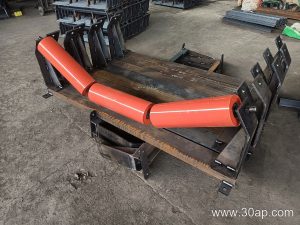
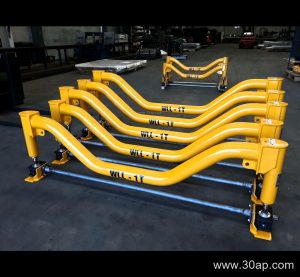
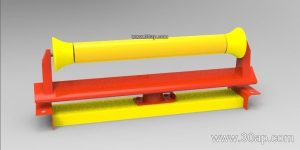
A conveyor support bracket is the structural element that holds the idler roller in place and keeps the belt at the intended profile. It sits between the conveyor frame and the roller, transferring the load of the belt and the material into the stringer or the frame. In practice, the bracket is often called a conveyor bracket or idler support bracket, and the name refers to the same component. The bracket does not carry the belt directly; the roller does. The bracket determines the roller position, the trough angle, and the spacing along the line.
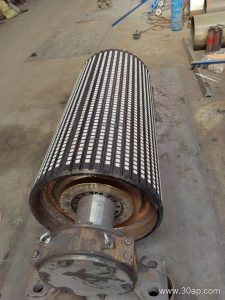
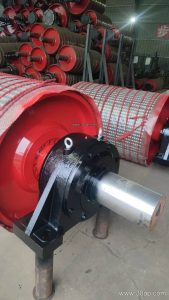
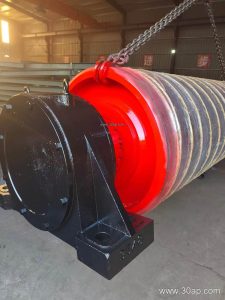
On a typical bulk handling line, the bracket works together with the conveyor belt, the idler roller, and the conveyor pulley. A tail pulley feeds the belt, a drive pulley pulls it, and the brackets keep the carrying run stable in between. The bracket is a small part by weight, but it decides how evenly the belt sits and how long the roller lasts.
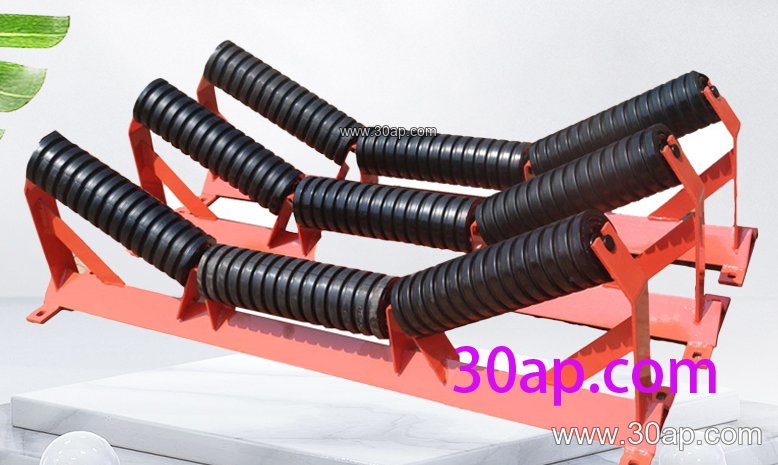
Construction and Common Forms
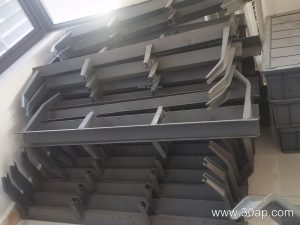
Most brackets are fabricated from angle steel, channel steel, or folded steel plate. The material choice depends on the load and the environment. A heavy-duty mining conveyor belt imposes higher loads than a light aggregate line, so the bracket gauge and the weld detail differ accordingly.
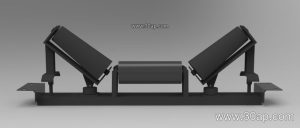
Common forms include trough brackets on the carrying side, transition brackets near the head and tail, return brackets under the belt, V-return brackets that help center the belt, impact brackets under loading points, and self-aligning brackets on long runs. Adjustable brackets allow the trough angle to be set between common values such as 20, 30, 35, or 45 degrees. Forward-tilted brackets are usually set at about 1.5 to 2 degrees to help track the belt.
Typical Reference Combinations
The values below are reference examples only. Actual mounting hole spacing and crossbeam length are determined by belt width, trough angle, and design.
| Belt Width | Trough Angle | Roller Diameter |
|---|---|---|
| B650 | 30 degrees | Ø89 |
| B800 | 35 degrees | Ø108 |
| B1000 | 35 degrees | Ø108 |
| B1200 | 45 degrees | Ø133 |
| B1400 | 35 degrees | Ø159 |
| B1600 | 45 degrees | Ø159 |
| B1800 | 35 degrees | Ø194 |
Wider belts such as B2000 or B2200 are also common in large ports and power plant coal handling, where the bracket design must be checked against the actual roller load rather than assumed from width alone.
Where the Bracket Is Used
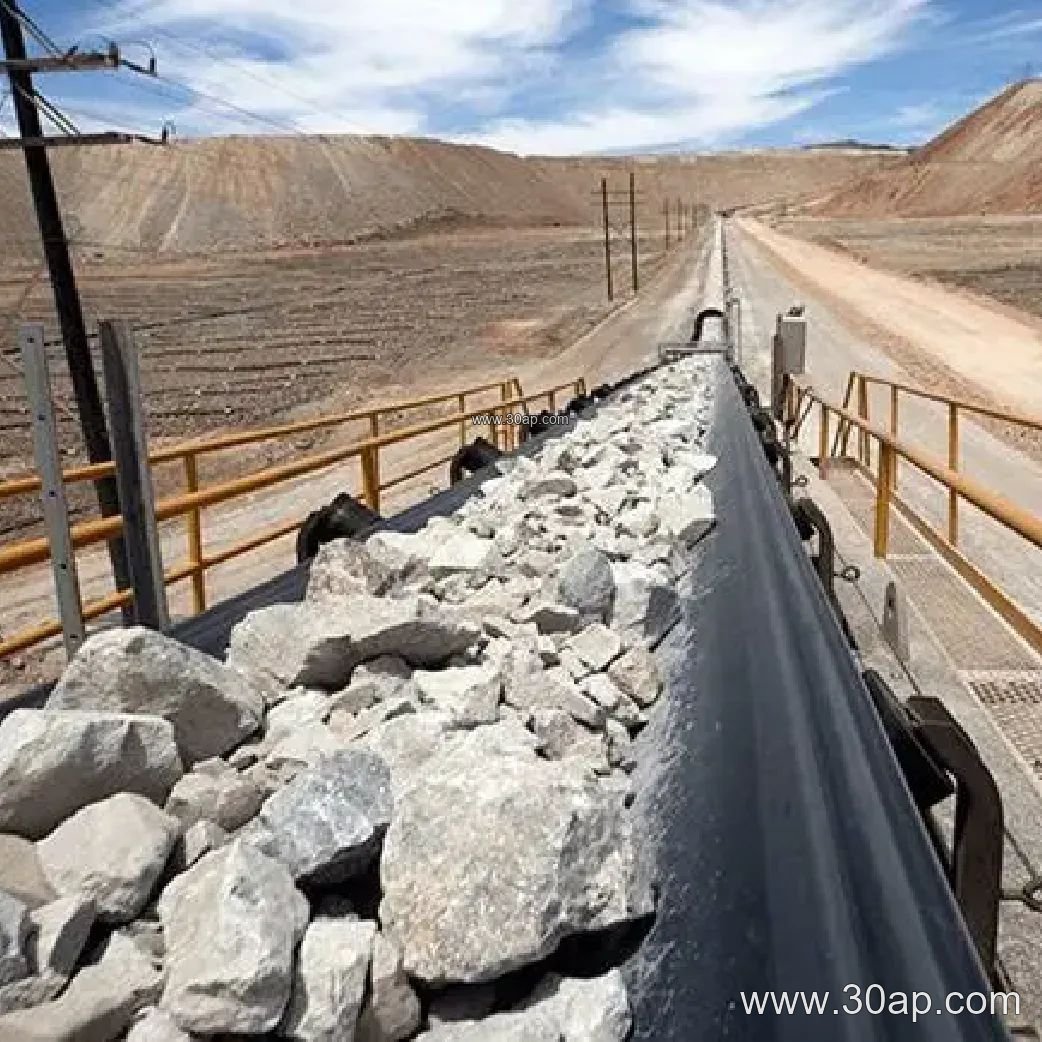
In a quarry or a sand and gravel line, the bracket keeps the belt aligned through the crusher discharge and the screening section. In a coal washing plant or a power plant coal yard, flame retardant conveyor belt and anti-static belt are often paired with sturdy trough brackets and self-aligning brackets on the long inclined runs. Cement plants use them on clinker and raw meal lines, and steel plants use them on sinter and coke transport. Ports and ship loading systems rely on wide brackets with large rollers to handle high tonnage.
Underground coal mining conveyor belt systems have tighter space, so compact brackets and hanging brackets are common there. In a food or fertilizer plant, the bracket material and coating may need more attention than the load rating.
What a Buyer Should Check
- Match the bracket to the belt width and the roller diameter used on the line.
- Confirm the trough angle, since adjustable brackets can cover several angles but fixed ones cannot.
- Check the mounting hole spacing and crossbeam length against the existing frame before ordering.
- Consider the environment: abrasion, heat, oil, or corrosion may call for a different steel grade or finish.
- For impact zones, use impact brackets rather than standard trough brackets.
- For long conveyors, self-aligning or forward-tilted brackets help reduce belt misalignment.
The bracket should be treated as part of a system with the roller and the belt. A well-chosen conveyor bracket keeps the idler roller seated, reduces vibration, and helps the belt run true. Buyers who check width, angle, roller size, and frame dimensions together usually avoid the most common installation problems.