What a Chemical Resistant Conveyor Belt Does
A chemical resistant conveyor belt is a fabric- or steel-reinforced rubber belt built to carry materials that would attack standard cover compounds. Acidic slurries, alkaline dust, fertilizer granules, salt, and many industrial by-products gradually degrade ordinary rubber, causing swelling, cracking, and premature failure. The chemical resistant conveyor belt uses a cover compound selected to resist this attack while still providing the mechanical strength a conveyor line needs. Users searching for an acid resistant conveyor belt or an alkali-resistant belt are usually looking at the same family of products, with the compound tuned to the specific chemical environment.
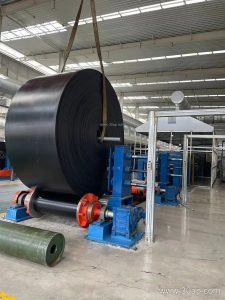
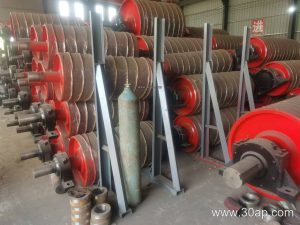
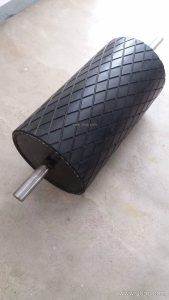
The product is still a conveyor belt first. It runs over a drive pulley, tail pulley, and bend pulleys, and it is supported by idler rollers mounted on conveyor brackets. The belt must track, flex, and carry load just like any other belt on the line. Chemical resistance is an additional requirement layered on top of those basics.
Construction and Compound Choices
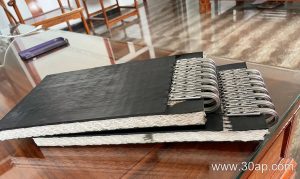
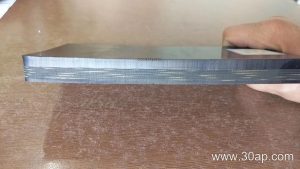
The carcass does the load-bearing work. Common options include EP conveyor belt fabric, NN conveyor belt fabric, and steel cord conveyor belt constructions, with multi-ply fabric core conveyor belt builds used where extra rip resistance is useful. The cover is where chemical resistance is decided. Formulators choose polymers and fillers that resist the expected reagents, and the cover thickness is set by the wear and exposure conditions rather than by chemical attack alone.
Typical cover gauges include 3+1.5 mm, 4+2 mm, 5+2 mm, 6+2 mm, and 8+3 mm, with 2 to 6 plies common in fabric constructions. These are reference values, not fixed rules; final specifications are always confirmed by design.
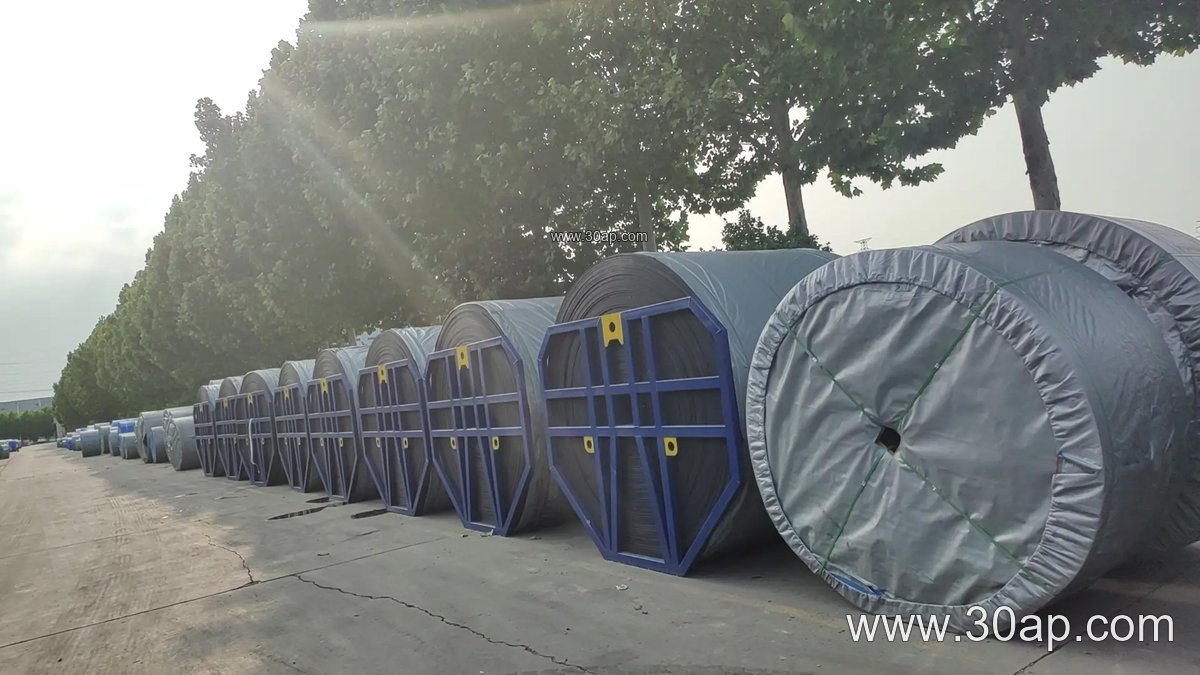
Common reference data
- Fabric carcass types: EP200 to EP2000, NN100 to NN400
- Steel cord grades: ST1000 to ST3150
- Belt widths: B500, B650, B800, B1000, B1200, B1400, B1600, B1800, B2000
- Cover thickness: 3+1.5, 4+2, 5+2, 6+2, 8+3 mm
- Ply counts: usually 2 to 6
Where It Fits on the Line
Chemical plants, fertilizer handling, salt and potash operations, and some mineral processing circuits are the obvious homes for this belt. In a cement plant, alkaline kiln dust and wet wash-down water can shorten the life of a standard belt, so a chemical resistant grade may be considered for exposed sections. Power plants handling coal or limestone slurry residues sometimes face acidic conditions as well. In mining and quarry operations, the belt may be specified where process water carries dissolved salts or where ore has been treated with reagents.
Related belt types are not substitutes
It helps to keep the differences clear. A heat resistant conveyor belt addresses temperature, not chemistry. An oil resistant conveyor belt handles hydrocarbons, not acids. A flame retardant conveyor belt or fire resistant conveyor belt targets ignition risk, and an anti-static conveyor belt controls static charge. An abrasion resistant conveyor belt resists wear, and a cold resistant conveyor belt handles low temperatures. Where a line faces several hazards at once, the specification may combine requirements, but the chemical resistant conveyor belt remains the primary product in this discussion.
Selection Notes for Buyers
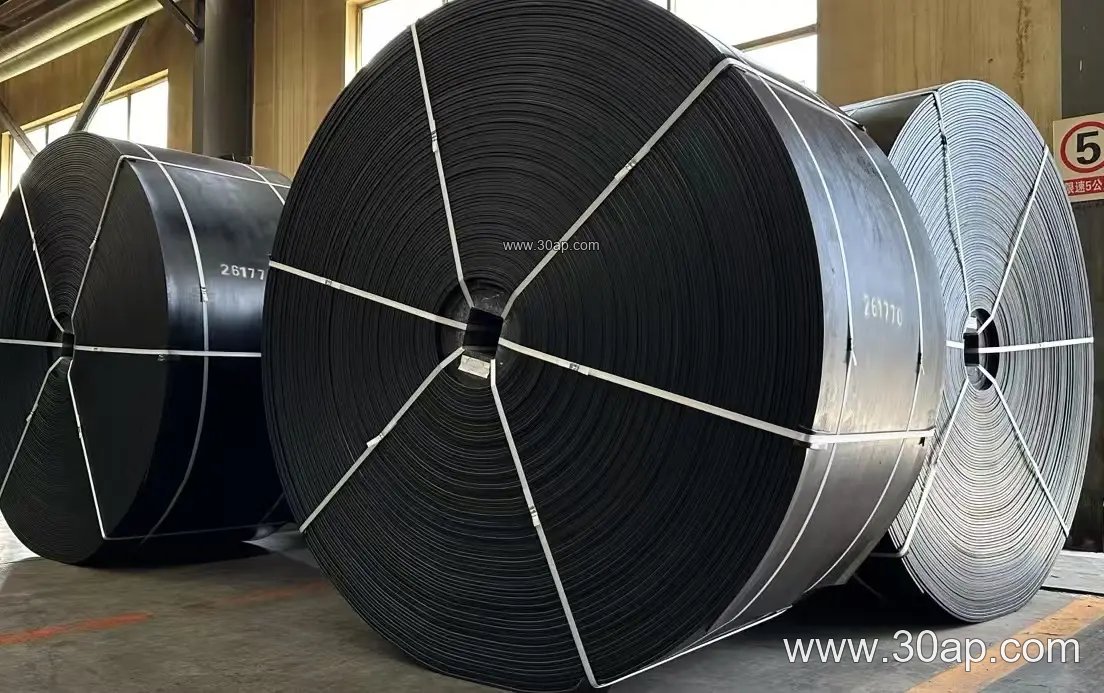
Start with the chemistry. Identify the reagents, their concentration, and whether exposure is continuous or occasional. Then confirm the working tension, belt width, and pulley diameters with the conveyor designer, since a belt that is too stiff for the pulleys will fail regardless of compound quality. Consider the material being carried, the loading method, and the environment around the belt.
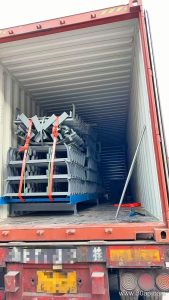
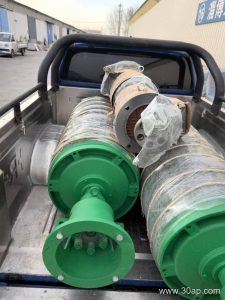
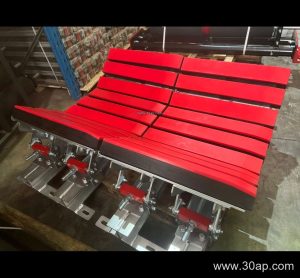
On the mechanical side, check that idler roller spacing and conveyor pulley sizes suit the belt carcass, and that conveyor brackets keep the structure aligned. Impact at the loading point may call for an impact resistant conveyor belt construction or a heavier cover. On long haulage lines in mines or ports, a high strength conveyor belt or heavy-duty conveyor belt carcass may be required to keep tension within limits.
- Match the cover compound to the specific chemicals, not just to a general category.
- Confirm cover thickness against wear severity as well as chemical exposure.
- Review pulley diameters and idler roller spacing with the belt supplier.
- Plan inspection for cover swelling, cracking, and edge damage.
- Store spare belt away from sunlight, ozone sources, and pooled liquids.
Maintenance and Installation Care
Chemical attack often appears first at the edges and at the loading zone, where the cover is damaged and fresh material enters. Regular inspection of those areas, plus the pulley lagging and idler rollers, catches problems early. When splicing, use a method compatible with the cover compound so the joint does not become the weak point. Keep spillage cleaned off the return run, and check that cleaning devices are not cutting into the cover.
For installations in cement, coal, or mineral processing plants, the belt is one part of a system that includes idler rollers, conveyor pulleys, and brackets. Matching all of these components to the duty keeps the chemical resistant conveyor belt working at its intended service life rather than being replaced early because of mechanical abuse.