What an Idler Seal Does
An idler seal is the small but critical barrier fitted at each end of a conveyor roller to protect the bearing from dust, grit, water and other contaminants. In a quarry, coal handling plant or cement works, an idler roller may turn for thousands of hours under a steady rain of abrasive fines. Without a reliable seal, that grit reaches the bearing, grease escapes, and the roller seizes. The result is a flat spot on the conveyor belt, a stalled section, and unplanned downtime. The seal is therefore not an accessory; it is part of the roller’s core duty.
How the Seal Is Built
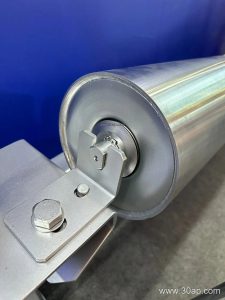
Most idler seals combine several elements. A typical arrangement includes an outer labyrinth cap, an inner seal ring, and a lip or felt contact seal that rides against the shaft or bearing inner ring. Labyrinth passages force contaminants to change direction several times, while grease in the passages helps trap particles. Materials vary with duty: stamped steel for general service, polymer or nylon for lighter rollers, and rubber or nitrile lips where water is present. Bearing selection matters too, since a seal works with a bearing, not in isolation. Common bearing numbers such as 6204, 6205, 6305 and 6306 are matched to rollers by load and shaft design, not by a single fixed rule.
Where Sealing Matters Most
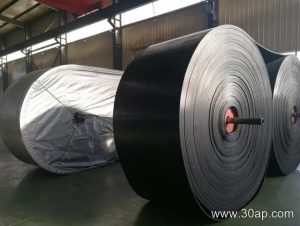
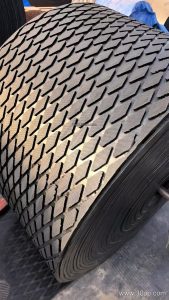
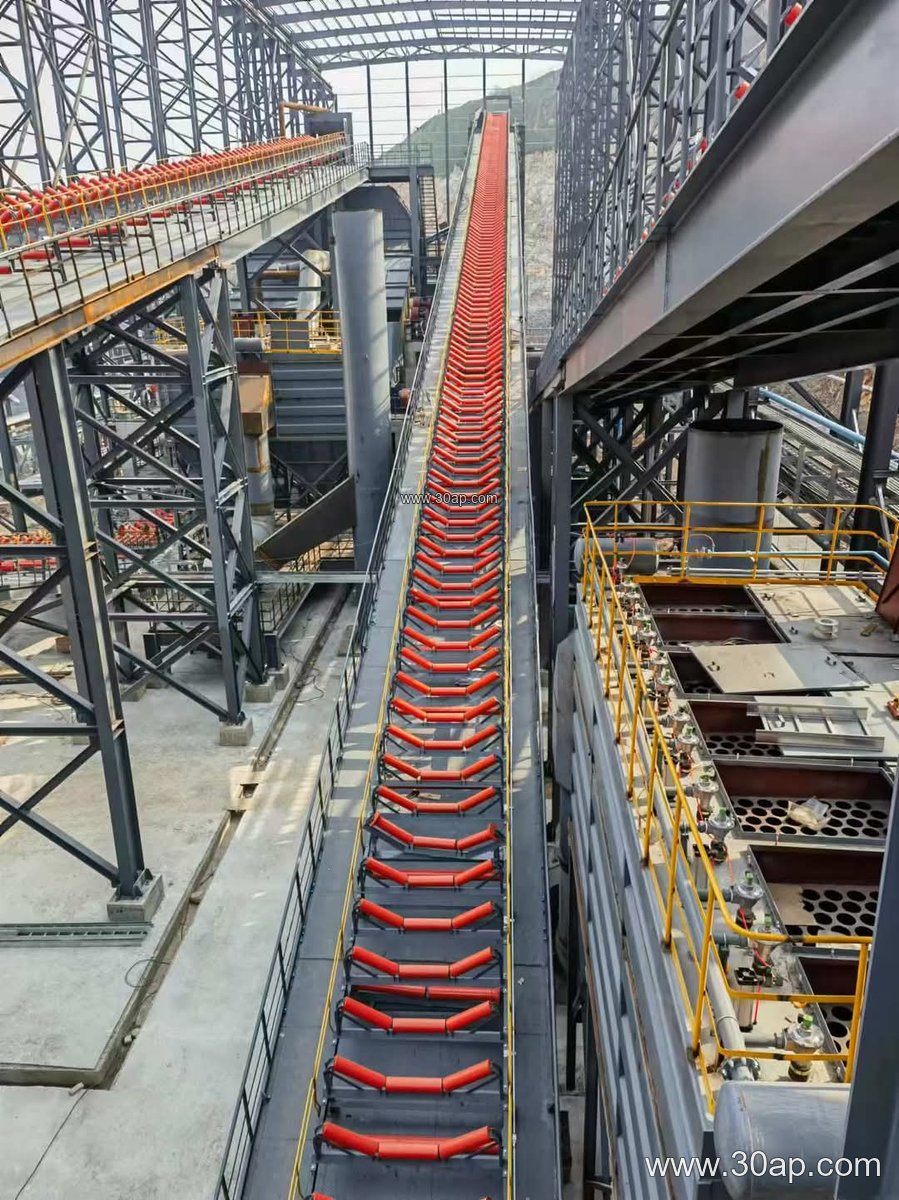
Wet washing plants, port terminals handling damp bulk material, and tunnel spoil conveyors see the hardest conditions. In a coal mining conveyor line, fine coal dust combined with moisture can turn into a paste that attacks bearings quickly. In cement plants, alkaline dust is equally unforgiving. Sealing also matters on the return side, where a flat return roller runs close to spilled material. A well-sealed idler roller on the carrying side protects the belt from misalignment caused by a dragging roller, and this is especially important when a heavy-duty mining conveyor belt runs at high tension.
Seal Construction and Roller Types
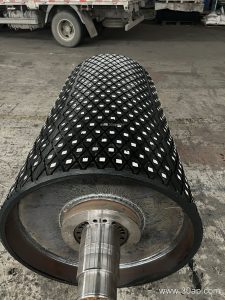
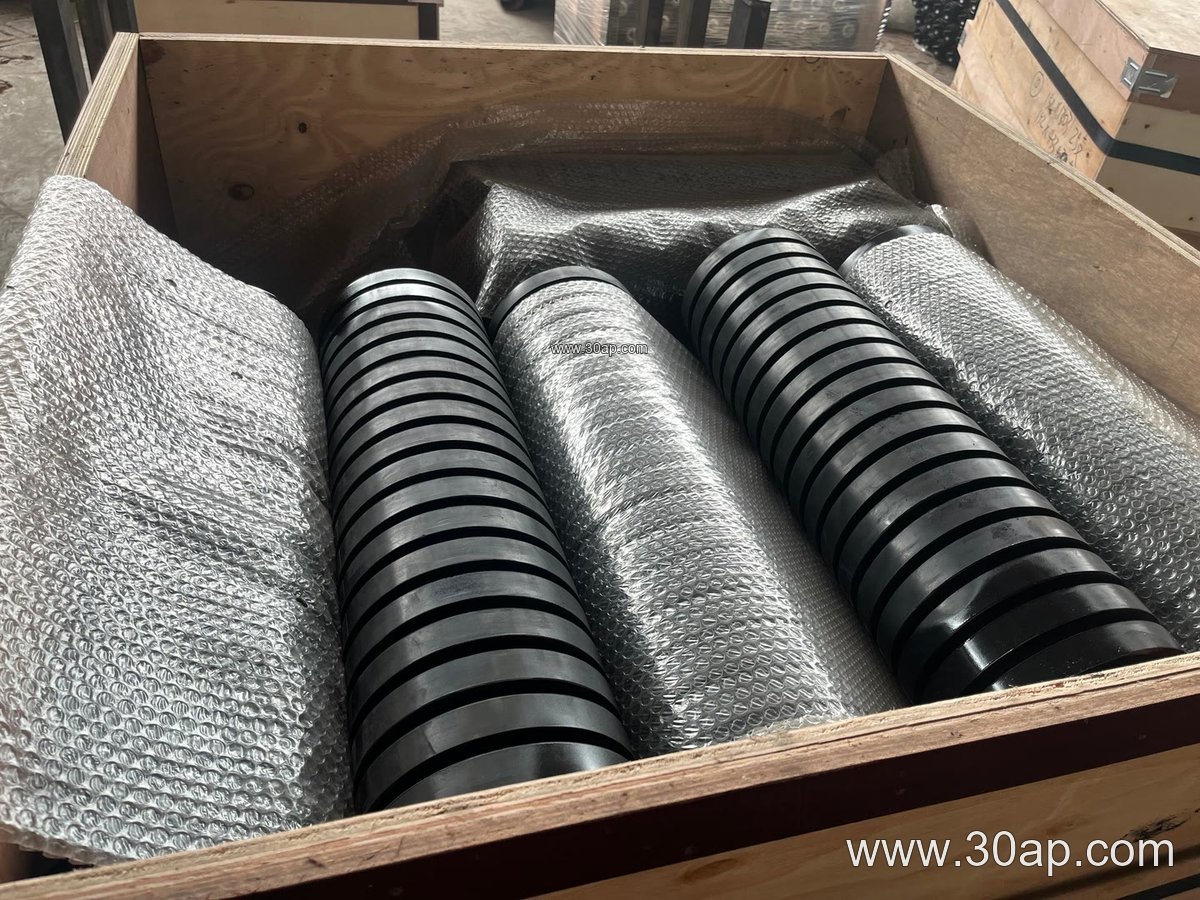
Seal design should match the roller’s role. Troughing idlers, impact rollers at transfer points, and V-return rollers all use seals, but the exposure differs. Impact rollers near a crusher discharge face falling rock and shock loads, so their seals and bearing housings need extra protection. Self-aligning rollers used to correct belt wander may be exposed to the same dust as standard troughing sets. The table below gives common reference values; actual sizes follow the conveyor design.
| Item | Common Reference Range |
|---|---|
| Roller diameter | Ø63, Ø76, Ø89, Ø102, Ø108, Ø127, Ø133, Ø159, Ø178, Ø194, Ø219 |
| Belt width | B400 to B2400 |
| Bearing numbers | 6204, 6205, 6305, 6306, 6308, 6310 |
| Trough angle | 20, 30, 35, 45 degrees |
| Roller surface | Steel tube, nylon, ceramic, rubber ring |
Roller length varies with belt width, trough angle and idler arrangement. For a three-roll troughing set, typical roller lengths are around 200 mm at B500, 250 mm at B650, 315 mm at B800, 380 mm at B1000, 465 mm at B1200, 530 mm at B1400, 600 mm at B1600, 670 mm at B1800 and 750 mm at B2000. Side rollers may differ from the centre roller, so these are examples rather than fixed pairings.
Buyer Checklist
- Confirm the operating environment: dry dust, wet washdown, or chemical exposure. This drives seal material and lip type.
- Check that the seal is matched to the bearing and shaft, not chosen as a separate part number.
- Ask how the labyrinth is greased and whether the roller can be re-lubricated in service.
- Review the roller tube and end cap fit, because a loose cap lets contaminants bypass the seal.
- For high-abrasion lines, compare seal life against the abrasion resistant conveyor belt life so maintenance intervals align.
Seal quality also affects the conveyor bracket and frame. A seized roller can twist in its bracket, wear the mounting flats and misalign the whole idler set. During inspections, look for grease weeping from the end cap, rust trails, or a roller that feels hot after running. Replacing a worn seal or a complete roller early is usually cheaper than replacing a damaged belt section.
For anyone sourcing rollers for a bulk material conveyor belt system, the idler seal is a practical quality marker. It reveals how seriously the manufacturer treats bearing protection, and that directly affects uptime in mines, power plant coal yards, aggregate plants and steel works.