What a Metallurgical Conveyor Idler Does
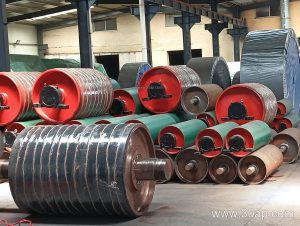
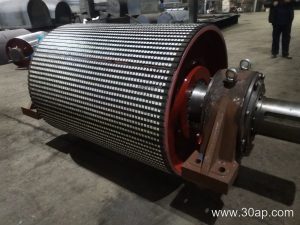
A metallurgical conveyor idler is the rotating component that supports and guides the conveyor belt in harsh metallurgical environments such as steel plants, sintering operations, and ore handling lines. Unlike general-purpose idlers, this component is built to withstand high temperatures, abrasive dust, and heavy impact loads from materials like sinter, coke, and iron ore. The idler roller works together with the conveyor pulley and conveyor bracket to keep the belt tracking smoothly and reduce wear on the belt cover.
Construction and Key Components
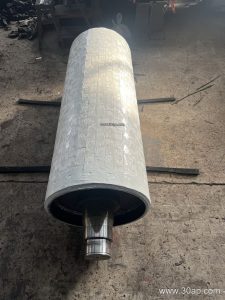
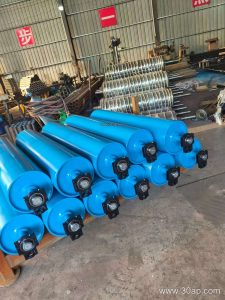
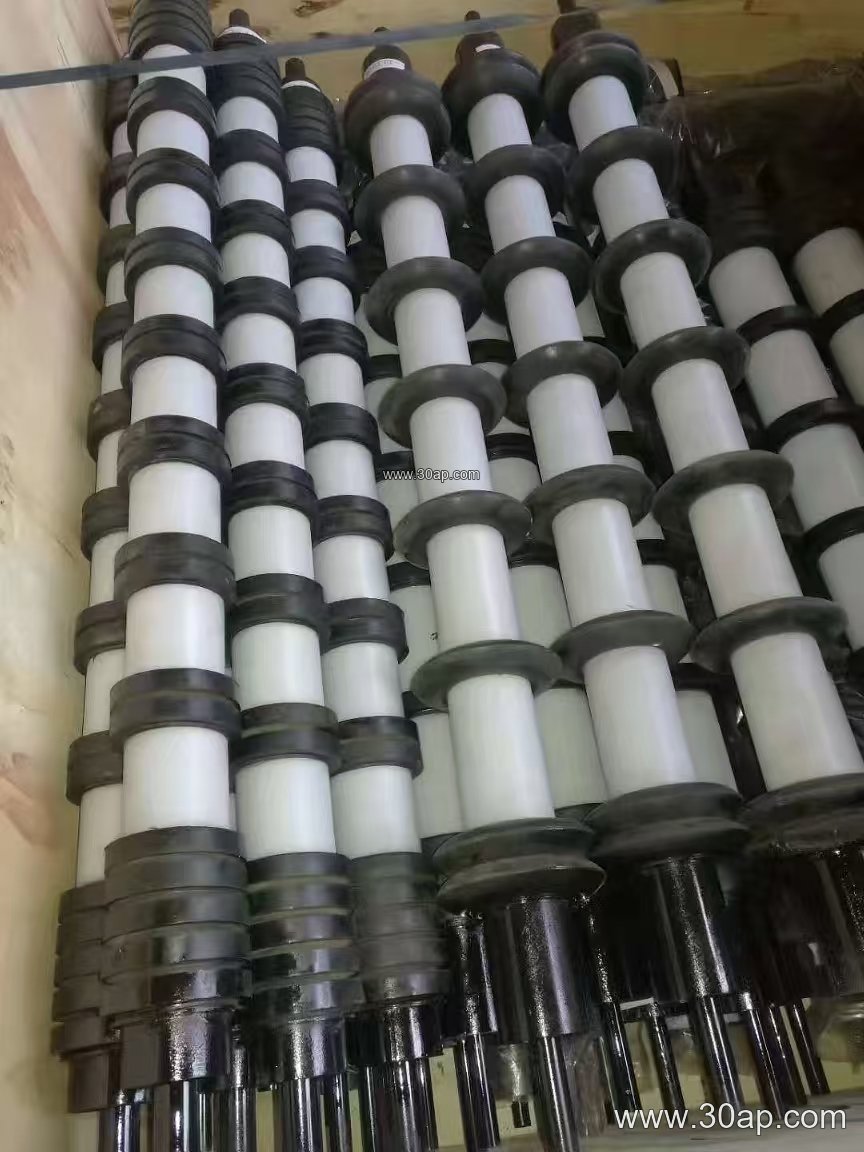
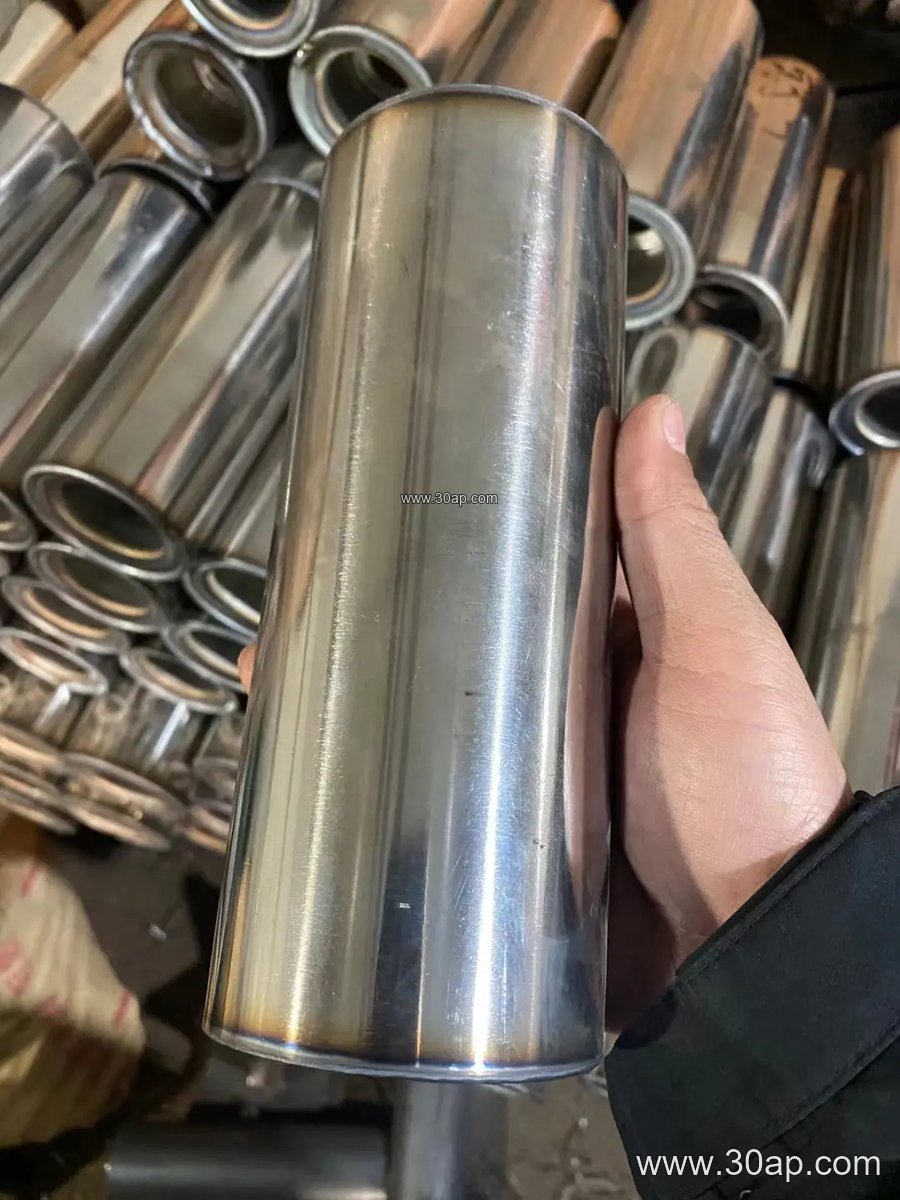
The typical metallurgical conveyor idler consists of a steel tube shell, bearing housing, shaft, and sealing arrangement. The roller surface may be plain steel, nylon-coated, or fitted with rubber rings for cushioning. Bearing selection is critical; common sizes include 6204, 6205, 6305, 6306, 6308, and 6310, matched to the load and speed requirements rather than a fixed rule. Seals are designed to exclude fine metallurgical dust and scale, which can quickly destroy bearings if allowed to enter. The idler is mounted on a conveyor bracket that maintains the correct trough angle.
Common Types in Metallurgical Service
Several idler configurations are used depending on the belt section and material characteristics. Troughing idlers, often supplied as two- or three-roll sets, support the carrying side and form the belt into a trough. Impact idlers with rubber rings are placed at transfer points to absorb the shock of falling ore or sinter. Return idlers support the empty belt, with V-type or flat designs helping to keep the belt centered. Self-aligning idlers are used on long conveyors to correct misalignment. The table below lists common reference dimensions; actual selection depends on belt width, speed, and load.
| Idler Type | Common Roll Diameter (mm) | Typical Belt Width Range (mm) | Roll Length Example (mm) |
|---|---|---|---|
| Troughing idler (3-roll) | 89, 102, 108, 127, 133 | B500 to B1400 | 200 (B500), 315 (B800), 465 (B1200) |
| Impact idler (rubber ring) | 108, 133, 159 | B650 to B1600 | 250 (B650), 380 (B1000), 530 (B1400) |
| Return idler (flat or V) | 89, 102, 108, 127 | B500 to B1200 | 200 (B500), 315 (B800), 465 (B1200) |
| Self-aligning idler | 108, 133, 159 | B800 to B1800 | 315 (B800), 530 (B1400), 670 (B1800) |
These values are common examples and should not be treated as fixed combinations. For instance, a 1200mm wide conveyor belt may use different roll lengths depending on the trough angle and idler arrangement.
Where Metallurgical Conveyor Idlers Are Used
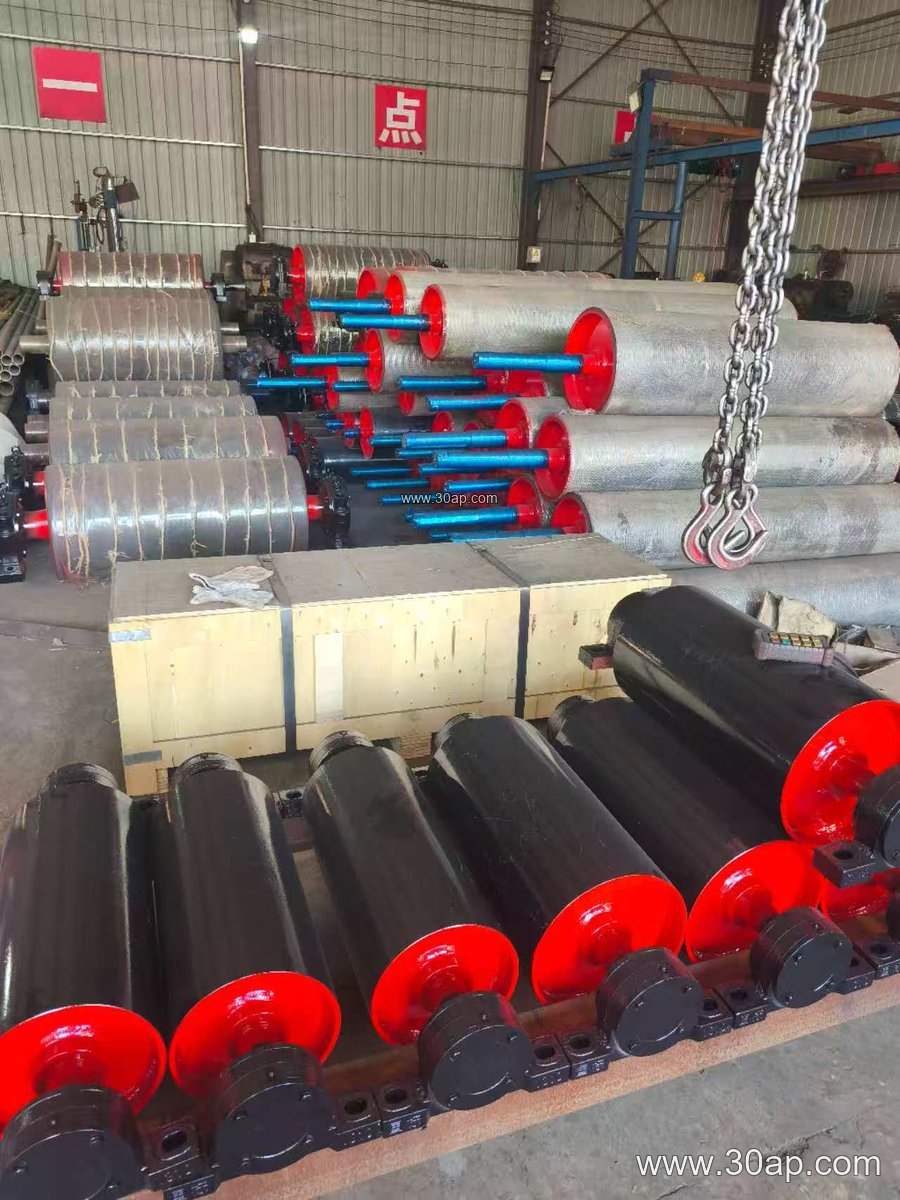
In a steel plant, these idlers handle sinter, pellets, and coke on conveyor lines that operate at elevated temperatures. In a sinter plant, heat-resistant idlers with special seals are often required. At a coal preparation plant or a power plant coal yard, flame retardant and anti-static properties may be relevant for the conveyor belt, while the idlers must resist coal dust and moisture. Aggregate and ore handling in a quarry or port also benefit from heavy-duty idler designs. The idler roller must match the belt speed and load; for high-speed lines, dynamic balance and bearing quality become more important.
Selection and Maintenance Tips
Buyers should consider the material being conveyed, ambient temperature, belt width, and the type of conveyor belt in use. A steel cord conveyor belt or a heavy-duty mining conveyor belt may require larger roll diameters and stronger bearings than a lightweight fabric core belt. Check that the idler’s sealing system suits the dust level; in metallurgical plants, fine abrasive dust is a common cause of premature bearing failure. Regular inspection of idler rotation, shell wear, and bracket alignment helps prevent belt damage. Lubrication-free sealed bearings are common, but some designs allow relubrication. Always refer to the conveyor design manual for the correct trough angle and idler spacing.
Buyer Checklist
- Confirm the belt width (e.g., 800mm, 1000mm, 1200mm) and trough angle (20°, 30°, 35°, 45°).
- Specify the idler type: troughing, impact, return, or self-aligning.
- Check bearing size and sealing class for the environment.
- Verify roll diameter and length against the conveyor bracket dimensions.
- Consider the conveyor belt type: abrasion resistant, heat resistant, or flame retardant as needed.
- Plan a maintenance schedule for idler replacement and belt tracking checks.
For more information on compatible conveyor components, visit our site pages on conveyor belt, idler roller, and conveyor pulley. A well-chosen metallurgical conveyor idler reduces downtime and extends the service life of the entire conveyor system.