What a Self-Aligning Idler Bracket Does
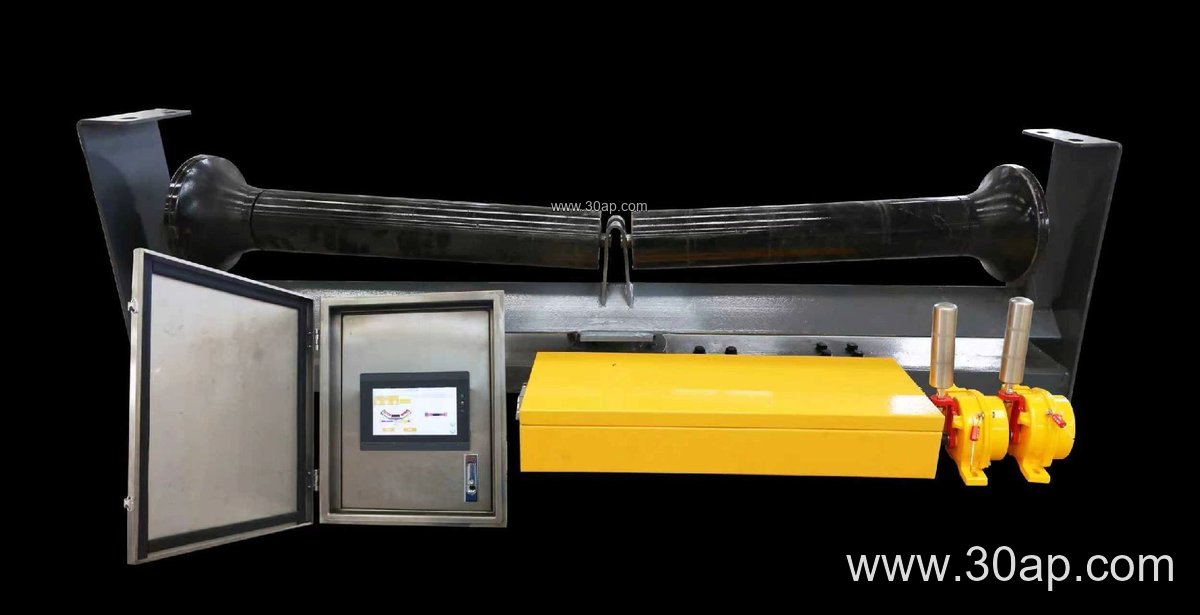
A self-aligning idler bracket is a pivoting support that holds the training idlers on a conveyor and automatically corrects belt misalignment. Unlike a fixed bracket, it allows the idler frame to swing slightly around a vertical pivot, so when the belt drifts to one side, the idler applies a gentle steering force that brings the belt back to center. This self-correcting action reduces edge damage, spillage, and premature wear on the conveyor belt, especially in continuous-duty systems such as a coal mining conveyor belt or an ore conveyor belt handling abrasive bulk material.
Construction and Key Components
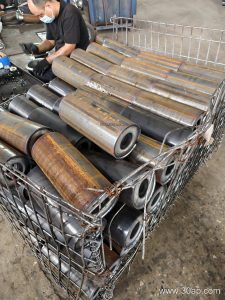
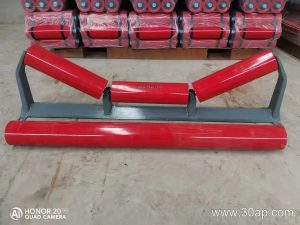
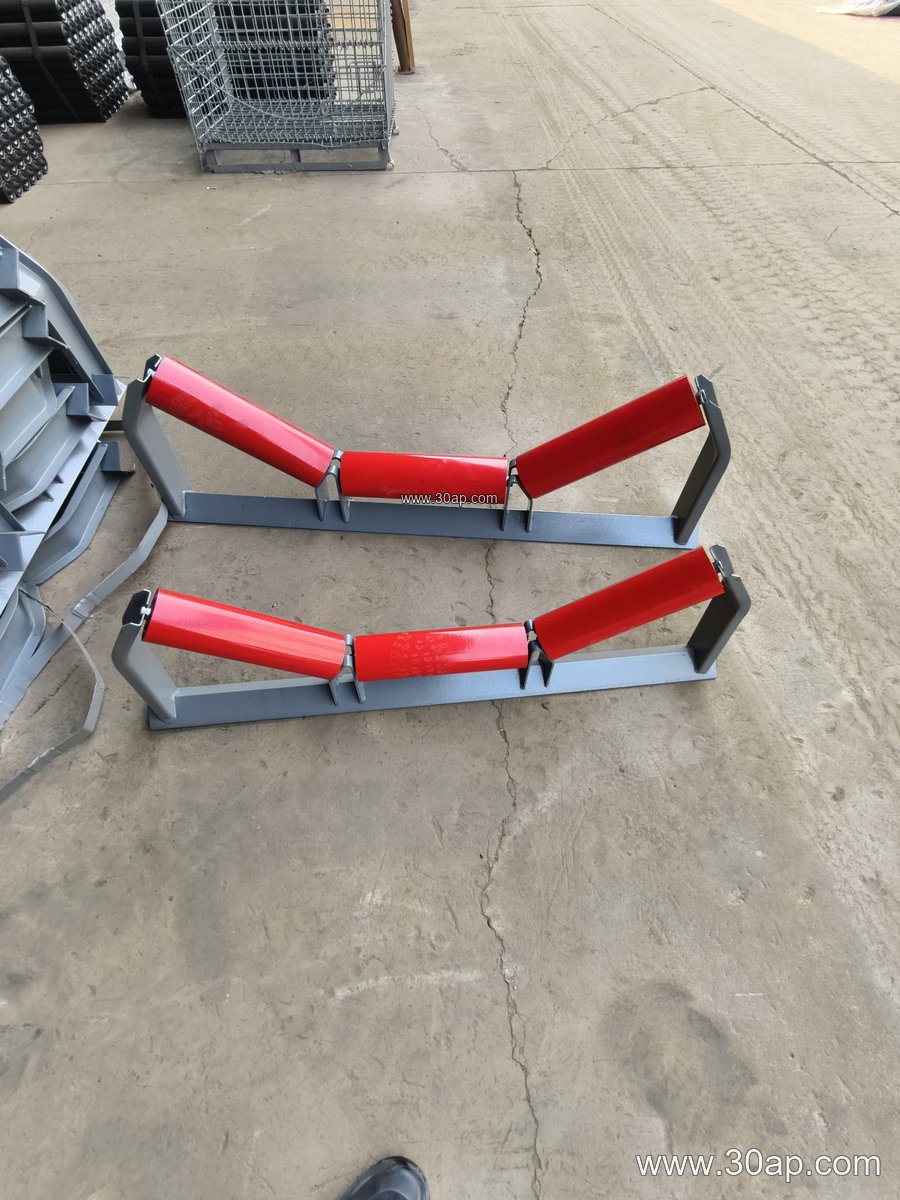
Most self-aligning brackets are fabricated from angle steel, channel steel, or folded steel plate. The pivot assembly typically includes a vertical shaft, a thrust bearing, and a sturdy base that bolts to the conveyor stringer. The idler carrying frame is mounted on top and can be fitted with two or three idler rollers. A common configuration uses a 20° or 30° trough angle for the training idlers, though adjustable designs allow the angle to be set between 20° and 45° to suit different belt widths and load conditions. The bracket must be rigid enough to resist vibration while still allowing free pivoting motion.
Where It Fits in a Conveyor System
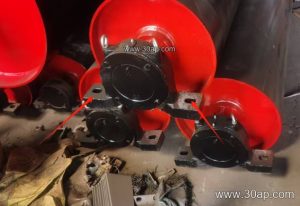
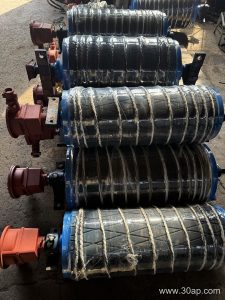
Self-aligning brackets are usually installed on the carrying side at intervals along the conveyor, often near the head pulley, tail pulley, and bend pulleys where belt tracking is most critical. They are also used on the return run with V-return idlers. In a quarry conveyor belt or aggregate conveyor belt line, a few self-aligning stations can prevent the belt from rubbing against the structure. In power plant coal handling or cement plant applications, they help maintain steady tracking under variable load. The bracket works together with the conveyor pulley, idler roller, and conveyor bracket to keep the entire belt path stable. For wider belts, such as a 1200mm wide conveyor belt or 1500mm wide conveyor belt, heavier brackets with larger pivot shafts are typically selected.
Typical Sizes and Selection Guidelines
Selection depends on belt width, idler diameter, and the load carried. The table below shows common reference combinations; actual dimensions are determined by the conveyor design. Belt width and idler diameter are not fixed pairs—a B800 belt may use Ø89 or Ø108 idlers depending on the application.
| Belt Width (B) | Common Trough Angle | Typical Idler Diameter | Typical Bracket Material |
|---|---|---|---|
| B500 | 20°–30° | Ø89 | Angle steel |
| B650 | 20°–35° | Ø89–Ø108 | Angle steel / channel |
| B800 | 30°–35° | Ø89–Ø108 | Channel steel |
| B1000 | 30°–35° | Ø108–Ø133 | Channel steel / folded plate |
| B1200 | 30°–45° | Ø108–Ø159 | Folded steel plate |
| B1400 | 35°–45° | Ø133–Ø159 | Heavy folded plate |
| B1600 | 35°–45° | Ø133–Ø194 | Heavy folded plate |
| B1800 | 35°–45° | Ø159–Ø194 | Heavy folded plate |
| B2000 | 35°–45° | Ø159–Ø194 | Heavy fabricated |
For a EP conveyor belt or steel cord conveyor belt running at high tension, the self-aligning bracket should be sized with a robust pivot and bearing. A flame retardant conveyor belt used in underground mining may require brackets that are easy to inspect and clean. The bracket’s mounting hole spacing and crossbeam length vary with belt width and trough angle, so these are always confirmed against the conveyor layout.
Buyer Checklist
- Confirm belt width and idler diameter, and check that the bracket’s pivot range suits the expected misalignment.
- Verify the trough angle range—fixed or adjustable—matches the idler set being used.
- Check material thickness and finish for the environment, especially in dusty or corrosive plants.
- Ensure the bracket is compatible with the existing conveyor bracket and stringer bolt pattern.
- Ask for the pivot bearing type and lubrication requirements to plan maintenance.
Properly applied, a self-aligning idler bracket is a low-maintenance investment that protects the conveyor belt and keeps material moving smoothly from the crusher to the stockpile or ship loader.