What a 650mm Conveyor Belt Is
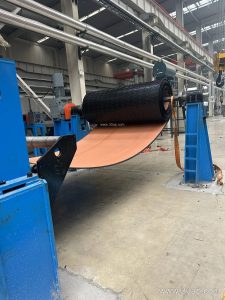
A 650mm conveyor belt is a belt with a nominal width of 650 millimetres, usually written as B650 in specification sheets and on plant drawings. It sits in the middle of the common narrow-to-medium range, above 500mm and 600mm belts but below 800mm and 1000mm widths. This makes it a practical choice for secondary and tertiary conveying lines, transfer points, and plant circuits where the tonnage is moderate and the space around the frame is limited. Depending on the duty, a 650mm belt may be supplied as an EP conveyor belt, an NN conveyor belt, or a steel cord conveyor belt, and the cover compound is selected to suit the material being carried.
Construction and Common Specifications
The belt body is normally a fabric core with rubber covers, though heavier duties may call for steel cord reinforcement. The carcass carries the tension, while the top and bottom covers protect it from abrasion, impact, moisture, and heat. Buyers should treat the figures below as reference ranges only, since each manufacturer sets its own construction and each conveyor is designed around its own load case.
- Width: B650 nominal, cut edge or moulded edge
- Reinforcement: EP fabric, NN fabric, or steel cord
- Strength grades: EP200, EP315, EP400, EP500, EP630, EP800, EP1000, and higher grades where required
- Ply count: commonly 2 to 6 fabric layers
- Cover thickness: 3+1.5 mm, 4+2 mm, 5+2 mm, 6+2 mm, 8+3 mm
- Surface forms: plain, chevron, skirted, corrugated sidewall
- Special compounds: abrasion resistant, heat resistant, oil resistant, flame retardant, anti-static, cold resistant, acid and alkali resistant
Where the Width Fits in a Plant
In a quarry or sand and gravel plant, a 650mm belt often handles screened stone, sand, and return material from a crusher conveyor belt line. In a cement plant it may feed clinker or raw meal between silos, while in a coal handling system a flame retardant conveyor belt in this width can serve bunker and transfer duties. Power plants use it for limestone and ash lines, and recycling facilities use it for sorted fractions. The width is also common on mobile crushing and screening equipment, where frame space is tight and a compact belt profile is an advantage.
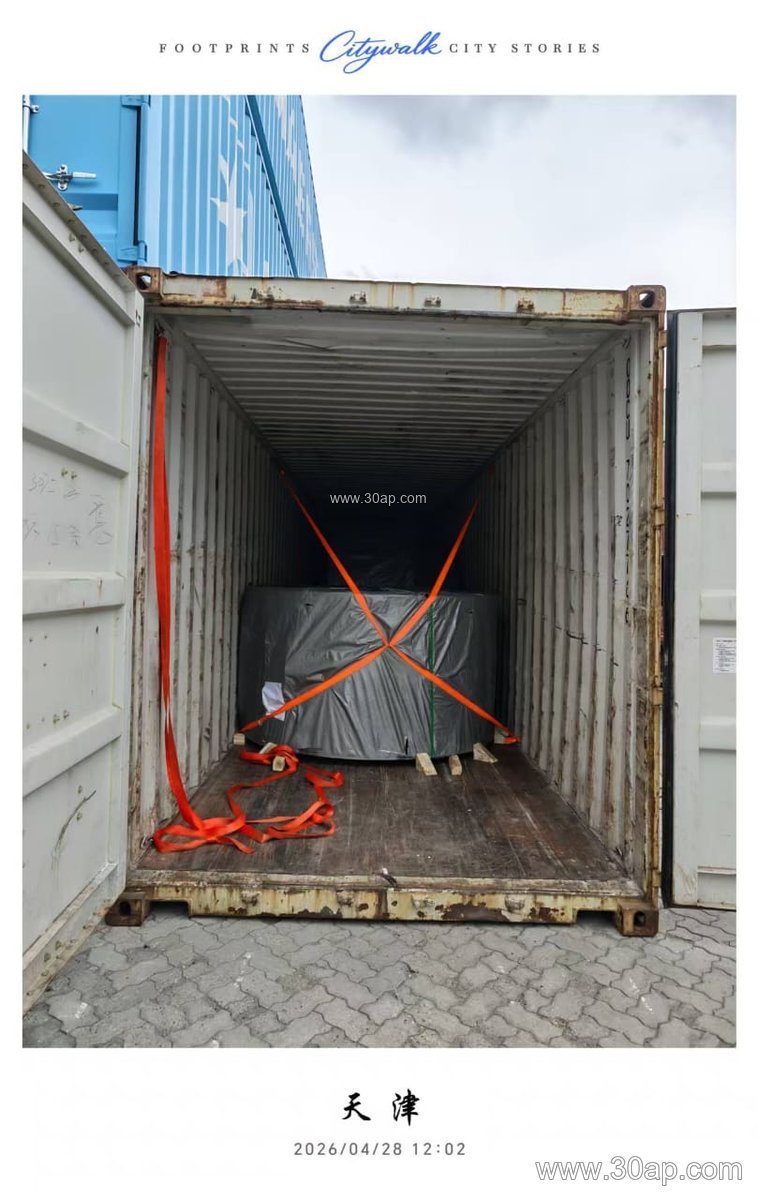
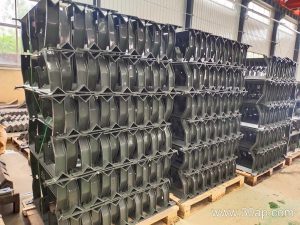
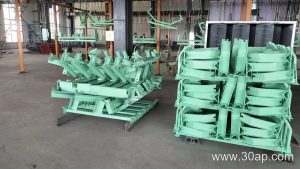
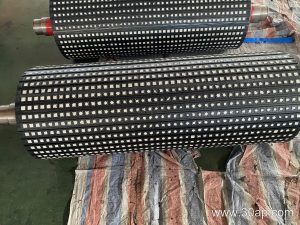
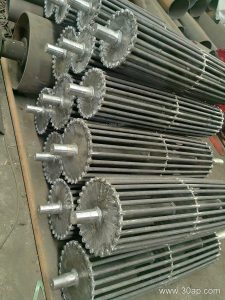
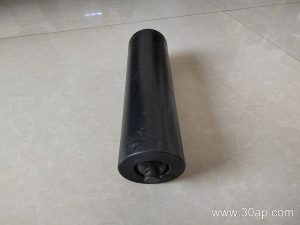
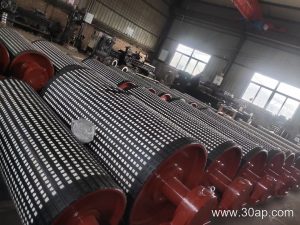
The belt does not work alone. It runs on a conveyor pulley at the head and tail, is supported by idler rollers along the carry and return sides, and is held in line by the frame and conveyor bracket arrangement. Drive, tail, and bend pulleys each have a distinct role and are not interchangeable, so the belt width should be checked against the actual pulley face width and the troughing angle of the idlers.
Choosing the Right Belt for the Duty
Selection starts with the material: lump size, bulk density, moisture, temperature, oil content, and whether the atmosphere is dusty or potentially explosive. A hard, sharp rock calls for a high abrasion resistant conveyor belt with a thicker top cover, while hot clinker or sinter may need a heat resistant conveyor belt. Underground coal mining conveyor belts usually require flame retardant and anti-static properties, and food or clean-process lines may call for a food grade conveyor belt. Where the route climbs steeply, a chevron conveyor belt or a corrugated sidewall belt can prevent material roll-back, and a pipe conveyor belt may be considered where dust control and route flexibility matter more than open-trough simplicity.
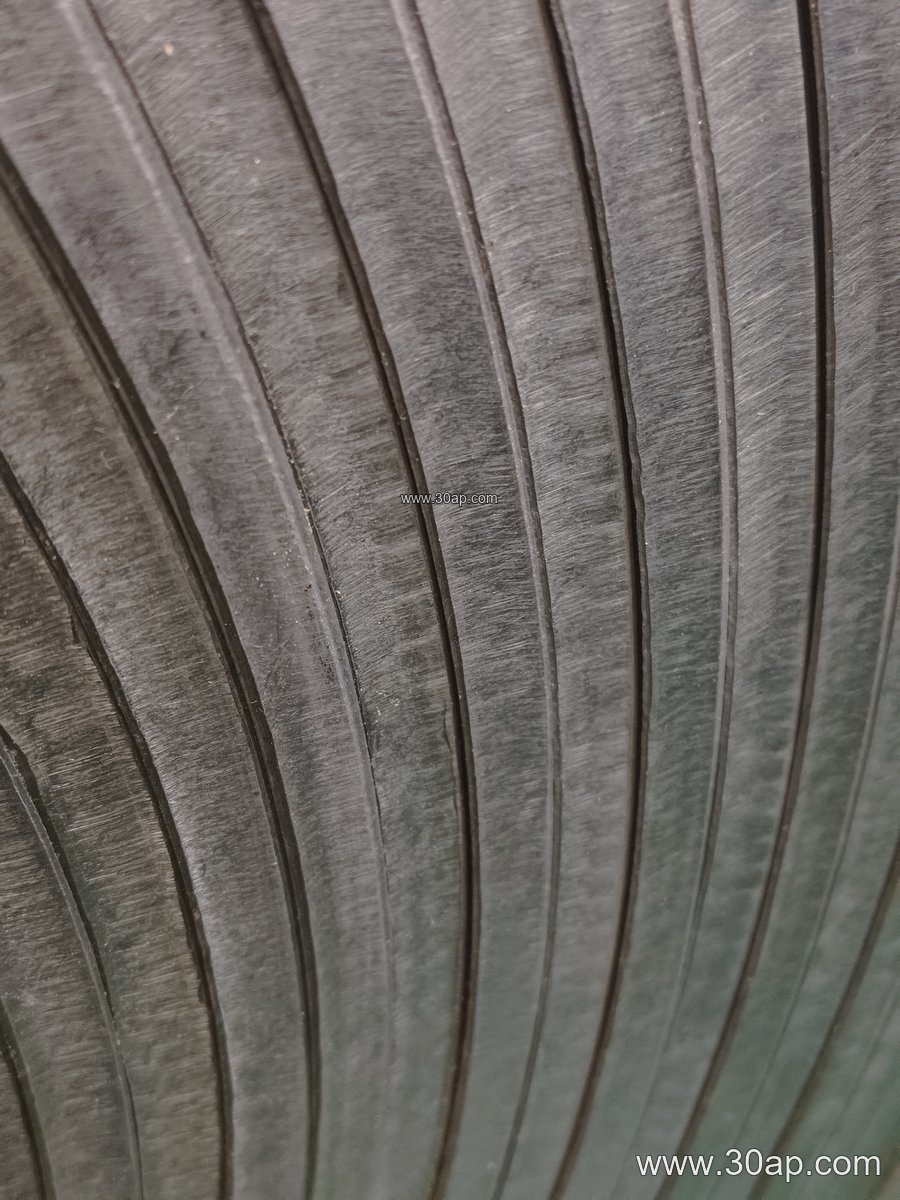
Width alone does not determine pulley diameter or shaft size. A 650mm belt can run on different pulley diameters depending on tension, belt thickness, and the required wrap angle, so the drive pulley, tail pulley, and bend pulley should be sized from the conveyor design rather than from the belt width. The same applies to idler roller diameter and spacing, which follow load and belt speed.
Installation and Maintenance Points
Correct alignment at installation prevents most tracking problems. Check that the belt is square on the pulleys, that idlers are perpendicular to the centre line, and that the take-up has enough travel for stretch. Keep the belt clean, inspect splices and edges regularly, and watch for cover wear near loading points. In cold climates, a cold resistant compound reduces cracking at start-up, and in dusty coal or grain service an anti-static belt helps control static build-up. Storing belts away from sunlight, ozone sources, and oil keeps the rubber in better condition before installation.
For buyers comparing quotations, ask for the carcass type, ply count, strength grade, cover thickness, and surface form in writing, and confirm that the offered 650mm conveyor belt matches the pulley face width, trough angle, and environmental conditions of the line. A belt that suits a stone crushing plant may be unsuitable for a coal mine or a cement kiln area, so matching the compound to the duty is as important as matching the width.