What a Rubber-Lined Pulley Does
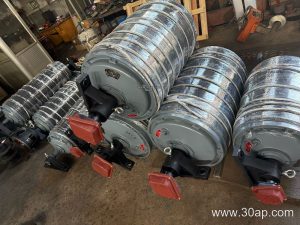
A rubber-lined pulley is a conveyor pulley whose shell is covered with a rubber layer, usually applied by hot vulcanization or cold bonding. The rubber layer changes how the pulley meets the belt: it raises friction on the driving side, cushions the belt carcass, and shields the shell from abrasive dust and moisture. In a quarry or a limestone mine, that combination often matters more than the bare steel strength of the drum itself.
The product is also called a rubber lagged pulley or a rubber-coated conveyor pulley. Those names describe the same item, and the lining may be smooth, diamond patterned, or chevron grooved depending on the duty.
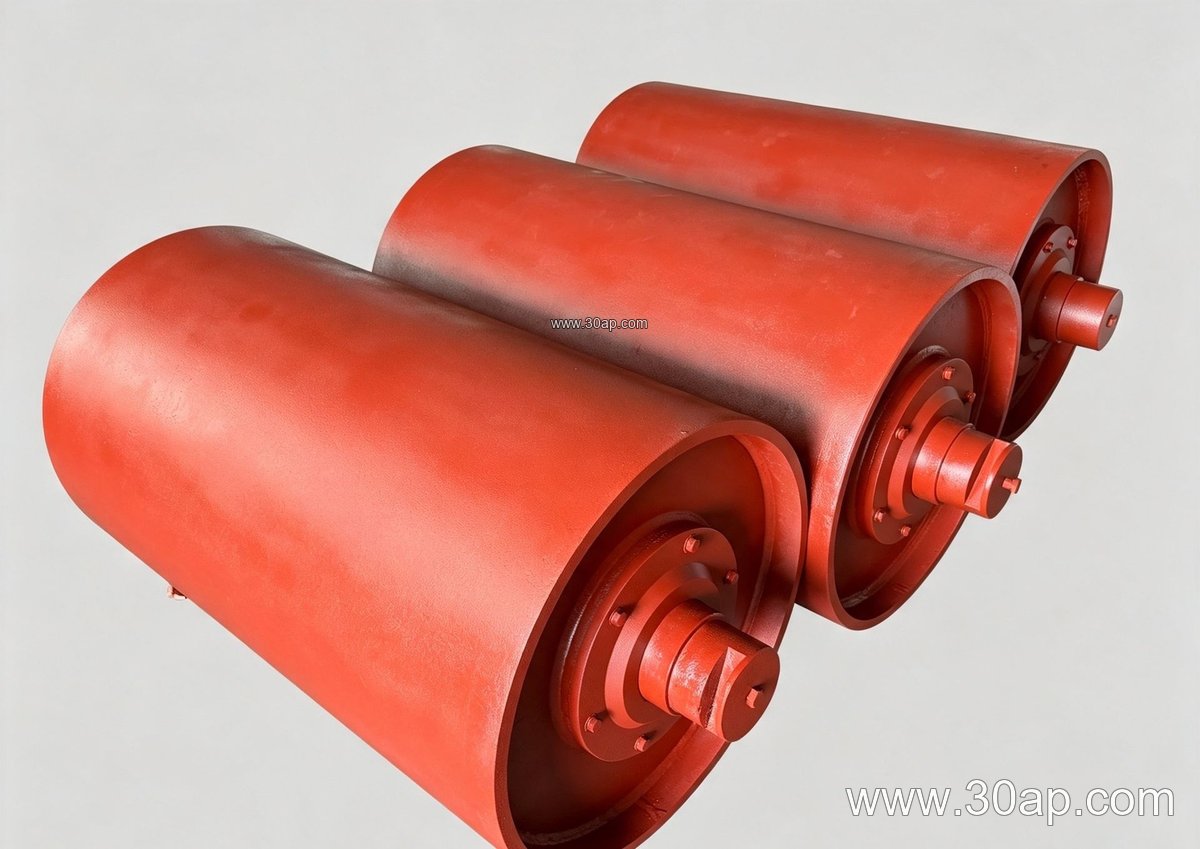
Construction and Surface Options
The core is a welded steel shell with end discs and a shaft, machined for balance and concentricity. Lining thickness commonly falls in the 8, 10, 12, 15, and 20 mm range. Surface forms include plain rubber, diamond lagging, chevron lagging, and ceramic lagging when extra bite is needed in wet conditions.
- Hot vulcanized rubber gives a strong bond and suits high-torque drives.
- Cold bonded rubber is easier to replace on site.
- Diamond and chevron patterns help shed water and fines.
- Plain lining is often chosen where the belt back is sensitive.
Belt width and pulley diameter are separate decisions. A B800 drum might run at Ø500 in a short aggregate line, while a B1200 head pulley in a cement plant could be Ø1000. Shaft diameter is set by torque and bearing load, not by belt width alone, so Ø80, Ø100, or Ø140 shafts may appear across similar shells.
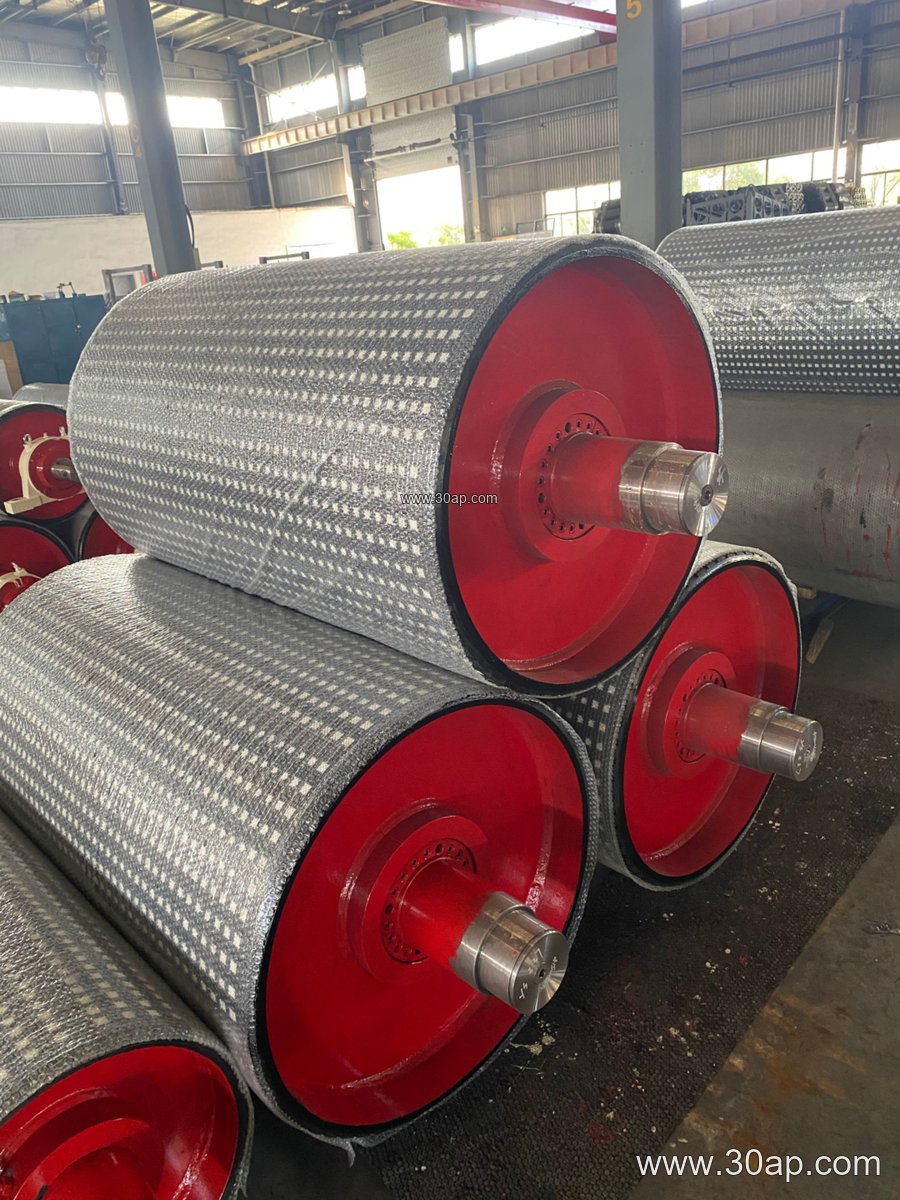
Where It Fits on the Conveyor
Most rubber-lined pulleys serve as drive pulleys at the head, where grip decides whether the belt slips under load. A tail pulley at the loading point may also be lined to resist impact and fine dust. Bend and take-up positions use lined shells less often, but a rubber surface can still help where the belt wraps at a sharp angle.
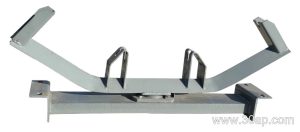
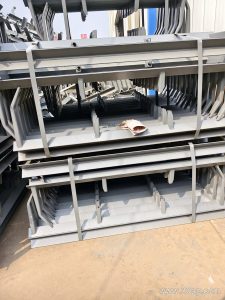
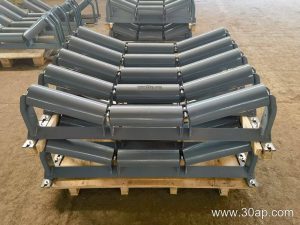
These drums work alongside the conveyor belt, idler roller, conveyor bracket, and frame. In a coal washing plant or a power station coal yard, a lined drive pulley paired with a flame retardant conveyor belt and a sturdy conveyor bracket assembly keeps the transfer point stable through wet, dusty shifts. Similar setups appear in copper ore and iron ore circuits, where an abrasion resistant conveyor belt and a rubber-lined drive drum protect each other.
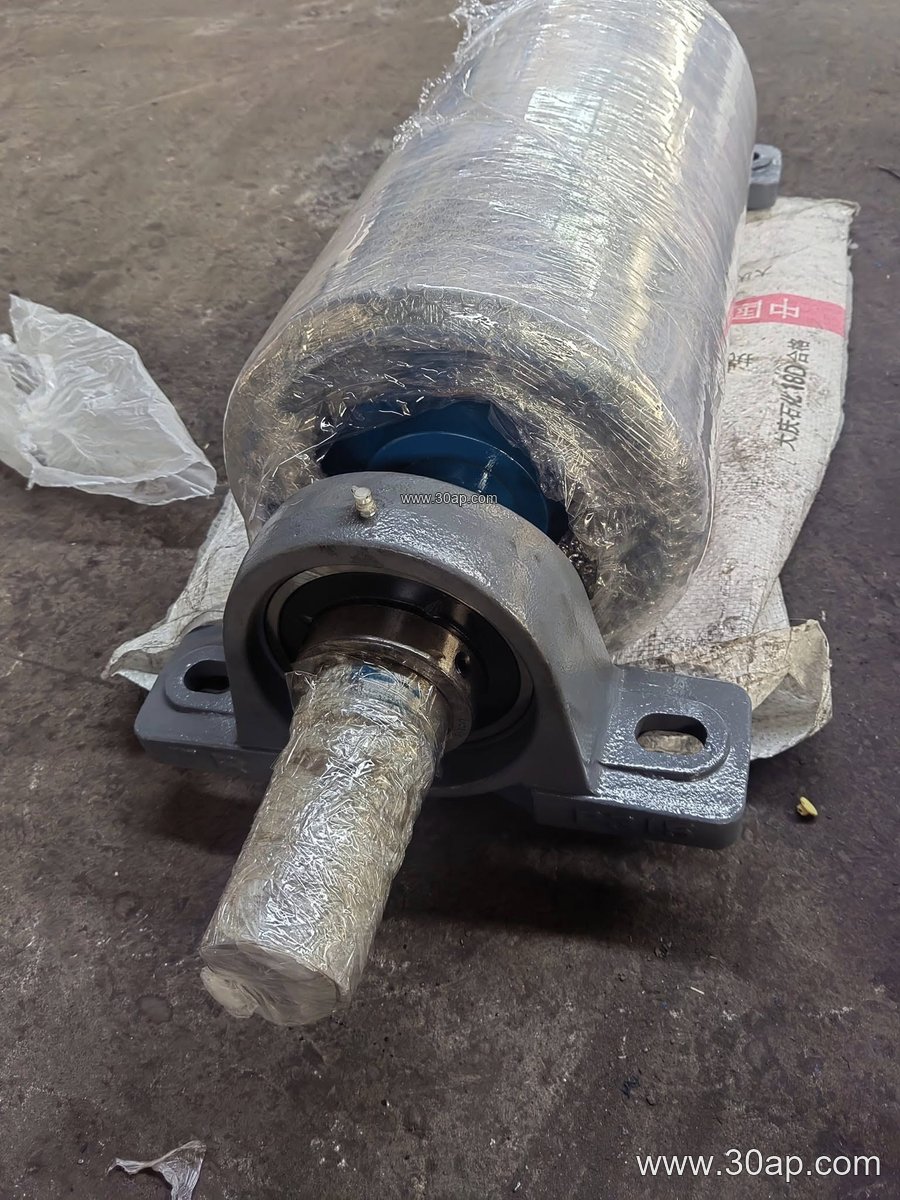
Matching the Pulley to the Belt
The lining should suit the belt it touches. A steel cord conveyor belt carries high tension and needs a drive pulley with reliable friction; an EP conveyor belt or NN conveyor belt in a sand and gravel line may run with a diamond-lagged drum. Heat resistant conveyor belt and oil resistant conveyor belt applications call for lining compounds that tolerate the same conditions, and cold resistant conveyor belt service in northern yards needs rubber that stays flexible.
Common shell combinations include B650 × Ø400, B1000 × Ø630, and B1400 × Ø800. Face width usually exceeds belt width by roughly 100 to 200 mm, so a B1000 belt often sits on a shell around 1150 mm wide. These are reference patterns, not fixed rules.
Buyer Checklist
- Confirm the pulley position: drive, tail, bend, or take-up.
- State belt width, belt type, and expected tension.
- Choose lining thickness and pattern for the material and moisture.
- Give shaft diameter and bearing centers from the drawing.
- Ask how the lining is bonded and whether it can be re-coated.
Inspect the rubber for cuts, glazing, and separation at the edges during shutdowns. A worn lining loses grip before the steel shell fails, so replacing the rubber early is usually cheaper than replacing the whole drum. For conveyors handling bulk material in mines, ports, or crushing plants, a well-specified rubber-lined pulley is a small part that keeps the whole belt line moving.