What a Terminal Conveyor Idler Does
At the discharge end of a conveyor line, material leaves the belt and enters a chute, a stockpile, or the next stage of processing. The roller that supports the belt at this point is the terminal conveyor idler, sometimes called the head-end carrying idler. Its job sounds simple, but it must hold the belt in a stable profile while taking the full load of the material stream, absorb any impact from the transfer point, and keep the belt tracking straight as it turns over onto the return run. In a quarry or a cement plant, this position often sees a heavier and more variable load than the idlers further back along the line.
How the Roller Is Built
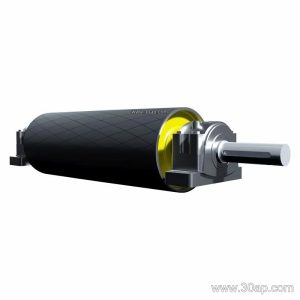
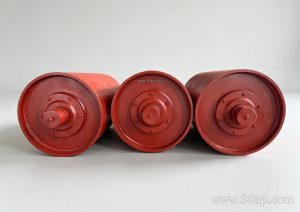
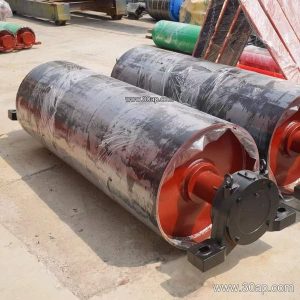
Most terminal conveyor idlers follow the same basic construction as other carrying idlers. A steel tube shell, usually with machined end faces, houses a shaft that runs through sealed bearings. The bearing housing is packed with grease at assembly, and the seal arrangement matters more here than many operators expect, because dust and fines are constant at a discharge point. Common bearing sizes for this duty include 6205, 6305, 6306, and 6308, selected according to the shaft and load rather than tied to one shell diameter. The roller ends are fitted with labyrinth or contact seals, and in abrasive service a rubber or nylon end cap can help keep grit out of the bearing cavity.
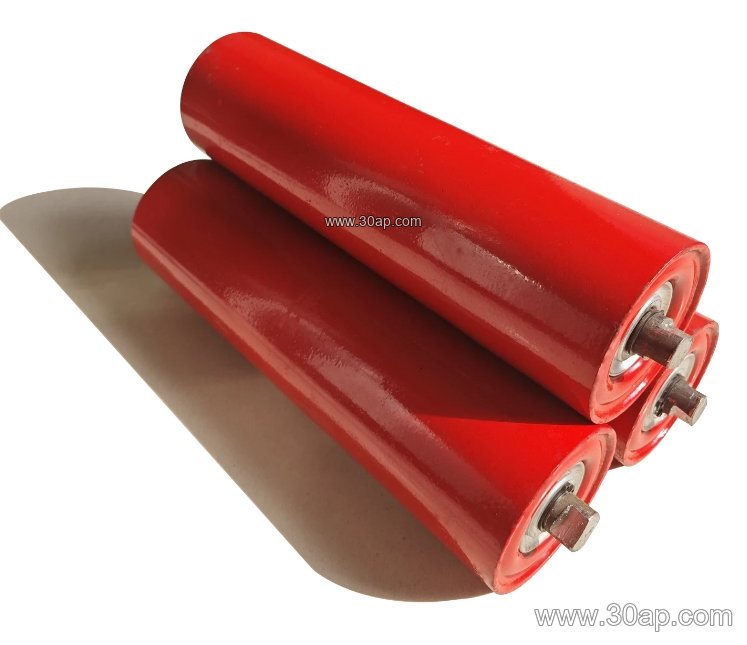
Shell diameters are chosen to suit the belt and the load. Typical sizes range from Ø89 and Ø108 up to Ø133, Ø159, and Ø178 for heavier terminal positions. The roller face length is matched to the belt width and to the trough arrangement; a three-roll station on a B1000 belt commonly uses rolls around 380 mm long, while a B1400 station may use rolls near 530 mm. These are reference figures only, and side rolls on a troughing set are often shorter than the center roll.
Troughing and Support at the Terminal
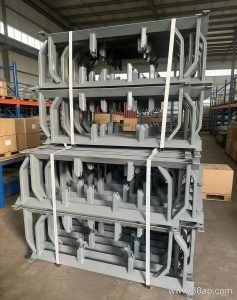
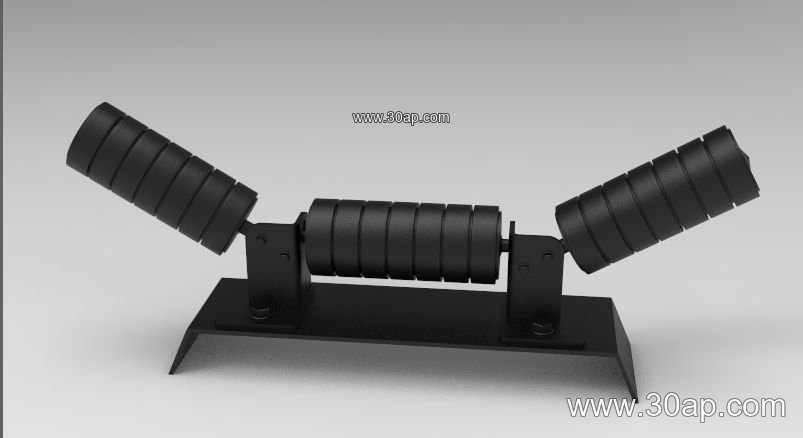
The terminal station is usually a three-roll troughing set, though two-roll and single-roll forms appear on narrower belts. Trough angles of 20, 30, 35, and 45 degrees are common, and the angle affects how the material sits on the belt as it approaches the head pulley. A steeper trough holds the load more centrally but can increase stress on the belt edges, so the choice should follow the material and the belt construction rather than a single default. On some lines, a transition idler with a shallower angle is placed just ahead of the terminal set to guide the belt from the trough profile toward the flat pulley.
Where This Idler Is Used
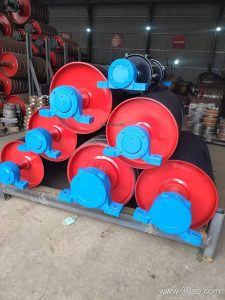
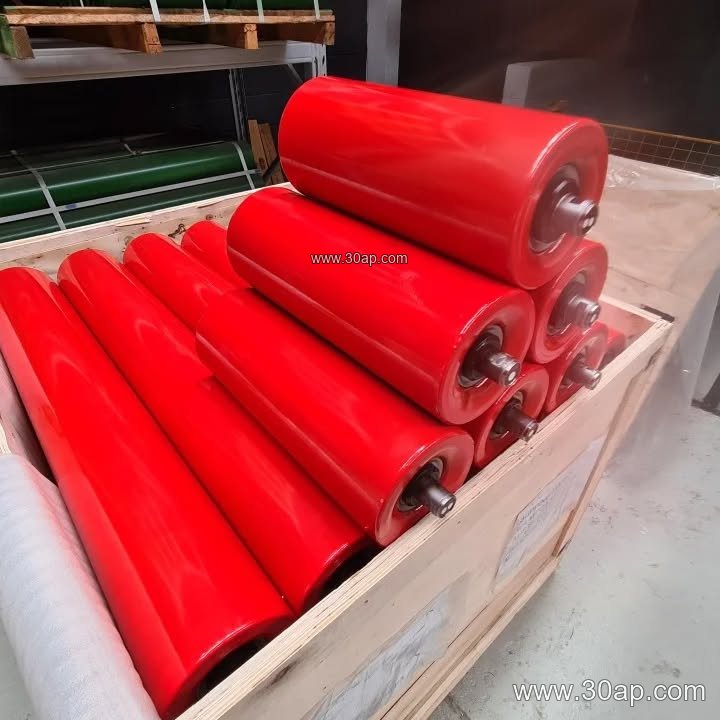
You will find terminal conveyor idlers in stone crushing plants, aggregate lines, and sand making circuits where the discharge feeds a screen or a stockpile. In a coal handling system at a power plant, the head-end roller supports a flame retardant conveyor belt as it delivers fuel to the bunker or crusher house. Iron ore and copper ore concentrators use them on the final carrying run before the transfer chute, and port ship loading conveyors rely on them to keep the belt steady at high capacity. In each case the roller works together with the conveyor pulley, the belt, and the conveyor bracket that fixes the station to the frame.
Selection Points for Buyers
- Belt width and trough form. Confirm whether the station is single, two-roll, or three-roll, and check the required roll length. Do not assume one belt width fixes one pulley diameter or one shaft size.
- Load and impact. At a transfer point, impact-resistant rolls with rubber rings can reduce shock on the shell and bearings.
- Sealing and bearing. Ask about the seal type and the bearing size, especially for dusty or wet duty. A well-sealed idler roller lasts longer in a washdown or dewatering area.
- Shell material. Steel is standard; nylon or ceramic covers may suit sticky or highly abrasive material.
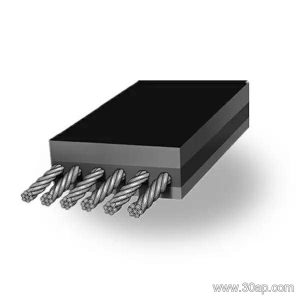
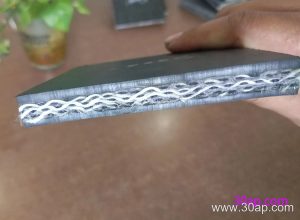
- Belt compatibility. Terminal idlers interact with whatever belt is running. A heavy-duty mining conveyor belt, an abrasion resistant conveyor belt, or an EP conveyor belt each has different edge and stiffness behavior, so the trough angle and transition should match the belt.
Maintenance Notes
Check the terminal station at the same interval as the rest of the carrying idlers. Listen for a seized roller, look for a belt that drifts at the head end, and inspect the seal area for packed fines. A roller that stops turning will flat-spot the shell and wear the belt cover quickly. On lines handling hot material, a heat resistant conveyor belt may run alongside rollers with high-temperature bearing grease; confirm the grease rating before changing lubricant. When replacing a roll, match the shaft end, the bracket fixing, and the roll length rather than relying on the old part number alone.