What a Dustproof and Waterproof Idler Does
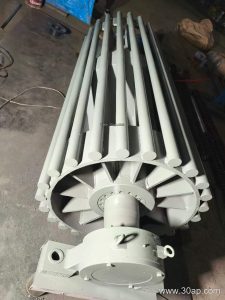
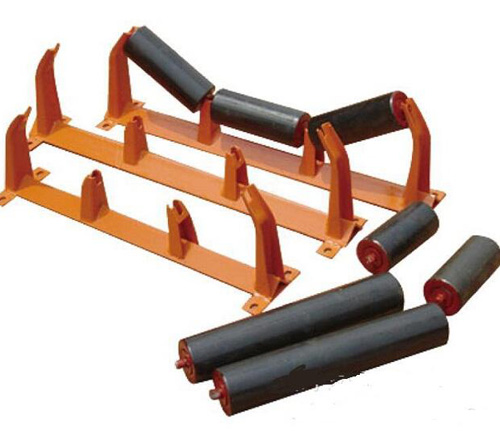
A dustproof and waterproof idler is a carrying or return roller built to keep fine dust and moisture away from its bearing cavity. On a conveyor belt system, the idler roller is the part that supports the belt and the load, and it turns constantly under grit, spray, and temperature swings. When water and dust reach the bearings, grease washes out, races corrode, and the roller seizes. A sealed idler roller slows that process and keeps the belt running smoothly in conditions where a standard roller would fail early.
How the Sealing and Body Are Built
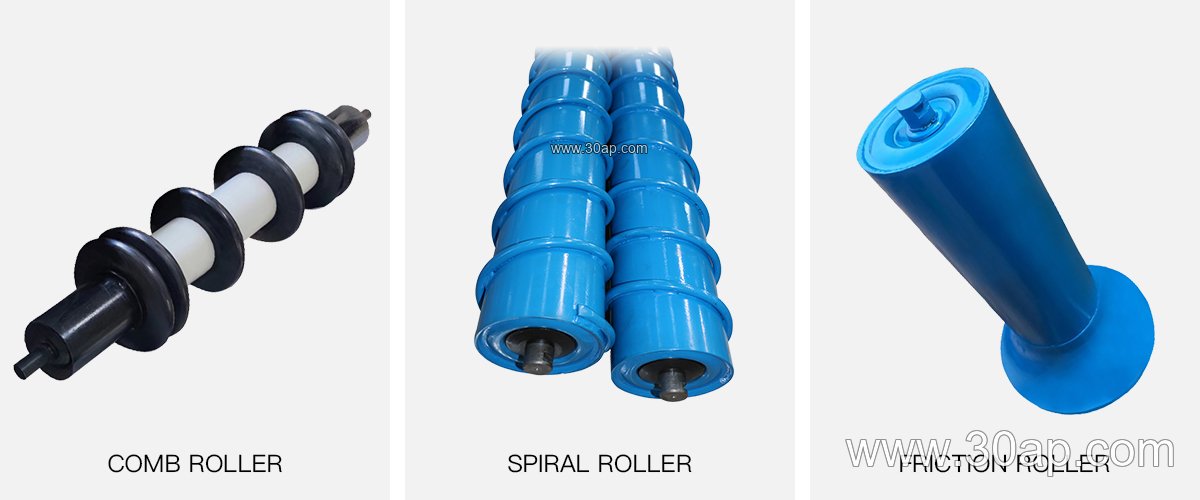
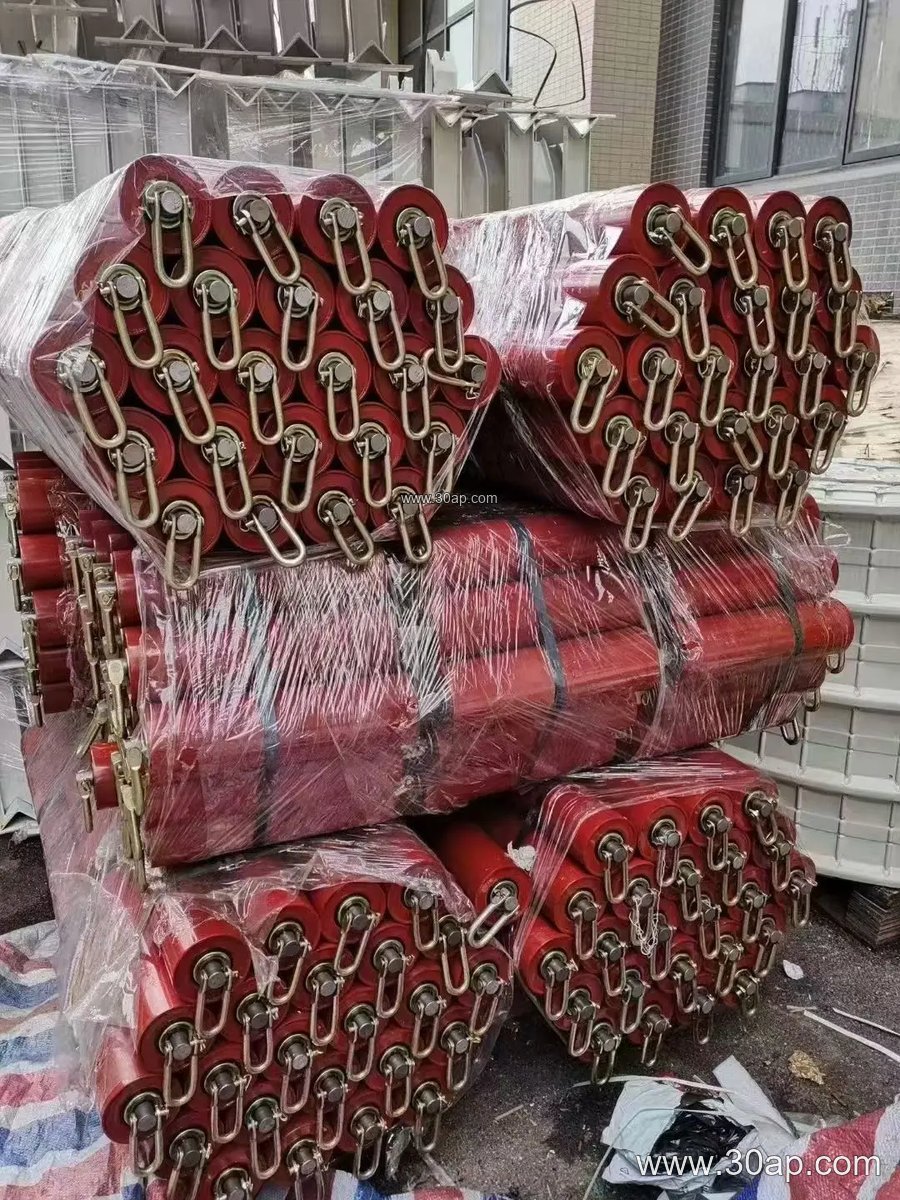
The protection normally comes from a multi-stage seal: a labyrinth path, a lip seal, and a grease-filled chamber behind them. Some designs add a protective cap or a felt ring to stop coarse particles before they reach the lip. The roller shell is usually a steel tube with machined ends, and the shaft is fixed while the shell rotates on the bearings. Surface options include plain steel, nylon, ceramic, and rubber rings, chosen for stickiness, wear, or noise. Bearing size is matched to load and speed rather than to one shell size; common bearings in this family include 6204, 6205, 6305, 6306, 6308, and 6310.
| Item | Common Range | Note |
|---|---|---|
| Roller diameter | Ø63 to Ø219 mm | Larger diameters suit heavier loads |
| Belt width | B400 to B2400 | Roller length follows belt width and trough form |
| Trough angle | 20°, 30°, 35°, 45° | Selected by material and belt stiffness |
| Bearing | 6204 to 6310 | Matched to load and speed by design |
Where These Sealed Rollers Fit
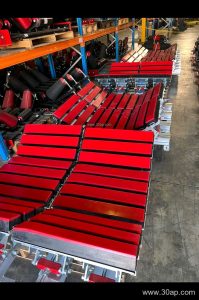
Wet washing and dust suppression are routine in a quarry or aggregate line, so sealed rollers are often specified on the carry side and the return side of the same conveyor. A coal mining conveyor belt and an underground mining conveyor belt face constant moisture and fine coal dust, making a dustproof and waterproof idler a practical choice for the return run, where fines collect. In a cement plant, the same roller type helps on transfer points where limestone dust and condensation meet. Power plant coal handling and port ship loading areas also expose idlers to rain and salt air, and a sealed roller extends service intervals there.
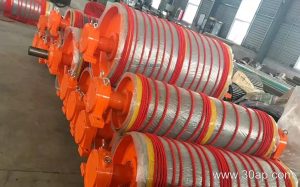
The rest of the conveyor matters too. A compatible conveyor pulley at the drive and tail ends, a sturdy conveyor bracket, and a belt that tracks well all reduce side loads on the idlers. A heavy-duty mining conveyor belt or an abrasion resistant conveyor belt adds its own demands, so the roller should be rated for the belt tension and load it actually sees.
Reading Roller Length and Belt Width Together
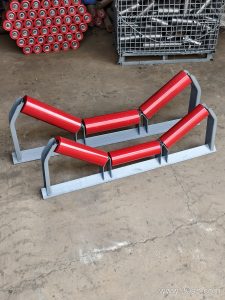
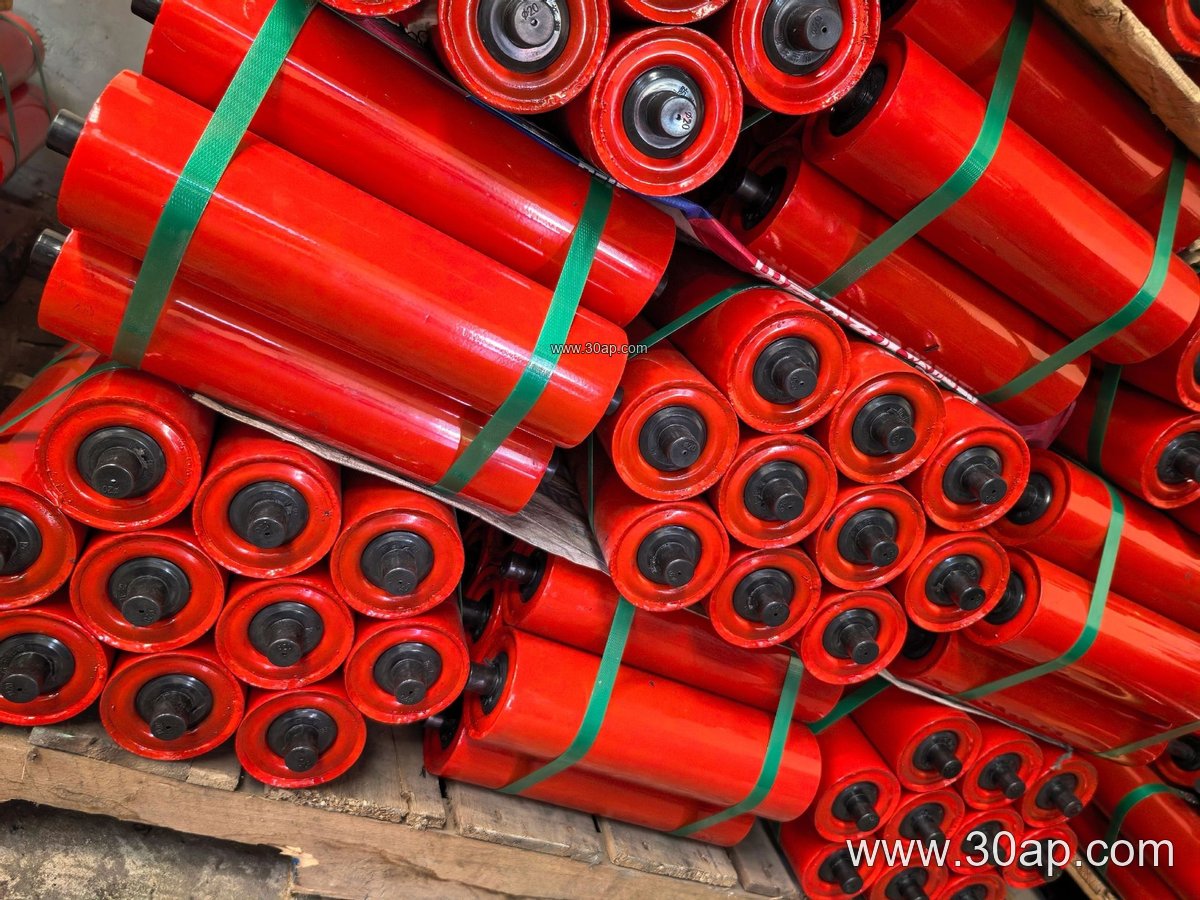
Roller length is not fixed by belt width alone. On a three-roll trough set, the common roll length grows with belt width: roughly 200 mm at B500, 250 mm at B650, 315 mm at B800, 380 mm at B1000, 465 mm at B1200, 530 mm at B1400, 600 mm at B1600, 670 mm at B1800, and 750 mm at B2000. Side rolls can differ from the center roll, and the trough angle changes the geometry. Treat these as common examples, not fixed pairings, and confirm the drawing for each set.
Buying Notes for Dusty and Wet Service
- State the actual environment: wash-down, dust concentration, humidity, and temperature range.
- Give belt width, belt speed, load per meter, and trough angle so the roller can be sized correctly.
- Ask how the seal is arranged and whether the bearing cavity is greased for life or relubricable.
- Match shell material to the material carried; sticky or abrasive loads may favor rubber rings or ceramic.
- Keep spare rollers on hand for the return side, where fines and water collect first.
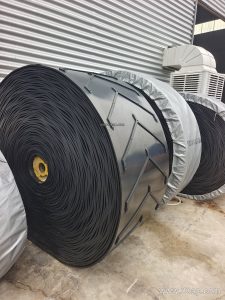
Maintenance is simple but not optional. Check for play in the bearing, listen for squeal, and replace a roller before it locks and damages the belt. On a long line with an EP conveyor belt or a steel cord conveyor belt, one seized roller can wear a flat spot into the cover. Pairing sealed idlers with a well-aligned conveyor pulley and clean conveyor bracket saves belt life across mining, cement, power, and port operations.