What an NN100 Conveyor Belt Is
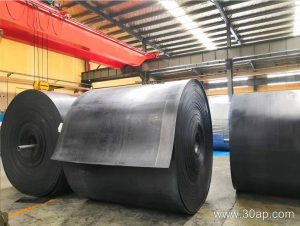
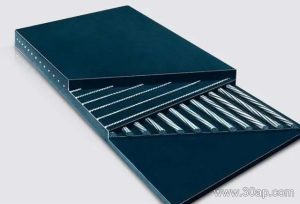
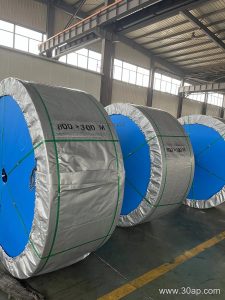
An NN100 Conveyor Belt is a fabric-core belt built on nylon (NN) warp and weft cords, with a nominal tensile strength of 100 N/mm per ply. It sits at the entry point of the nylon belt range, above general-purpose cotton or low-strength constructions and below heavier grades such as NN200 or NN300. Buyers often describe it as a nylon fabric core conveyor belt, and that description is accurate: the load is carried by woven synthetic plies, not by steel cords.
The construction suits medium-duty conveying where the belt must flex around relatively small pulleys, tolerate repeated starting and stopping, and resist fatigue better than a stiff carcass would allow. It is a common choice in quarry, sand and gravel, cement, and light-to-medium mining duty, and it can be supplied as an abrasion resistant conveyor belt or a flame retardant conveyor belt where the site requires it.
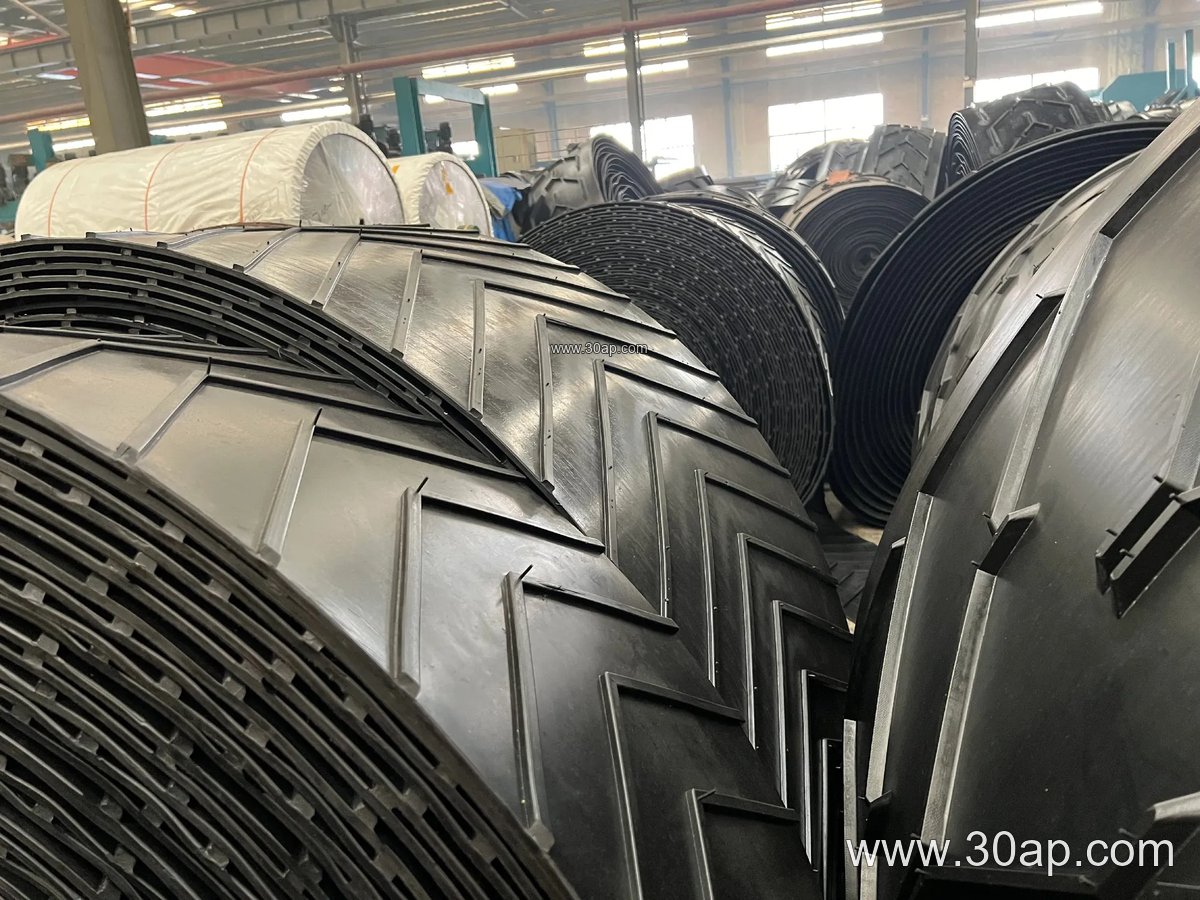
How the Belt Is Built
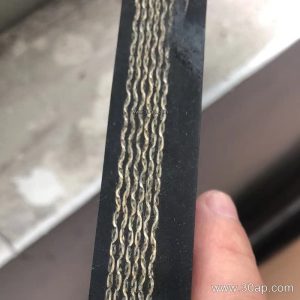
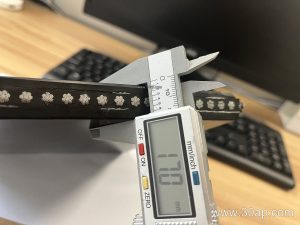
A typical NN100 construction uses two to four nylon plies, bonded with rubber skim and protected by top and bottom cover rubber. Cover thickness is normally quoted as a pair of figures, for example 4+2 mm or 5+2 mm, meaning top cover plus bottom cover. The nylon fabric gives high strength-to-weight ratio and good elongation characteristics, but it also stretches more than a steel cord carcass under the same load, so take-up travel must be adequate.
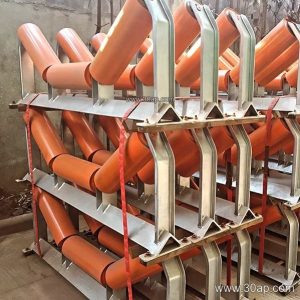
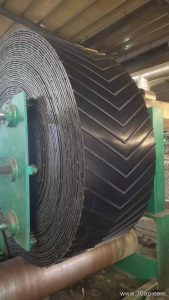
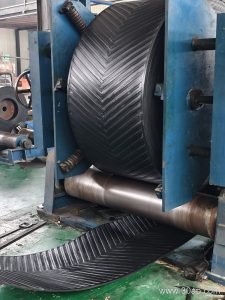
The belt runs over a drive pulley, tail pulley and bend pulleys, and is supported by idler rollers mounted on conveyor brackets. Drive, tail and bend pulleys are separate components with different duties and are not interchangeable; the belt specification should be matched to the pulley diameters actually installed. A belt that is too stiff for a small bend pulley will crack and delaminate early, while an oversized pulley wastes space and cost.
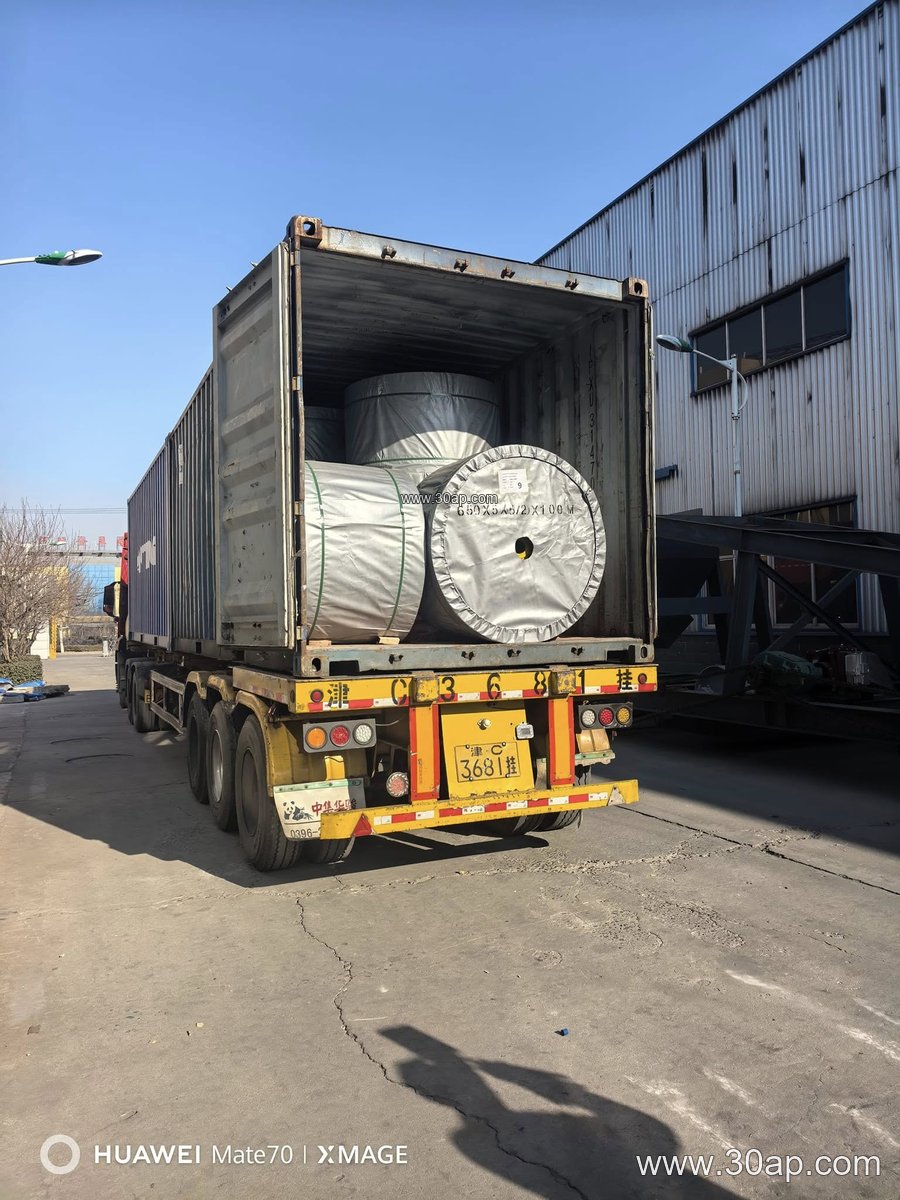
Common Reference Data
The figures below are reference values only. Actual construction varies by manufacturer and should be confirmed against the design requirements of each conveyor.
- Strength grade: NN100, typically 100 N/mm per ply
- Ply count: commonly 2 to 6 plies
- Belt width: B500 to B2000 as a general range
- Cover rubber: 3+1.5, 4+2, 5+2, 6+2 or 8+3 mm
- Related grades in the same family: NN200, NN300, NN400
Width selection is driven by lump size, tonnage and troughability, not by a fixed rule linking one width to one pulley diameter. For a given duty, an NN100 belt at 800mm or 1000mm width may be entirely appropriate, while a wider 1200mm or 1400mm belt may be needed for high tonnage on a long incline. Shaft diameters for drive and tail pulleys are calculated from torque and load, never taken from belt width alone.
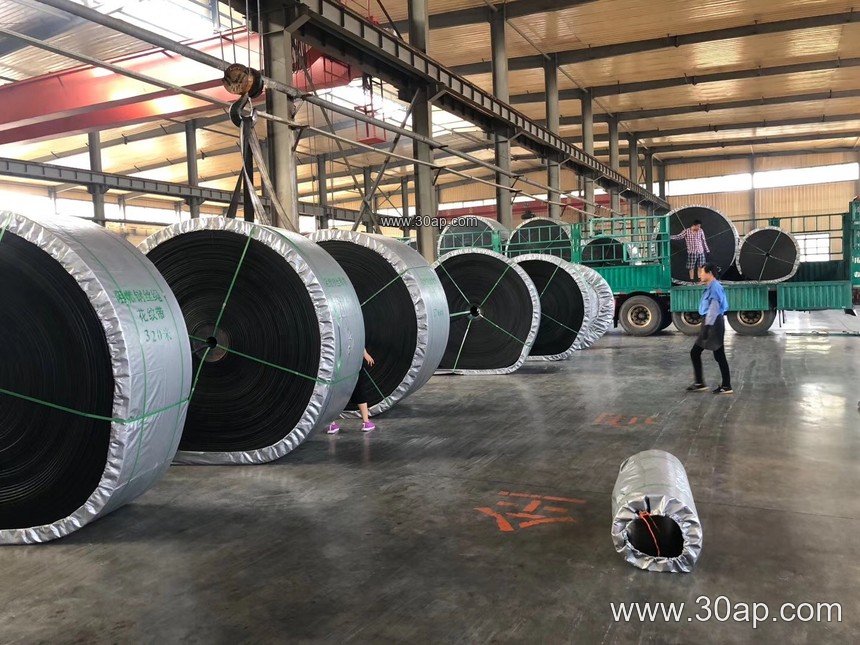
Where It Fits in the Plant
The belt appears across bulk material handling circuits. In a quarry it may feed a crusher conveyor belt or carry screened aggregate; in cement plants it moves clinker and raw meal; in power plants and steel plants it handles coal and ore; in ports it works on ship loading and stockyard lines. For abrasive stone and ore, an abrasion resistant conveyor belt grade is usually specified. For underground coal mining, flame retardant and anti-static properties are typically required, and PVC or PVG belts may be chosen instead where fire safety rules demand it.
Comparison with other carcasses helps selection. An EP conveyor belt (polyester warp, nylon weft) offers lower elongation than nylon and is often preferred on long runs. A steel cord conveyor belt handles very high tensions and long distances. NN100 remains a practical, cost-effective option for moderate center distances and frequent flexing.
Buyer Checklist
- Confirm the required tensile grade and ply count for the actual load, not just the belt name.
- Check pulley diameters, trough angle and idler spacing so the carcass is not over-flexed.
- Specify cover compound and thickness for abrasion, heat, oil or flame resistance as needed.
- Ask about splice method, since nylon belts are usually vulcanized or mechanically spliced on site.
- Plan take-up adjustment for normal nylon stretch during the first weeks of service.
Routine inspection of belt edges, splice areas, idler rollers and pulley lagging prevents most unplanned stops. Keep the belt tracking straight, avoid material buildup on return idlers, and replace worn skirt rubber before it damages the cover.