What a High Temperature Conveyor Belt Is
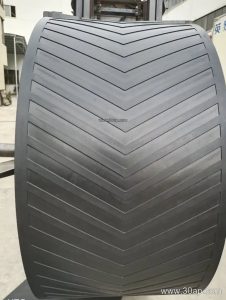
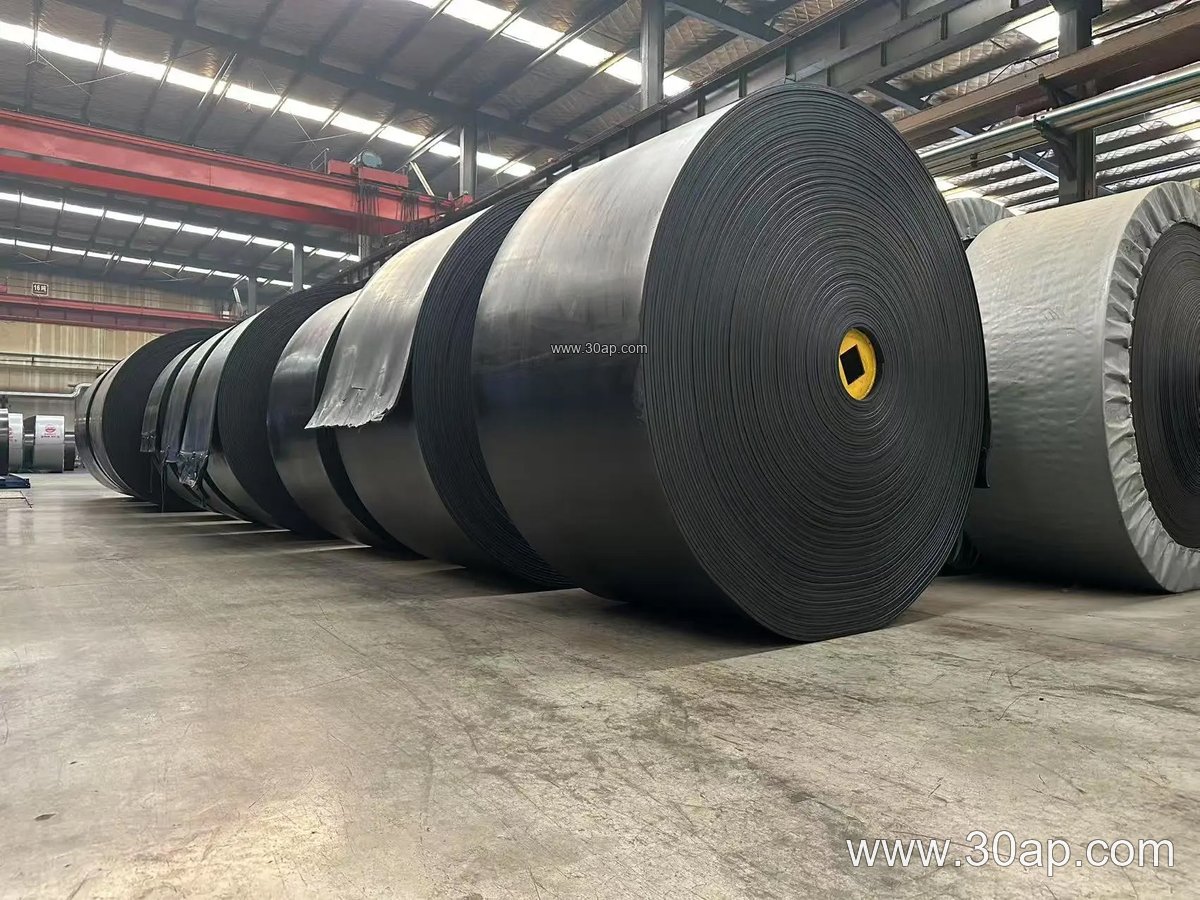
A high temperature conveyor belt is a heat resistant conveyor belt engineered to carry hot bulk materials without losing its cover, carcass strength or dimensional stability. In cement plants, steel mills, power plants and sinter operations, the belt often moves clinker, sinter, coke, ash or hot castings at temperatures that would quickly destroy a standard rubber belt. The heat resistant conveyor belt is therefore built around a heat-tolerant compound and a carcass that can tolerate thermal cycling.
Buyers should remember that heat resistance is not one single property. A belt may resist short peaks of hot material, or it may be designed for continuous elevated temperature. These are different duties, and the belt construction, cover grade and carcass choice should follow the actual working condition.
How the Belt Is Built
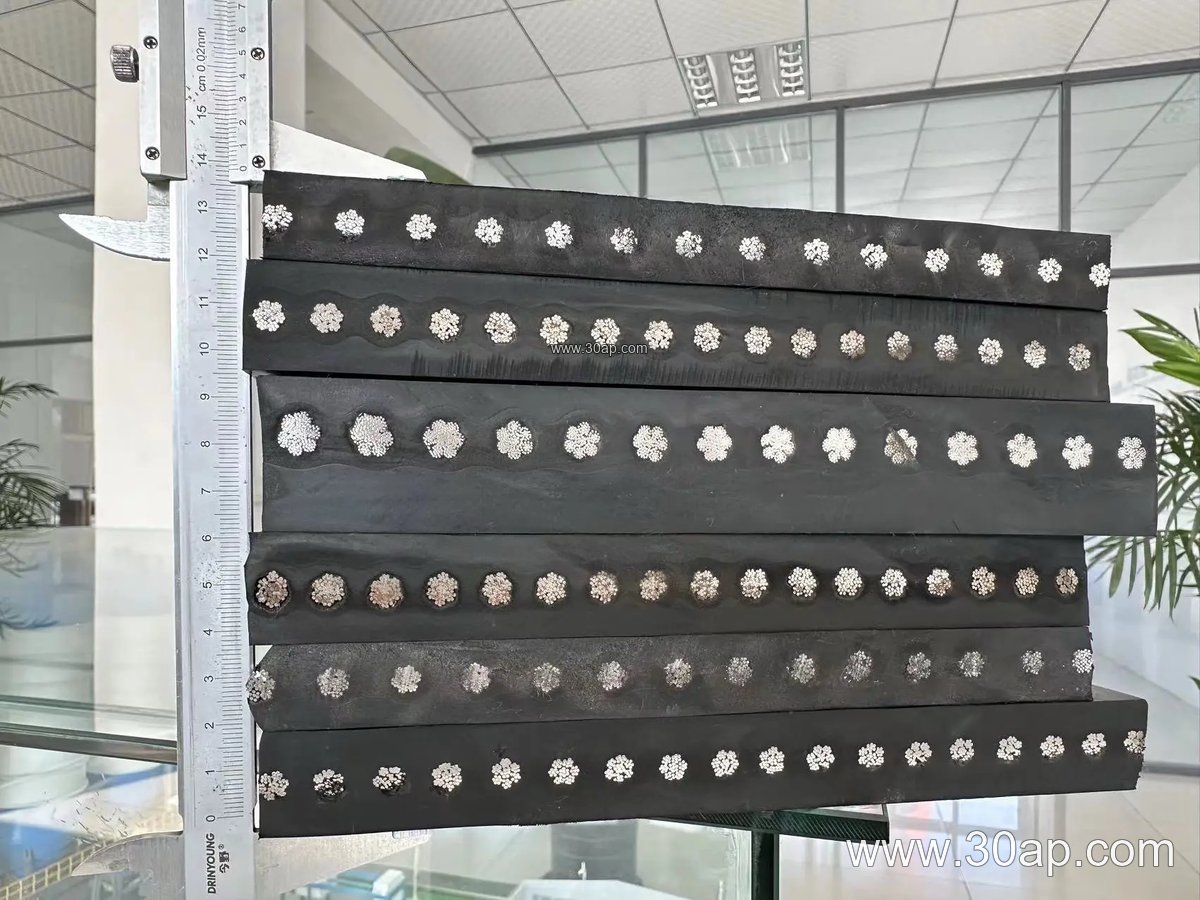
The structure usually combines a fabric core or steel cord carcass with heat resistant covers. Common carcass options include EP conveyor belt constructions such as EP200, EP315 or EP400, NN conveyor belt grades, and steel cord conveyor belt designs where very high strength and low elongation are needed. The cover compound is formulated to resist hardening, cracking and reversion at elevated temperature. Cover thickness is often selected as 4+2 mm, 5+2 mm or 6+2 mm depending on the abrasion and heat load.
On hot-material lines, the pulley side may receive a thinner cover, while the carrying side gets extra thickness for both heat and abrasion. A fabric core conveyor belt with 2 to 6 plies is common in medium-duty heat service, while a steel cord conveyor belt suits long, high-tension conveying paths. The belt edge, splice area and cover quality all affect service life, so the manufacturer’s heat grade should be matched to the measured material temperature, not just the furnace temperature.
Where It Is Used
Typical applications include cement plant clinker transport, power plant ash handling, steel plant sinter and coke lines, and quarry or aggregate operations that handle hot processed stone. In mining, a heat resistant conveyor belt may run alongside a mining conveyor belt or quarry conveyor belt system where hot material enters the flow. The same plant may also use an abrasion resistant conveyor belt, an oil resistant conveyor belt or a flame retardant conveyor belt on adjacent lines, because each duty calls for a different cover compound.
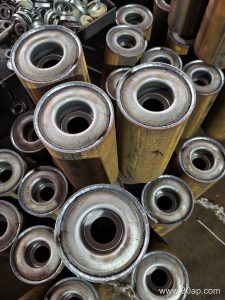
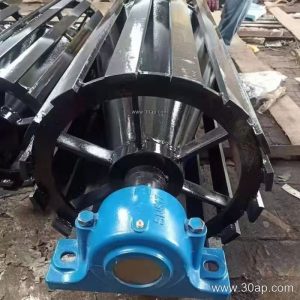
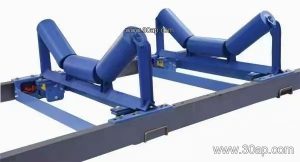
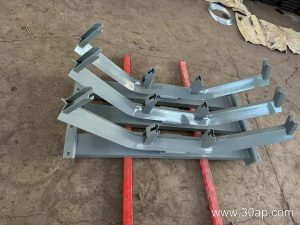
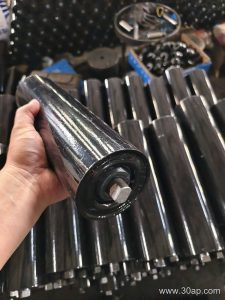
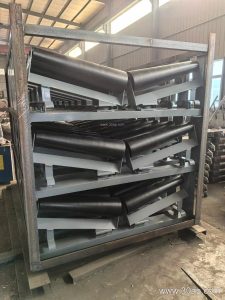
Hot belts work with conveyor pulleys, idler rollers and conveyor brackets, and the whole system must be considered. A drive pulley, tail pulley and bend pulley each perform a different role, and heat radiated from the material can affect bearings, lagging and belt tracking. Where space is tight or dust is heavy, a corrugated sidewall conveyor belt or skirted conveyor belt may be used on other lines, but those designs are not substitutes for the heat resistant belt itself.
Common Reference Data
The values below are typical reference points, not universal specifications. Actual belt design should be confirmed with the supplier.
- Strength grades: EP200, EP315, EP400, EP500, EP630, EP800, EP1000
- Belt widths: B500, B650, B800, B1000, B1200, B1400, B1600, B1800
- Cover thickness: 3+1.5 mm, 4+2 mm, 5+2 mm, 6+2 mm, 8+3 mm
- Carcass: 2 to 6 fabric plies, or steel cord construction
For example, a 1000mm or 1200mm wide belt with a 5+2 mm cover is a common starting point for medium heat duty, but the final choice depends on lump size, drop height, belt speed and the temperature of the material at the loading point.
What a Buyer Should Check
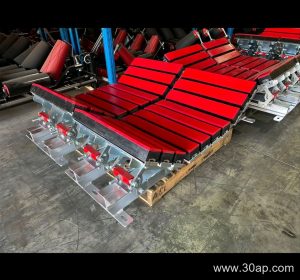
First, confirm the real material temperature and whether it is continuous or intermittent. Second, check the carcass strength and splice method for the conveyor’s tension and pulley diameters. Third, review the cover grade for combined heat and abrasion, since a heat resistant conveyor belt that also faces sharp clinker needs good cut and wear resistance. Fourth, inspect the loading zone: impact beds, skirt rubber and idler roller spacing influence belt life as much as the belt itself.
Finally, keep spare belt, splicing materials and pulley lagging consistent with the original heat grade. Mixing a standard rubber conveyor belt into a hot line usually shortens service life and can cause tracking problems. For help matching a heat resistant conveyor belt to your conveyor pulleys, idler rollers and brackets, contact the supplier with your duty data and ask for a written recommendation.