What the ST1000 Conveyor Belt Is
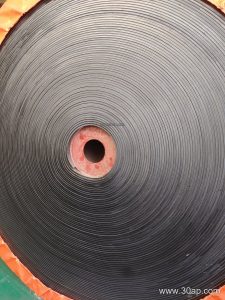
The ST1000 Conveyor Belt is a steel cord conveyor belt with a nominal tensile strength of 1000 N/mm. It belongs to the ST series, where the number indicates breaking strength per unit width rather than a fabric ply rating. Instead of woven plies, the carcass holds parallel brass-coated steel cords embedded in rubber. That construction gives the belt high tensile strength, low elongation and good troughability, which is why it is common on long overland lines and high-capacity trunk conveyors in mining, cement, power and port operations.
Buyers often compare it with an EP Conveyor Belt or an NN Conveyor Belt. Those fabric-core belts are lighter and easier to splice at shorter centers, while a Steel Cord Conveyor Belt such as the ST1000 suits longer runs and heavier loads. For lower-strength duties, EP1000 Conveyor Belt or EP800 Conveyor Belt grades may be enough; the steel cord option is chosen when elongation and splice strength matter more.
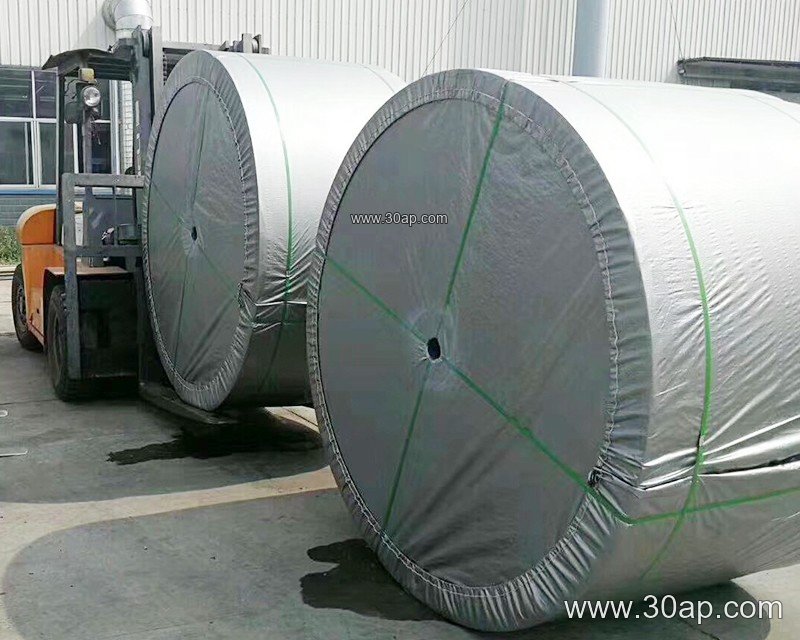
Construction and Surface Options
The belt is built around a single plane of steel cords, with a top cover, a bottom cover and edge rubber protecting the cords from moisture and impact. Cover grades are selected to match the cargo: abrasion resistant rubber for ore and aggregate, heat resistant compounds for clinker and sinter, flame retardant grades for coal, and oil resistant covers where lubricated parts or oily feedstock are present. A High Abrasion Resistant Conveyor Belt cover is a frequent request in quarry and iron ore service.
- Carcass: parallel steel cords, normally one layer.
- Cover compounds: abrasion, heat, oil, flame retardant, cold resistant or anti-static, as required.
- Edges: cut or moulded, depending on splice method and duty.
- Splice: hot vulcanized, usually step or finger type.
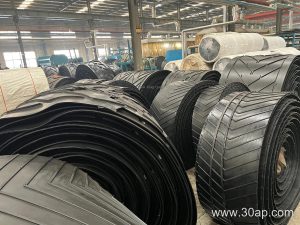
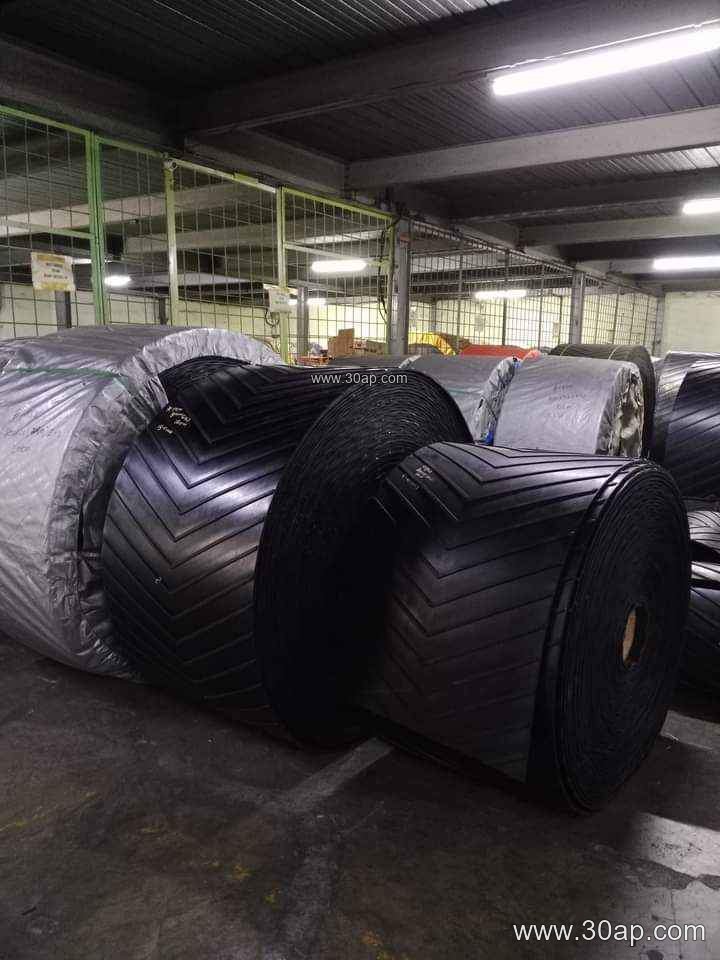
Surface forms such as Chevron Conveyor Belt profiles or a Corrugated Sidewall Conveyor Belt are separate designs and are not a substitute for the flat ST1000 belt; they solve different problems, such as inclined carrying or space-limited layouts.
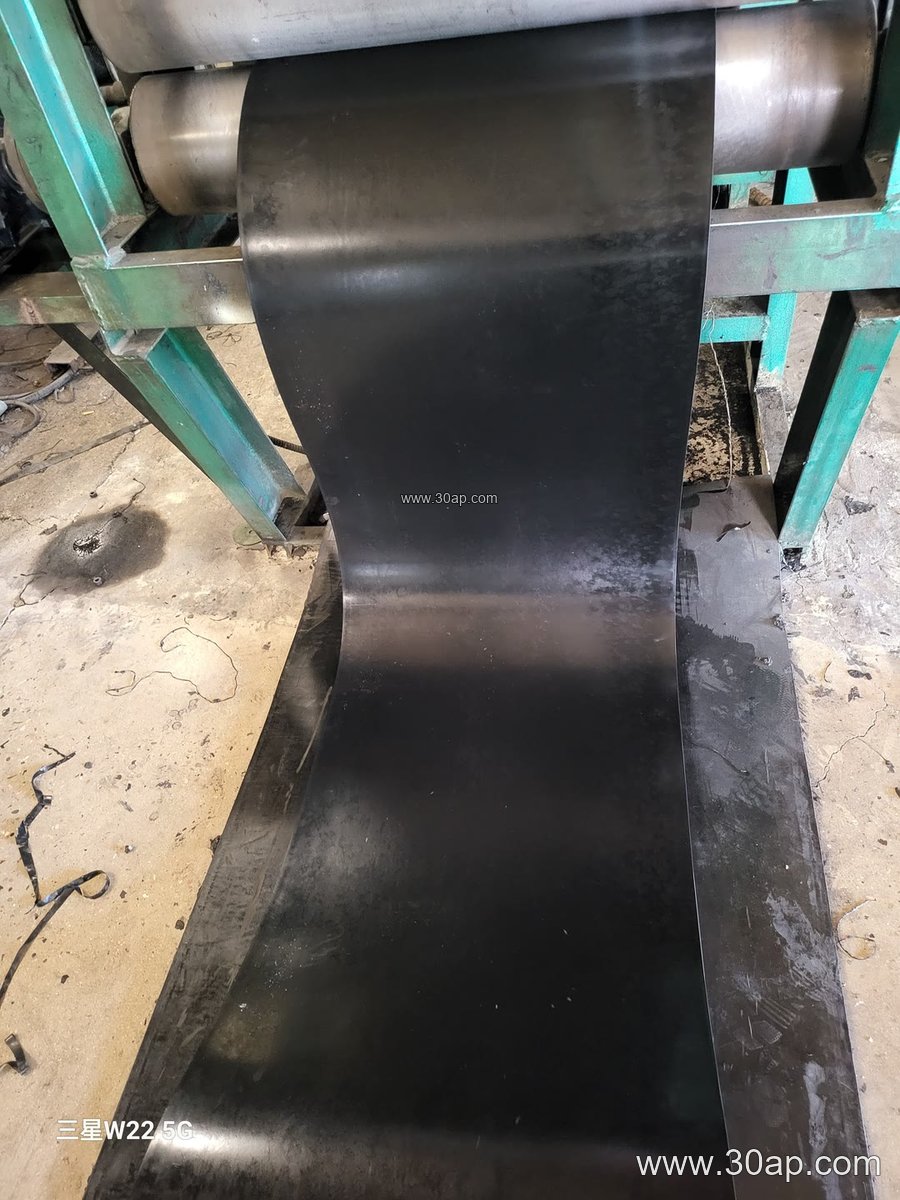
Typical Sizes and Reference Data
Widths, cover thickness and cord pitch are set by the conveyor design, not by a single universal table. The values below are common reference points only.
| Item | Common reference values |
|---|---|
| Belt width | B800, B1000, B1200, B1400, B1600, B1800, B2000 |
| Cover thickness | 4+2 mm, 5+2 mm, 6+2 mm, 8+3 mm |
| Nominal strength | ST1000 (1000 N/mm) |
| Other ST grades | ST1250, ST1600, ST2000, ST2500, ST3150 |
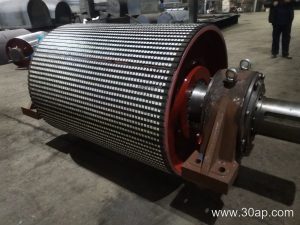
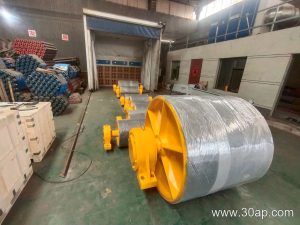
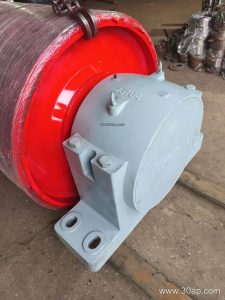
Do not assume that a given belt width fixes the pulley diameter or shaft size. Those come from the conveyor engineer’s calculation, which considers belt tension, pulley load and the allowable cord stress. A 1200mm wide belt and an 1800mm wide belt may use very different conveyor pulleys even at the same strength grade.
Where It Fits in the Plant
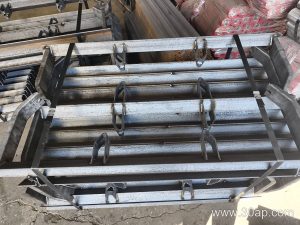
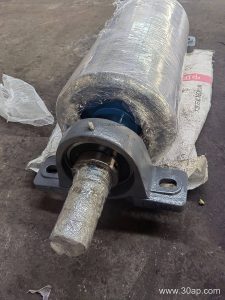
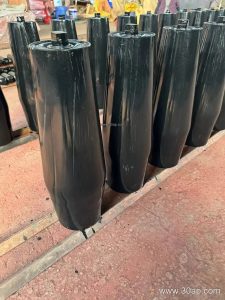
Steel cord belts are widely used in underground coal mining, open-pit mines, cement plants, power stations, steel works, quarries and bulk terminals. A typical line includes the belt, idler rollers supporting the carry and return strands, conveyor pulleys at the head and tail, and conveyor brackets holding the frames. In a coal mining conveyor, flame retardant and anti-static properties are usually specified; in a cement plant, heat resistance often matters; in a sand and gravel yard, abrasion resistance is the priority.
Because the belt carries the whole tension load through its cords, alignment and loading conditions deserve attention. Material should be centered, impact points should be cushioned, and skirt rubber should not press hard against the cover. A skirted conveyor or a pipe conveyor route may use a different belt design altogether, so check the layout before ordering.
What a Buyer Should Confirm
- Required tensile grade and whether ST1000 is sufficient or a higher ST grade is needed.
- Belt width, cover thickness and cover grade for the actual cargo and climate.
- Splice method and whether the site can perform hot vulcanizing.
- Pulley diameters, take-up travel and minimum bend radius allowed by the cord design.
- Storage and handling: steel cord belts are heavy and should not be sharply bent or dropped.
Maintenance is mostly about watching the splice, checking edge damage and keeping idler rollers turning freely. A small cord exposure at the edge can grow quickly in wet or abrasive service, so early repair pays off. For more belt, roller and pulley information, see mfgtrend.com/conveyor-belt or contact the supplier with the conveyor duty and layout.