What the Ø133 Return Idler Does on a Conveyor
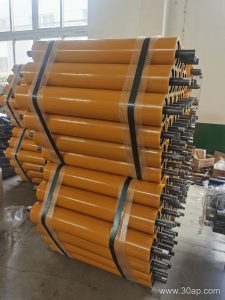
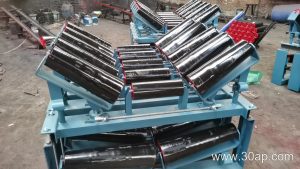
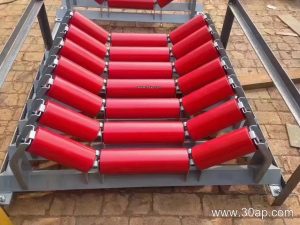
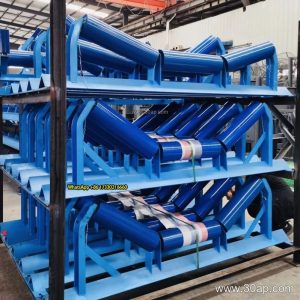
A Ø133 return idler is a lower run idler roller with a nominal roller diameter of 133 mm. Its job is to support the returning strand of the conveyor belt after material has been discharged. On a typical conveyor, the carrying side uses troughing idlers to shape the belt into a trough, while the return side uses flat or V-shaped return rollers to keep the belt tracking and to reduce sag. The Ø133 return idler belongs to this return-side family and is often selected for medium to heavy-duty conveyors in quarry, cement, and power plant service.
Because the returning belt is usually empty, the load on a return idler is lower than on a carrying idler, but the roller still has to cope with belt tension, misalignment, and dust. A well-made return idler helps protect the conveyor belt from edge damage and keeps the belt centered as it travels back to the tail pulley.
Construction Details and Common Variations
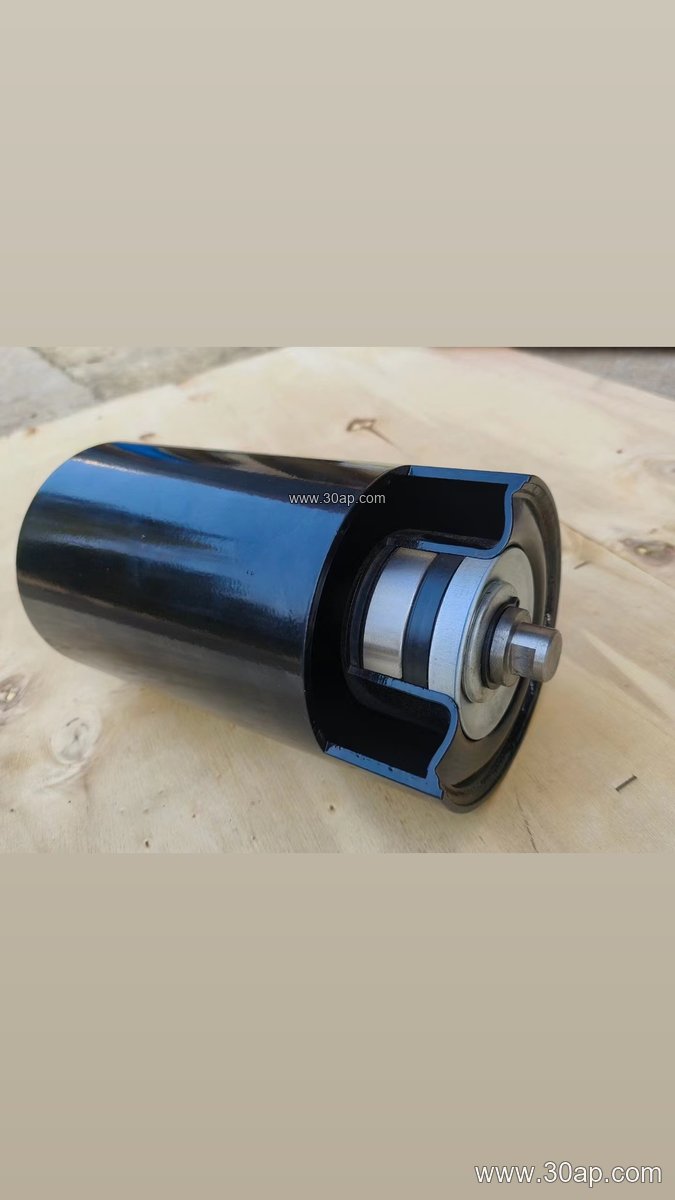
Most Ø133 return idlers share a similar build: a steel tube shell, bearing housings at each end, a shaft, and a sealing arrangement. The roller surface is usually plain steel, though rubber rings or other surface forms can be specified when extra grip or impact tolerance is needed. Common bearing sizes for this roller family include 6205, 6305, and 6306, but the bearing choice should always follow the actual load and speed calculation rather than the roller diameter alone.
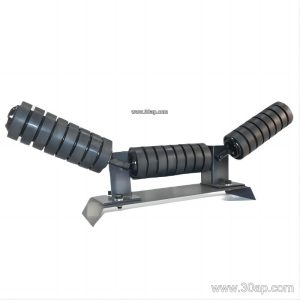
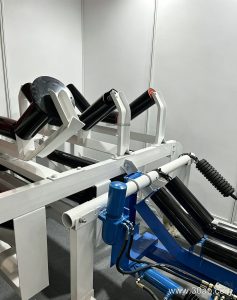
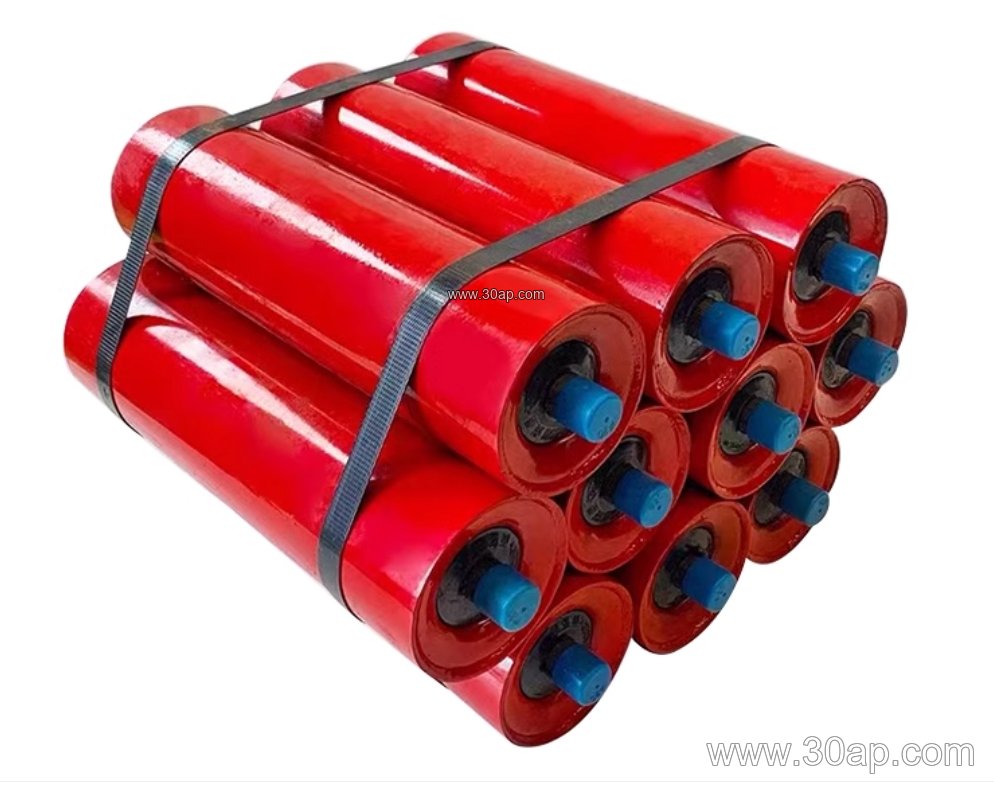
Return idlers can be supplied as a single flat roller or as a V-shaped return set. The V form helps center the belt and is often used where tracking is a concern. For wider belts, the roller length is matched to the belt width and to the return idler arrangement. A Ø133 return idler may be used with belt widths such as B800, B1000, or B1200, but the exact roller length and shaft size are determined by the conveyor design, not by the diameter alone.
Where It Fits in Bulk Material Handling
This return idler is common in plants that move abrasive or dusty bulk materials. In a limestone quarry or a sand and aggregate line, it supports the empty belt on the return run and helps keep the conveyor aligned after the discharge point. In a cement plant, it may be found on clinker or raw material conveyors where dust and heat are present. In a coal-fired power plant, return idlers on coal handling conveyors must work with flame retardant and anti-static belts, and the roller seals need to resist fine coal dust.
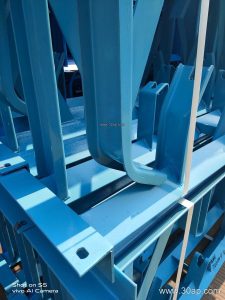
The idler also works together with other conveyor components. The conveyor belt runs over the idler roller, the belt is trained by the return idler, and the whole assembly is fixed to the conveyor bracket or frame. A misaligned or seized return idler can wear the belt cover quickly, so maintenance checks should include free rotation and seal condition.
Selection and Maintenance Notes for Buyers
When specifying a Ø133 return idler, buyers should confirm the belt width, the return idler type (flat or V-shaped), the roller length, the shaft diameter, and the bearing class. The roller diameter of 133 mm is a common size, but it is not mandatory for every conveyor. A smaller or larger diameter may be better suited to a different belt speed or load profile. The table below shows typical reference values; actual dimensions should come from the conveyor designer.
| Reference Item | Common Example | Note |
|---|---|---|
| Nominal roller diameter | Ø133 mm | Return side idler |
| Belt width examples | B800, B1000, B1200 | Roller length varies with frame design |
| Bearing examples | 6205, 6305, 6306 | Confirm by load and speed |
| Return idler form | Flat or V-shaped | V form aids belt centering |
For abrasive service, a return idler with good sealing and a smooth shell reduces the chance of belt cover wear. In coal mining or underground mining conveyors, flame retardant and anti-static belt grades are often used alongside the idler, and the roller should be chosen to match the environment. In a crusher conveyor or a belt feeding a screen, impact and vibration can shorten idler life, so regular inspection of the return run is worthwhile.
Maintenance is mostly about rotation and alignment. A return idler that stops turning will flat-spot the belt and may damage the conveyor pulley at the tail end. Checking the idler after belt cleaning and before start-up helps catch a worn bearing or a loose bracket early. For plants using EP conveyor belt, NN conveyor belt, or steel cord conveyor belt, the return idler should be matched to the belt tension and the expected load, not chosen by diameter alone.
Practical Buying Checklist
- Confirm the return idler type: flat, V-shaped, or a specific self-aligning design.
- Check the roller length against the belt width and the conveyor bracket dimensions.
- Verify the shaft diameter and bearing size from the conveyor drawing.
- Match the roller surface and seal to the site conditions, such as dust, moisture, or heat.
- Ask for the idler to be balanced and sealed for the intended belt speed.
At www.beltconveyoridler.com, the focus is on matching idler rollers, conveyor brackets, and conveyor pulleys to the actual conveyor layout. A Ø133 return idler is a practical choice for many return runs, but the right specification always starts with the belt width, the load, and the environment. For sites using abrasion resistant conveyor belt or heat resistant conveyor belt, the return idler should be selected as part of the whole conveyor system rather than as a stand-alone part.