What a Carbon Steel Conveyor Bracket Does
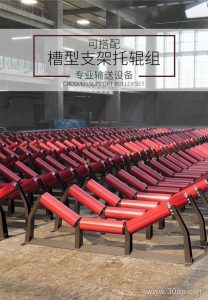
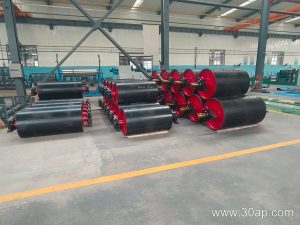
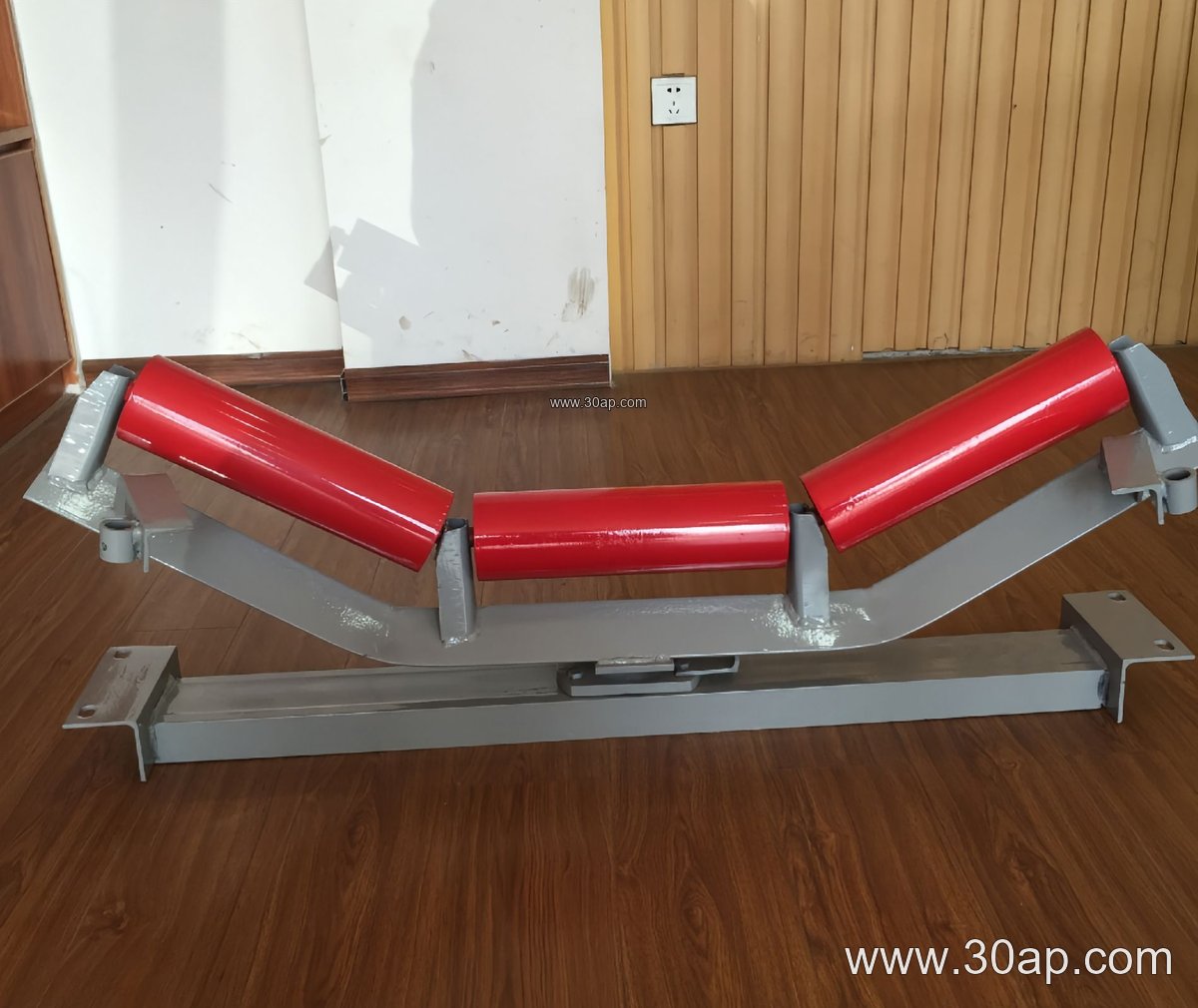
Every conveyor belt needs a sturdy frame to keep idlers in place and the belt tracking smoothly. A carbon steel conveyor bracket is the structural component that holds the idler roller in position, transferring the load from the belt to the conveyor frame. Unlike a pulley, which drives or redirects the belt, the bracket is a stationary support. In a typical troughing arrangement, the bracket sets the trough angle and spacing between rollers, directly affecting belt capacity and wear. Whether you run a quarry conveyor belt or a coal mining conveyor belt, the bracket is a small but critical link in the material handling chain.
How It Is Built
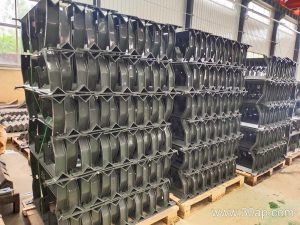
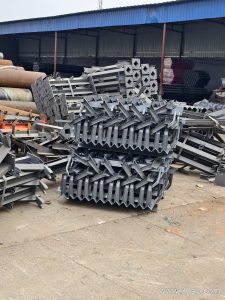
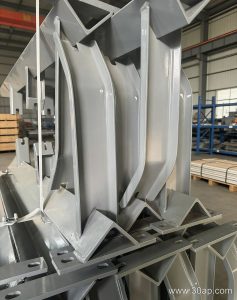
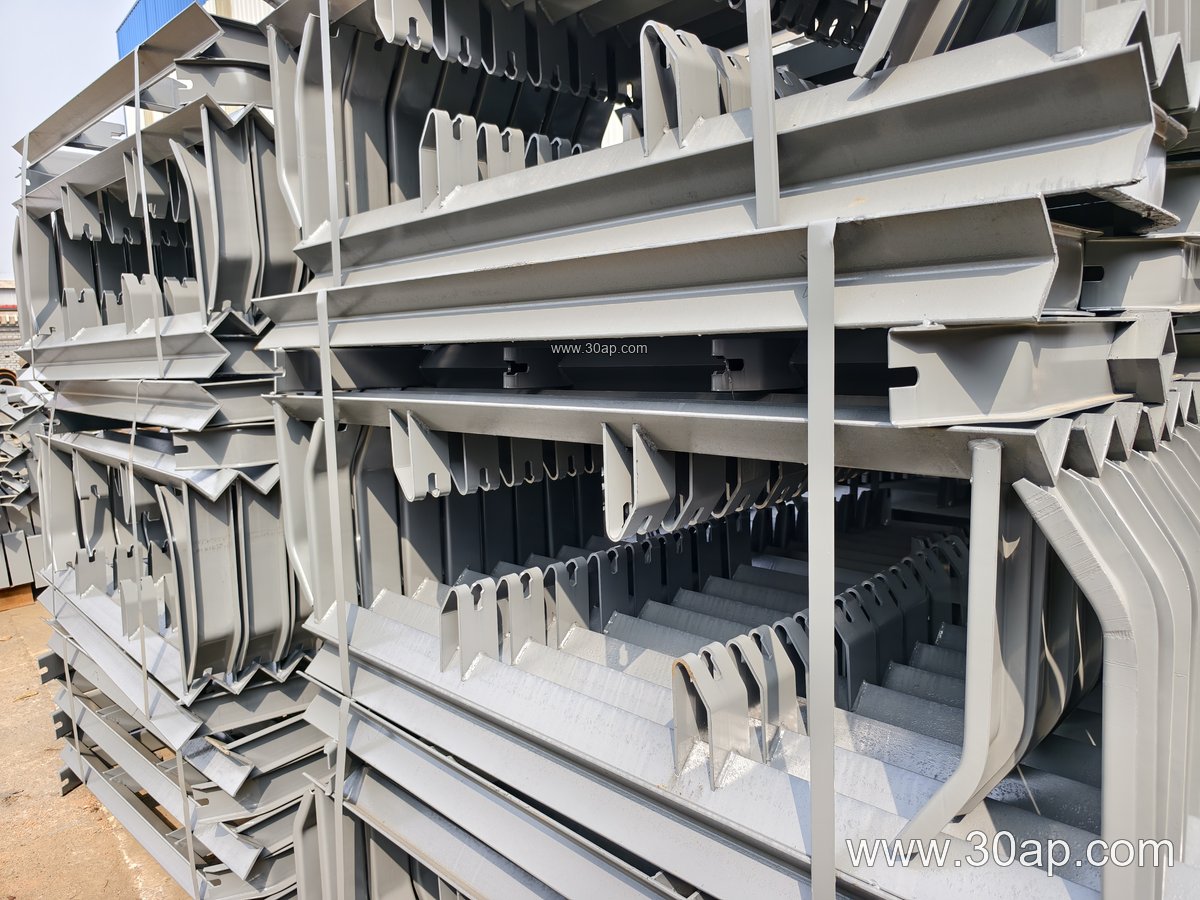
Most carbon steel conveyor brackets are fabricated from angle steel, channel steel, or folded steel plate. The choice of material and thickness depends on the load and the environment. For dusty or abrasive conditions, such as a crusher conveyor belt line, thicker sections and reinforced welds are common. The bracket typically includes slots or holes for mounting idlers, and may have adjustable features to change the trough angle. Surface treatment, such as painting or galvanizing, helps resist corrosion in humid or outdoor settings. While the bracket itself is simple, its geometry must match the idler diameter and belt width to avoid pinch points or misalignment.
Types and Configurations
Carbon steel conveyor brackets come in several forms, each suited to a specific position on the conveyor. Common types include:
- Troughing bracket (upper carrying side) – supports three or more idlers to form a trough.
- Transition bracket – used near pulleys to gradually change belt shape.
- Return bracket (lower side) – supports the belt on its return run, often with a flat or V-shaped arrangement.
- Impact bracket – reinforced to handle loading points, often paired with impact idlers.
- Self-aligning bracket – allows slight rotation to correct belt tracking.
- Adjustable bracket – permits changes to trough angle or idler spacing.
For example, a B800 conveyor with a 35-degree trough might use a troughing bracket with Ø108 idlers, while a B1200 system with a 45-degree trough could use Ø133 idlers. These combinations are not fixed rules; they are selected based on belt width, material lump size, and desired capacity.
Where It Is Used
Carbon steel conveyor brackets appear wherever bulk materials move on a belt. In a limestone mine, they support the idlers under a heavy-duty mining conveyor belt. In a coal washing plant, they hold return idlers that keep the belt clean. Aggregate operations, cement plants, and power plant coal yards also rely on these brackets to maintain belt alignment. Even in a port ship loading facility, the bracket is part of the support structure for a long overland conveyor. The bracket must suit the belt type – for instance, a heat resistant conveyor belt may require brackets that tolerate thermal expansion, while a flame retardant conveyor belt in underground mining demands robust, fire-safe construction.
Selection and Maintenance Tips
When choosing a carbon steel conveyor bracket, consider the belt width, idler diameter, trough angle, and loading conditions. A bracket that is too light for the application can bend, causing belt misalignment and premature idler failure. Check that mounting holes align with your idler roller shaft ends. For adjustable brackets, confirm the range of trough angles (typically 20 to 45 degrees) and the locking mechanism. Regular inspection for corrosion, loose bolts, or bent frames is essential, especially in wet or abrasive environments. Replacing a worn bracket early prevents damage to the conveyor belt and pulley. Remember that the bracket is part of a system: pairing it with the right idler roller and conveyor pulley ensures smooth operation. For more information on compatible components, visit our site at www.example.com/conveyor-bracket or explore our range of conveyor belt and idler roller solutions.