What a Conveyor Bracket Actually Does
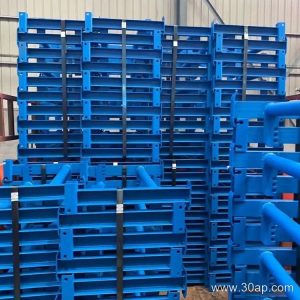
A conveyor bracket is the steel support that holds idler rollers in position along the carrying and return sides of a belt conveyor. It sets the trough angle on the carrying run, keeps the return rollers aligned, and transfers the load from the belt and material into the conveyor frame. Because a conveyor may run hundreds of meters, the bracket count is high, and the conveyor bracket price often becomes a visible line item in the project budget. Buyers comparing quotations soon notice that two suppliers can quote very different figures for what looks like the same part.
Where the bracket sits in the system
On the carrying side, a trough bracket usually supports three rollers at a defined angle. On the return side, a flat or V-shaped bracket carries the empty belt. Transition brackets sit near the head and tail, while impact brackets are placed under loading points where coarse rock falls onto the belt. Each position has its own load and wear pattern, and that is one reason prices differ between bracket types.
How the Bracket Is Built
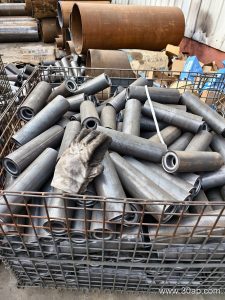
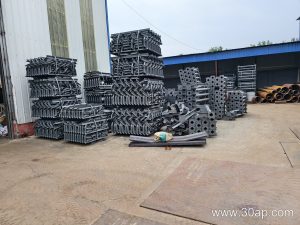
Most brackets are fabricated from angle steel, channel steel, or folded steel plate. The frame is cut, punched, and welded, then usually painted or galvanized. The material grade, plate thickness, weld quality, and surface treatment all influence the conveyor bracket price. A light bracket for a small sand and gravel line is not built like a heavy-duty bracket for an iron ore transfer station.
- Frame material: angle steel, channel steel, or folded plate
- Surface: painted, galvanized, or bare for later coating
- Mounting: fixed holes or slotted holes for adjustment
- Options: fixed type, adjustable type, self-aligning type, impact type
Common Types and Reference Dimensions
The table below lists typical bracket types and reference sizes. These are common values for orientation, not a fixed catalog, and final dimensions follow the conveyor design.
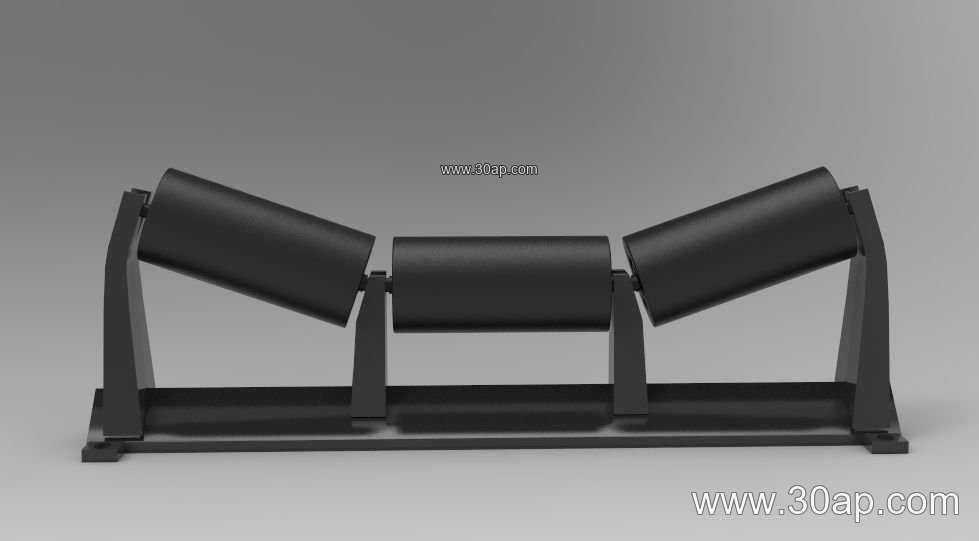
| Bracket Type | Typical Belt Width | Trough Angle | Common Roller Diameter |
|---|---|---|---|
| Trough bracket (carrying) | B500 to B2000 | 20, 30, 35, 45 degrees | Ø89 to Ø159 |
| Transition bracket | B650 to B1800 | 20 to 35 degrees | Ø108 to Ø159 |
| Return bracket (flat or V) | B500 to B2200 | Not applicable | Ø89 to Ø194 |
| Impact bracket | B800 to B1800 | 30 to 45 degrees | Ø108 to Ø194 |
| Adjustable bracket | B650 to B1600 | Adjustable across 20 to 45 degrees | Ø89 to Ø159 |
Hole spacing and crossbeam length change with belt width and trough angle, so they should be confirmed against the drawing rather than assumed. A B800 bracket at 35 degrees with Ø108 rollers is a common combination, but the same belt width can also run at 30 or 45 degrees depending on the material and the conveyor design.
What Drives the Conveyor Bracket Price
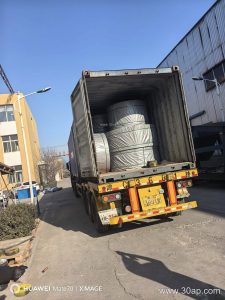
Several factors move the number up or down. Steel grade and plate thickness are usually the largest cost drivers. Galvanizing adds cost but can extend service life in wet or corrosive environments. Adjustable and self-aligning brackets cost more than fixed brackets because of extra parts and machining. Order quantity matters too, since fabrication setup is spread across more pieces. Packaging and freight are easy to overlook when the brackets are long and shipped in bundles.
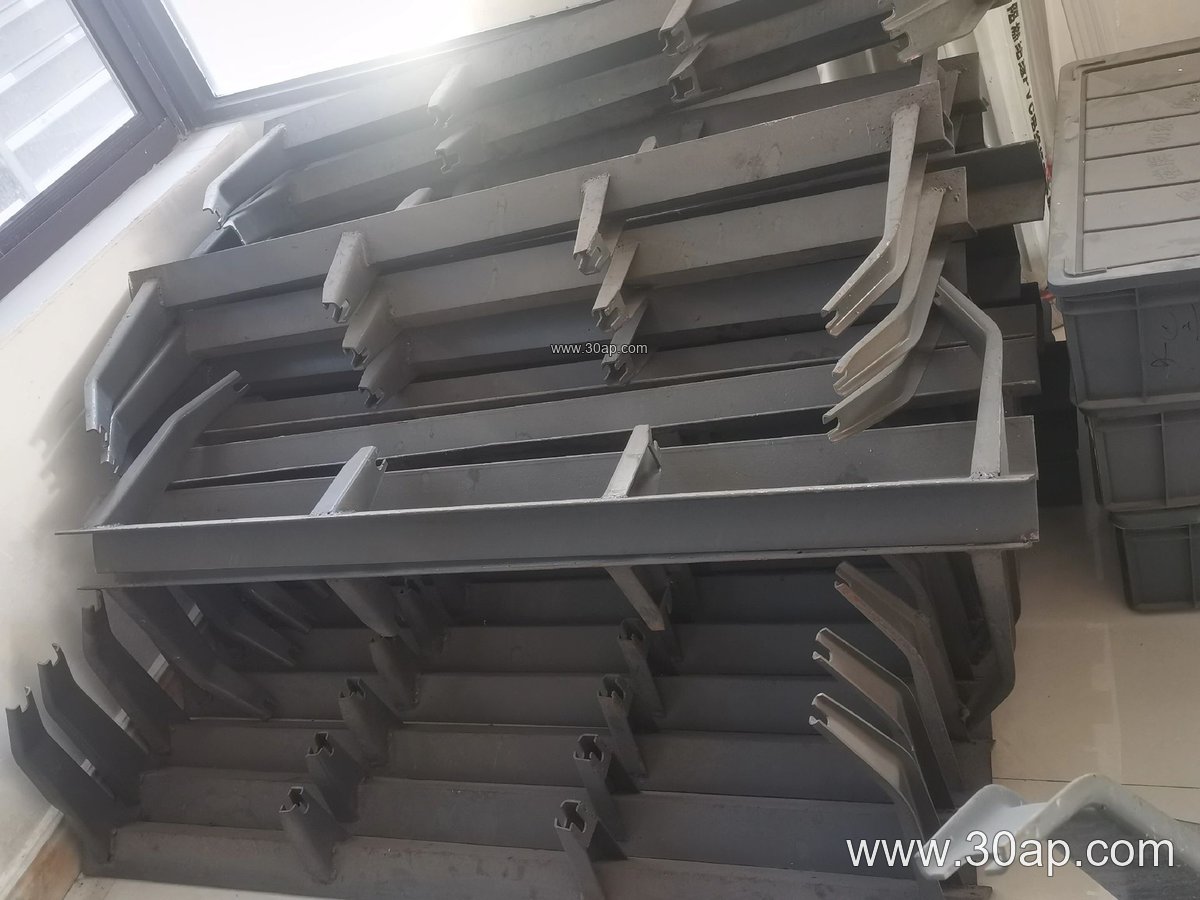
Buyers should also compare what is included. A quotation for a bracket alone is not the same as one that includes mounting bolts, roller seats, or pre-assembled rollers. On a coal mining conveyor or a power plant coal handling line, the same bracket may need flame retardant accessories and heavier framing, which changes the price picture.
Matching Brackets with Belts and Rollers
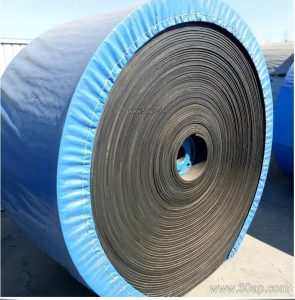
Bracket selection should follow the belt and the duty. A heavy-duty mining conveyor belt carrying lump ore needs a stronger bracket and larger rollers than a smooth EP conveyor belt on a cement plant packing line. The belt type, such as an abrasion resistant conveyor belt or a heat resistant conveyor belt, affects the environment the bracket works in, not the bracket shape itself. Roller diameter, trough angle, and belt width are chosen together with the conveyor designer.
For a quarry conveyor belt or a crusher conveyor belt, impact brackets under the loading zone are worth the extra cost. For a long overland line with a steel cord conveyor belt, bracket spacing and alignment accuracy matter more than saving a small amount per piece. On a port or ship loading conveyor, corrosion protection often ranks high in the specification.
Practical Buying Advice
Ask for a drawing with hole spacing, crossbeam length, and material thickness. Confirm the trough angle and roller diameter, not just the belt width. Check whether the bracket is fixed or adjustable and whether the price includes fasteners. For projects in mining, cement, power, or aggregate handling, request samples of the weld and coating before a full order. Comparing conveyor bracket price without these details can lead to mismatched parts and rework on site.