What an EP200 Conveyor Belt Is
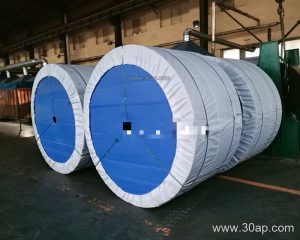
An EP200 Conveyor Belt is a fabric core belt built on polyester warp and nylon weft (EP) carcass fabric. The number 200 refers to the nominal tensile strength of the carcass, commonly expressed in N/mm. In practice, this places the belt in the medium-to-high strength range of fabric belts, below heavier EP400 or EP630 constructions but well above light-duty EP100 grades. Buyers in mines, quarries, cement plants, power stations and sand and gravel yards often choose this grade because it balances strength, troughability and cost.
The same product is also described as an EP200 rubber conveyor belt or an EP fabric core conveyor belt. These are equivalent names for one product family, not different belts.
How the Belt Is Built
The carcass usually consists of two to six plies of EP fabric, bonded with rubber skim compound and protected by top and bottom cover rubber. Cover thickness is commonly given as a pair of figures such as 4+2 mm or 6+2 mm, where the first number is the carrying-side cover and the second is the pulley-side cover. Heavier covers suit sharp, abrasive rock; thinner covers suit cleaner, lighter material.
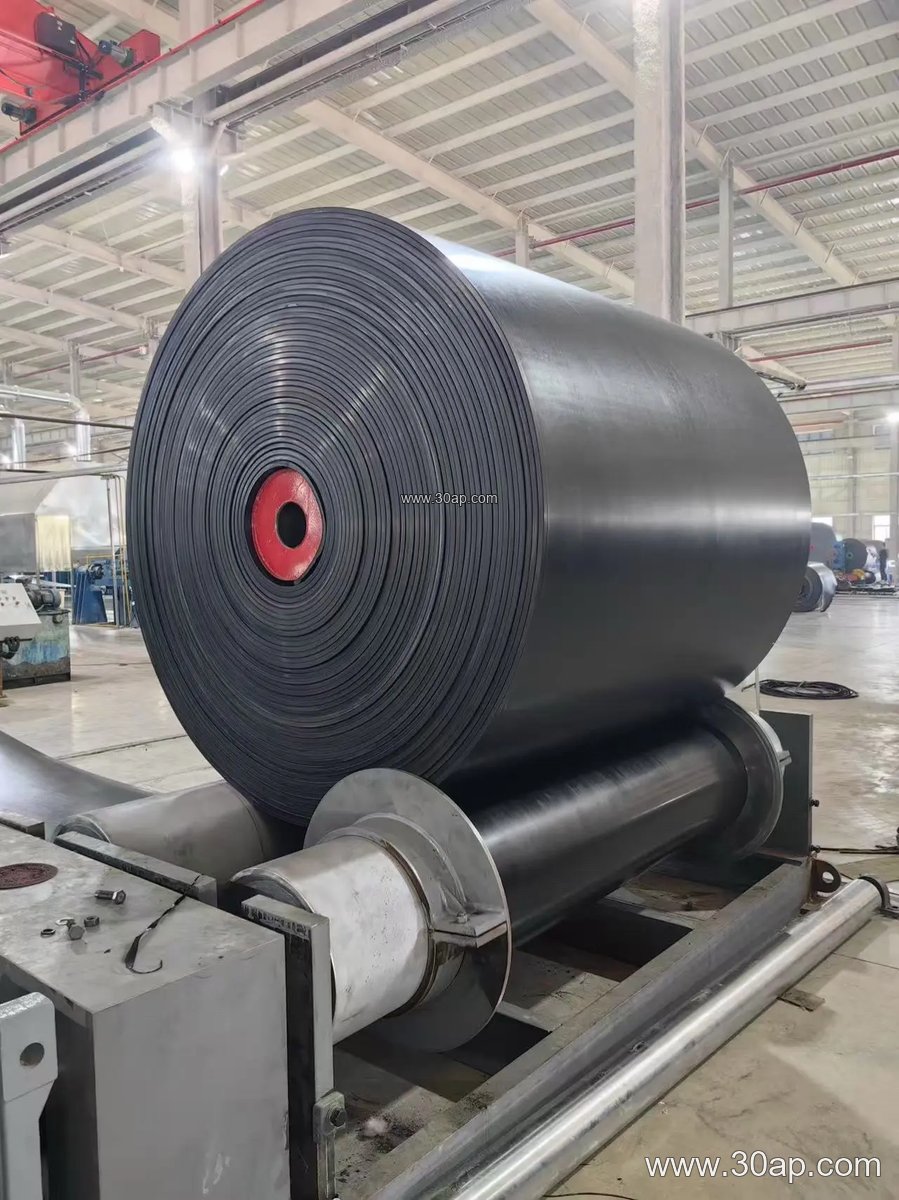
Edge construction, ply adhesion and cover compound quality determine service life as much as the strength rating does. A belt that matches the drive power but has poor cover rubber may wear out quickly on a crusher conveyor belt or an ore conveyor belt handling hard rock.
Common Specifications and Size Ranges
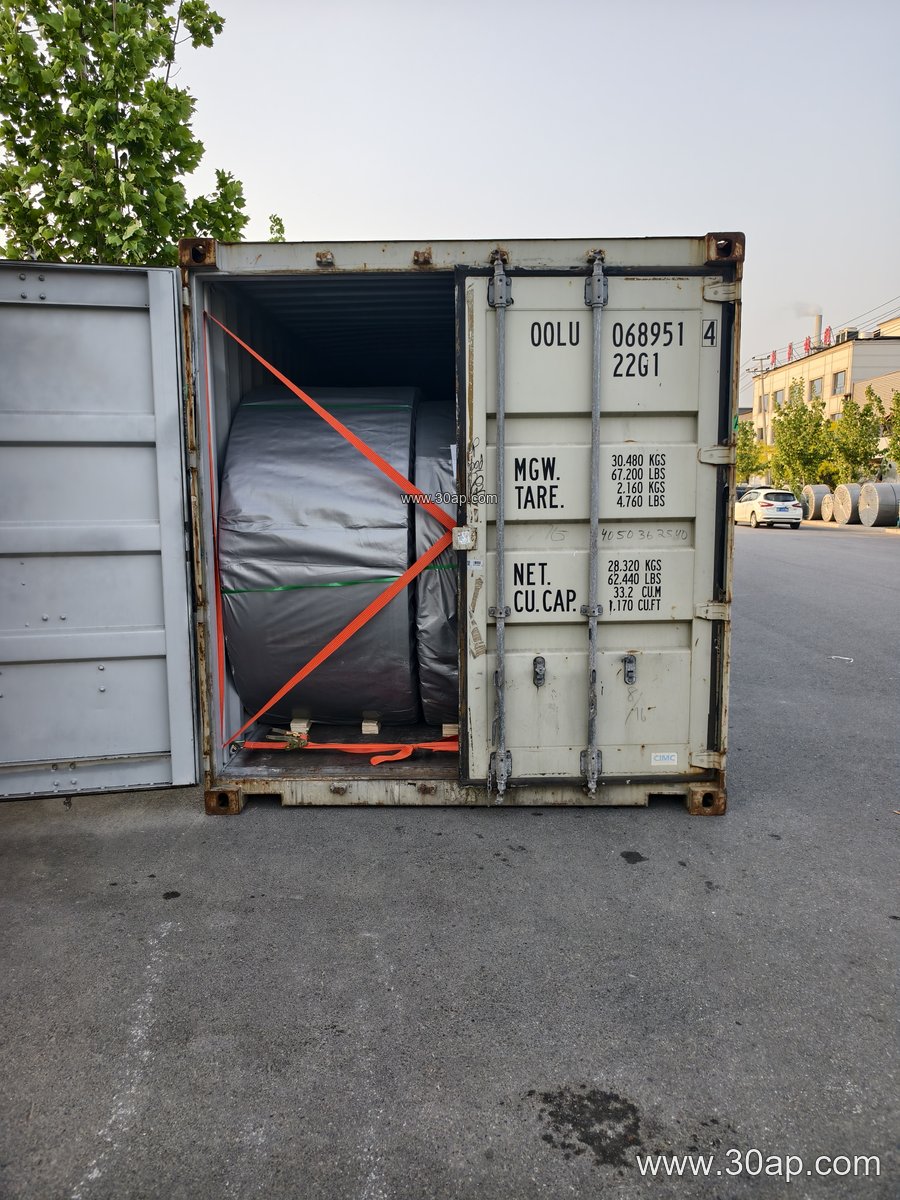
The table below shows typical reference values. Actual availability, cover compounds and tolerances differ between manufacturers, so confirm details with your supplier before ordering.
- Strength grades within the EP range: EP200, EP315, EP400, EP500, EP630, EP800, EP1000, EP1250, EP1600, EP2000
- Common belt widths: B500, B650, B800, B1000, B1200, B1400, B1600, B1800, B2000
- Typical cover thickness pairs: 3+1.5 mm, 4+2 mm, 5+2 mm, 6+2 mm, 8+3 mm
- Typical carcass plies: 2 to 6
| Parameter | Typical reference | Notes |
|---|---|---|
| Belt width | 500 to 2000 mm | Selected by capacity and lump size |
| Cover thickness | 3+1.5 to 8+3 mm | Depends on material abrasiveness |
| Ply count | 2 to 6 | Set by strength grade and design |
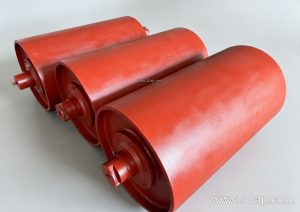
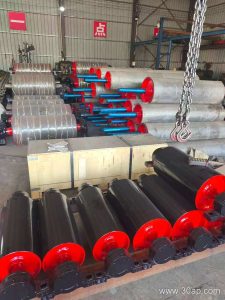
Width and pulley diameter are separate design decisions. A given belt width does not lock the conveyor to one pulley size; the drive pulley, tail pulley and bend pulley are each sized according to tension, wrap angle and shaft loading. Do not treat drive, tail and bend pulleys as interchangeable names.
Where It Fits in the Plant
An EP200 belt is at home in a wide range of bulk material circuits. In a coal mining conveyor belt or underground mining conveyor belt, flame retardant and anti-static versions are often specified. In a cement plant conveyor belt, heat resistant grades may be needed near kiln discharge, while a quarry conveyor belt or aggregate conveyor belt usually calls for abrasion resistant covers. Power plant conveyor belts handling coal, port conveyor belts loading ships and recycling conveyor belts sorting mixed waste all use fabric core belts of this class.
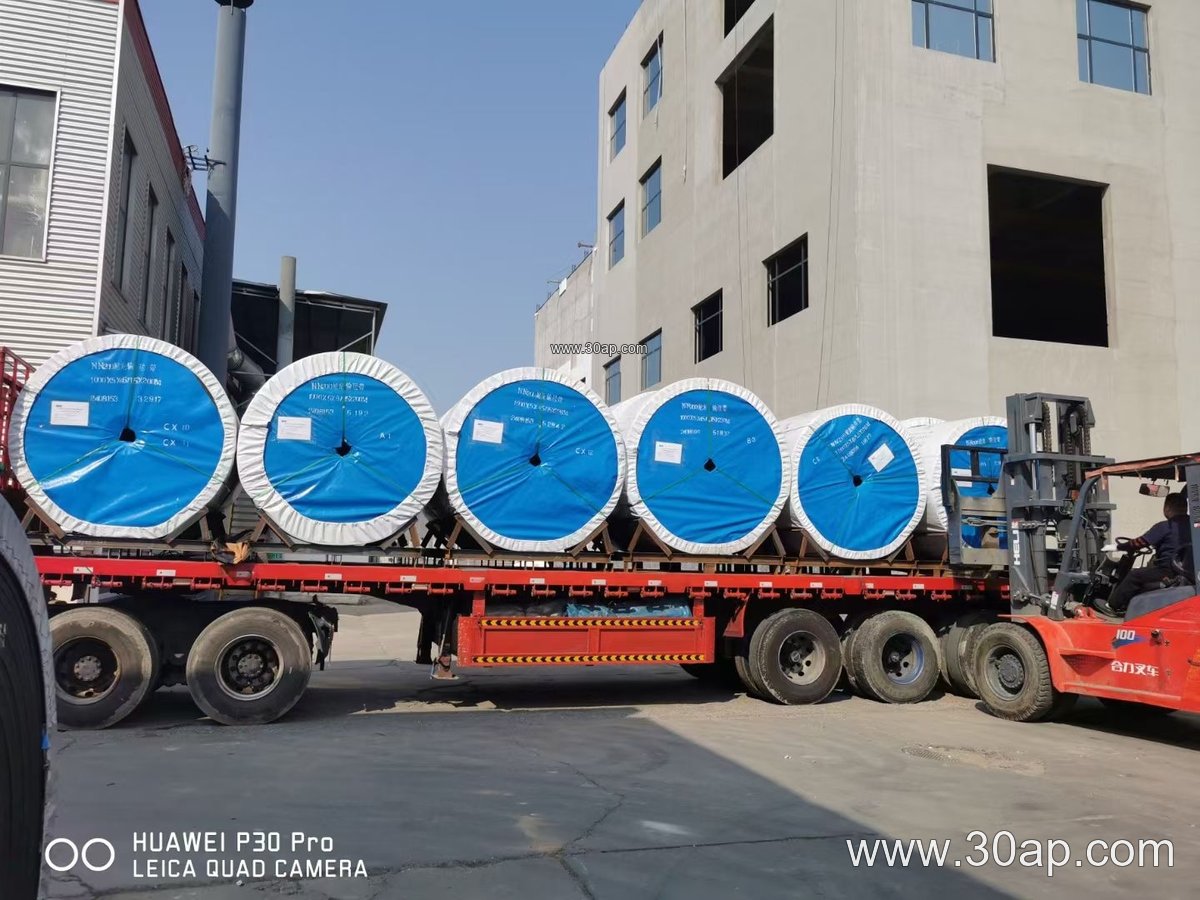
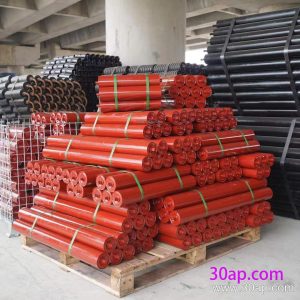
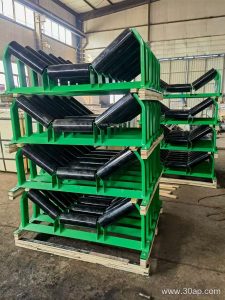
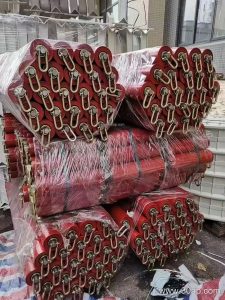
Supporting equipment matters too. Troughed idler rollers shape the belt and reduce spillage; conveyor pulleys transmit drive and change direction; conveyor brackets hold the structure together. A well-aligned frame with properly spaced idlers extends cover life and reduces edge damage.
Selecting the Right Grade
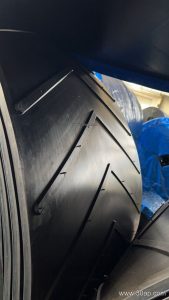
Start with the maximum working tension and the safety factor required by your design. Then match the cover compound to the material: abrasive rock, hot clinker, oily scrap or cold outdoor service each point to a different compound. For long lifts or very high tension, a steel cord conveyor belt may be more suitable than any fabric construction. For lighter duties, an NN conveyor belt or a lower EP grade can be sufficient. Where material must be contained on steep inclines, a chevron conveyor belt or a corrugated sidewall belt is a different solution rather than a replacement for a flat EP200 belt.
Ask for the carcass ply count, cover thickness, compound type and edge condition in writing. Confirm the splice method, since vulcanized splices usually give the best joint efficiency.
Installation and Maintenance Notes
Check pulley alignment and idler roller condition before fitting a new belt. Keep the belt tracking straight, avoid over-tensioning, and inspect covers for cuts and embedded material. Store spare belts flat and away from direct sunlight. These simple steps help any EP conveyor belt reach its expected service life in demanding mining, cement, power and aggregate operations.