What Conveyor Bracket Fabrication Involves
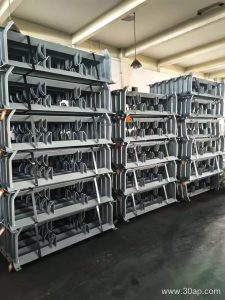
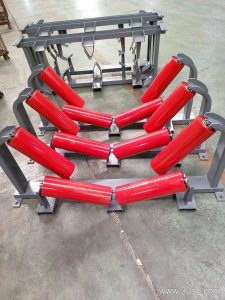
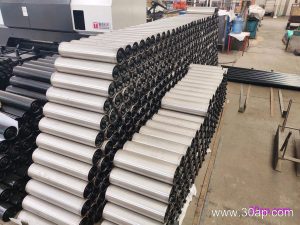
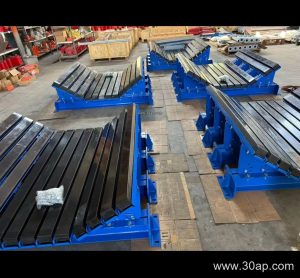
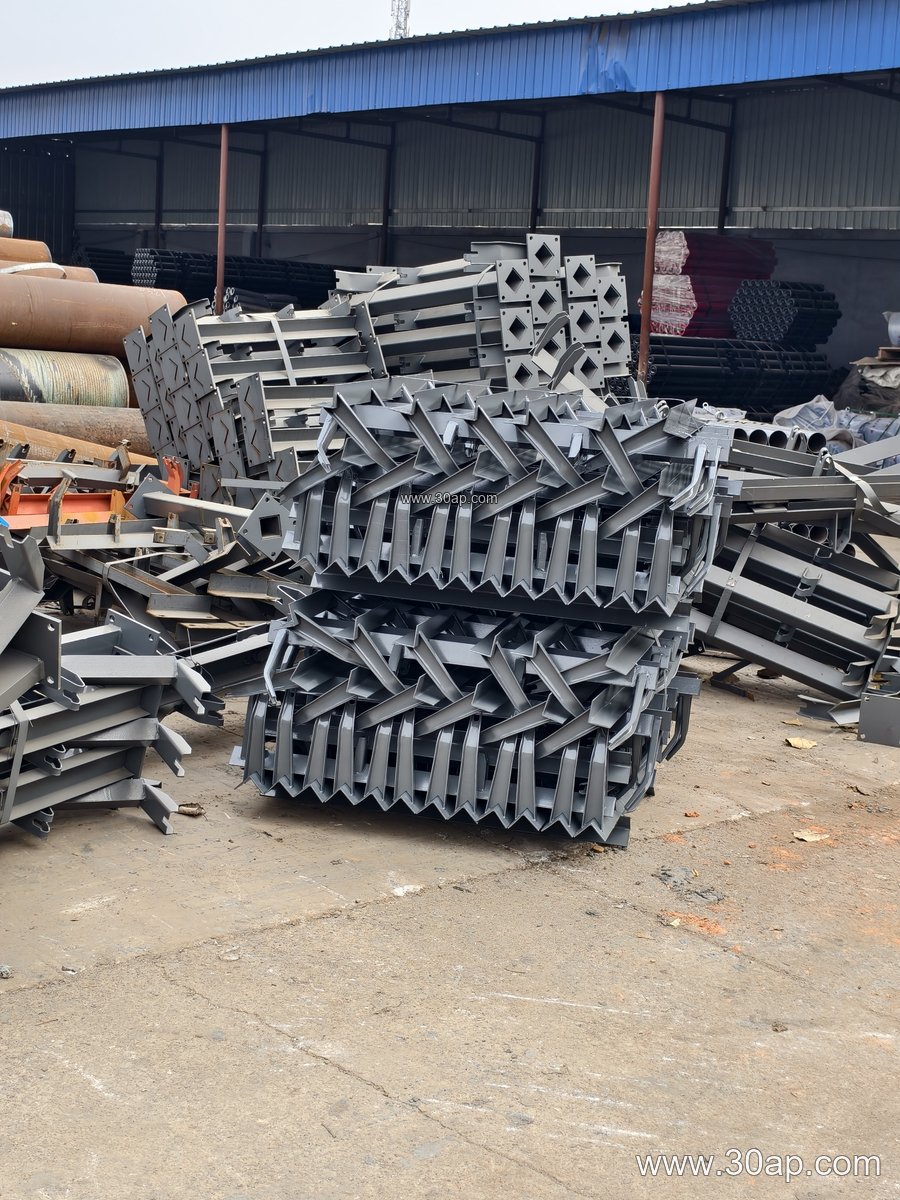
Conveyor bracket fabrication is the process of cutting, forming, welding, and finishing the structural supports that hold idler rollers and keep a conveyor belt in its intended profile. These brackets are not a single universal part. A fabrication shop may produce troughing brackets for the carrying side, return brackets for the empty side, transition brackets near pulleys, and adjustable frames that let maintenance crews fine-tune alignment. In a quarry or a cement plant, the same conveyor system may use several bracket styles along one flight, and each style is fabricated to match the belt width, trough angle, and roller diameter specified for that section.
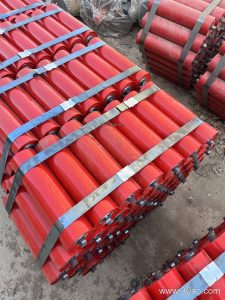
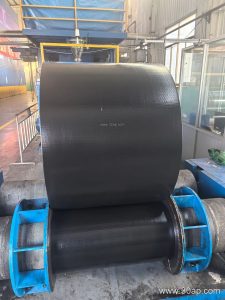
The fabricated bracket is distinct from the conveyor pulley, which drives or redirects the belt, and from the idler roller itself. A drive pulley, a tail pulley, and a bend pulley each serve different functions and are not interchangeable. The bracket’s job is to position the rollers correctly so the belt runs smoothly.
Materials and Build Methods
Most brackets are made from angle steel, channel steel, or bent steel plate. The choice depends on load and environment. In a coal mining conveyor or an underground mining conveyor, brackets may need extra stiffness and corrosion protection. Fabrication typically includes:
- Cutting stock to length according to the belt width and trough angle
- Punching or drilling mounting holes for the idler roller shafts
- Welding cross members and support legs
- Deburring and surface treatment such as painting or galvanizing
Hole spacing and crossbeam length change with belt width and trough angle. They are determined by design, not by a single fixed number.
Common Bracket Types and Dimensions
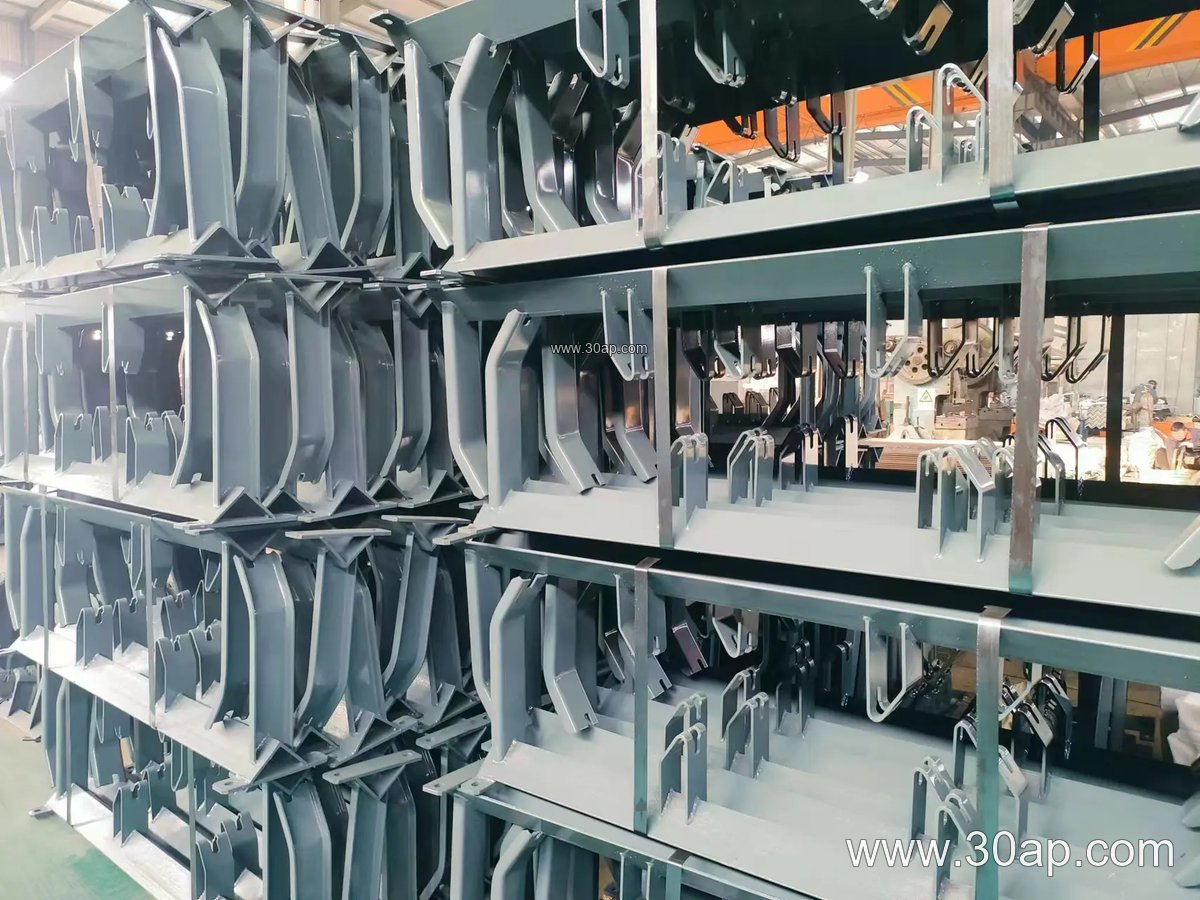
Fabricators produce several bracket families. Troughing brackets hold three rollers in a trough shape; return brackets support the belt on the return side; transition brackets ease the belt from flat to troughed; and adjustable brackets allow the trough angle to be changed on site. The table below shows common reference ranges, not mandatory specifications.
| Bracket Type | Typical Belt Width | Common Trough Angle | Common Roller Diameter |
|---|---|---|---|
| Troughing bracket | B500 to B2000 | 20°, 30°, 35°, 45° | Ø89, Ø108, Ø133, Ø159 |
| Return bracket | B650 to B1800 | Flat or V-return | Ø89, Ø108, Ø133 |
| Transition bracket | B800 to B1600 | 20° to 35° | Ø108, Ø133, Ø159 |
| Adjustable bracket | B500 to B1400 | 20° to 45° | Ø89, Ø108, Ø133 |
A typical combination might be written as B800, 35°, Ø108, or B1200, 45°, Ø133. These are examples; the actual match depends on the conveyor design and the belt load.
Where Fabricated Brackets Are Used
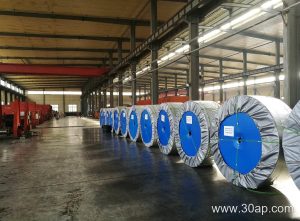
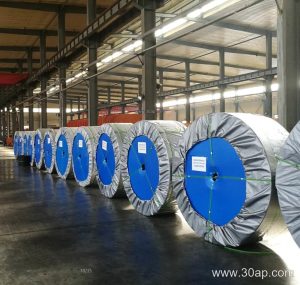
Fabricated brackets appear wherever a conveyor belt needs stable support. In a limestone mine or stone crushing line, troughing brackets carry abrasive rock on an abrasion resistant conveyor belt. In a power plant coal yard, they support a flame retardant conveyor belt on the coal handling system. In a port or ship loading facility, heavy-duty brackets hold a steel cord conveyor belt or an EP conveyor belt over long distances. Fabricators also supply brackets for aggregate conveyors, crusher conveyors, and bulk material handling lines in fertilizer and grain silos.
The bracket must suit the belt and roller it carries. A pipe conveyor belt or a corrugated sidewall conveyor belt may need special support geometry, while a chevron conveyor belt or skirted conveyor belt may require brackets that allow extra clearance. The bracket does not replace the pulley or the roller; it holds them in place.
What Buyers Should Check
When ordering fabricated brackets, buyers should confirm the belt width, trough angle, roller diameter, and mounting hole pattern. They should also state the environment: a wash plant, a cement kiln area, or an underground coal mine may call for different steel grades and coatings. Ask for dimensional drawings and verify that the bracket matches the idler roller frame. For adjustable brackets, confirm the range of trough angles and the locking method. Finally, check that the fabrication shop can produce consistent batches, because a conveyor line with many brackets depends on uniform hole spacing for smooth belt tracking.
Good fabrication practice keeps the bracket square, the welds clean, and the mounting surfaces flat. That attention to detail helps the conveyor belt, idler roller, and conveyor pulley work together with less wear and fewer tracking problems.