What a 630mm Diameter Conveyor Pulley Is
A 630mm diameter conveyor pulley is a large-diameter drum used to drive, tension, or redirect a conveyor belt in demanding bulk material handling circuits. In many plants, this size is chosen when the belt is wide, the load is heavy, or the wrap angle and traction requirements call for a larger contact surface. It is commonly built as a drive pulley or a tail pulley, and it can also serve as a bend pulley in complex routes. A 630mm diameter pulley is often paired with belt widths in the range of 1000mm to 1600mm, but the exact match depends on belt tension, pulley position, and the conveyor design.
Construction and Surface Options
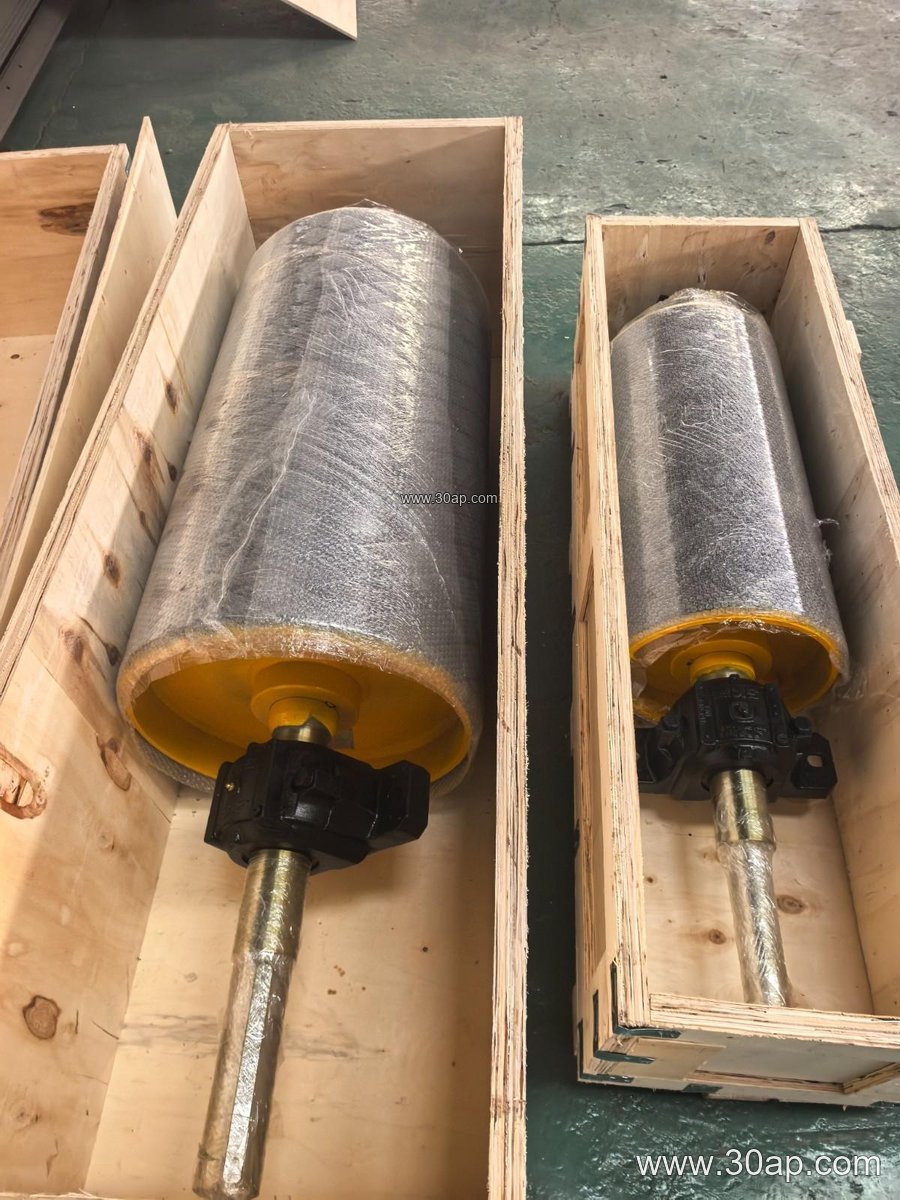
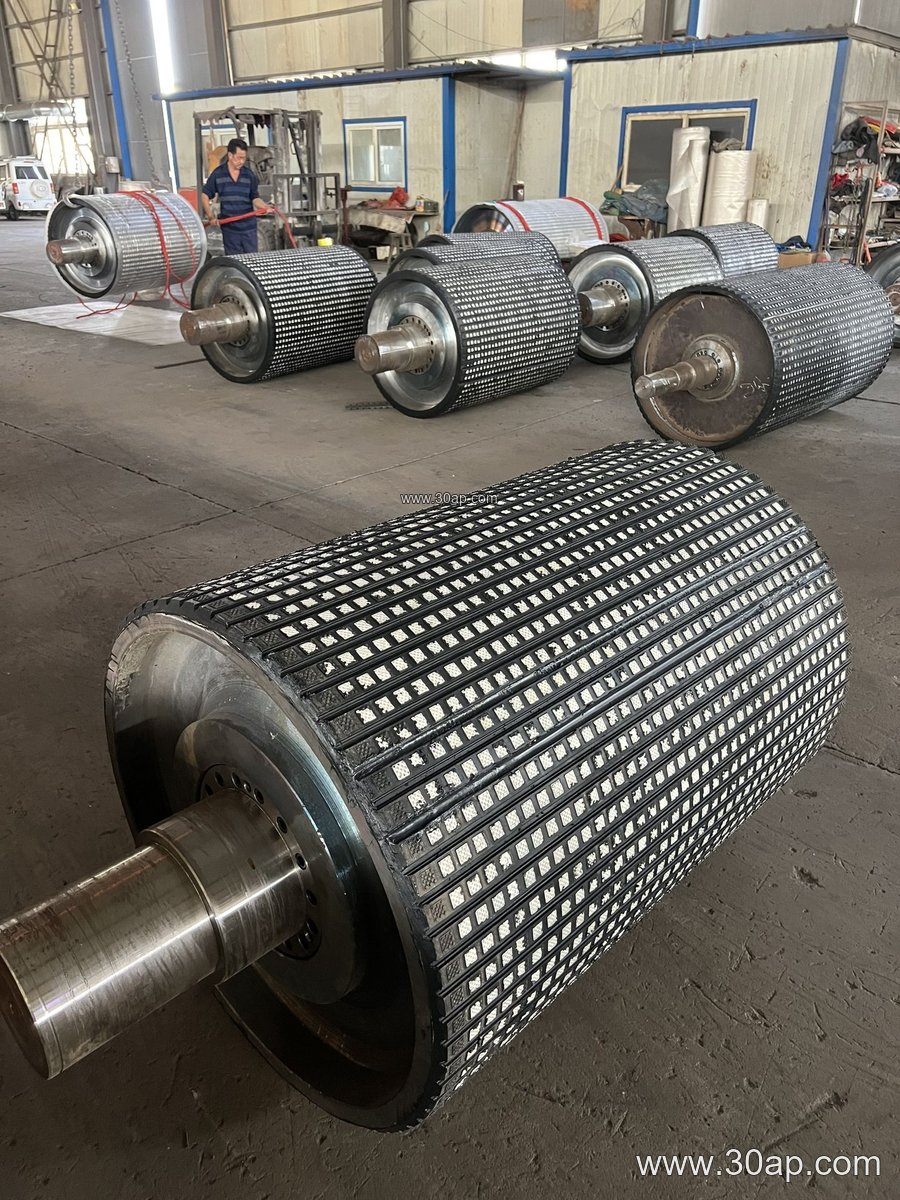
The pulley body is typically a welded steel drum with a shaft, hubs, and end discs. For a 630mm diameter unit, the shell is usually machined for balance and then covered with a lagging to improve grip and protect the belt. Common surface forms include plain steel, rubber lagging applied by cold bonding or hot vulcanizing, diamond grooved lagging, and ceramic lagging for the most abrasive conditions. Lagging thickness often ranges from 8mm to 20mm depending on the duty. The shaft diameter is not fixed by the pulley diameter alone; it is selected by torque and radial load, with common shaft sizes such as Ø120, Ø140, Ø160, or Ø180 appearing in this class of pulley.
Where It Fits in the Conveyor
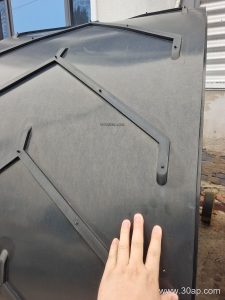
Because of its size, a 630mm diameter conveyor pulley is frequently found at the head end as a drive pulley, where it transmits power to an EP conveyor belt or a steel cord conveyor belt. It also appears as a tail pulley on long overland lines and as a bend pulley where the belt must change direction without adding drive force. In a quarry or aggregate line, it may work behind a primary crusher, handling abrasive rock on a heavy-duty conveyor belt. In a coal mining or underground mining conveyor, flame retardant and anti-static belt grades are common, and the pulley lagging must be chosen to reduce slip without damaging the belt cover. The same diameter can be used in a cement plant clinker circuit or a power plant coal handling system, but the lagging and shaft details will differ.
Typical Size Combinations and Reference Data
The table below shows common reference combinations for a 630mm diameter pulley. These are not mandatory pairings; they illustrate how belt width, pulley face width, and shaft size are considered together. The pulley face width is usually greater than the belt width to allow for belt tracking.
| Belt Width (mm) | Pulley Face Width (approx. mm) | Common Shaft Diameter Range (mm) | Typical Surface Form |
|---|---|---|---|
| 1000 | 1150 | Ø100 to Ø140 | Diamond rubber lagging |
| 1200 | 1400 | Ø120 to Ø160 | Plain rubber or ceramic lagging |
| 1400 | 1600 | Ø140 to Ø180 | Hot vulcanized rubber lagging |
| 1600 | 1800 | Ø160 to Ø200 | Ceramic lagging for abrasive duty |
For a 630mm diameter pulley, the shaft is often larger than on a 500mm or 400mm drum because the torque arm is longer. However, do not assume a fixed shaft size from belt width alone. The design engineer should confirm the shaft by torque, bending moment, and bearing life. A 630mm diameter conveyor pulley may be supplied with a shaft diameter of Ø120, Ø140, Ø160, or Ø180, and larger shafts are possible in high-tension drives.
Buyer Checklist for a 630mm Pulley
- Confirm the pulley position: drive, tail, bend, or tension. Each position has different load and lagging needs.
- Check the belt width and pulley face width. For B1200, a face width near 1400mm is common, but verify with the conveyor frame.
- Specify the lagging type and thickness. Abrasion resistant conveyor belt systems often benefit from diamond or ceramic lagging, while heat resistant belt circuits may need special cover compounds.
- Provide the shaft diameter and bearing centers. Do not derive shaft size from belt width alone.
- Match the pulley to the belt grade: EP conveyor belt, NN conveyor belt, or steel cord conveyor belt. The pulley lagging should not be harsher than the belt cover requires.
- Consider the environment. In a coal mining conveyor or underground coal mining conveyor, flame retardant and anti-static properties matter. In a port or ship loading conveyor, salt and moisture may call for corrosion protection.
- Plan for maintenance. A 630mm diameter conveyor pulley is heavy; lifting points and access for lagging replacement should be reviewed before installation.
Installation and Maintenance Notes
Alignment is critical for any large pulley. A 630mm diameter conveyor pulley should be aligned with the conveyor centerline and checked for squareness to the belt. Misalignment can cause belt edge wear and reduce lagging life. After the first weeks of operation, recheck bolts and bearing clearances. Inspect lagging for wear, glazing, or missing segments, especially in crusher conveyor and quarry conveyor duty where sharp rock can damage the surface. Keep the pulley clean; material build-up on a smooth pulley can change the belt path. When replacing lagging, use the same thickness and pattern to maintain the effective diameter and belt tracking.
Choosing the Right Supplier
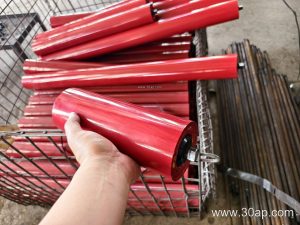
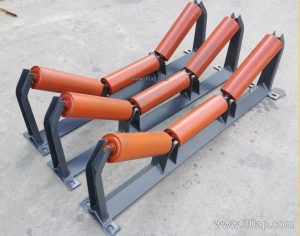
When sourcing a 630mm diameter conveyor pulley, ask for the shaft calculation, lagging specification, and balance report. A pulley that is too light for the duty can flex and cause premature bearing failure. A pulley with the wrong lagging can slip or wear the belt cover. Whether the application is a copper ore conveyor, a limestone quarry, a cement plant, or a power plant coal yard, the pulley should be matched to the conveyor belt, idler roller, and conveyor bracket system as a whole. For related components such as conveyor belt, idler roller, and conveyor bracket, work with a supplier who can review the full conveyor layout rather than just the drum dimensions.