What a 315mm Diameter Conveyor Pulley Is
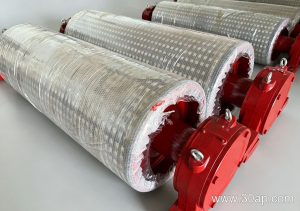
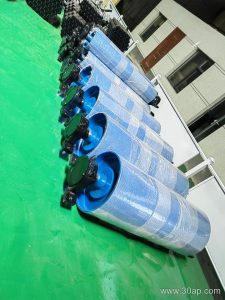
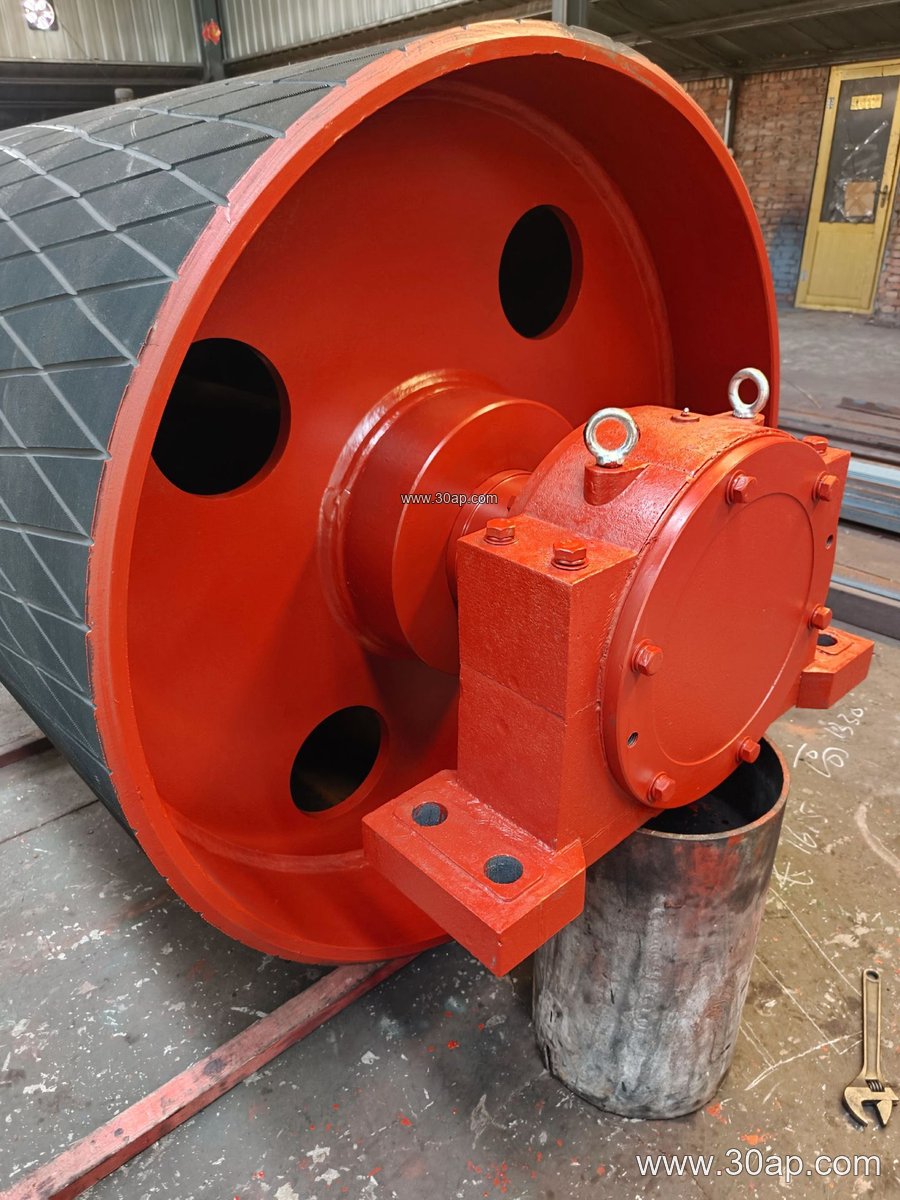
A 315mm diameter conveyor pulley is a mid-range drum that sits between the small snub rollers and the large head drums found on heavy overland systems. In metric terms it is often written as Ø315, and it is the same product whether a buyer calls it a 315mm drum, a Ø315 pulley, or a 315 mm conveyor pulley. It is built from a cylindrical shell, end discs, a shaft, and bearing housings, with the shaft keyed or shrink-fitted to the shell depending on the design load. On many aggregate and cement lines this size is chosen for tail or take-up positions where the belt needs a moderate wrap angle without the weight and cost of a 500mm or 630mm drum.
Construction and Surface Options
The shell is usually rolled from steel plate and machined to keep runout within tolerance. End discs are welded in and stress-relieved before finishing. Shafts are commonly in the Ø80 to Ø160 range for this diameter, but the exact shaft size must be calculated from torque and bearing load rather than copied from a belt width table.
Surface finish matters as much as the drum body. Common choices include:
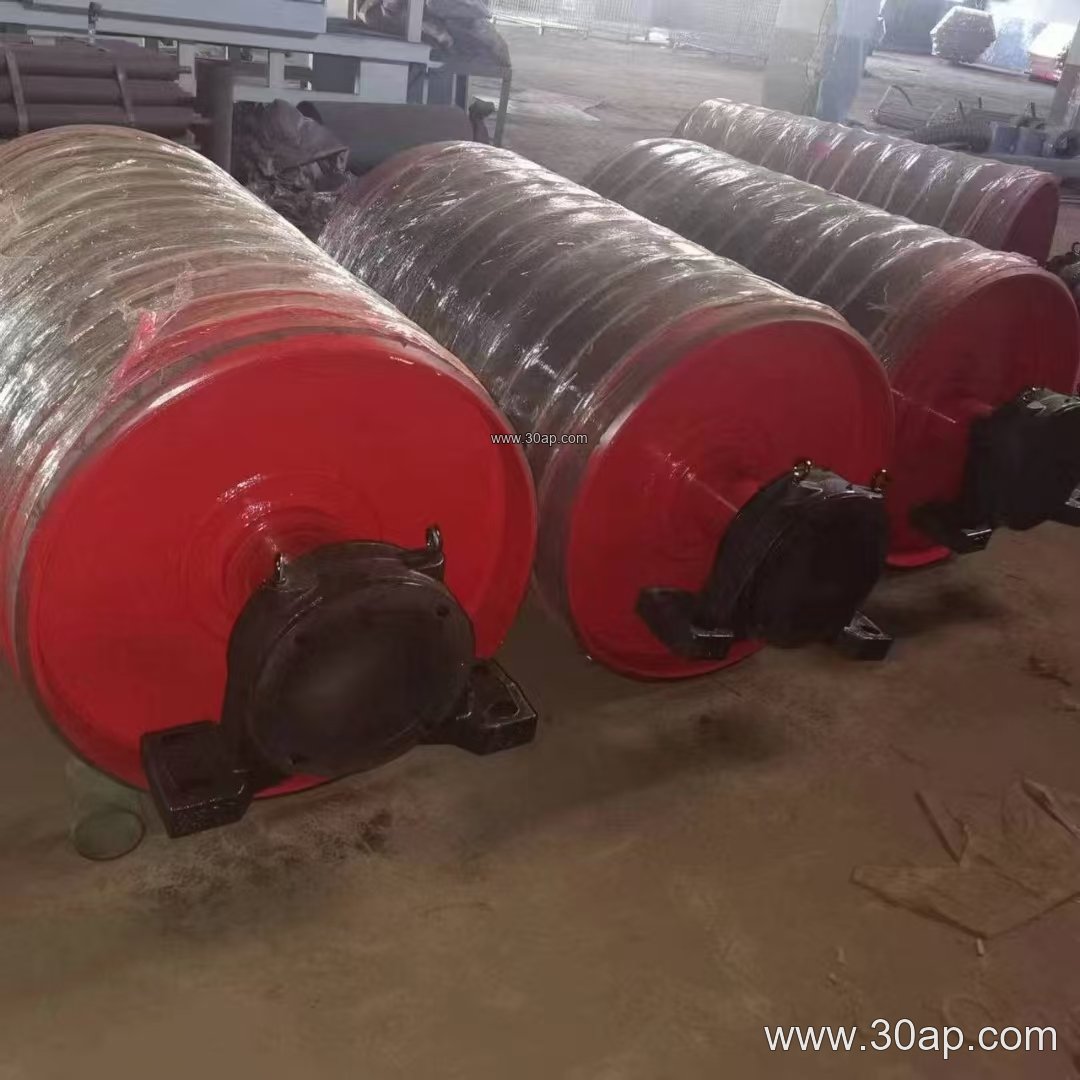
- Plain or smooth finish for light duty and cleaning-friendly positions
- Rubber lagging applied cold or vulcanized hot, in 8, 10, 12, 15 or 20 mm thickness
- Diamond or herringbone grooving to shed water and fines
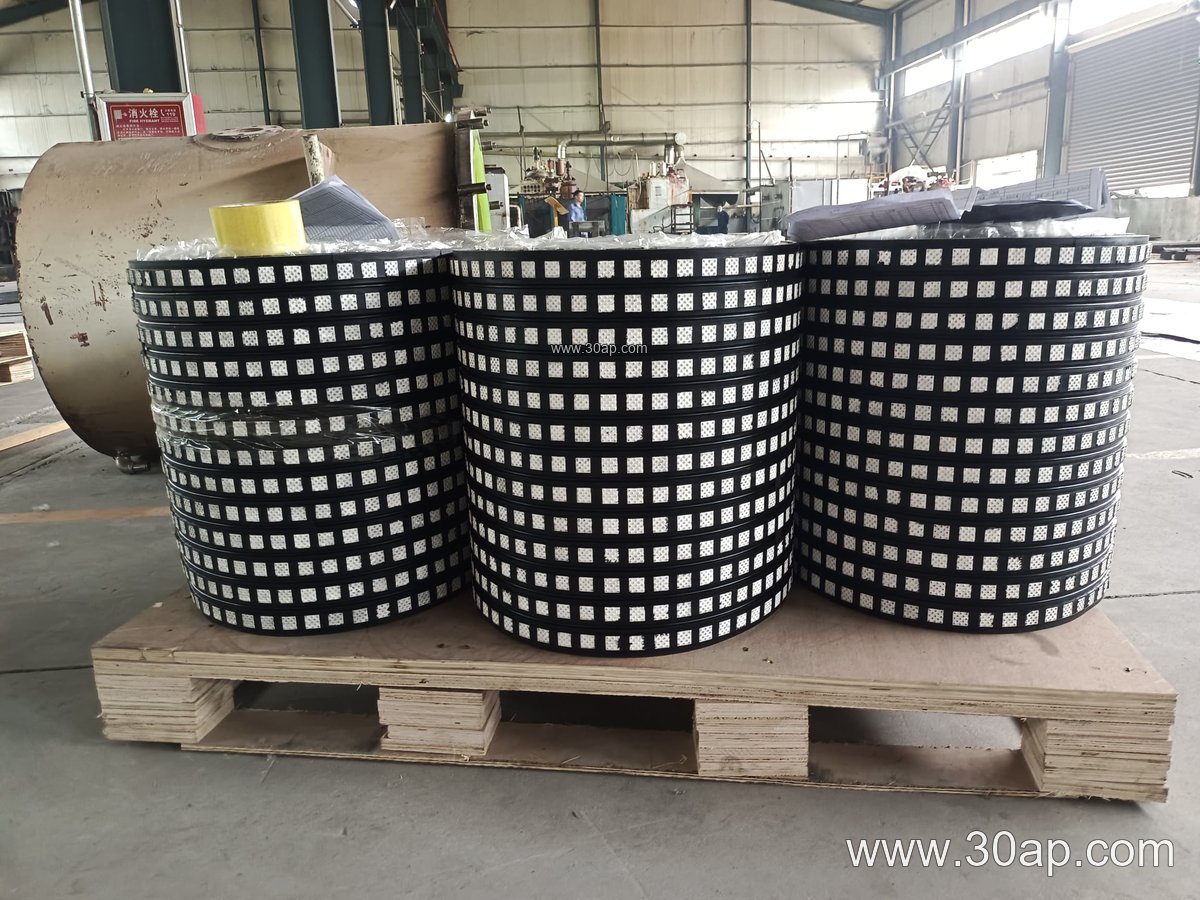
- Ceramic lagging for high-traction drives in wet or dusty service
On a 315mm drum, lagging thickness directly affects the effective diameter, so the belt tracking and take-up stroke should be checked after any re-lagging.
Where This Drum Fits on the Conveyor
Position determines duty. A tail pulley at the loading end sees fine dust and occasional spillage, so a self-cleaning grooved lagging is often useful. A bend or snub position may run with a plain face if the wrap angle is small. A take-up pulley must slide or swing with the tension carriage, so the bearing housings and frame interface deserve close attention. Drive, tail and bend pulleys are not interchangeable names, and a 315mm drum specified as a tail pulley should not be ordered as a drive drum without rechecking torque capacity.
In a limestone quarry or a sand and gravel plant, this diameter typically pairs with B650 to B1000 belts. In a coal washing plant it may appear on a short transfer conveyor feeding a screen. The same drum size can serve different duties, because belt width and pulley diameter are matched by design, not by a fixed rule. A B800 belt, for example, might run on a Ø315 tail drum on one conveyor and on a Ø500 drive drum on another, depending on tension and wrap.
Belt and Component Interaction
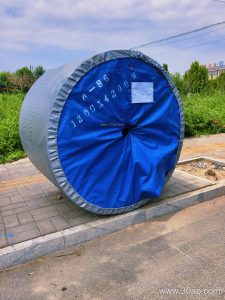
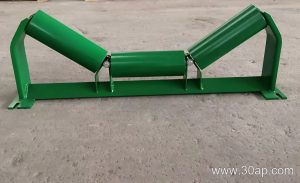
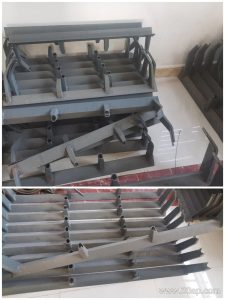
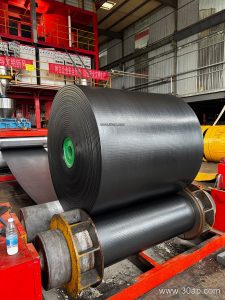
The pulley does not work alone. A compatible conveyor belt with the right carcass stiffness tracks better over a 315mm drum than a very stiff steel cord belt on a tight wrap. Fabric core belts such as EP Conveyor Belt or NN Conveyor Belt grades are common on medium-duty lines, while heavy-duty mining conveyors may use Steel Cord Conveyor Belt constructions on larger drums. Abrasion Resistant Conveyor Belt covers are typical in quarry and aggregate service, and Flame Retardant Conveyor Belt or Fire Resistant Conveyor Belt grades are often specified in coal handling. The idler roller set and conveyor bracket arrangement on the approach and return runs also influence how the belt enters the pulley, so misalignment at the drum is rarely a drum-only problem.
Common Size Reference
The table below shows typical shell width pairings for reference only. These are common practice values, not mandatory combinations, and final dimensions follow the conveyor design.
| Belt width | Typical shell face width | Example drum callout |
|---|---|---|
| B650 | about 750 mm | B650 x Ø315 |
| B800 | about 950 mm | B800 x Ø315 |
| B1000 | about 1150 mm | B1000 x Ø315 |
| B1200 | about 1400 mm | B1200 x Ø315 |
Other diameters in the same family include Ø250, Ø320, Ø400 and Ø500. A 315mm drum is not mandatory for any belt width, and a wider belt can run on a larger drum when tension demands it.
What Buyers Should Confirm
- Duty position and wrap angle, since a tail pulley and a bend pulley are specified differently
- Shaft diameter and bearing type, calculated from actual load rather than assumed from belt width
- Lagging type and thickness, plus whether the face should be plain, grooved or ceramic
- Balance grade and runout tolerance for higher-speed conveyors
- Corrosion protection for wet washing plants, ports or fertilizer handling
- Interface dimensions with the conveyor bracket and take-up frame
Maintenance is straightforward when planned. Check lagging wear at the edges first, confirm bearing temperature during the first weeks of running, and inspect for material build-up between the belt and shell. A well-matched 315mm diameter conveyor pulley, paired with the right belt grade and idler roller layout, keeps a transfer point stable through long shifts in demanding bulk handling work.