What a Return Idler Set Does on a Conveyor
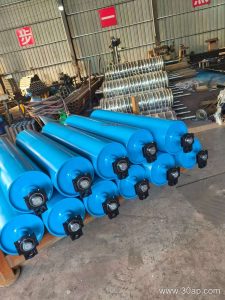
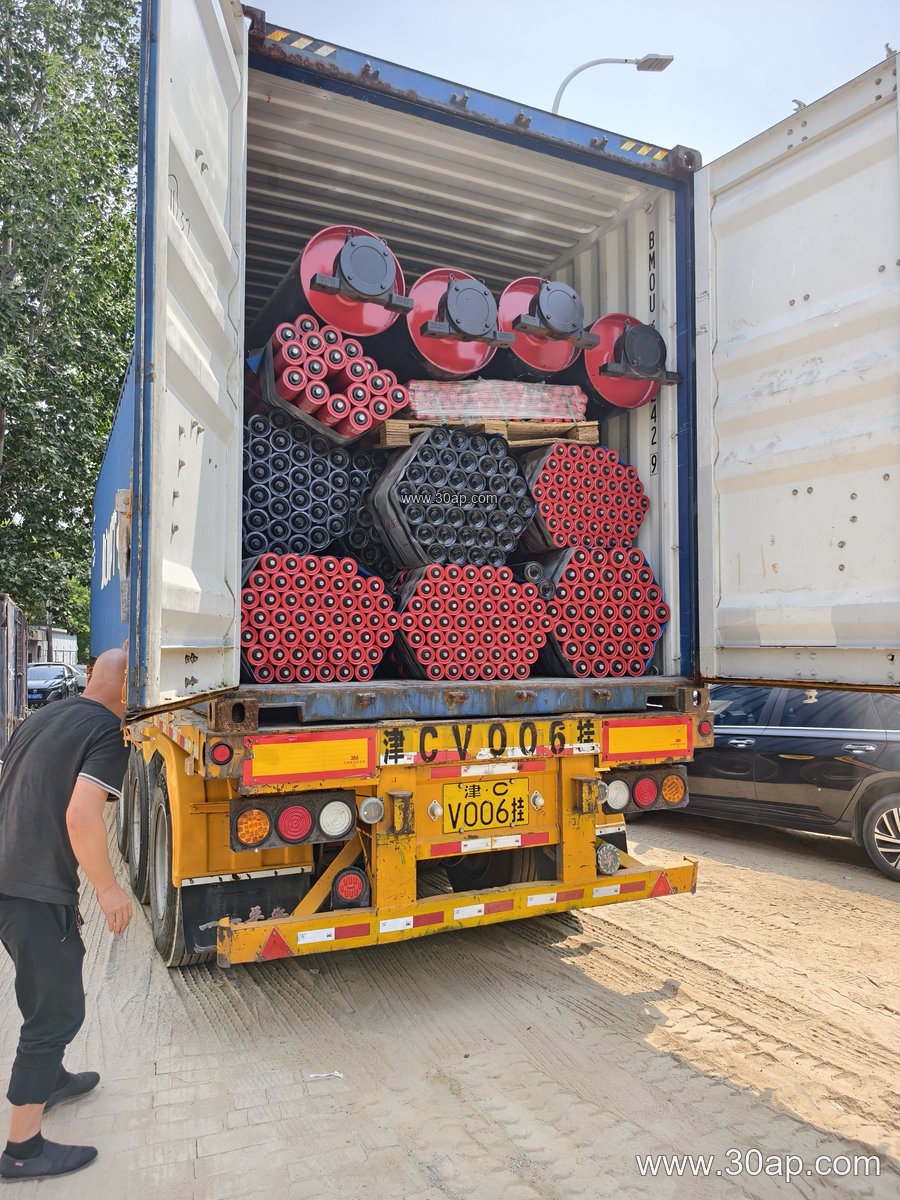
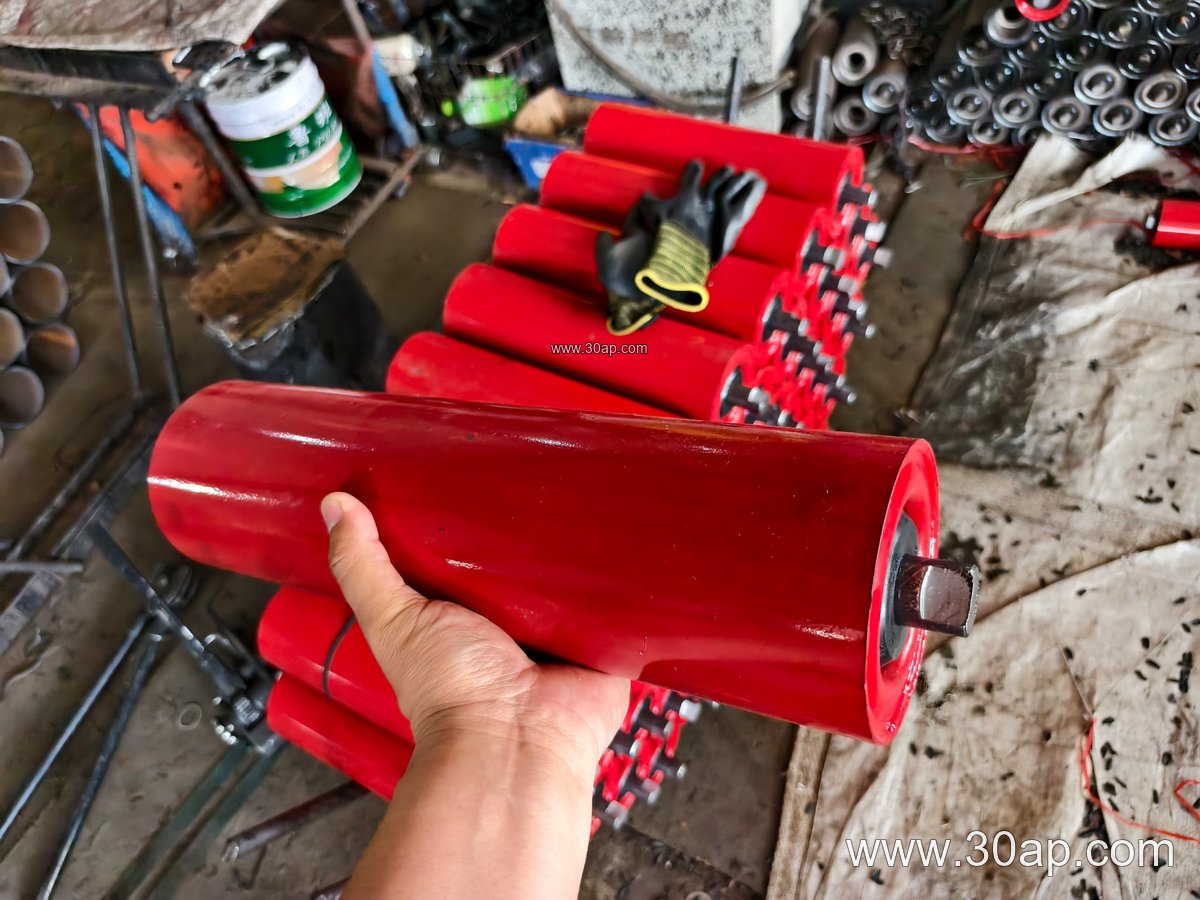
A return idler set, also called a return roller set or lower idler set, supports the empty side of the conveyor belt on its way back to the tail pulley. Unlike carry idlers that face the loaded belt, these rollers sit under the returning belt and keep it from sagging between the frames. In a quarry or a cement plant, a well-chosen return idler set helps maintain belt tracking, reduces friction, and extends the service life of the conveyor belt. The set usually consists of one or more rollers mounted in a frame, with bearings and seals that suit the dusty, abrasive conditions common in sand and gravel lines, coal yards, or power plant coal handling.
Construction and Common Configurations
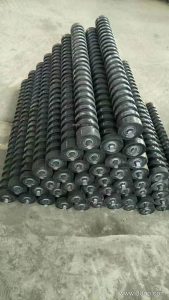
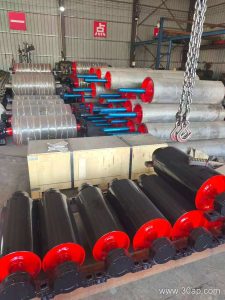
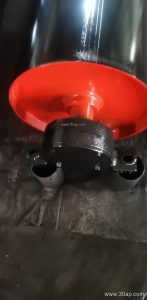
The basic build includes a steel tube shell, bearing housings, shafts, and sealing arrangements. Roller surfaces may be plain steel, nylon, or rubber-covered for specific duties. A flat return idler set uses a single roller across the belt width, while a V-shaped return set uses two rollers angled to help center the belt. In some plants, a spiral return roller is chosen to shed sticky material. Bearing sizes such as 6204, 6205, 6305, 6306, 6308, and 6310 are common, but the right bearing depends on load, speed, and roller diameter, not on belt width alone. Typical roller diameters include Ø63, Ø76, Ø89, Ø102, Ø108, Ø127, Ø133, Ø159, Ø178, Ø194, and Ø219 mm. The return idler set should be selected to match the conveyor frame and the belt width, for example B650, B800, B1000, or B1200, with roller lengths determined by the design.
| Parameter | Common Examples | Note |
|---|---|---|
| Roller diameter | Ø89, Ø108, Ø127, Ø133, Ø159 mm | Selected by load and belt speed |
| Belt width | B500, B650, B800, B1000, B1200, B1400 | Frame and roller length follow design |
| Bearing | 6204, 6205, 6305, 6306, 6308, 6310 | Not fixed to one roller size |
| Surface form | Steel, nylon, rubber ring | Rubber helps with impact and noise |
Where Return Idler Sets Are Used
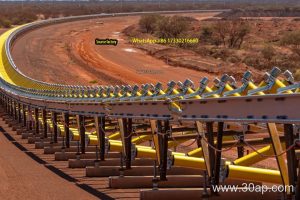
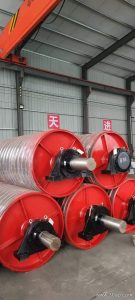
These sets appear in almost any bulk handling line. In a limestone quarry or aggregate plant, they support the belt after the discharge point. In a coal mining operation, flame retardant and anti-static properties of the belt are important, and the return idler set must be compatible with the environment. In cement plants, fine dust can penetrate poor seals, so sealed-for-life bearings are often preferred. The same applies in iron ore, copper ore, and gold mining circuits where abrasive dust is present. A return idler set also works alongside a conveyor pulley, conveyor bracket, and the main conveyor belt to keep the whole system aligned.
Selection and Maintenance Tips
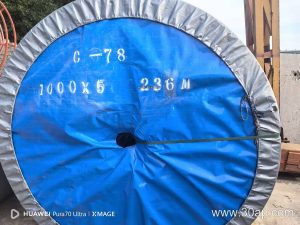
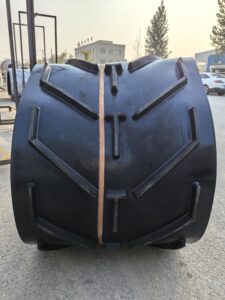
Buyers should confirm the belt width, the frame fixing dimensions, and the required roller diameter before ordering. Check whether a flat, V-shaped, or spiral return set suits the material being carried. For sticky or wet loads, a spiral roller may reduce buildup. For high-speed belts, balanced rollers and quality seals matter more than a small difference in price. During operation, listen for noisy bearings, check for roller seizure, and inspect for material buildup on the return side. A worn return idler set can cause belt mistracking and edge damage, so replacing damaged rollers promptly is worthwhile. When specifying a set, match it to the conveyor belt type in use, whether that is an EP conveyor belt, a steel cord conveyor belt, or a heat resistant conveyor belt in a cement or steel plant. The return idler set itself does not change the belt construction, but it must be sized for the belt and the load it carries.