What a Surface Belt Conveyor Idler Does
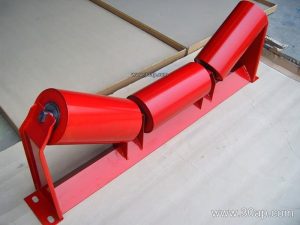
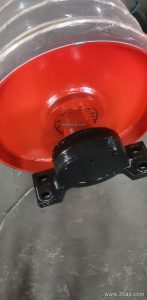
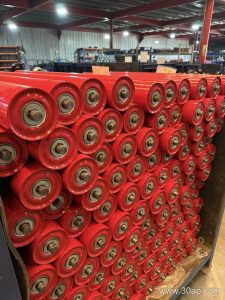
A surface belt conveyor idler is the rotating component that supports the conveyor belt along the carrying and return runs of a conveyor system. In a surface installation—such as a quarry, aggregate plant, cement works, or power station coal yard—these idlers keep the belt profile stable, reduce friction, and help maintain material containment. The idler roller itself is typically a steel tube fitted with bearings and seals, mounted on a shaft and held in place by a conveyor bracket. Unlike a conveyor pulley, which drives or redirects the belt at the ends, the surface idler works continuously along the full length of the conveyor.
Construction and Common Surface Forms
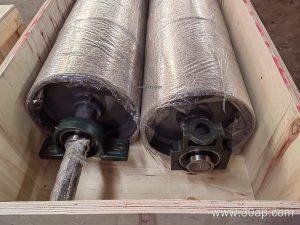
Most surface belt conveyor idlers use a mild steel tube shell with pressed or machined end caps. The shaft is usually cold-drawn steel, and the bearing housing is sealed to keep out dust and water. Roller surfaces vary by duty: plain steel for general bulk material, nylon for reduced weight, rubber rings for impact absorption, and ceramic lagging for high-abrasion service. Bearing sizes commonly include 6204, 6205, 6305, 6306, 6308, and 6310, but the correct bearing depends on load and speed, not on a single fixed rule.
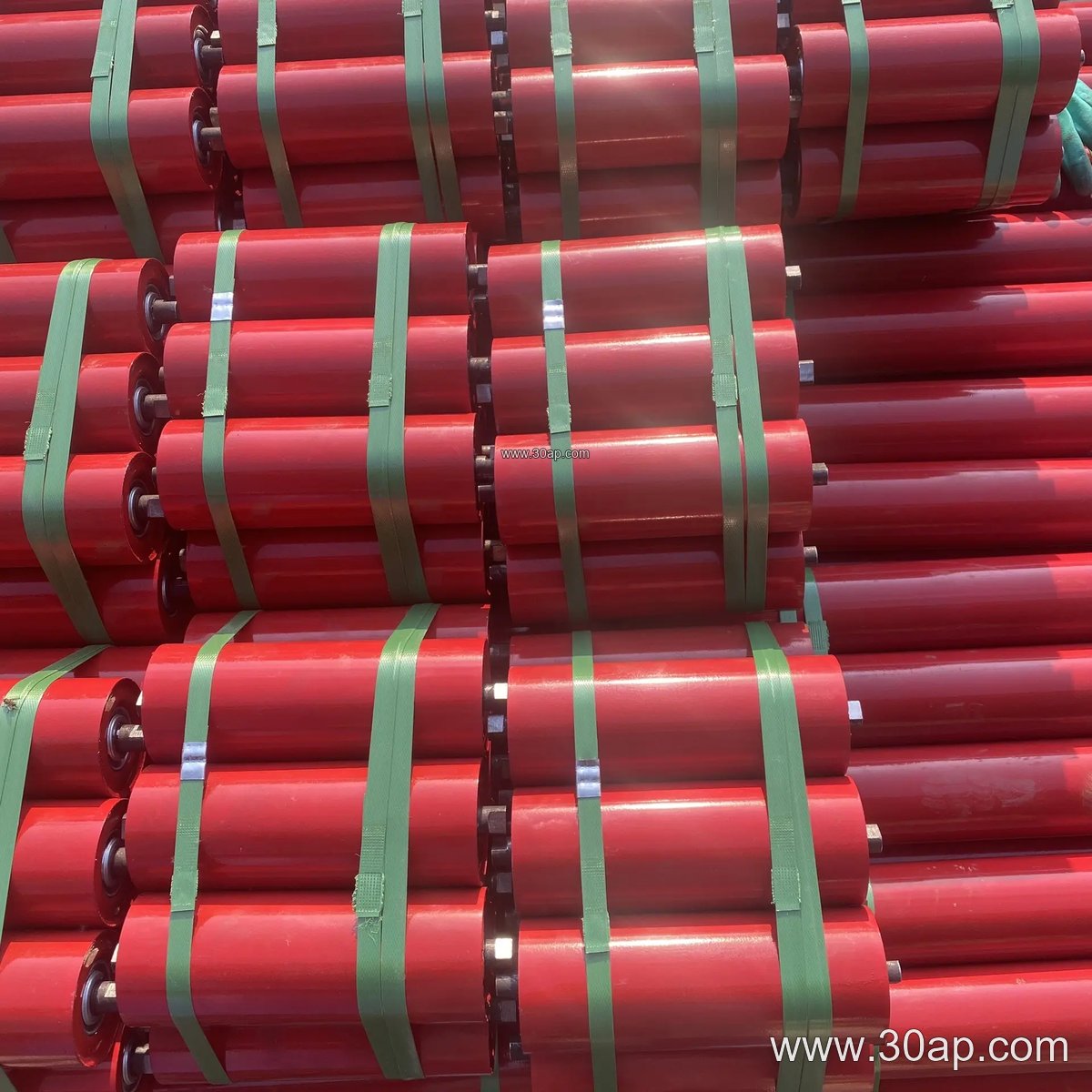
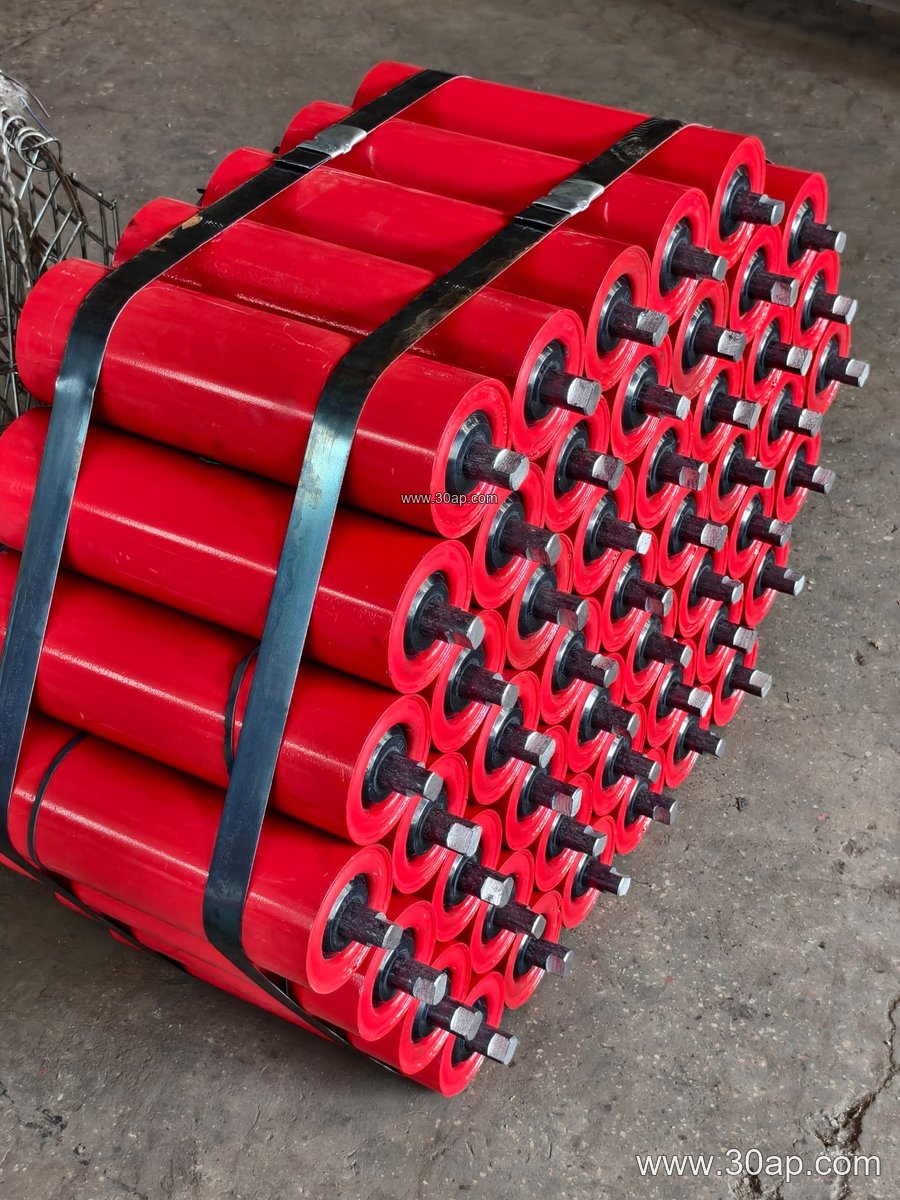
Idler diameter is selected from a range that commonly includes Ø63, Ø76, Ø89, Ø102, Ø108, Ø127, Ø133, Ø159, Ø178, Ø194, and Ø219 mm. Larger diameters suit higher belt speeds and heavier loads, while smaller diameters are used on lighter conveyors. Belt width and idler diameter are related by design, but one belt width does not lock you into one pulley diameter or one idler size.
Where Surface Idlers Are Used
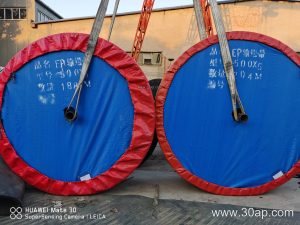
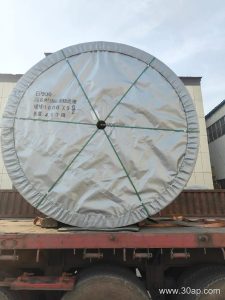
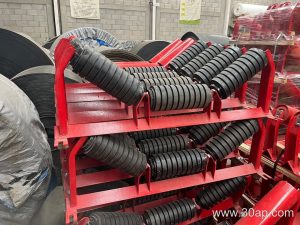
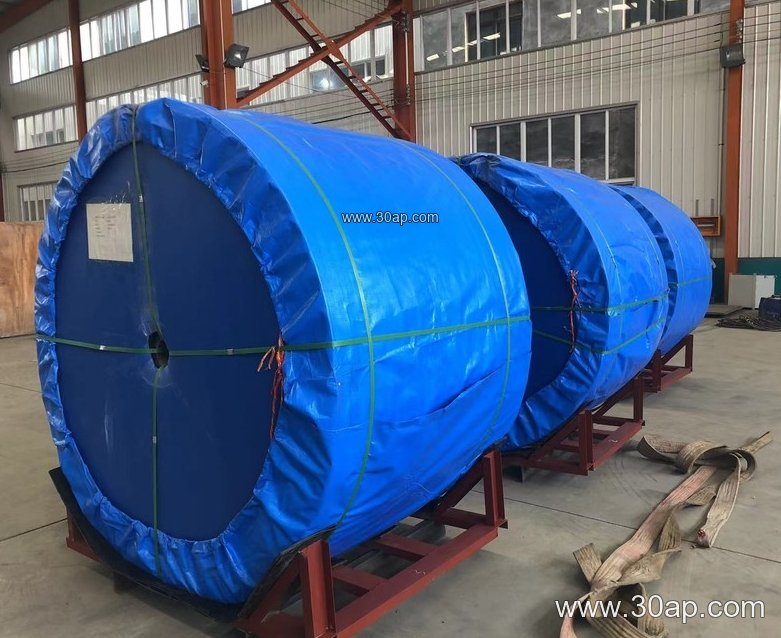
Surface belt conveyor idlers appear in stone crushing lines, sand and gravel plants, cement plants, and power plant coal handling. In a quarry conveyor, troughing idlers support the loaded belt on the carrying side, while return idlers support the empty belt underneath. A surface installation may also use impact idlers under a crusher discharge point and self-aligning idlers on long runs to correct belt tracking. The same idler family works with rubber conveyor belt, EP conveyor belt, and steel cord conveyor belt constructions, provided the belt tension and load are within the idler’s design range.
Troughing Geometry and Belt Support
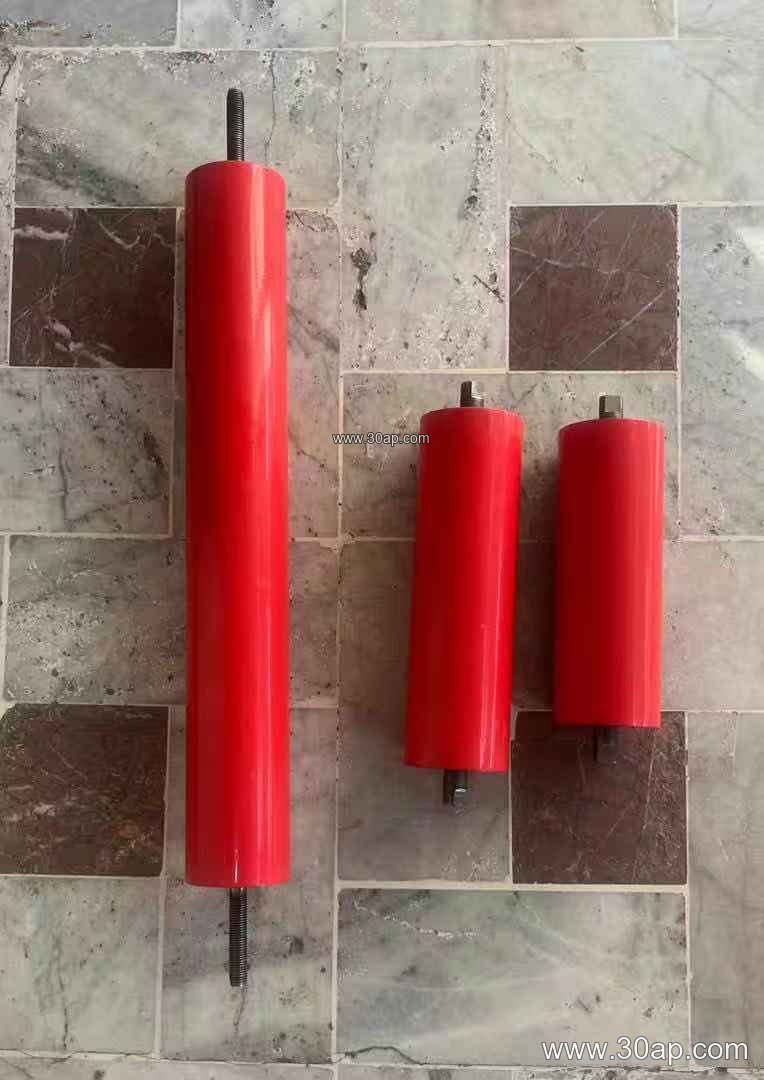
On the carrying side, idlers are usually arranged as single-roll, two-roll, or three-roll troughing sets. A three-roll troughing set with a 30-degree or 35-degree trough angle is common for bulk materials, while 20-degree and 45-degree angles appear where the belt and material characteristics call for them. For a three-roll set, common roll lengths are approximately 200 mm for B500, 250 mm for B650, 315 mm for B800, 380 mm for B1000, 465 mm for B1200, 530 mm for B1400, 600 mm for B1600, 670 mm for B1800, and 750 mm for B2000. These are examples only; side rolls and center rolls can differ, and final dimensions are set by the conveyor designer.
Selection Checklist for Buyers
- Confirm belt width (for example B650, B800, B1000, B1200, B1400, B1600, B1800, or B2000) and the idler set form required.
- Match idler diameter to belt speed, load, and available mounting space; do not assume a fixed diameter from belt width alone.
- Choose the roller surface for the environment—rubber rings for impact zones, ceramic or nylon where abrasion or build-up is a concern.
- Specify bearing size and sealing class according to dust and moisture exposure.
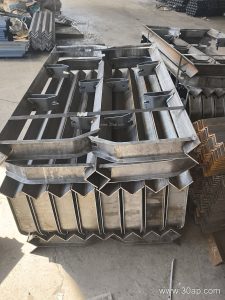
- Check that the conveyor bracket and shaft ends match the existing frame.
- For coal mining or underground mining conveyors, verify flame retardant and anti-static requirements with the belt supplier.
Surface belt conveyor idlers are often ordered alongside the conveyor belt, conveyor pulley, and conveyor bracket package. A buyer should request a dimensional drawing and confirm that the idler roller, shaft, and bearing arrangement suit the actual conveyor profile. For high-abrasion service such as iron ore or copper ore handling, a heavy-duty idler with reinforced seals is worth considering; for a port or ship loading conveyor, corrosion protection may matter more than impact resistance.
Maintenance Notes
Inspect surface idlers for seized bearings, worn shells, and misalignment. A squealing idler or a belt that drifts to one side often points to a failed bearing or a worn roller. Replace idlers in sets where possible and keep the conveyor belt tracking within the recommended range. In cement plants and power plants, dust accumulation around the idler can accelerate seal wear, so periodic cleaning helps extend service life.