What the 1800mm Wide Conveyor Belt Is
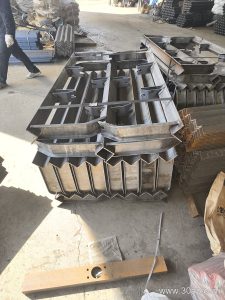
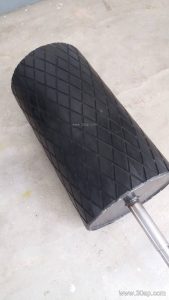
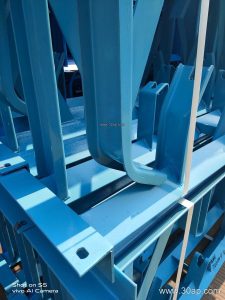
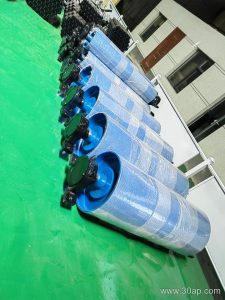
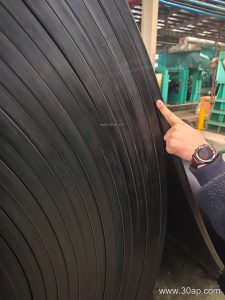
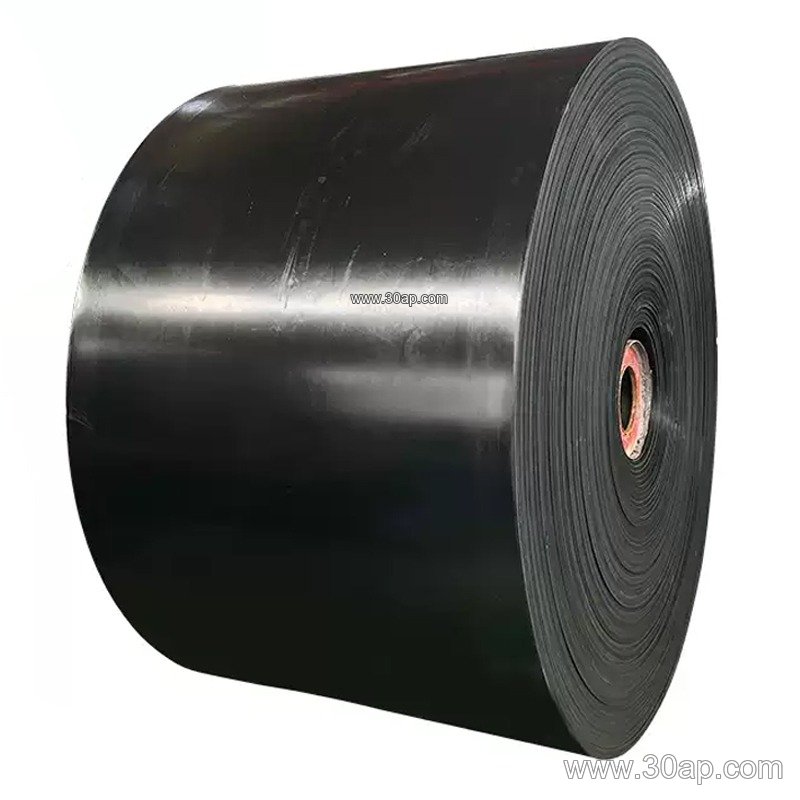
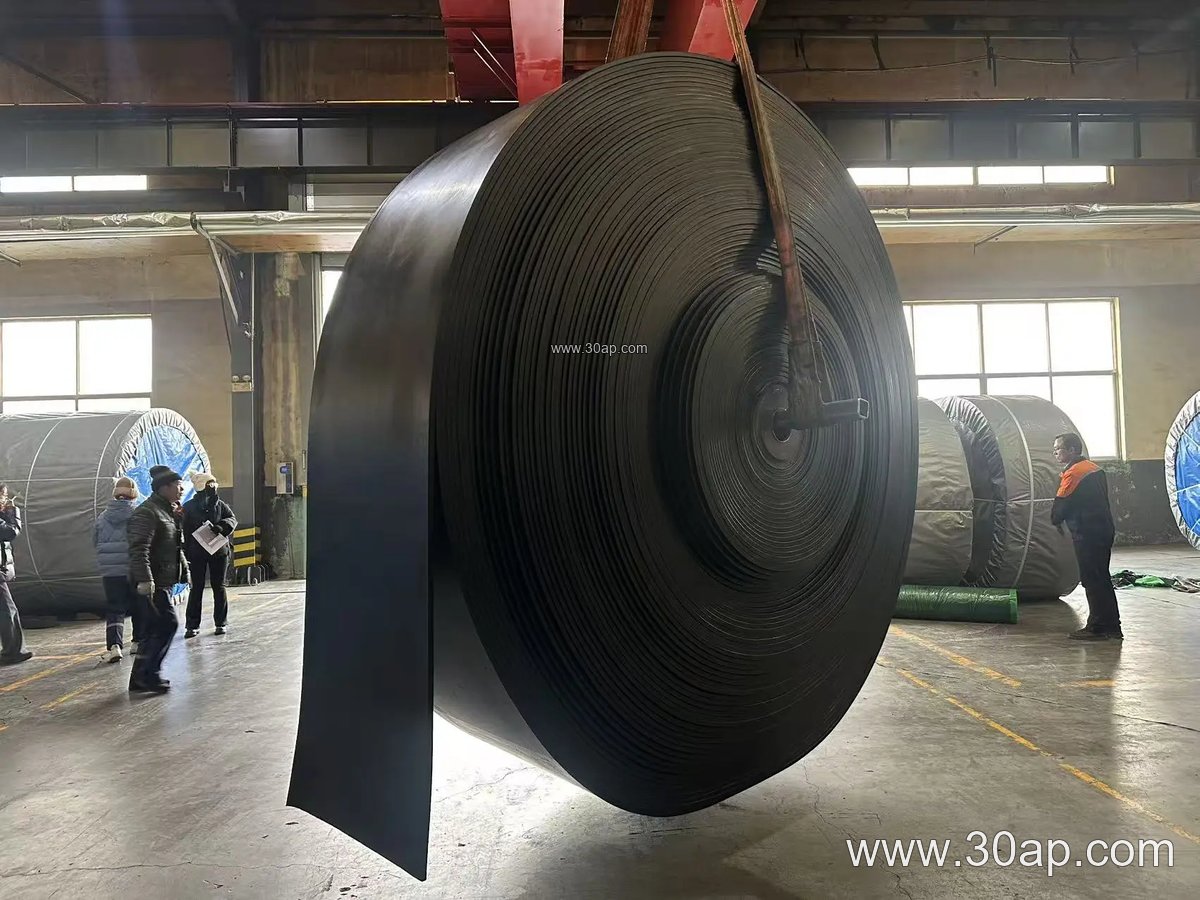
A 1800mm Wide Conveyor Belt is a high-capacity belt designed for conveyor systems that move large volumes of bulk material in a single pass. At 1.8 meters across, this belt sits in the extra-wide category, well above common 800mm, 1000mm and 1200mm widths. It is usually specified for main haulage lines, primary crushing circuits and transfer points where narrow belts would need to run too fast or too many units would be required. The belt is built around a fabric or steel cord carcass with rubber covers, and it is matched to conveyor pulleys, idler rollers and conveyor brackets sized for the load.
Construction and Common Specifications
Most belts at this width use a multi-ply fabric core or a steel cord carcass. EP and NN fabric constructions are common, while steel cord designs suit long distances and high tension. Cover compound and thickness depend on the material being carried.
| Item | Typical Options |
|---|---|
| Belt width | B1800 (1800mm) |
| Carcass type | EP fabric, NN fabric, steel cord, PVC/PVG solid woven |
| Strength grades | EP200 to EP2000; ST1000 to ST3150 |
| Number of plies | 2 to 6 (fabric core) |
| Cover thickness | 4+2, 5+2, 6+2, 8+3 mm |
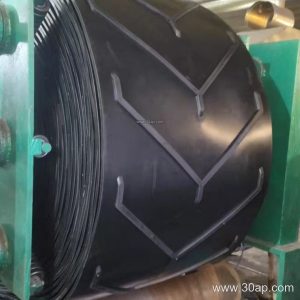
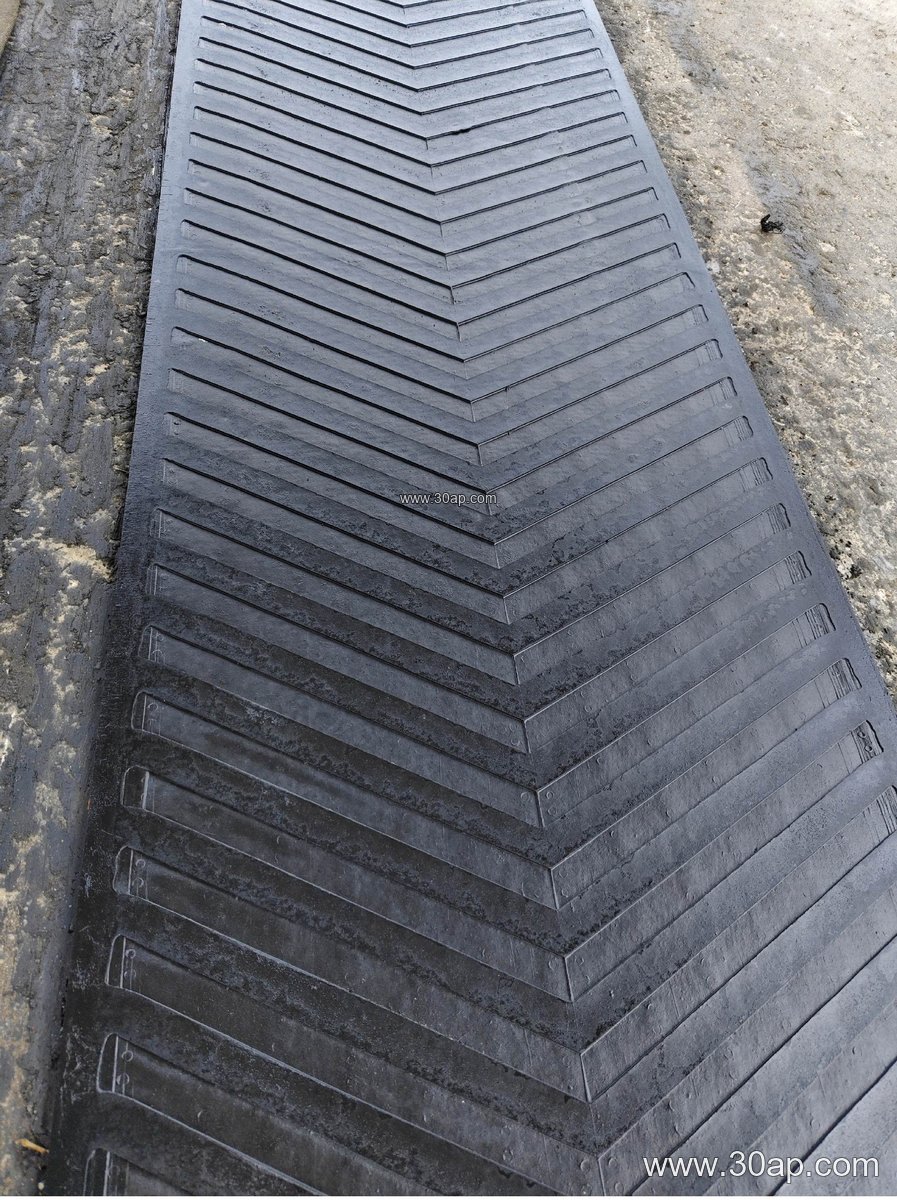
| Surface forms | Smooth, chevron, corrugated sidewall, skirted |
These values are reference data. Final construction is confirmed by the conveyor design, and different manufacturers offer different combinations.
Where It Fits in the Plant
An 1800mm belt is often found in mines, coal preparation plants, cement works, power stations, ports and large sand and gravel yards. In a copper ore or iron ore operation it may form the primary haulage from the crusher to the stockpile. In a cement plant it can carry clinker or limestone at high tonnage. Port and ship loading systems also use wide belts to reduce transfer points. The belt works alongside conveyor pulleys, idler rollers mounted on conveyor brackets, and sometimes skirted or corrugated sidewall edges to contain material on steep inclines.
Selecting the Right Belt
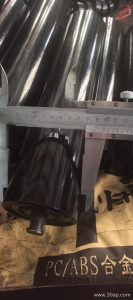
Buyers should start with the material, the required capacity and the conveyor geometry. Abrasive rock calls for an abrasion resistant conveyor belt with a thicker top cover. Hot clinker or sinter may need a heat resistant conveyor belt. Coal and underground work usually require a flame retardant conveyor belt, and cold climates may call for a cold resistant belt. Where oil or chemicals are present, an oil resistant or chemical resistant grade is worth considering. The 1800mm width should not be treated as a fixed match for one pulley diameter; drive, tail and bend pulleys are sized separately from the belt tension and shaft load.
Installation and Maintenance Notes
- Check pulley alignment and idler roller condition before fitting a new belt.
- Keep the belt tracking straight; wide belts amplify any misalignment.
- Inspect splices and cover wear at regular intervals.
- Confirm that conveyor brackets and frames support the extra belt weight.
For more information on matching widths, carcass grades and accessories, visit conveyorbeltpulley.com or check idler roller and conveyor pulley options at conveyorrollerbelt.com. A well-specified 1800mm Wide Conveyor Belt, chosen with the right rubber cover and carcass, helps keep bulk material moving reliably in demanding industrial settings.