What a PVG Conveyor Belt Is
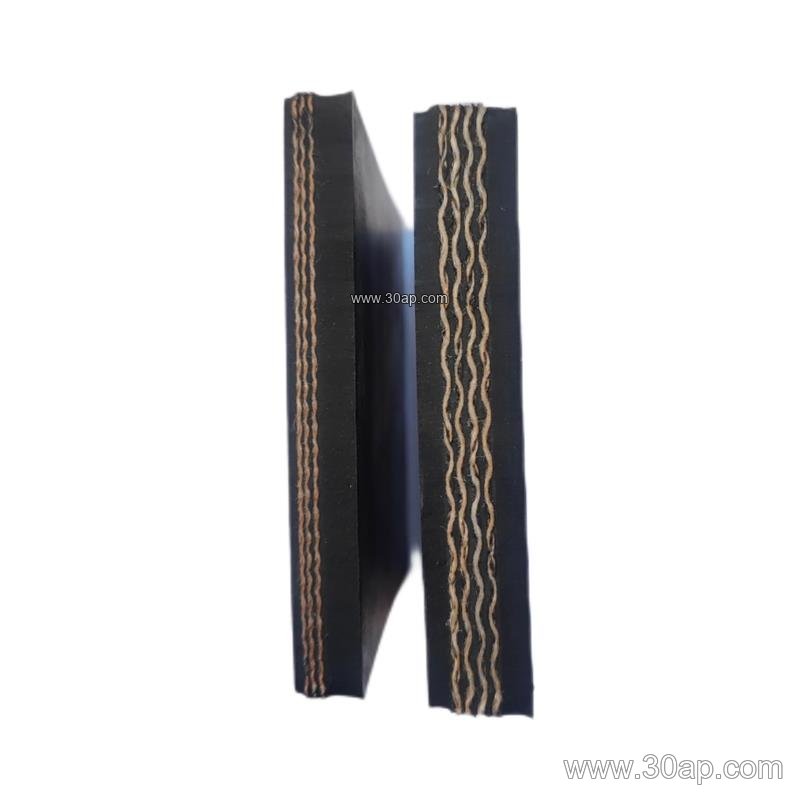
A PVG conveyor belt is a solid-woven, PVC-impregnated belt designed for tough bulk handling, and it is widely used as an underground mining conveyor belt and coal mining conveyor belt. Unlike laminated belts, the PVG conveyor belt has a single-ply or multi-ply woven carcass fully impregnated with polyvinyl chloride, which gives it good resistance to cutting, impact and moisture. The product is often called a PVC/PVG solid woven belt, and PVG800 Conveyor Belt and PVG800S Conveyor Belt are common designations seen in tender documents and spare-parts planning.
Because the carcass is a unified structure rather than stacked plies, the belt resists delamination and edge fraying in wet, dusty conditions. Fire resistance and anti-static behavior are usually specified for underground coal mining conveyor belt service, so buyers should confirm these properties in writing before ordering.
Construction and Surface Options
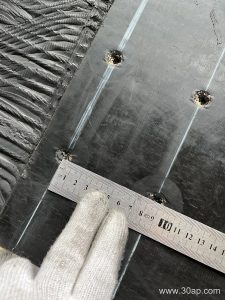
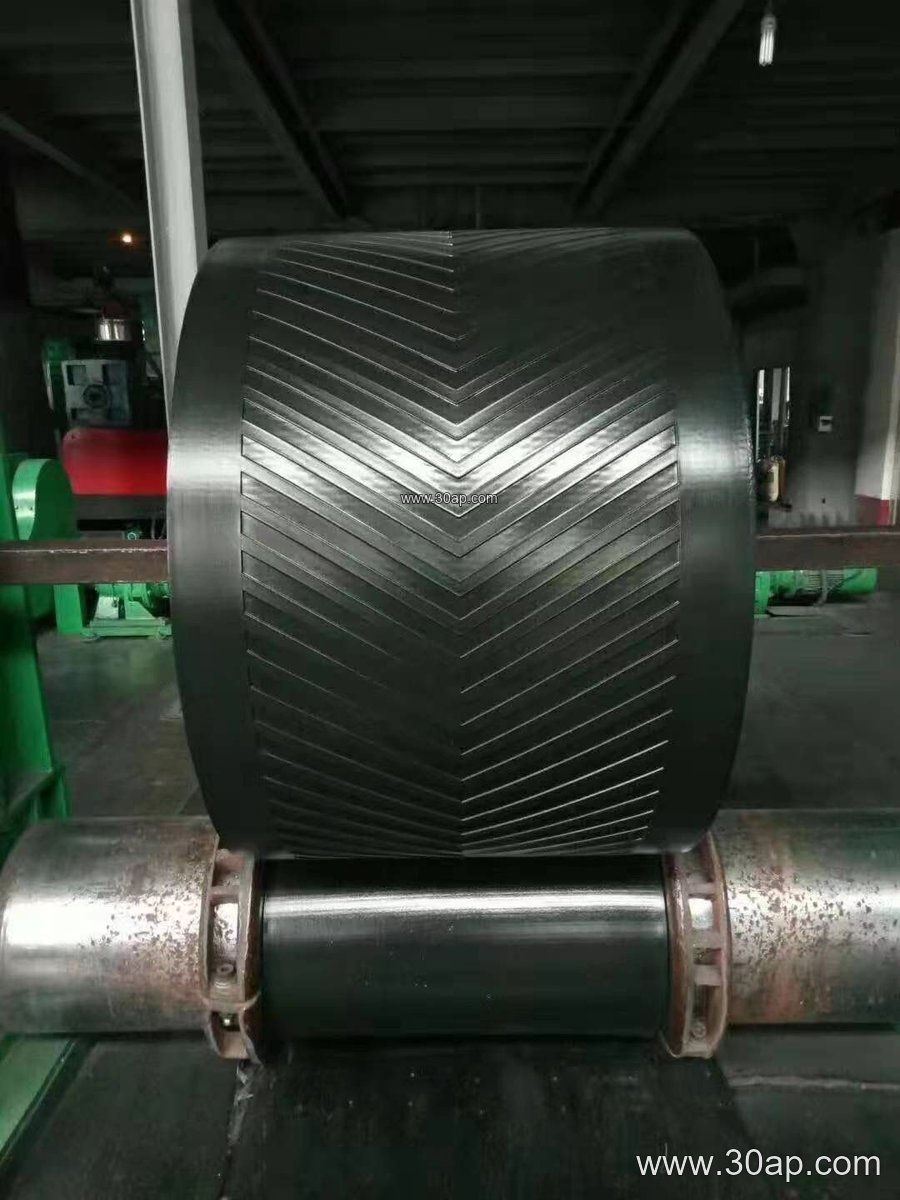
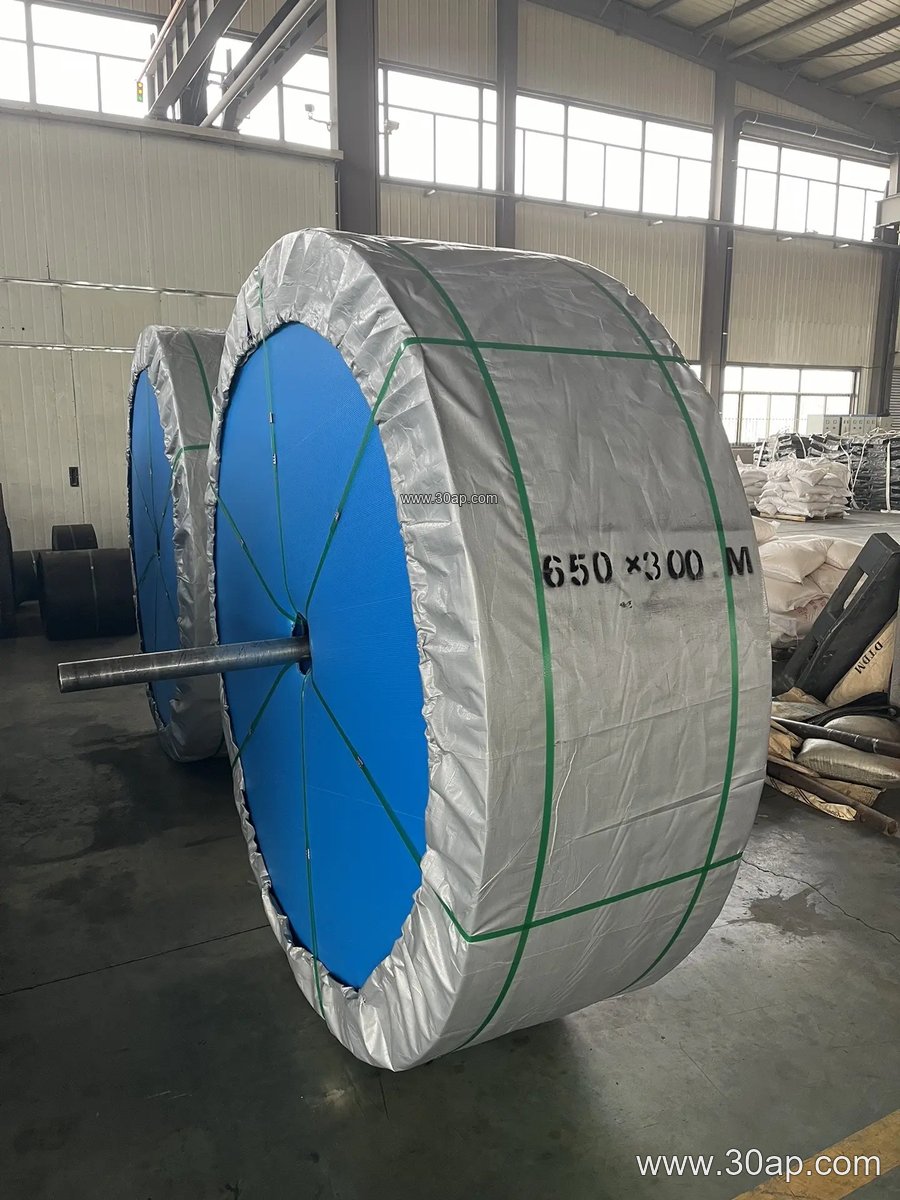
The PVG conveyor belt is built around a solid-woven fabric core. The PVC paste penetrates the weave, and the cover layers are bonded to both faces. Typical cover thickness combinations include 3+1.5 mm, 4+2 mm, 5+2 mm and 6+2 mm, while the carcass commonly carries 2 to 6 layers depending on strength class. Belt widths such as 800mm, 1000mm, 1200mm and 1400mm are common, and a 1200mm wide conveyor belt is a frequent choice for main haulage drifts.
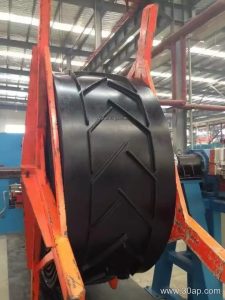
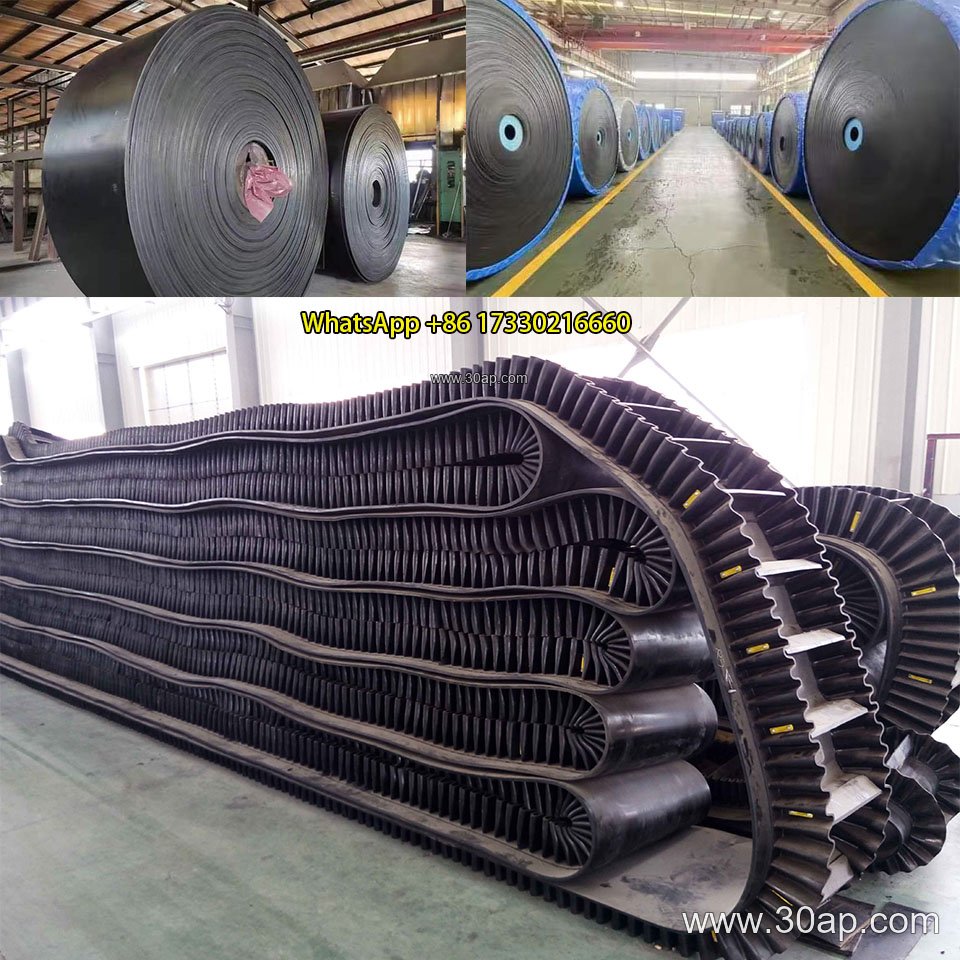
Surface forms matter. A smooth PVG belt suits general transport, while a chevron conveyor belt pattern helps on inclines. Where material must be contained, a corrugated sidewall conveyor belt or skirted conveyor belt may be considered, but these are different constructions and should not be treated as substitutes for the standard PVG conveyor belt in every duty.
Where the Belt Fits in the Plant
The PVG conveyor belt appears in coal preparation plants, underground coal mining conveyor belt systems, cement plants, power plants, salt mines and potash operations. It also handles fertilizer, sand and aggregate in a quarry conveyor belt line, and it can serve as an aggregate conveyor belt or crusher conveyor belt discharge belt where wet conditions rule out some fabric constructions.
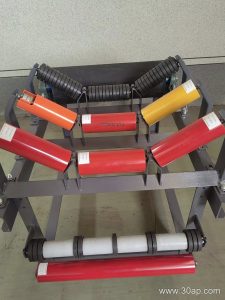
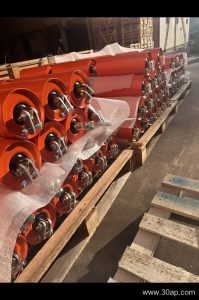
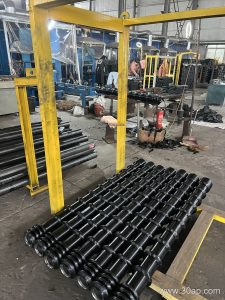
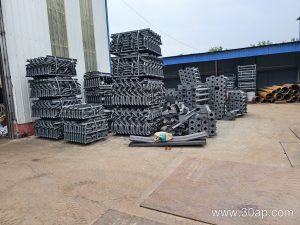
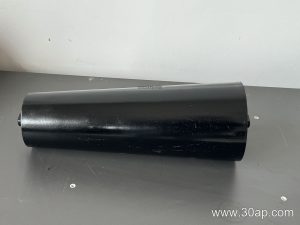
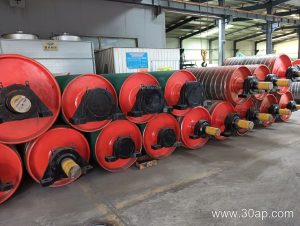
On the conveyor structure, the belt runs over idler rollers and around conveyor pulleys. Drive pulleys, tail pulleys and bend pulleys each perform a distinct role and are not interchangeable. Conveyor brackets and frames hold the idlers in alignment, and correct tracking depends on the whole system, not on the belt alone.
Common Reference Data
The values below are reference ranges only. Actual specifications are confirmed by design and by the manufacturer.
| Item | Typical Reference |
|---|---|
| Belt type | PVG solid woven, PVC impregnated |
| Strength grades | PVG800, PVG1000, PVG1250, PVG1600, PVG800S |
| Belt width | B500, B650, B800, B1000, B1200, B1400, B1600 |
| Cover thickness | 3+1.5 mm, 4+2 mm, 5+2 mm, 6+2 mm |
| Carcass layers | 2 to 6 layers, depending on class |
| Surface form | Smooth, chevron, sidewall where specified |
Do not assume that one belt width matches one pulley diameter. Pulley sizing follows tension, wrap angle and shaft load, so a 1000mm belt may run on different pulley diameters in different conveyors.
Buyer Checklist
- Confirm the required strength class and whether PVG800S Conveyor Belt or a higher grade is needed.
- State the belt width and cover thickness, and check whether a flame retardant conveyor belt or anti-static conveyor belt specification applies.
- Describe the material, lump size, moisture and incline so the supplier can judge whether a smooth or patterned surface is suitable.
- Ask for the recommended minimum pulley diameters and idler spacing for the selected belt.
- Plan splice type, storage and inspection routines before installation.
For related conveyor components such as idler roller, conveyor pulley and conveyor bracket, coordinate dimensions with the belt supplier so the whole line works as one system.
Installation and Care
Keep the belt clean and avoid sharp impact at transfer points. Check idler rollers for seized bearings, because a stuck roller can damage the cover quickly. Inspect splices and edges at each shutdown, and keep the belt tension within the range recommended for the conveyor design. In cold climates, confirm whether a cold resistant conveyor belt grade is required, and in oily service check oil resistant conveyor belt options rather than assuming the standard PVG cover will cope. With correct selection and routine checks, a PVG conveyor belt delivers reliable service in wet, dusty and underground environments.