What a Conveyor Return Idler Does
A conveyor return idler is the roller that supports the empty, returning run of a conveyor belt. After the belt has discharged its load at the head end, it travels back underneath the structure, and this lower run needs continuous support to keep sag under control and tracking stable. In many plants the return idler is the least visible part of the conveyor, yet it quietly influences belt life, power draw and the amount of spillage found under the structure.
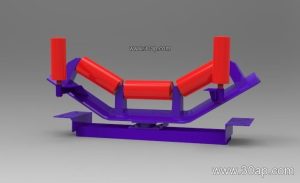
Where the carrying side usually uses three-roll troughing sets, the return side is commonly supported by single flat rollers or by V-shaped assemblies. That difference matters: the return idler only has to hold the belt’s own weight and any clingage, not the payload, so its geometry and spacing follow different rules from the carrying idlers.
How the Roller Is Built
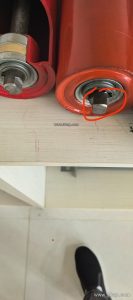
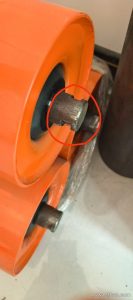
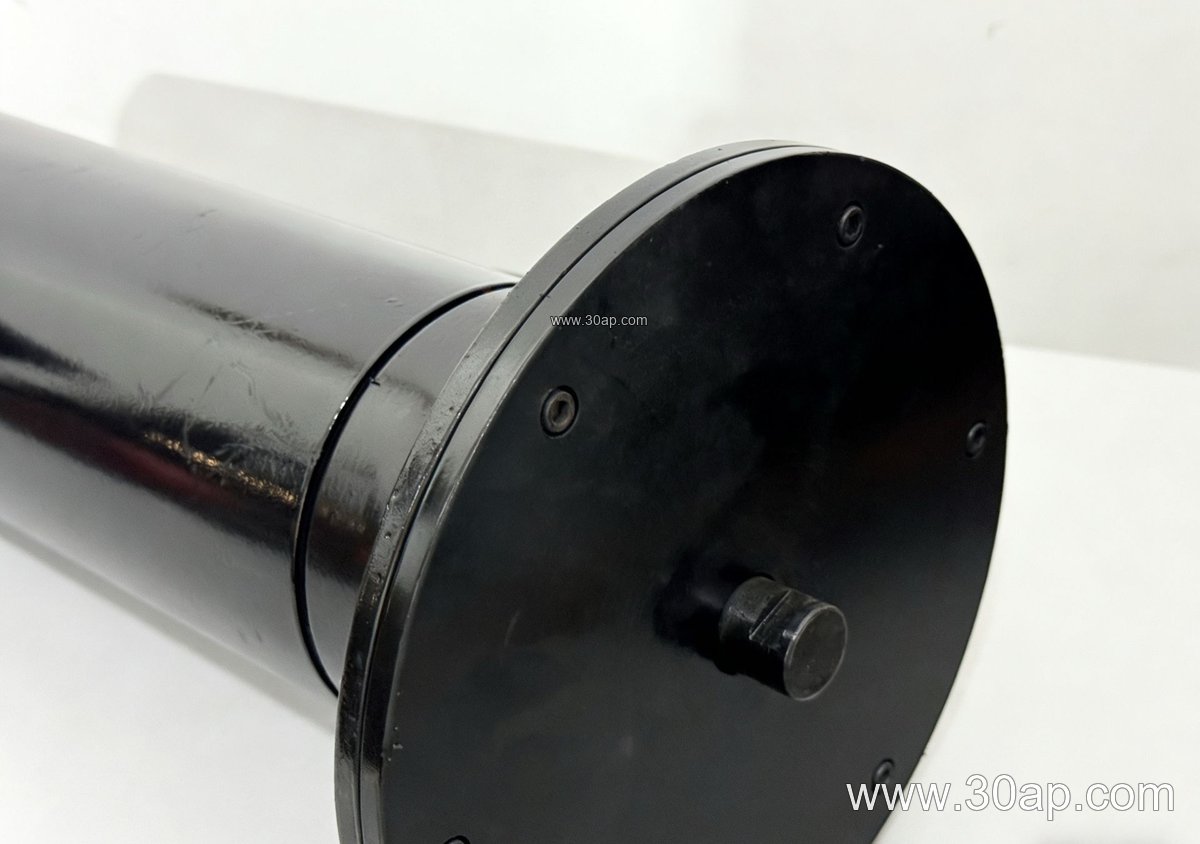
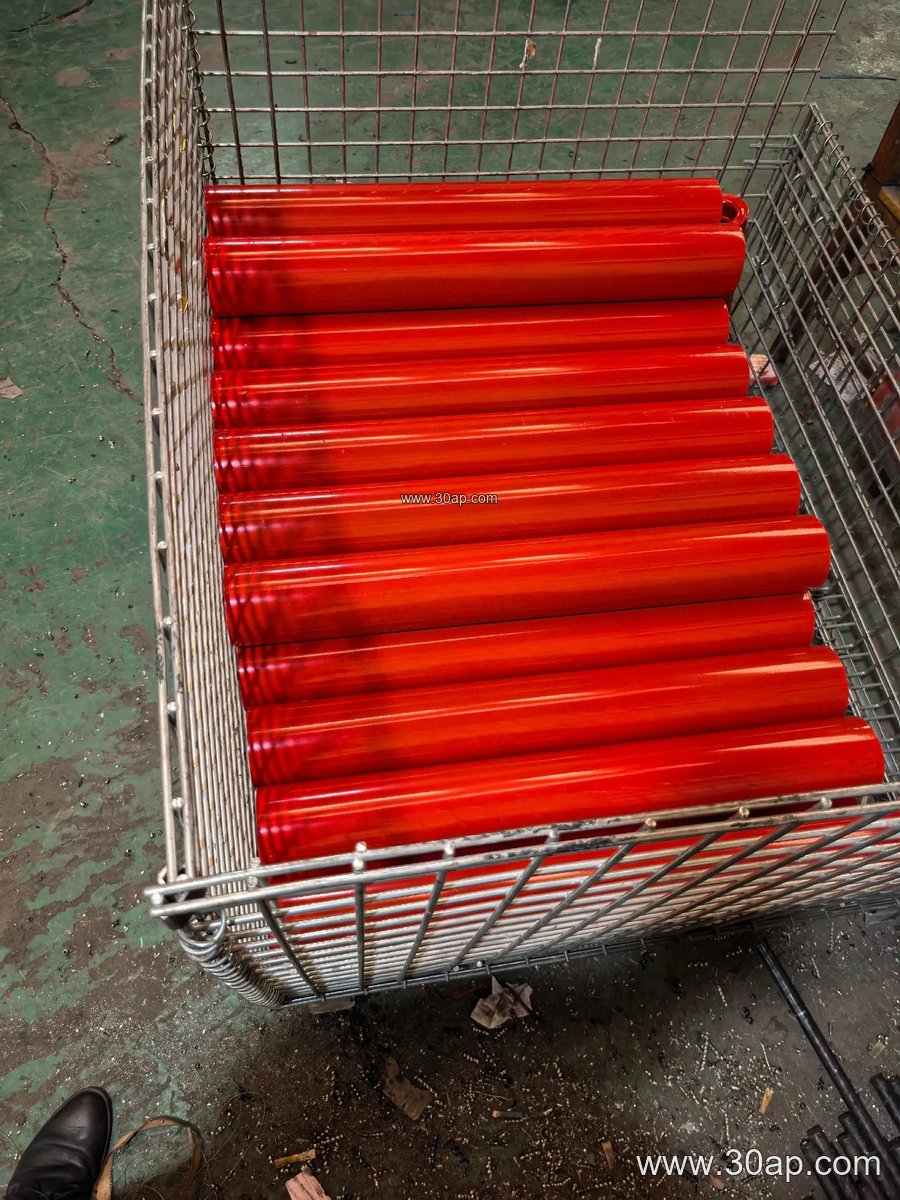
A typical return idler consists of a steel tube shell, a shaft, bearing housings at each end, and a sealing arrangement. The shell may be plain steel, nylon-coated, or fitted with rubber rings for particular duties. Bearings are usually deep-groove ball types; common sizes include 6204, 6205, 6305, 6306, 6308 and 6310, selected according to load and shaft design rather than matched one-to-one with a single roller diameter.
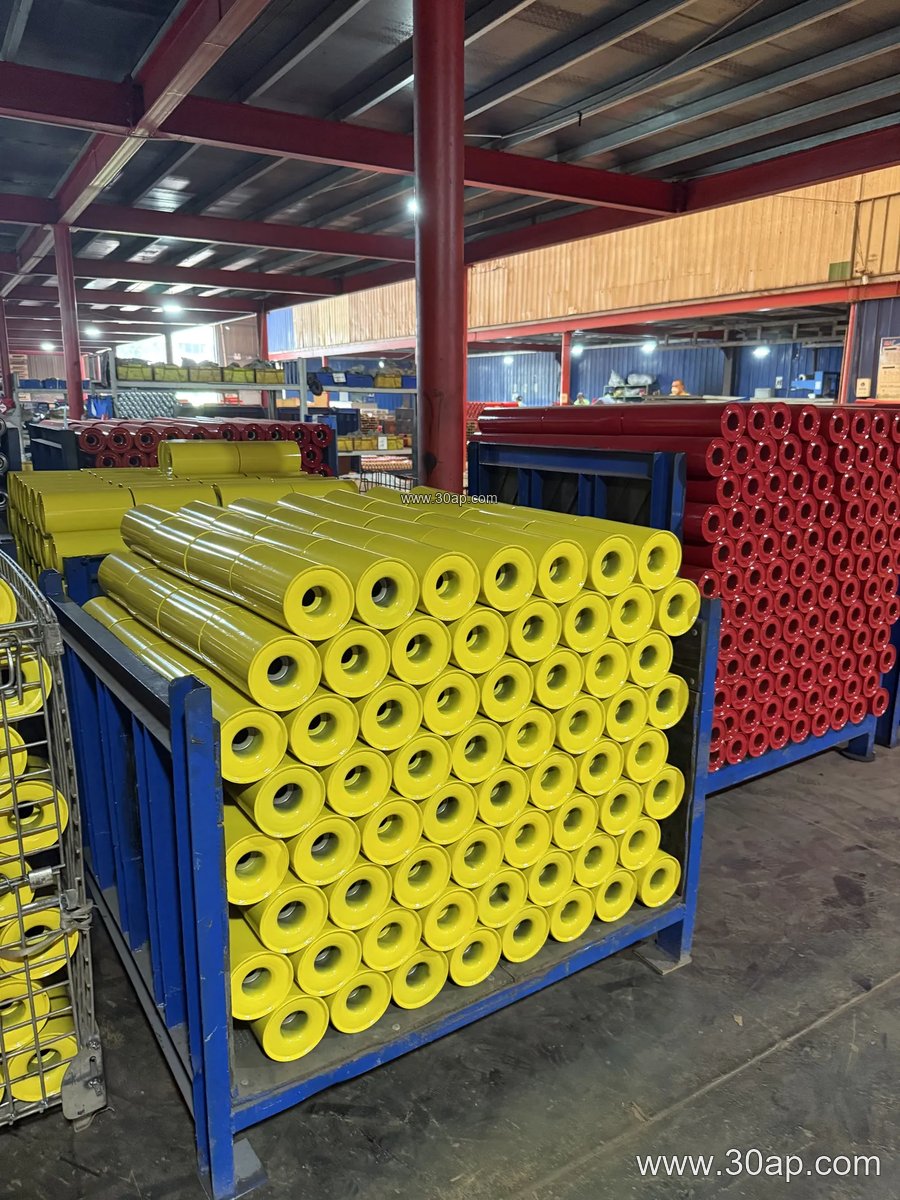
Sealing is often the detail that decides service life. Dust from a quarry or a coal handling plant will find any weak point, so labyrinth seals and grease retention features are worth checking when comparing offers. A return idler that runs smoothly but ingests grit will fail early, and the resulting seized roller can wear through a belt in a short time.
Common Sizes and Arrangements
Return rollers are produced in a range of diameters to suit different belt widths and load conditions. The table below shows typical reference values; final selection depends on the conveyor design, belt tension and the manufacturer’s data.
| Item | Common reference values |
|---|---|
| Roller diameter | Ø63, Ø76, Ø89, Ø102, Ø108, Ø127, Ø133, Ø159, Ø178, Ø194, Ø219 mm |
| Belt width | B400, B500, B650, B800, B1000, B1200, B1400, B1600, B1800, B2000, B2200, B2400 |
| Arrangement | Single flat roller, V-return set, spiral return roller |
| Bearing examples | 6204, 6205, 6305, 6306, 6308, 6310 |
Roller length is not fixed by belt width alone; it changes with the frame and the return set type. A V-return set, for example, uses two shorter rollers set at an angle instead of one long straight roller, which helps centre the belt and shed material. Spiral return rollers are another option where sticky fines tend to build up on the shell.
Where It Fits in the Plant
Return idlers appear in almost every bulk handling circuit. In a limestone quarry or aggregate line they sit under the belt that carries crushed rock from the crusher to the screening section. In a coal-fired power plant they support the return run of the coal conveyor, where flame retardant and anti-static belt grades are often specified. Cement plants, steel works and port loading systems use them on long overland and jetty conveyors as well.
The choice of return idler should be read together with the belt it supports. A heavy-duty mining conveyor belt or a steel cord conveyor belt on a long incline will call for larger roller diameters and closer spacing than a short transfer conveyor fitted with a fabric core conveyor belt. On a pipe conveyor belt the return side is quite different, and the idler arrangement follows the pipe profile rather than a flat run.
What Buyers Should Check
- Roller diameter and shaft size matched to the actual belt width and load, not assumed from a catalogue table.
- Bearing and seal quality, since these determine relubrication intervals and replacement frequency.
- Shell surface: plain steel for clean duties, rubber rings or spiral forms where build-up is a problem.
- Frame compatibility, including the conveyor bracket spacing and the hook or clamp design used on the stringer.
- Balance and concentricity, because an out-of-balance roller vibrates and accelerates bearing wear.
- Environmental fit: dusty quarry conditions, wet washdown areas and high-temperature zones each need different sealing and lubrication choices.
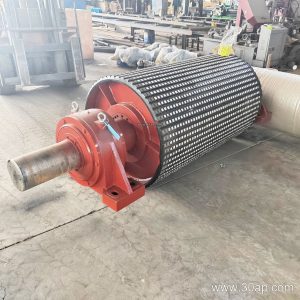
It also pays to confirm how the return idler interacts with the rest of the conveyor. The drive pulley, tail pulley and bend pulleys are separate components with their own selection criteria and should never be treated as interchangeable with an idler. A return roller is a support element, not a traction element.
Maintenance Notes
Walk the return run periodically and listen for squealing or rumbling. Check that rollers turn freely by hand where safe to do so, look for material caught between the roller and the frame, and confirm that the belt is not training to one side. Replacing a worn return idler before it seizes is far cheaper than repairing a gouged belt. Keeping spare rollers in the two or three most common diameters on site shortens downtime considerably.