What the Ø89 Conveyor Idler Does on a Conveying Line
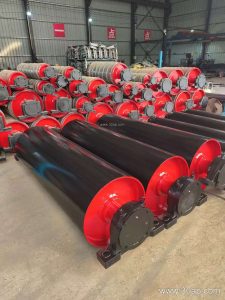
The Ø89 Conveyor Idler is a carrying or return roller with an 89 mm outside roller diameter, used to support the conveyor belt and keep it tracking along the frame. In a typical troughing set, three idlers form a cradle that shapes the belt into a trough, so bulk material stays centered during transport. The same diameter also appears on return-side sets, where one or two rollers hold up the empty belt on its way back to the tail.
Because the roller diameter sits between the lighter Ø76 and the heavier Ø102 sizes, the Ø89 idler is often chosen for medium-duty lines. It is common on aggregate and quarry conveyors, in cement plants, on coal handling systems in power stations, and in sand and gravel operations. It also turns up in fertilizer and grain handling where moderate belt widths are used.
Construction and Roller Surface Options
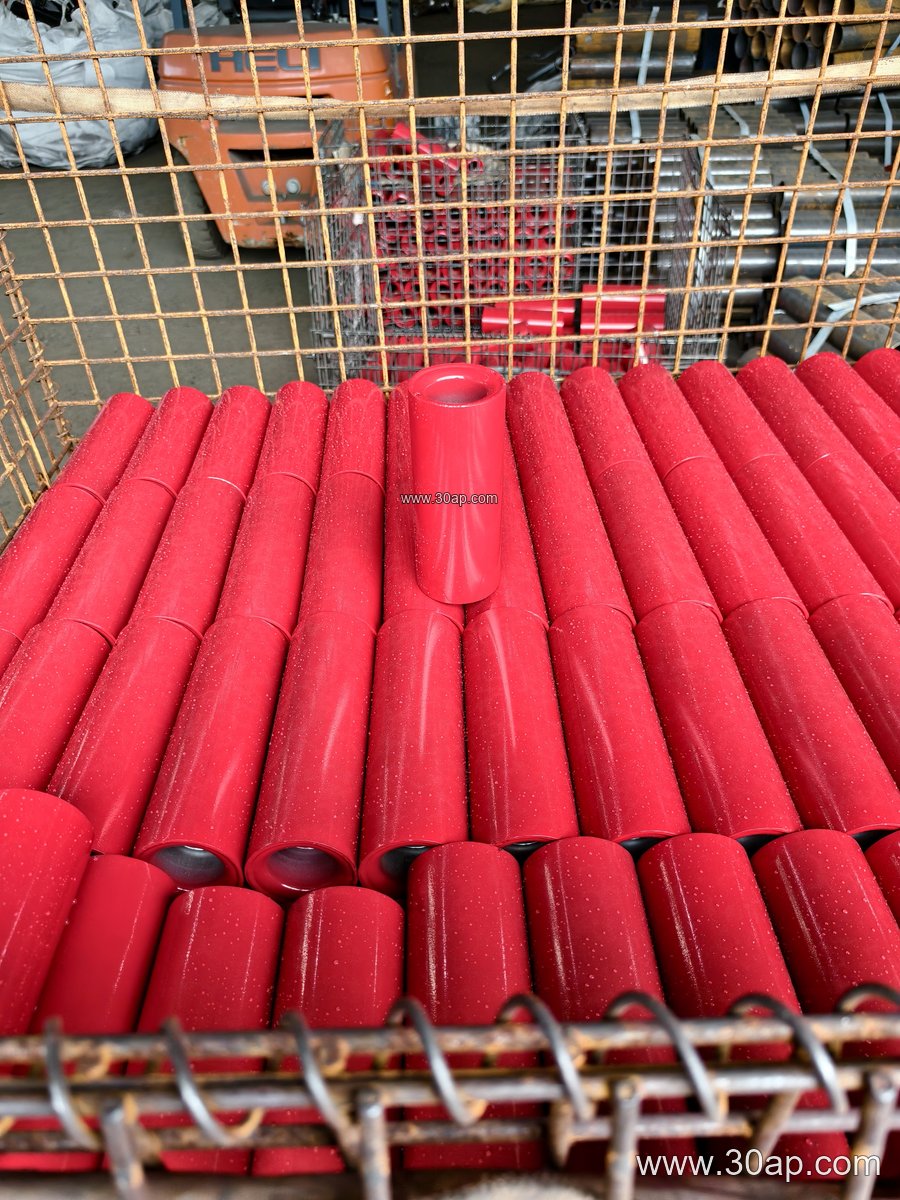
A standard Ø89 idler roller is built around a steel tube shell, with bearing housings pressed into each end and a shaft running through the center. Seals protect the bearings from dust and moisture, which matters most in crushing and screening circuits where fine grit is everywhere. Common bearing sizes for this diameter include 6204 and 6205, and the exact match depends on the shaft and load design rather than the roller diameter alone.
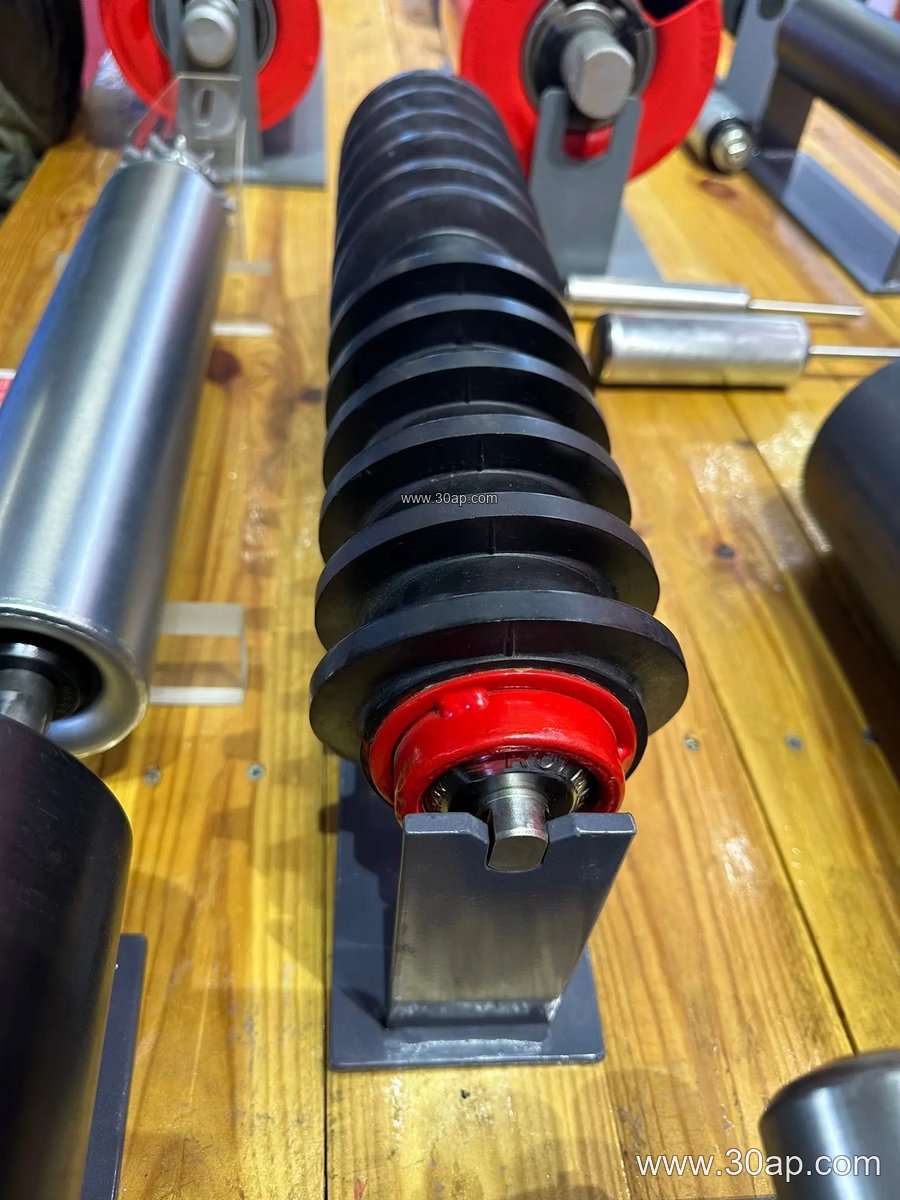
The roller surface can be supplied in several forms. Plain steel is the usual choice for carrying runs. Rubber rings are added on impact idlers below crusher discharge points to absorb shock from large lumps. Nylon or ceramic covers are sometimes used where sticky material builds up on plain shells. These surface forms are options, not fixed rules, and the right pick depends on the material and the duty.
Matching Roller Diameter with Belt Width and Trough Angle
Belt width and trough angle guide the choice of idler length and the geometry of the set. The table below gives common reference values for three-roll troughing sets; side rollers and center rollers can differ, so these are examples rather than fixed combinations.
| Belt width | Typical idler length (three-roll trough) | Common trough angles |
|---|---|---|
| B500 | about 200 mm | 20°, 30°, 35° |
| B650 | about 250 mm | 20°, 30°, 35° |
| B800 | about 315 mm | 30°, 35°, 45° |
| B1000 | about 380 mm | 30°, 35°, 45° |
| B1200 | about 465 mm | 30°, 35°, 45° |
| B1400 | about 530 mm | 35°, 45° |
A wider belt does not automatically mean a larger roller diameter, and one belt width can work with more than one roller size. The Ø89 idler is frequently paired with B650 to B1200 belts, but the final selection should follow the conveyor design, belt speed, load, and the idler spacing recommended for the installation.
Where It Fits in Mining and Processing Plants
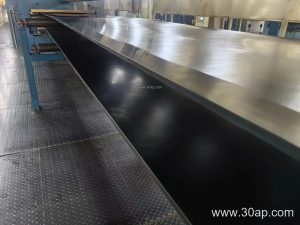
In a coal washing plant, Ø89 carrying idlers support a flame retardant conveyor belt on the main haulage run, while return idlers keep the belt from sagging between frames. In an iron ore or copper ore concentrator, the same roller size may appear on transfer conveyors feeding the grinding circuit. On a quarry conveyor belt carrying crushed rock, impact idlers with rubber rings are placed under the crusher outlet, and standard Ø89 rollers handle the rest of the run.
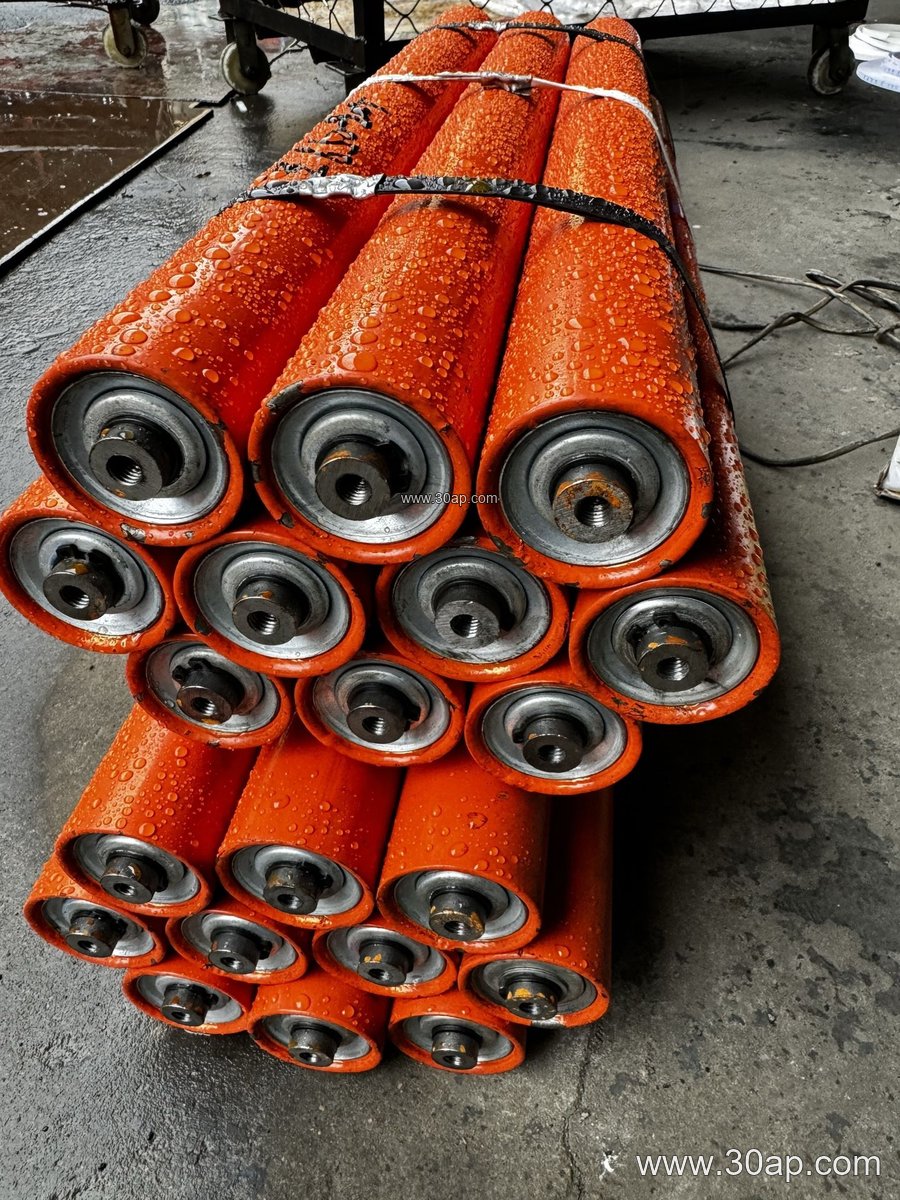
Heavy-duty mining conveyor belts and high abrasion resistant conveyor belts place more demand on rollers, so seal quality and shell thickness deserve attention. In cement plants, heat resistant conveyor belts may run near kiln areas, and the idler bearings should be specified for the ambient temperature. Ports and ship loading facilities often use wider belts, where Ø89 idlers may serve as return rollers while larger diameters carry the load side.
Selection and Maintenance Notes for Buyers
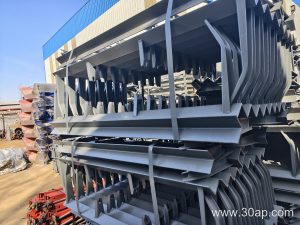
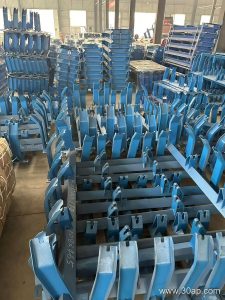
When ordering, confirm the roller diameter, the idler length, the shaft ends, the bracket type, and the bearing size. The conveyor bracket and frame must match the shaft flats or the fixing method used by the supplier. Ask for the seal design and the grease arrangement, since relubrication practice varies between maintenance teams.
- Check that the idler length suits the belt width and trough angle of the existing set.
- Confirm the bearing number and shaft diameter rather than assuming they follow the roller diameter.
- For impact zones, specify rubber ring idlers instead of standard steel shells.
- Keep spare rollers for the most heavily loaded positions, such as head and transfer points.
During operation, listen for squealing or rumbling, watch for belt misalignment, and check that rollers turn freely by hand during scheduled stops. Replacing a seized Ø89 idler early protects the conveyor belt from edge wear and reduces the chance of a longer shutdown. For wider projects, the same selection logic applies to other roller sizes, and a mixed set of diameters on one conveyor is normal when the design calls for it.